

Think about your relationship with the animals in your life, from the dog sleeping at your feet to the wildlife in the woods nearby. You likely value their well-being, but have you ever paused to ask yourself what is animal rights and how it differs from simply being kind to them? While animal welfare focuses on making human use of animals more humane, the animal rights movement goes deeper by questioning whether we should be using them at all. It is a philosophy rooted in the belief that non-human animals possess inherent moral worth and deserve fundamental protections, such as the right to life and liberty.
When you look past traditional views, you begin to see that this movement is built on the rejection of speciesism, or the idea that human interests always trump those of other sentient beings. By recognizing that an animal’s ability to feel pain and experience joy is the only true measure of their moral status, you acknowledge their right to autonomy. This perspective shifts the conversation from reforming how we cage animals to advocating for their total freedom from exploitation. Understanding these core principles allows you to approach the complex ethical challenges of our modern world with a more informed and compassionate lens.
Key Takeaways
- Animal rights represents a fundamental shift from animal welfare by moving beyond humane treatment to advocate for the total abolition of animal exploitation and the recognition of their inherent autonomy.
- Speciesism is an arbitrary prejudice that must be dismantled in favor of a biocentric worldview, which acknowledges that all sentient beings possess moral worth independent of their utility to humans.
- Sentience, rather than intelligence or language, is the primary criterion for moral status, granting animals a fundamental right to life, liberty, and bodily integrity.
- The legal and social landscape is evolving to recognize animals as legal persons with rights rather than mere property, as seen in the growth of the no-kill movement and shifting judicial perspectives.
Defining Animal Rights Versus Animal Welfare
When you think about our relationship with the natural world, you might first consider animal welfare, which focuses on minimizing suffering through better living conditions and humane treatment. Animal rights represents a much more profound shift in perspective because it moves away from an anthropocentric view where humans are the center of all value. Instead of simply asking how we can use animals more kindly, this philosophy adopts a biocentric approach that recognizes the inherent moral worth of all living beings. You can think of it as the difference between making a cage larger and opening the door entirely to respect an individual’s autonomy. By shifting your focus from human utility to the internal value of the animal, you begin to see why advocates argue that sentience alone should grant a creature the right to live for its own sake.
This transition from reform to abolition is what defines the core of the animal rights movement. While welfare advocates might celebrate a transition to cage free environments, rights proponents argue that these incremental changes still treat animals as property or resources for human consumption. You are encouraged to look beyond the surface of humane labels to see a system that fundamentally denies an animal’s right to liberty and life. The goal is not to improve the methods of exploitation but to dismantle the systems of speciesism that suggest humans have a natural right to use others. By embracing this mindset, you acknowledge that every sentient being has a claim to a life free from human interference and institutionalized harm.
Dismantling Speciesism And Embracing Moral Status
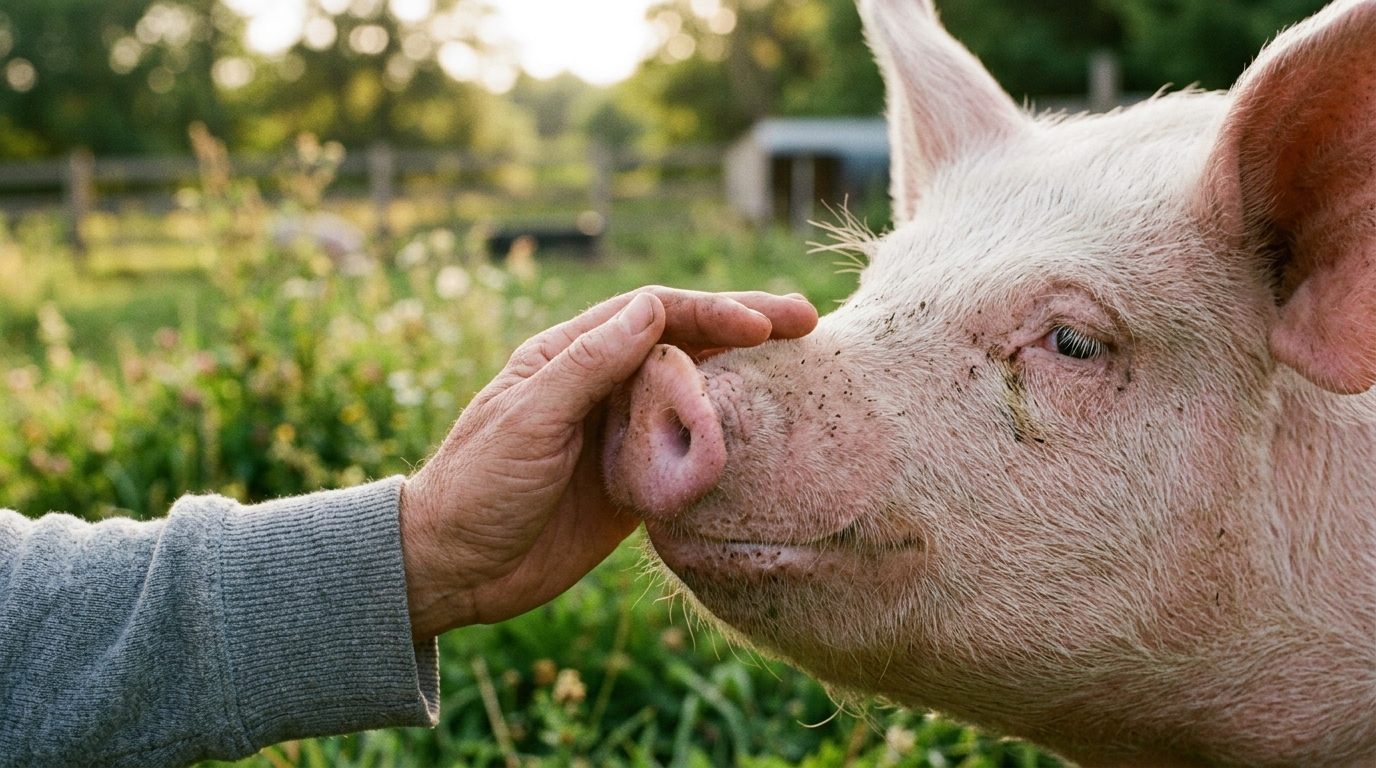
You are likely familiar with the traditional view of anthropocentrism, which places human interests at the absolute center of the moral universe. This perspective suggests that animals only possess value based on their utility to us, whether as food, labor, or companionship. When you begin to dismantle speciesism, you challenge the arbitrary prejudice that grants humans special status while denying it to other sentient beings. By shifting your focus toward biocentrism, you recognize that life itself carries inherent value regardless of its usefulness to human society. This transition requires you to look past physical differences and acknowledge the shared capacity for subjective experience that connects us to the rest of the living world.
Sentience serves as the primary bridge in this philosophical journey, acting as the most logical criterion for moral consideration. When you prioritize the ability to feel pain, pleasure, and emotion, you move away from outdated metrics like intelligence or linguistic ability. This approach levels the playing field because it focuses on the internal reality of the individual rather than their species classification. By embracing this standard, you grant animals a moral status that protects their fundamental interests in life and liberty. It is a profound shift that moves the conversation from simply being kind to animals toward recognizing their actual rights as independent beings.
Understanding the difference between animal welfare and animal rights is essential as you navigate these complex ethical waters. While welfare focuses on making exploitation more comfortable through better cage sizes or handling practices, the rights framework advocates for a total end to that exploitation. You are essentially moving from a system of regulated use to one of complete liberation and autonomy for non-human animals. This perspective encourages you to see animals not as property or resources, but as individuals with their own lives to lead. Embracing this mindset allows you to participate in a global movement that seeks to redefine our relationship with the natural world through justice and equity.
Core Principles Of Autonomy And Inherent Worth
When you explore the concept of animal rights, you are essentially shifting your perspective from an anthropocentric view to a biocentric one. This transition means you stop seeing animals as resources for human use and begin to recognize their inherent worth as individuals with their own lives to lead. In this framework, you acknowledge that a creature’s value is not defined by its utility to people but by its very existence as a sentient being. By moving away from a human centered world, you open the door to a more inclusive ethic that respects the moral duty toward nature and the biological reality of all living things.
You can think of autonomy as the foundational pillar that supports the right of an animal to live according to its own natural instincts and desires. This principle suggests that animals should have the freedom to navigate their environments, form social bonds, and pursue their own needs without human interference or control. When you embrace this idea, you move beyond mere welfare reforms that only seek to make exploitation more comfortable. Instead, you advocate for a world where animals are granted the liberty to exist for their own purposes, free from the constraints of human ownership or systemic use.
Adopting this perspective requires you to challenge speciesism, which is the arbitrary prejudice of favoring humans over other species based solely on biological category. You begin to see that sentience, or the capacity to experience pain and pleasure, is the most relevant factor for moral consideration. As you deepen your understanding, you realize that protecting an animal’s inherent worth means more than just avoiding cruelty in a legal sense. It involves a fundamental commitment to recognizing their right to life and bodily integrity, ensuring that their interests are given equal weight in your moral map of the world.
Modern Implications For Law And Society

The movement from an anthropocentric view, where humans are the center of the universe, to a biocentric perspective is fundamentally reshaping the legal world. You can see this shift most clearly in how the legal status of animals is evolving from simple property, like a toaster or a car, toward being recognized as legal persons with their own interests. This transition means that courts are increasingly considering the inherent value of an animal’s life rather than just its market price. In many jurisdictions, laws are being rewritten to reflect the reality that sentient beings deserve protections that go far beyond basic welfare standards. As you follow these changes, it becomes clear that society is beginning to prioritize the moral rights of animals over the convenience of human ownership.
These evolving ethical theories have a direct impact on how we manage animal populations, particularly within the shelter system. The rise of the no-kill movement is a perfect example of biocentrism in action, as it shifts the goal from simply managing nuisance animals to preserving every life possible. Current statistics show that shelter intake numbers are being met with more sophisticated rescue strategies that prioritize rehabilitation and long term placement. When you examine these trends, you see a society that is no longer willing to accept euthanasia as a standard solution for homelessness. This change reflects a deeper commitment to the idea that animals have an independent right to exist and thrive regardless of their utility to humans.
By integrating these rights into the framework of modern society, you are participating in a historical shift toward a more inclusive moral circle. This involves moving away from speciesism and recognizing that the ability to feel pain and experience joy is what truly grants an individual moral standing. Legal advocates are now using these philosophical foundations to challenge outdated statutes and push for more comprehensive protections in the courtroom. As public awareness grows, the gap between how we treat pets and how we view other species continues to narrow significantly. Understanding these implications helps you see that animal rights is not just a niche interest, but a major evolution in our collective understanding of justice and compassion.
Shifting Your Perspective on Moral Worth
Adopting an animal rights perspective requires you to move beyond the traditional boundaries of anthropocentrism, where human interests are the sole measure of value. By shifting toward biocentrism, you begin to recognize that every sentient being possesses an inherent moral worth that exists independently of its utility to humanity. This transition reshapes your personal ethics by challenging you to see animals not as resources to be managed, but as individuals with their own lives and interests. When you embrace this mindset, you acknowledge that the capacity to experience joy and pain is the only true benchmark for receiving moral consideration.
This philosophical shift transforms our collective responsibility from merely improving the conditions of exploitation to advocating for its total abolition. You play a vital role in dismantling speciesism by questioning the arbitrary prejudices that favor one species over another. As you integrate these principles into your daily life, you contribute to a broader movement that seeks to grant all living creatures the fundamental rights to life and liberty. This journey is not just about changing how we treat others, but about evolving our understanding of justice to include every feeling being on the planet.
Frequently Asked Questions
1. What is the fundamental difference between animal rights and animal welfare?
Animal welfare focuses on making human use of animals more humane by improving living conditions and reducing pain. In contrast, animal rights is a philosophy that questions the use of animals entirely and advocates for their total freedom from exploitation.
2. How does the concept of speciesism affect our view of animals?
Speciesism is the belief that human interests are inherently more important than those of other sentient beings. When you move past this view, you recognize that an animal’s ability to feel joy and pain is the true measure of their moral status.
3. What does it mean to have a biocentric approach to ethics?
A biocentric approach shifts the focus away from human needs and recognizes the inherent moral worth of all living beings. This perspective values the autonomy and life of an animal regardless of how useful they are to human society.
4. Why is the ability to feel pain central to the animal rights movement?
Sentience, or the capacity to experience sensations like pain and joy, provides the moral foundation for granting animals fundamental rights. Because animals are conscious beings with their own interests, they deserve protections that ensure their well being and liberty. Some philosophers even examine the case for care when determining how humans should intervene to protect those who cannot protect themselves.
5. Does supporting animal rights mean you think humans and animals are identical?
No, it simply means you believe animals deserve equal consideration for their own unique needs and interests. The goal is to respect their right to live a life free from human-imposed suffering and control.
6. How can I begin incorporating animal rights principles into my daily life?
You can start by choosing products and practices that do not rely on animal exploitation. This shift in perspective allows you to view animals as individuals with their own lives rather than resources for human consumption. Many of these choices are supported by utilitarianism explained as a way to minimize suffering and maximize the well-being of all sentient creatures.