
Imagine a future where your golden years aren’t defined by decline, but by the same vitality you enjoyed in your thirties. As of 2026, the bioethics of longevity has moved from the pages of science fiction into the heart of mainstream medicine, shifting the focus from simply living longer to maximizing your healthspan. This evolution marks a profound moral turning point where we must ask: if age-related suffering is becoming preventable, do we have a collective responsibility to stop it?
While the promise of extended youth is exhilarating, it brings a set of urgent ethical challenges that hit close to home. You may find yourself navigating a world where a longevity divide threatens to create a two-tier society, with some projections showing a staggering 35-year life expectancy gap between different communities. Understanding these developments is no longer just an academic exercise; it is a vital part of preparing for a reality where advanced therapies could fundamentally redefine what it means to grow old.
Key Takeaways
- Modern geroscience is reframing aging as a series of preventable biological failures, shifting the medical focus from merely extending lifespan to maximizing healthspan.
- The emergence of a ‘longevity divide’ poses a critical ethical threat, risking a two-tier society where a 35-year life expectancy gap exists between the wealthy and the rest of the population.
- Extending the human healthspan requires a fundamental redefinition of personal identity, moving away from a fixed biological timeline toward a life of continuous evolution and long-term purpose.
- Society must treat life-extending breakthroughs as essential public goods rather than luxury goods to ensure that vitality and health remain universal human rights.
From Natural Decline To Managed Geroscience
The shift from viewing aging as a natural destiny to a manageable medical condition changes how you perceive your own health and future. For generations, the gradual decline of the body was accepted as an inevitable part of the human experience, but modern geroscience is reframing this process as a series of preventable biological failures. You are now entering an era where maintaining your healthspan, the period of life spent in peak physical condition, is becoming a proactive medical responsibility rather than a matter of luck. This transition forces you to consider whether allowing age-related suffering is a moral choice rather than a biological necessity. As these therapies become mainstream, the ethical burden moves away from those seeking longevity and toward a society that must justify why it would let preventable decline continue.
As you contemplate a significantly longer life, you must also navigate the complex intersection of personal identity and the value of mortality. Living decades beyond the current average might sound like a dream, but it raises deep questions about how you define the stages of your life and the urgency of your goals. Some bioethicists argue that the finitude of life provides it with meaning, yet the emerging consensus in 2026 suggests that vitality is always preferable to frailty. You are essentially standing at a crossroads where the definition of being human is evolving from a fixed timeline into a flexible journey. This evolution requires you to think critically about how you will spend this extra time and what kind of legacy you wish to build in a world where the horizon is constantly moving.
The most pressing challenge you face is the potential for a widening longevity gap between different social groups. While the science of life extension is moving at a pace, the accessibility of these advanced treatments remains a significant ethical hurdle for global policy. You might see a future where a two-tier humanity emerges, defined by a massive life expectancy gap based on economic status rather than genetics. Ensuring that these breakthroughs are distributed equitably is no longer just a political debate but a fundamental human rights issue. As you look toward a future of managed aging, the goal is to ensure that the gift of extra years is a shared human achievement rather than an exclusive luxury.
Bridging The Thirty Year Longevity Divide
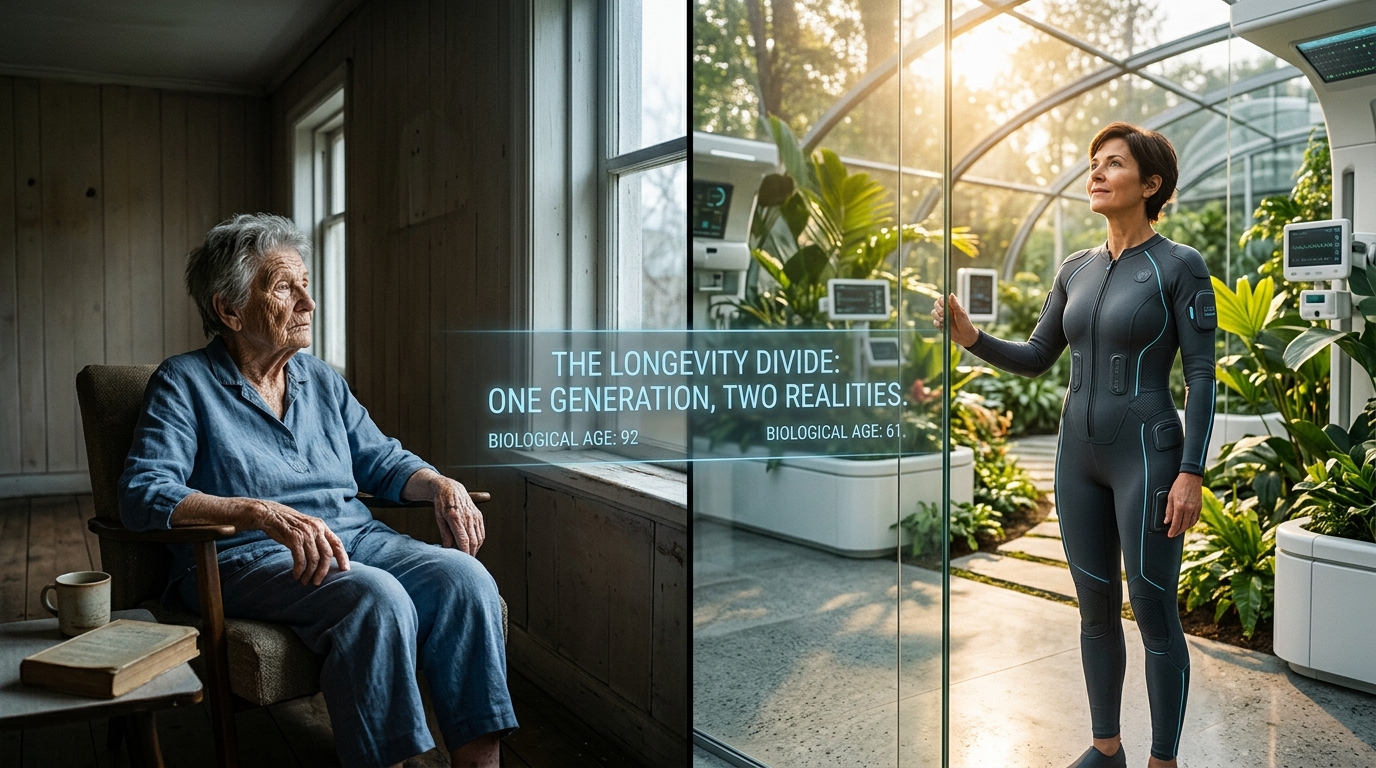
You are currently witnessing a pivotal shift where the ability to slow biological aging is moving from science fiction into the clinic. As senolytics and gene therapies become reality, you must confront the possibility of a longevity divide between the global elite and the rest of society. This is not just a matter of who gets the latest gadget, but who gets to keep their health, memory, and vitality for decades longer. If these treatments remain luxury goods, we risk creating a two-tier humanity defined by biological divergence. The moral weight of this gap challenges our fundamental belief in human equality and the universal right to health.
The debate has reached a tipping point where the ethical burden is shifting toward those who would deny these advancements to the public. You might find it surprising that by 2026, many bioethicists argue that allowing preventable age-related decline is becoming a form of negligence. When geroscience can effectively extend your healthspan, the period of life spent free from chronic disease, access becomes a matter of basic justice. We must decide if these interventions will be treated like essential vaccines or like high-end cosmetic surgery. Your future and the structure of our social contracts depend on designing a fairer world where the gift of time is shared by all.
Bridging this divide requires you to think about longevity as a mainstream medical priority rather than a niche pursuit for the wealthy. If we fail to implement equitable distribution policies now, the gap in life expectancy could fracture our communities and redefine the value of mortality based on net worth. You have a stake in advocating for a system where life-extending breakthroughs are integrated into public health frameworks. By focusing on healthspan for everyone, we can ensure that the transition into a long-lived society preserves our shared human identity. The goal is to make certain that a longer, healthier life is a standard human experience rather than a gated privilege.
Balancing Cellular Reprogramming With Social Resource Allocation
As you look at the rapid evolution of geroscience, you might find yourself caught between excitement for the future and the reality of our current healthcare systems. Scientists are now moving beyond simple supplements to explore cellular reprogramming, a process that aims to reset the biological clock of our very cells. While this offers the promise of a life free from the frailty of old age, it also forces us to ask difficult questions about where our money should go. You have to consider whether it is more ethical to fund moonshot projects that could end aging or to bolster the public clinics that millions of people rely on today. This tension creates a significant moral challenge for policymakers who must decide on meaningful results for the best outcome in public health.
The stakes of this debate become even more personal when you consider the potential for a widening longevity divide between different social classes. If these advanced therapies remain accessible only to the wealthy, we risk creating a world where your bank account determines not just your quality of life, but the very length of your existence. Bioethicists are increasingly concerned that focusing solely on high-tech interventions could drain resources from essential public health initiatives like nutrition, preventive care, and basic disease management. You are witnessing a shift where the value of a human life is being weighed against the cost of innovation in real time. Ensuring that the benefits of cellular reprogramming reach everyone, rather than a select few, is perhaps the most defining ethical hurdle of the coming decade.
Redefining Personal Identity In A Century Of Healthspan
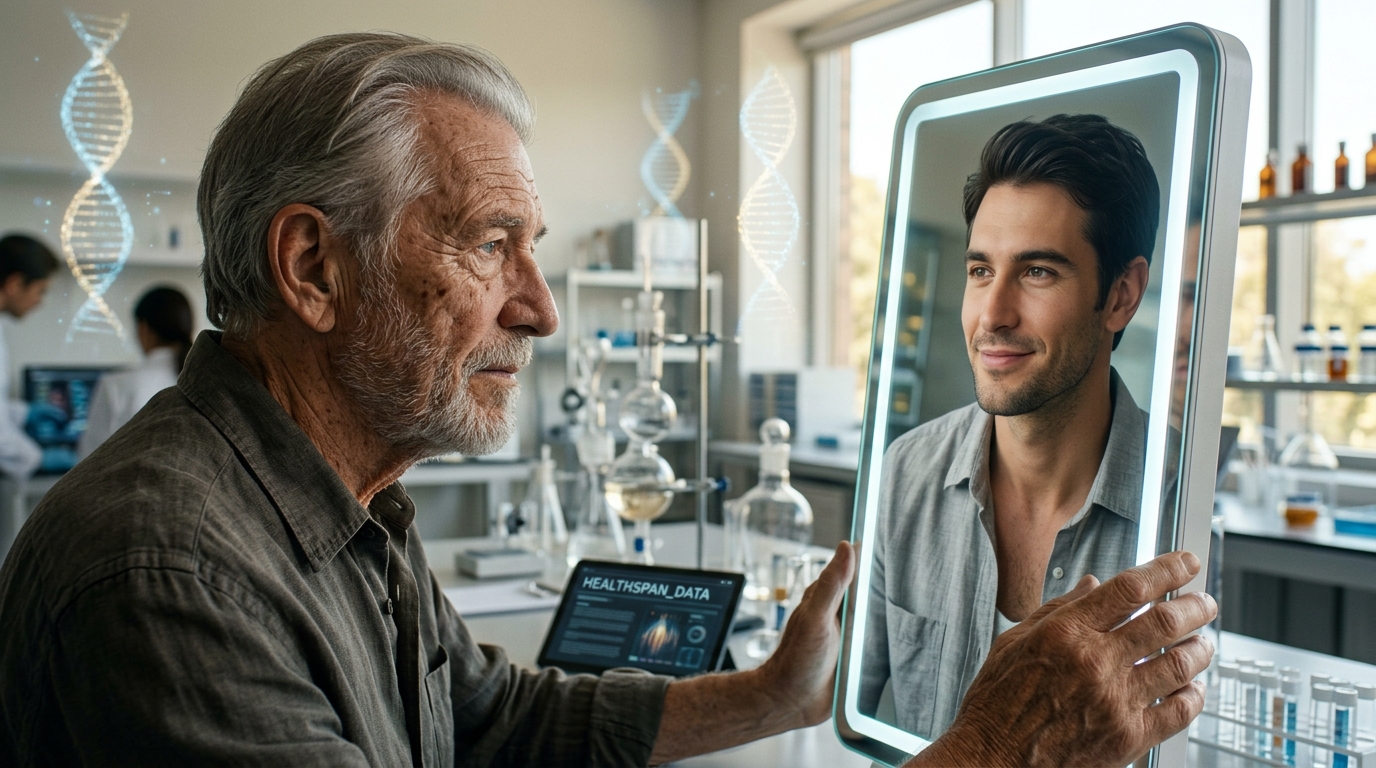
Imagine your life not as a three-act play, but as a sprawling series of volumes where you have the time to master multiple careers and identities. When you shift your perspective from a traditional lifespan to a century of guaranteed healthspan, the way you value each hour begins to change. You no longer feel the frantic pressure to achieve everything by age thirty, allowing you to approach your personal growth with a sense of patience and depth. This expanded horizon invites you to reconsider what it means to be you when your physical vitality remains constant across decades. You are essentially trading the biological ticking clock for a path of continuous evolution and long-term purpose.
The traditional view of mortality often frames aging as a necessary ending that gives life its flavor and urgency. However, as medical breakthroughs turn geroscience into a mainstream reality, you might find that the art of growing old comes from the quality of your experiences rather than their scarcity. If you knew you had decades of health ahead, you could invest in complex skills or long-term social projects that previously seemed impossible. This shift challenges the old philosophical idea that we only value time because it is running out. Instead, you are empowered to find meaning in the ongoing contribution you make to the world and the lasting relationships you nurture.
As you navigate this new era of longevity, you must also grapple with how an extended life shapes your connection to future generations. A longer healthspan means you may coexist with your great-great-grandchildren in a way that allows for an unprecedented exchange of wisdom and support. This continuity of self can strengthen your sense of responsibility toward the planet and society, as you will be around to see the long-term consequences of today’s choices. Your identity becomes less about a brief flash of existence and more about being a steady, healthy thread in the fabric of human history. Ultimately, redefining your identity in this context means embracing a future where your potential is no longer limited by a predetermined biological expiration date.
Championing an Ethical Future for All
Advocating for an ethical future in longevity begins with your voice in the public square, where you can champion policies that prioritize healthspan over mere years. You have the power to demand that geroscience remains a public good rather than a luxury for the few, ensuring that life-extending breakthroughs are accessible to all socioeconomic groups. By staying informed about the shifting moral baseline, you can help reframe the conversation from justifying longevity to questioning why we should accept preventable age-related suffering. Your engagement with local leaders and health organizations can push for a medical system that views aging as a treatable condition, ultimately narrowing the life expectancy gap in our communities.
You can also shape the cultural narrative by reflecting on how your own identity and values might evolve across a significantly longer life. Discussing these advancements with your peers ensures that the value of mortality is balanced with the pursuit of a vibrant, healthy existence. Supporting transparent research and ethical oversight helps prevent a two-tier humanity from becoming a reality in the coming years. By choosing to be a proactive participant in this debate, you contribute to a world where longevity serves the maximum good and enhances the quality of human life for everyone.
Frequently Asked Questions
1. What exactly does the term bioethics of longevity mean for you?
It is the study of the moral implications surrounding life extension and the medical prevention of aging. You are essentially looking at whether society has a responsibility to treat aging as a manageable condition rather than an inevitable decline.
2. Is it truly possible to view aging as a preventable medical condition?
Modern geroscience suggests that aging is a series of biological failures that can be slowed or managed with the right therapies. You are moving into an era where maintaining your healthspan is a proactive choice rather than a matter of biological luck.
3. What is the longevity divide and why should you care about it?
The longevity divide refers to a growing gap in life expectancy between different socioeconomic groups. You must consider the ethical risks of a two-tier society where only the wealthy can access life-extending treatments while others face a shorter natural lifespan.
4. Does extending your life mean you will spend more years in a state of decline?
The primary goal of these new therapies is to maximize your healthspan, which is the period of life spent in peak physical condition. You are focusing on adding more high-quality years to your life rather than simply prolonging the period of old age.
5. Do we have a moral obligation to stop age-related suffering?
As age-related decline becomes preventable, the ethical burden shifts toward justifying why we would allow such suffering to continue. You are facing a future where allowing preventable biological failure may be seen as a moral choice rather than a necessity.
6. How will these longevity developments change your personal health responsibilities?
You will likely find that managing your biological age becomes as routine as maintaining your cardiovascular health today. This shift requires you to stay informed about advanced therapies that could fundamentally redefine your expectations for growing old.