

Imagine standing at a crossroads where a single medical procedure could either save your life or rewrite the biological future of your entire family tree. As we move through 2026, the ethics of genetic editing have moved from the realm of science fiction into the heart of healthcare systems. You now live in an era where curing a debilitating blood disorder in a single patient is celebrated as a moral triumph, yet the idea of altering an embryo remains one of humanity’s most profound dilemmas. Understanding where we draw the line between healing an individual and redesigning a species is no longer just for scientists, it is a vital conversation for all of us.
You can think of this divide as the difference between repairing a broken engine and fundamentally changing the blueprint for every car sent down the assembly line. Somatic editing offers you the chance to treat existing illnesses without passing those changes to your children, making it a widely accepted tool for modern medicine. However, germline editing introduces the heavy responsibility of making permanent choices for future generations who cannot voice their consent. Keeping these two paths distinct is essential as you weigh the incredible promise of biotechnology against the risk of unintended consequences for the human gene pool.
Key Takeaways
- Somatic gene editing serves as a moral triumph in personalized medicine by treating debilitating diseases in individuals without passing genetic changes to future generations.
- Germline editing carries the heavy ethical burden of permanently altering the human blueprint, making irreversible biological decisions for future descendants who cannot provide consent.
- A global ten-year moratorium on germline modifications is essential to prevent unintended consequences and ensure that scientific understanding catches up to our technical ability to rewrite DNA.
- The transition from therapeutic healing to genetic enhancement risks creating a permanent biological divide, where human traits become luxury consumer products and social inequality is hardcoded into our genetics.
Somatic Versus Germline Genetic Interventions
You can think of somatic gene editing as a highly advanced form of personalized medicine designed to help a single patient. When doctors use genetic tools to treat conditions like sickle cell anemia or cystic fibrosis in an adult, they are targeting specific cells that do not pass information to offspring. Because these changes are limited to the individual and vanish when they pass away, the ethical stakes feel familiar and manageable. You are witnessing a modern evolution of surgery or drug therapy, where the goal is simply to restore health and alleviate suffering. This approach is widely celebrated because it respects the autonomy of the patient while offering a life-changing cure.
The conversation shifts dramatically when you consider germline editing, which targets the very blueprint of a future human being. By altering embryos or reproductive cells, scientists create changes that will be inherited by every subsequent generation in that family tree. This raises a profound moral question because you are making permanent decisions for people who cannot yet consent to them. You are no longer just treating a patient, but rather participating in the intentional design of the human gene pool. This boundary represents a massive leap from healing the sick to potentially steering the biological future of our entire species.
As you explore these boundaries, you must grapple with where the line between therapy and enhancement truly lies. While the prospect of eliminating hereditary diseases is inspiring, the potential for creating genetic inequalities or pursuing eugenic ideals remains a significant global concern. You are living in an era where the definition of what it means to be human is no longer static or guaranteed by nature. Striking a balance requires you to weigh the immediate benefits of medical progress against the long term responsibility of protecting the genetic integrity of future society. Navigating this path involves deep intellectual rigor and a commitment to ensuring that technology serves humanity without compromising its essence.
The Ten Year Moratorium And Global Governance
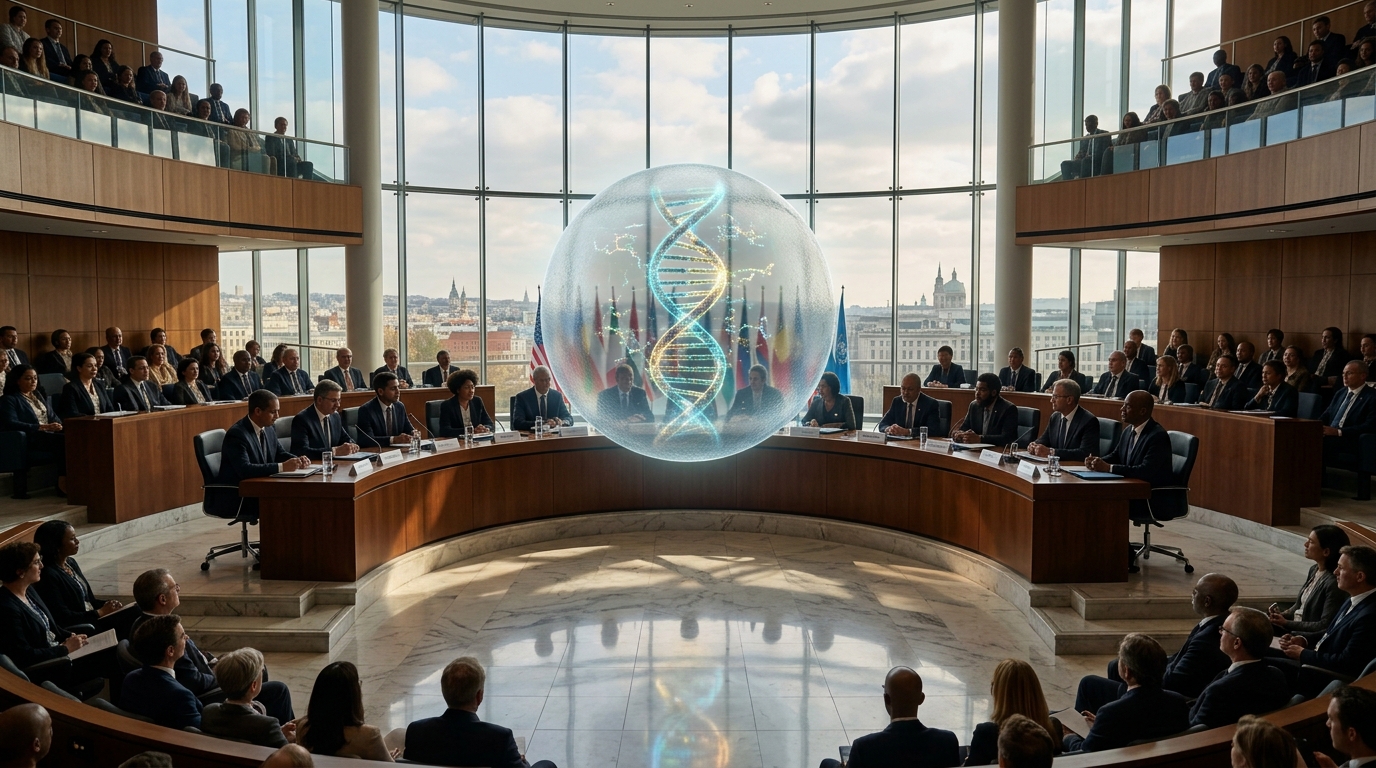
The 2025 international agreement to implement a global ten-year moratorium on germline editing marks a pivotal moment in your journey as a member of the human race. While you have likely seen the incredible success of somatic therapies that treat diseases like sickle cell in living patients, heritable editing introduces a much deeper set of moral challenges. By choosing between moral rules and meaningful results, the global community has acknowledged that we are not yet ready to play the role of biological architects. You are witnessing a collective pause designed to prevent permanent, unintended changes to the human gene pool before the science is fully understood. This decision reflects a profound respect for the complexity of our DNA and the rights of those who have not yet been born.
When you consider the implications of rewriting the human blueprint, you quickly realize that the stakes extend far beyond simple medical fixes. A primary concern driving this moratorium is the fear that genetic editing could transition from curing illness to enhancing physical or cognitive traits, potentially creating a permanent biological divide in society. If you allow these changes to become heritable, you are essentially making choices for thousands of future individuals who cannot consent to their own genetic makeup. The scientific community believes that our current understanding of genomic interactions is too limited to guarantee that a fix in one area won’t cause a catastrophe in another. This global governance framework ensures that we prioritize safety and equity over the rush to experiment with the future of our species.
This decade of restraint offers you and the rest of the world a vital window to establish a shared ethical vocabulary. It is not just about the technical ability to snip and paste code, but about deciding what qualities we value as a society and whether we should ever treat human life as a customizable product. You are living through a period where the boundaries of what it means to be human are being actively defined through international law and philosophical debate. By the time the moratorium expires, the goal is to have a robust system of oversight that prevents eugenic practices while still allowing for life saving innovation. This careful approach positions humanity as a responsible steward of its own evolution rather than a reckless participant in a high stakes biological gamble.
Genetic Enhancement And The New Eugenics
The prospect of designer babies moves you beyond the realm of simple medicine and into a complex world of competitive biological advantage. While you might support editing a gene to prevent a debilitating disease, the conversation shifts when private biotech firms offer to enhance traits like cognitive capacity or physical endurance. These advancements threaten to create a permanent biological divide where equality is no longer a social ideal but a matter of financial access. You have to consider if a world where the wealthy can purchase superior genetic blueprints for their children is a world that still values human rights. This shift from healing to genetic enhancement risks turning the human genome into a luxury consumer product.
As these technologies advance, you may find that our collective biological diversity is being traded for a narrow definition of perfection. When parents are encouraged to select for specific traits, the natural variations that have allowed our species to thrive for millennia could begin to disappear. You are witnessing a new form of eugenics driven by market demand rather than state mandate, which makes it even harder to regulate or resist. This trend challenges your understanding of what it means to be human, as it prioritizes optimized performance over the inherent value of our natural flaws. Protecting the richness of the human gene pool requires you to think deeply about the long term consequences of these irreversible choices.
The rise of private innovation in genetic editing means that the boundaries of our species are now being negotiated in corporate boardrooms. You are living through a pivotal moment where the line between therapy and enhancement is blurring, often with very little public oversight. If you allow genetic traits to become status symbols, you risk hardcoding social inequality into our very DNA. This evolution asks you to decide whether the future of humanity should be dictated by technological capability or by a shared ethical framework. Navigating this environment requires a balance between embracing scientific progress and preserving the fundamental equality of the human experience.
Your Role in Defining Human Boundaries
As you stand at the threshold of this genetic revolution, your role as a global citizen is to help define the boundaries of what it means to be human. You are not just a passive observer of technological progress, but an active participant in a conversation that will echo through future generations. By staying informed about the distinction between life saving somatic therapies and the permanent changes of germline editing, you contribute to a more nuanced public discourse. Your voice helps ensure that we do not trade our shared biological heritage for the sake of short term enhancements or competitive advantages.
Engaging with these complex moral questions requires you to balance a sense of wonder for scientific discovery with a deep commitment to human dignity. You should advocate for a future where genetic tools are governed by wisdom and empathy rather than just market demand or technical capability. This means supporting transparent regulations that protect the vulnerable and prevent the rise of new forms of inequality. By demanding that ethics remain at the center of innovation, you help steer our species toward a future that honors the diversity and unpredictability of life.
The choices made today regarding heritable modifications will permanently alter the trajectory of our species, making your perspective more vital than ever. You have the power to insist that we proceed with caution, ensuring that we do not accidentally silence the very traits that make us uniquely human. Reflecting on these issues is an act of stewardship for the billions of people who have not yet been born. As you navigate this new world, remember that your commitment to ethical integrity is the most powerful tool we have for shaping a just and compassionate future.
Frequently Asked Questions
1. What is the main difference between somatic and germline gene editing?
You can think of somatic editing as a way to treat a specific illness in your own body without affecting your future children. Germline editing is far more complex because it alters the DNA of embryos, meaning those changes are passed down to every generation that follows you.
2. Why is germline editing considered more ethically challenging?
This method involves making permanent biological decisions for future family members who cannot give their consent to the changes. You are essentially rewriting the genetic blueprint for your entire lineage, which raises deep questions about the moral case against procreation and the long term impact on the human gene pool.
3. Is somatic gene editing safe for patients today?
While all medical procedures carry some risk, somatic editing is widely viewed as a sophisticated evolution of modern medicine. You are receiving a targeted treatment for a specific condition, like sickle cell anemia, and the effects are contained entirely within your own body.
4. How does genetic editing impact the concept of human consent?
When you choose somatic therapy, you are making an informed decision for your own health and well being. Germline editing removes this personal choice for your descendants, forcing you to weigh your desire to prevent disease against their right to an unaltered genetic heritage.
5. Could these technologies lead to unintended consequences for the human species?
There is a real concern that making permanent changes to the germline could introduce unforeseen biological errors into the population. You must consider that once these modifications are part of the gene pool, they are nearly impossible to reverse or contain.
6. Where should we draw the line between medical healing and genetic enhancement?
Drawing this line requires you to distinguish between restoring health and fundamentally redesigning human traits. While curing a debilitating disorder is a moral triumph, the move toward elective enhancements creates a divide between therapy and the pursuit of biological perfection.