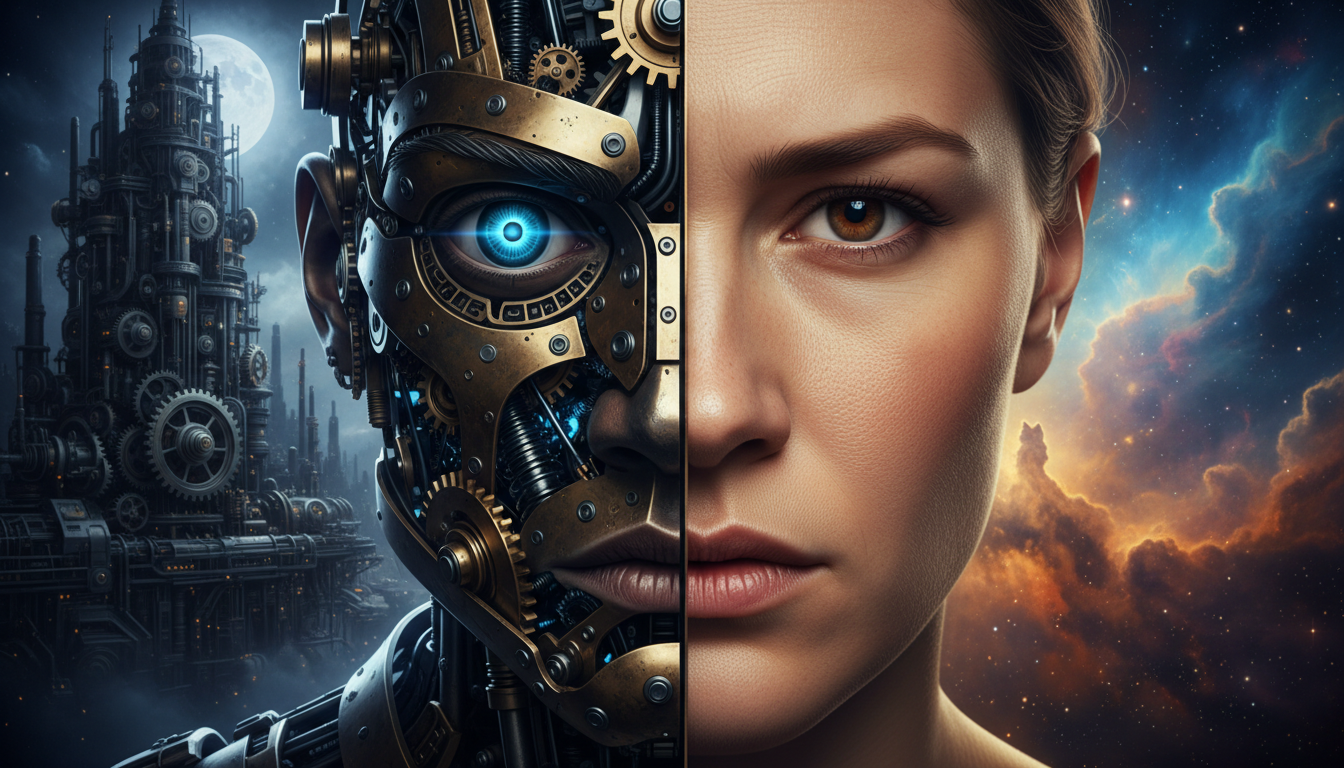

Think about the last time you scrolled through your social media profile or opened a complex AI model. You likely saw a seamless interface, yet beneath the surface lies a complex web of data and metadata. This intersection of technical structure and human experience is known as the ontology of digital objects, a field that questions what it truly means for a file or a profile to “exist.” You are interacting with entities that possess a unique dual nature, functioning simultaneously as raw binary code and as meaningful digital experiences.
Understanding these objects requires you to look past the screen and consider how they are defined by their relationships to other data and users. They aren’t just static files stored on a drive; they are dynamic, relational entities that bridge the gap between physical hardware and mental perception. By exploring these philosophical foundations, you gain a deeper perspective on how the digital architecture you navigate every day shapes your reality and defines the modern world.
Key Takeaways
- Digital objects possess a unique dual nature, existing simultaneously as technical binary code and as meaningful human experiences that bridge the gap between hardware and perception.
- The reality of a digital entity is defined by its relationality, meaning its significance comes from its connections to other data, users, and networks rather than existing in isolation.
- Artificial intelligence functions as a new ontological control layer that dynamically categorizes data and constructs the boundaries of your digital identity in real time.
- Digital assets are fundamentally fluid and dynamic structures that challenge traditional concepts of physical permanence by evolving through metadata and algorithmic interactions.
Beyond Bits And The Dual Nature Of Data
When you look at your social media profile or a digital photo, you are interacting with an entity that lives a double life. On one level, these objects are composed of technical layers of bits and metadata that tell a computer how to behave. Yet, when you engage with them, they transform into something deeply personal and meaningful within your daily experience. This dual nature means that a digital asset is never just a file, but rather a bridge between complex engineering and your own human perception. You are navigating a world where the distinction between a physical thing and a virtual one is becoming increasingly thin.
Philosopher Yuk Hui suggests that you should view these digital entities as being defined by their relationships rather than just their code. Your digital presence exists because of how it connects to other users, data centers, and the platforms you use every day. These objects are not purely physical like a chair, nor are they purely mental like a thought, occupying a unique space in our reality. By understanding this relationality, you can begin to see how software and virtual assets possess a genuine existence that reshapes your sense of what is real. This perspective helps you grasp the metaphysical weight of the digital world you inhabit.
As your life moves further into virtual spaces, recognizing the ontology of these objects becomes essential for navigating the modern age. You are no longer just using tools, but are instead interacting with complex entities that have their own structures and histories. Whether it is an AI model or a simple text document, these objects carry a descriptive layer that gives them a specific place in the digital ecosystem. Embracing this complexity allows you to act as a more informed participant in a world where technology and philosophy are permanently intertwined. You are witnessing a fundamental shift in how we define existence in the twenty first century.
Yuk Hui And The Framework Of Relationality

When you look at your social media profile or a digital asset, you are seeing more than just a collection of pixels on a screen. Philosopher Yuk Hui suggests that these digital objects possess a unique reality that sits comfortably between pure physical matter and abstract thought. You can think of these objects as being composed of two essential layers, which are the raw data of bits and bytes and the metadata that describes them. This dual nature allows a simple file to transform into a meaningful entity that you can interact with, share, and value. By understanding this framework, you begin to see how your virtual presence is just as foundational to your identity as your physical belongings.
The true magic of a digital object lies in its relationality, meaning it does not exist in a vacuum. You might notice that a single photo gains its significance through its connections to your location data, the friends you tag, and the algorithms that categorize it. In Hui’s view, these objects are defined by their place within a vast web of other systems and users rather than standing alone. This interconnectedness means that as you engage with software or virtual assets, you are participating in a living network where meaning is constantly being negotiated. It is this relational structure that gives digital entities their weight and makes them a permanent, real part of your modern experience.
As you navigate this digital world, you are interacting with a new kind of metaphysics that challenges traditional views of what is real. Instead of seeing technology as a mere tool, you can view it as an environment populated by sophisticated objects that evolve based on how they relate to you. This shift in perspective is crucial because it helps you appreciate the technical engineering and the philosophical depth behind every app you open or document you save. By recognizing these digital entities as interconnected nodes, you gain a deeper authority over your virtual life and a clearer understanding of how technology reshapes human existence.
Fluidity And The Architecture Of Virtual Assets
When you look at your social media profile or a saved document, you are interacting with an entity that defies the traditional rules of the physical world. Unlike a chair or a paper book, a digital object is defined by its inherent fluidity and its ability to be edited, replicated, or updated in real time. You might think of these assets as static files, but they are actually dynamic structures composed of both raw data and descriptive metadata. This dual nature means that while you see a recognizable interface, the underlying technical reality is a complex web of bits and bytes. By understanding this architecture, you can begin to see how virtual assets possess a unique metaphysical status that bridges the gap between technical engineering and human experience.
The existence of your digital life depends heavily on relationality, meaning these objects only gain true meaning through their connections to other data points and users. In the virtual realm, nothing exists in total isolation because every profile, AI model, or software package is part of a distributed network. You are navigating an environment where the boundaries of an object are porous and constantly shifting based on how they interact with the broader system. This distributed nature challenges your standard perception of reality, as these assets are neither purely physical nor purely mental. Instead, they represent a new category of existence that shapes your reality by the logic of the code and the context of the digital environment.
As technology continues to reshape your understanding of what is real, recognizing the architecture of these virtual assets becomes essential for navigating the modern world. You are essentially managing a collection of phenomenological entities that feel tangible through your screen but lack the permanence of physical matter. This shift toward a more fluid ontology suggests that our digital footprints are not just ghosts in the machine, but structured realities with their own rules of existence. By viewing your software and online presence through this lens, you gain a deeper appreciation for how technology serves as a foundation for a new kind of social and personal reality. This perspective positions you to better handle the complexities of a life lived increasingly in digital spaces.
AI Models As The New Ontological Control Layer
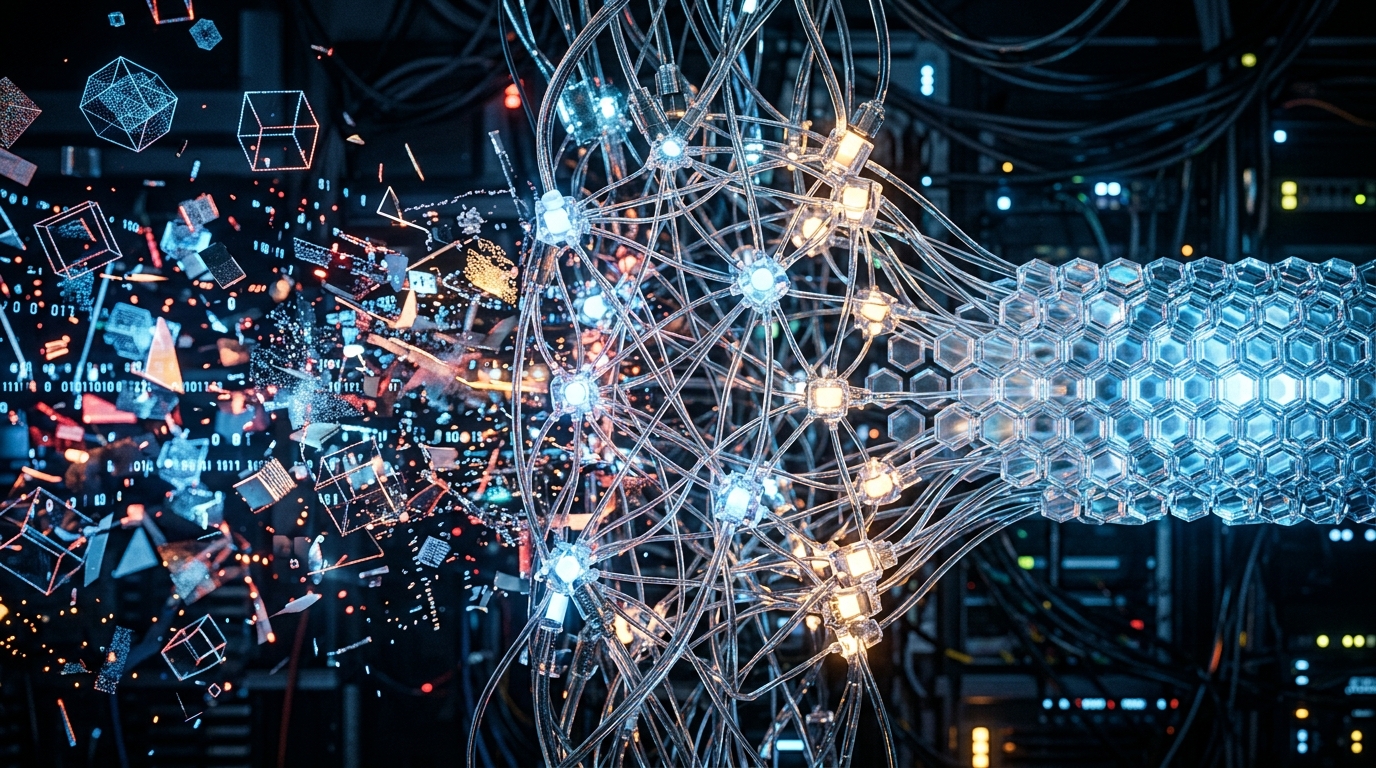
Artificial intelligence has evolved into a sophisticated filter that determines the metaphysical status of everything you do online. While digital objects were once defined by simple metadata tags you could see and edit, AI models now act as a hidden layer of logic that categorizes your data in real time. This means your social media profile or digital assets are no longer just static files, but dynamic entities shaped by how an algorithm perceives their value. You are witnessing a shift where the essence of your digital existence is defined by predictive patterns rather than just raw code. This new ontological control layer decides what is relevant, what is real, and how your virtual identity interacts with the world around you.
Your personal autonomy is directly impacted by how these AI systems structure the relationship between your physical self and your digital shadow. When an AI model classifies your online behavior, it isn’t just organizing data; it is actively constructing the boundaries of your digital persona. This process influences the opportunities you see and the way your virtual assets are valued within the broader ecosystem. You might find that your digital objects possess a life of their own, mediated by a layer of intelligence that you cannot easily influence or audit. Understanding this shift is essential if you want to maintain a sense of agency in a world where software makes the final call on the nature of your existence.
The future of your online identity depends on navigating the moral labyrinth of our hyper-connected digital lives at the intersection of technical engineering and philosophical inquiry. As AI models become the primary architects of digital reality, the distinction between a person and their data profile becomes increasingly blurred. You must consider how much of your self is being translated into these algorithmic categories and what is lost in that translation. By recognizing AI as a foundational layer of digital existence, you can better grasp the power dynamics at play in your daily interactions. This awareness allows you to approach the digital world not just as a user, but as a conscious participant in a new metaphysical frontier.
Understanding the Dual Nature of Your Digital World
Recognizing the ontology of digital objects allows you to see that your virtual assets and social media profiles are more than just flickering lights on a screen. These entities possess a unique dual nature, existing simultaneously as technical code and as meaningful parts of your daily identity. By understanding this metaphysical structure, you gain a clearer perspective on how software and data files carry real weight in the physical world. This knowledge empowers you to treat your digital footprint with the same intentionality you apply to your tangible belongings. You are no longer just a passive user of technology, but a conscious participant in a hybrid reality where the virtual and the real are inextricably linked.
Navigating this blurred environment requires a shift in how you categorize the world around you. When you view digital objects through the lens of metadata and relationality, you begin to understand why an AI model or a digital legacy feels so substantial. These objects do not exist in a vacuum, as they derive their significance from their connections to other users and systems. Embracing this philosophical framework helps you protect your digital presence and value your virtual interactions as authentic experiences. As technology continues to reshape your understanding of existence, staying informed about managing digital objects and their metadata ensures you remain an expert guide for your own digital journey.
Frequently Asked Questions
1. What exactly does the ontology of digital objects mean for you?
It is the study of how digital things, like a social media profile or an image, actually exist and function in your world. You learn to see these items as more than just files, recognizing them as a blend of technical data and meaningful human experiences.
2. How do digital objects have a dual nature?
Every digital object you interact with lives two lives simultaneously. It exists as cold binary code that a computer processes, while also appearing to you as a personal memory or a vital tool that shapes your daily reality.
3. Why is metadata so important to a digital object’s existence?
Metadata acts as the connective tissue that gives raw data its structure and purpose. Without these technical layers, your files would be unrecognizable bits of code rather than organized, searchable, and functional entities you can use.
4. What role do relationships play in the digital world?
Digital objects are defined by their connections to other users, data centers, and platforms rather than just their internal code. Your digital presence is a dynamic entity that only gains its full meaning through these constant interactions and relational networks.
5. Can a digital object be considered as real as a physical one?
As the boundary between the virtual and physical worlds thins, digital objects become increasingly real through their impact on your life. They bridge the gap between hardware and mental perception, influencing how you navigate and define the modern world.
6. How does understanding this philosophy change your digital experience?
Gaining this perspective allows you to look past the screen and understand the complex architecture you navigate every day. You move from being a passive user to an informed participant who recognizes the deep intersection of engineering and human perception.