
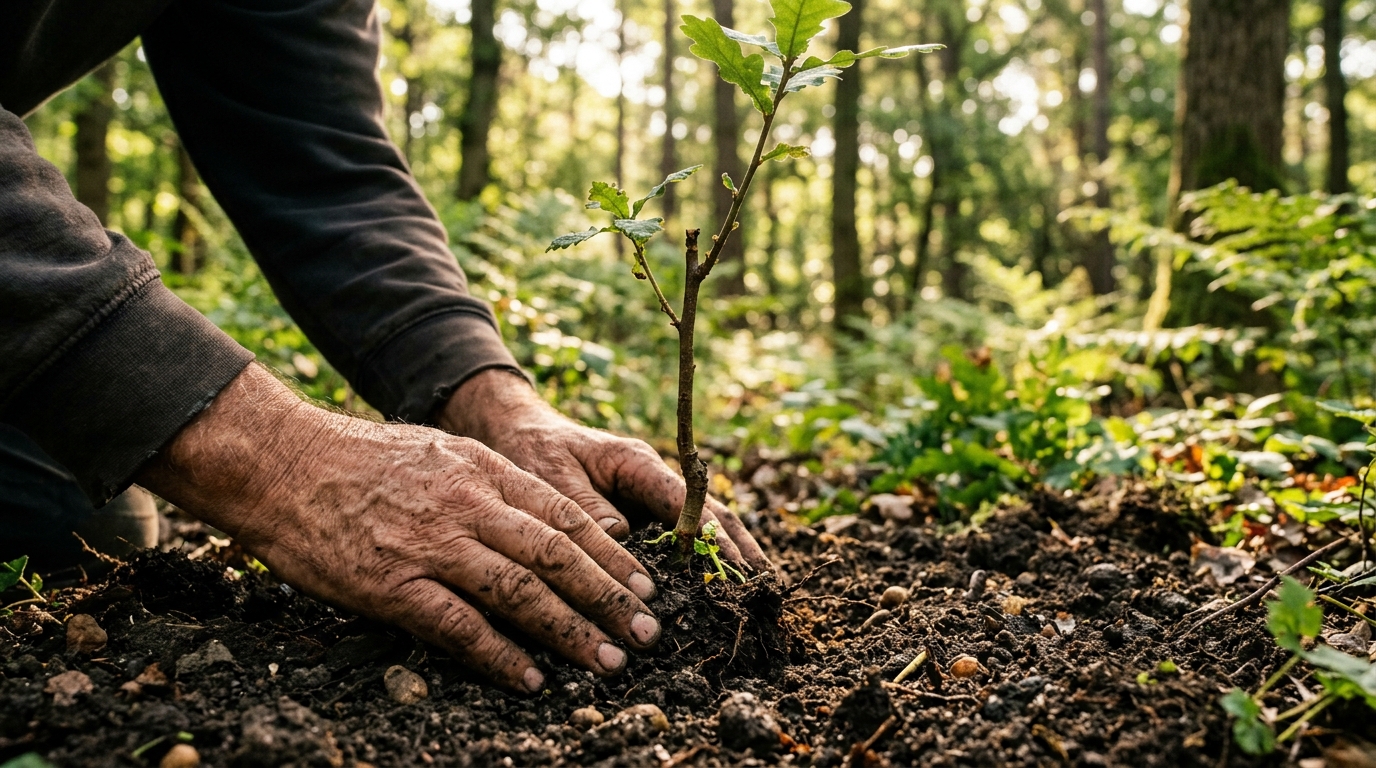
When you think about the climate crisis, you might find yourself stuck in a loop of rigid rules or overwhelming statistics about global consequences. But what if the secret to a sustainable future isn’t just about what you do, but who you are? By exploring environmental virtue ethics, you can shift the focus from external mandates to your own internal character, asking how your personal values and habits shape your relationship with the living world.
Living well requires more than just recycling; it demands a deeper sense of flourishing that is tied directly to the health of our planet. When you cultivate dispositions like humility, gratitude, and temperance toward nature, you begin to see environmental protection as an act of integrity rather than a chore. This approach transforms global challenges into a personal journey of growth, helping you become the kind of person whose very presence contributes to the healing of the Earth.
Key Takeaways
- Shift your focus from external mandates and rigid rules to environmental virtue ethics, where personal character and internal values drive your relationship with the natural world.
- Cultivate core virtues such as humility, temperance, and gratitude to transform sustainable living from a series of chores into a natural expression of your identity.
- Recognize that personal flourishing is intimately tied to the health of the planet, requiring a sense of ecological excellence where you see yourself as a member of a biotic community rather than its master.
- Study environmental exemplars and practice deep attentiveness to your local landscape to move beyond abstract theory and embody a lived experience of ecological integrity.
Beyond Rules And Outcomes To Ecological Excellence
When you approach sustainability through the lens of environmental virtue ethics, you move away from a rigid list of chores and toward a deeper transformation of your character. Instead of simply asking what the rules are or what the immediate impact of a single action might be, you begin to ask what kind of person you are becoming through your relationship with the earth. This perspective suggests that your personal flourishing is intimately tied to the health of the natural world, meaning that living well requires a deeper sense of flourishing. By cultivating specific traits like temperance and gratitude, you stop viewing nature as a mere resource to be managed and start seeing it as a community to which you belong.
Adopting this mindset means practicing virtues like humility and prudence in your daily choices, which naturally leads to more sustainable patterns of living. When you develop the habit of temperance, for example, you find that you no longer need to rely on external laws to limit your consumption because your internal character has shifted toward moderation. You might find inspiration in the lives of environmental exemplars who have historically modeled a life of deep respect for the land. These individuals show you that being a good person and being an ecological steward are essentially the same goal. Ultimately, this approach empowers you to act out of a genuine love for the world rather than a fear of breaking rules.
As you integrate these virtues into your life, you will notice that your environmental actions become more consistent and meaningful because they spring from your core identity. This ground up approach to ethics encourages you to develop new ways of thinking, such as ecological sensitivity, which helps you perceive the needs of the environment more clearly. You are not just checking boxes on a green living list, but rather you are refining your soul to be in harmony with the biological systems that support you. This journey toward ecological excellence transforms every mundane decision into an opportunity for moral growth and environmental preservation. By focusing on who you are, you ensure that your positive impact on the planet is both authentic and lasting.
Core Virtues Of Humility Temperance And Gratitude
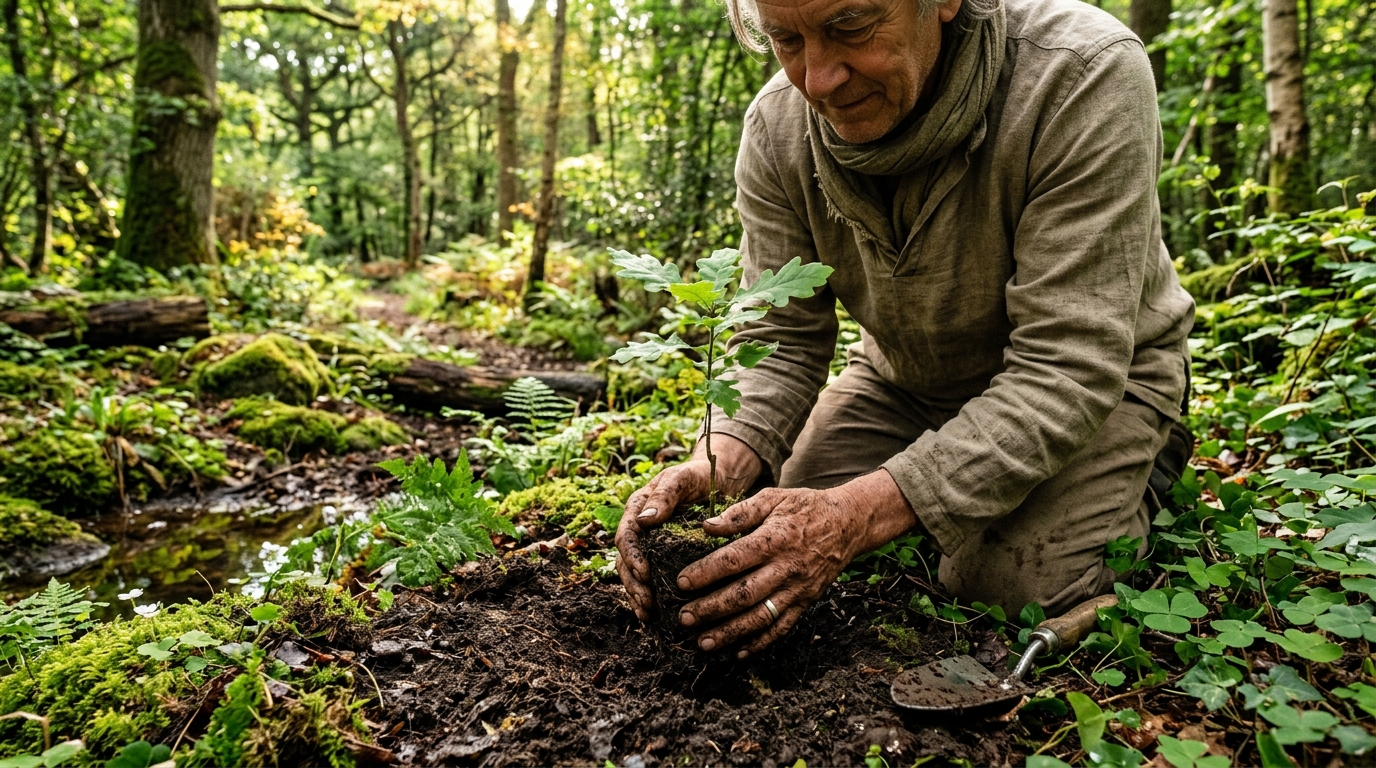
Practicing ecological humility begins with the realization that humans are not the masters of the universe, but rather one small part of a vast and complex biological community. When you embrace this perspective, you shift away from an ego-driven desire to dominate nature and move toward a position of deep respect for the intrinsic value of all living things. This virtue allows you to recognize your own limitations and the potential impact of your actions on ecosystems you may not fully understand. By cultivating a sense of wonder and modest self-assessment, you become more mindful of how your lifestyle choices ripple through the natural world. This shift in character helps you move beyond mere rule-following into a more authentic, sustainable way of being.
Temperance and gratitude serve as the practical tools that translate your respect for the earth into daily habits of conservation. Mindful temperance involves more than just cutting back on consumption, as it is a conscious decision to find fulfillment in what is sufficient rather than constantly seeking more. When you pair this self-restraint with a genuine sense of humility, gratitude, and respect, you begin to see the resources you use as gifts from the planet rather than shared resources to be exploited. This appreciative mindset naturally reduces waste and encourages you to cherish the delicate balance of the environment. Ultimately, these virtues allow you to flourish personally while ensuring that the natural world remains vibrant for future generations.
Learning From Environmental Exemplars And Place
Following the lead of environmental exemplars like Aldo Leopold and Rachel Carson allows you to move beyond abstract rules and toward a lived experience of character. These figures did not just advocate for policy changes, but they also demonstrated specific virtues like humility and temperance in their daily interactions with the land. By studying Leopold’s land ethic, you can learn to see yourself as a member of a biotic community rather than its master. This shift in perspective helps you cultivate a moral duty toward nature that prioritizes the health of the ecosystem over short term personal gain. Engaging with their stories provides a practical roadmap for how to embody ecological integrity in your own life.
Developing these virtues requires you to pay close attention to your local environment and the unique needs of the place you call home. When you practice the attentiveness modeled by Carson, you begin to notice the subtle rhythms of the seasons and the delicate balance of local wildlife. This deep observation fosters a sense of gratitude and a desire to protect the natural beauty that surrounds you. As you refine your character through these habits, you will find that sustainable living becomes a natural expression of who you are. Your relationship with the earth transforms from a series of chores into a meaningful path toward personal flourishing and ecological preservation.
Integrating Environmental Virtue Into Your Modern Lifestyle

Integrating environmental virtue into your daily life begins with a shift from following rigid rules to cultivating a character that naturally respects the Earth. When you adopt a ground up approach to virtue theory, you focus on developing specific traits like temperance and humility in your relationship with nature. Rather than feeling burdened by a list of things you cannot do, you begin to see sustainable living as an expression of who you are. This transformation allows you to find joy in simplicity and moderation because these actions align with your internal character and personal identity. By focusing on your internal dispositions, you create a foundation for lasting change that transcends temporary trends or external pressures.
Practicing temperance in a modern consumer culture means you intentionally choose enough over more to protect ecological integrity. You might find that this restraint leads to a deeper sense of gratitude for the resources you use every day. Humility plays an equally vital role by reminding you that humans are members of a larger biotic community rather than its masters. When you approach the natural world with this mindset, your habits regarding waste, energy, and consumption evolve into meaningful moral choices. These small, consistent actions reflect a commitment to flourishing alongside the environment rather than at its expense.
Building these habits requires you to view your daily routine as a training ground for ecological excellence. You can start by identifying environmental exemplars, such as influential conservationists or even neighbors, whose respectful relationship with nature inspires your own. As you emulate their virtues, you strengthen your own capacity to act with justice and prudence toward the planet. Over time, these practiced behaviors become second nature, turning your lifestyle into a living testament to your values. This journey toward environmental virtue ensures that your personal growth contributes directly to the healing and preservation of the world around you.
Cultivating a Lasting Connection Through Character
Ultimately, internalizing environmental virtues moves you past the realm of following strict rules or chasing fleeting eco-friendly trends. When you cultivate traits like humility and temperance, your care for the planet becomes a natural expression of who you are rather than a chore. You begin to see that your personal flourishing is deeply connected to the health of the ecosystems that sustain us all. This internal shift ensures that your commitment to nature remains steady, even when external pressures or social fashions change. By focusing on your character, you build a moral foundation that makes virtue ethics today a permanent part of your identity.
Adopting this mindset allows you to approach ecological challenges with a sense of gratitude and justice that goes beyond mere habit. You learn to value the natural world for its own sake, practicing a form of restraint that feels like a gain rather than a sacrifice. This character based approach helps you navigate complex choices with clarity because your actions are guided by a genuine desire to be a good neighbor to the earth. Instead of relying on outside validation, you find a deep sense of purpose in living authentically. This lasting commitment creates a ripple effect, inspiring others to reflect on their own relationship with the environment. By valuing all living things, you contribute to a global shift toward a more compassionate and sustainable future.
Frequently Asked Questions
1. What exactly is environmental virtue ethics?
Environmental virtue ethics is a branch of philosophy that focuses on your internal character rather than external rules or consequences. It asks you to consider what kind of person you are becoming through your relationship with the natural world and how your habits reflect your values.
2. How does this approach differ from traditional sustainability?
Traditional sustainability often feels like a checklist of chores or rigid mandates you must follow to avoid negative outcomes. Environmental virtue ethics transforms these actions into a personal journey of growth, making ecological protection an act of integrity and personal flourishing.
3. What are some examples of environmental virtues?
Key virtues include humility, gratitude, and temperance toward nature. When you cultivate these traits, you naturally begin to see yourself as part of an ecological community rather than a consumer of a resource, leading to more mindful daily choices.
4. Can focusing on my character really make a difference for the planet?
Yes, because your internal dispositions drive consistent, long term behavior patterns that go beyond mere compliance with rules. By becoming the kind of person who values ecological excellence, your very presence begins to contribute to the healing of the Earth in every decision you make.
5. Does this philosophy mean I don’t have to worry about rules or statistics?
While rules and data are important tools, they are often not enough to inspire lasting change on their own. This approach complements those metrics by providing you with the moral foundation and personal motivation needed to sustain those efforts over a lifetime.
6. How can I start practicing environmental virtue ethics today?
You can start by reflecting on your daily habits and asking if they align with virtues like prudence or temperance. Focus on developing a deeper sense of gratitude for the natural world, which will naturally shift your lifestyle toward more sustainable and fulfilling patterns.