
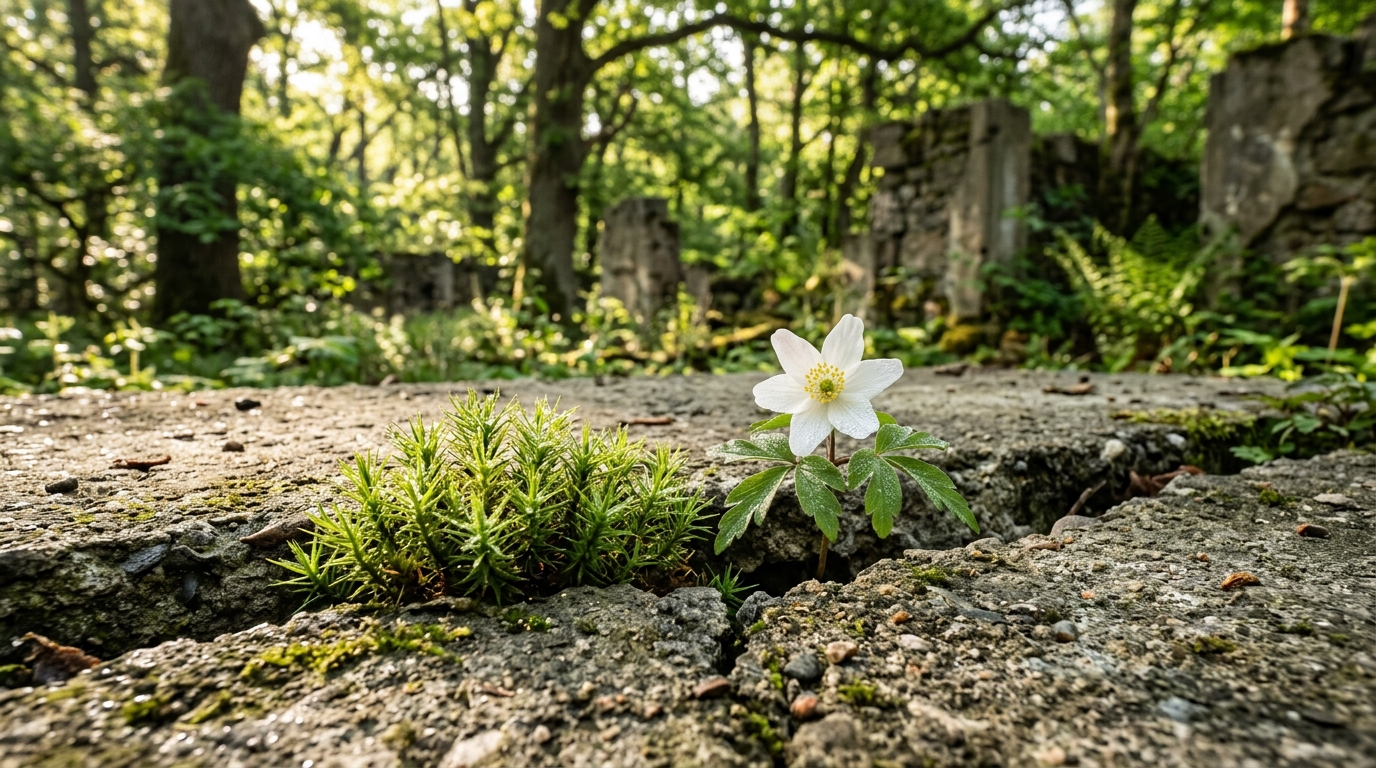
Imagine looking at a pristine forest and seeing either a warehouse of timber or a community of living beings with their own right to exist. This fundamental shift in perspective defines the debate of biocentrism vs anthropocentrism, an ethical crossroads that determines how you value the world around you. While you may have been raised in a society that views nature as a resource for human progress, a growing global movement suggests that every organism holds intrinsic value far beyond its utility to us.
Deciding where you stand on this spectrum isn’t just an academic exercise; it’s a choice that reshapes our legal systems and our planet’s future. As you explore these frameworks, you’ll discover how shifting from a human-centered property model to a life-centered rights model is currently fueling a revolution in environmental law. By understanding the depth of these philosophies, you gain the tools to understand a world where nature is no longer just a backdrop for human activity, but a legal person with its own seat at the table.
Key Takeaways
- The core conflict in environmental ethics lies between anthropocentrism, which values nature solely for human utility, and biocentrism, which recognizes the intrinsic right of all living organisms to exist.
- A global legal revolution is shifting the status of ecosystems from mere property to ‘legal persons,’ allowing forests and rivers to be represented in court to protect their own interests.
- Transitioning from a mindset of human dominance to one of earth guardianship is essential for moving beyond resource exploitation toward a sustainable model of stewardship.
- Integrating both human needs and biocentric values allows for the creation of resilient environmental policies that protect the planet for its own sake rather than just for human consumption.
Breaking Down Anthropocentrism And Human Utility
For centuries, the dominant worldview has been anthropocentrism, which places you and the rest of humanity at the absolute center of the moral universe. Under this framework, the natural world is viewed primarily through the lens of human utility, meaning its value is measured by how well it serves our needs. You can see this reflected in our historical drive for industrial progress, where forests are seen as timber and rivers are valued as power sources or waste disposal systems. This mindset suggests that nature does not possess value on its own, but rather gains importance only when it contributes to human survival, comfort, or economic growth.
When you look at modern legal and economic structures, you will find this human-centered philosophy deeply embedded in their foundations. Our current laws generally treat the environment as property, a collection of assets that you or a corporation can own and exploit for profit. This system prioritizes short-term human gain because it assumes that the primary purpose of the Earth is to act as a warehouse of resources for our species. Because nature lacks its own legal standing in this traditional view, any protection it receives is usually a byproduct of trying to prevent harm to people rather than a desire to protect the ecosystem itself.
Transitioning away from this perspective requires you to reconsider the very definition of value and how it applies to the world around you. While anthropocentrism has fueled remarkable technological advancements, it has also created a disconnect between human society and the biological systems that sustain us. By recognizing that this mindset is a choice rather than a universal truth, you can begin to explore more inclusive environmental ethics principles. This shift is essential for understanding the growing movement toward biocentrism, which challenges the idea that nature is merely a tool for our convenience and instead argues for its inherent right to exist.
Exploring Biocentrism And The Intrinsic Value Of Life
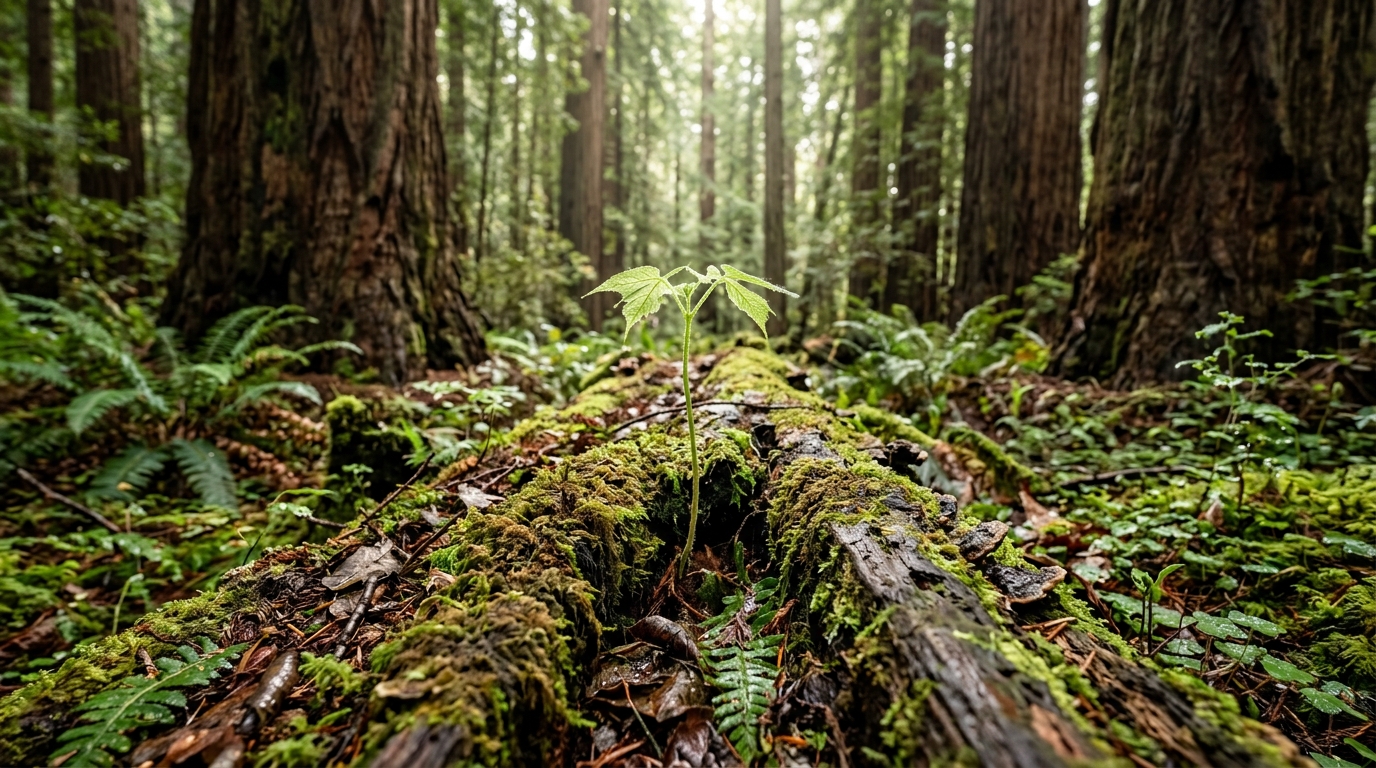
The fundamental tension between biocentrism and anthropocentrism lies in how you define the value of the world around you. For centuries, the anthropocentric view has placed humans at the absolute center of the moral universe, treating forests, oceans, and wildlife as mere resources for our progress and comfort. Under this framework, you might protect a river only because it provides clean drinking water or supports a local economy. This perspective views nature as a collection of property and tools rather than a community of living entities with their own purposes. When you shift toward a biocentric mindset, however, you begin to recognize that every living organism possesses intrinsic value that exists entirely independent of human needs.
By adopting a biocentric perspective, you acknowledge that a species has a right to exist even if it offers no direct benefit to humanity. This philosophical transition moves your moral responsibility from an indirect concern for people to a direct concern for the ecosystem itself. You start to see the natural world not as a warehouse of commodities, but as a complex web of life where every strand holds equal importance. This shift is currently fueling a global legal revolution where ecosystems are being granted legal personhood, allowing nature to be represented in court just like a human or a corporation. Embracing these ideas allows you to advocate for a more sustainable future where the health of the planet is prioritized for its own sake.
Global Legal Revolutions And The Rights Of Nature
The shift from anthropocentrism to biocentrism marks a profound change in how you perceive your relationship with the world. For centuries, our legal systems have been built on an anthropocentric foundation, viewing nature strictly as a resource or property meant to serve human progress. This perspective suggests that the environment only has value if it provides us with food, energy, or recreation. However, biocentrism challenges this by arguing that every living thing possesses intrinsic value, regardless of how useful it is to people. When you adopt a biocentric lens, you begin to see that a river or a forest has a right to exist and flourish simply because it is alive.
You can see this philosophical shift coming to life through groundbreaking legal precedents in countries like Ecuador and India. Ecuador became a global leader by enshrining the Rights of Nature in its constitution, moving beyond the idea that the Earth is a mere commodity. In India, courts have granted legal personhood to the Ganges and Yamuna rivers, treating them as living entities with their own sets of rights. These actions mean that if an ecosystem is harmed, it can be represented in court just like a person would be. This transition from philosophy to policy ensures that our environmental law frameworks protect the planet for its own sake rather than just for human consumption.
As you explore these global legal revolutions, it becomes clear that we are entering a new era of environmental ethics. Moving toward a biocentric model requires you to rethink what it means to be a guardian of the planet. Instead of just managing resources to avoid human hardship, these laws invite you to recognize the legal standing of the natural world. This movement is not just about conservation, but about fundamentally redefining the moral center of our society. By granting legal rights to the environment, we are acknowledging that our survival is deeply intertwined with the health of ecosystems that deserve protection in their own right.
Bridging The Gap For A Sustainable Future
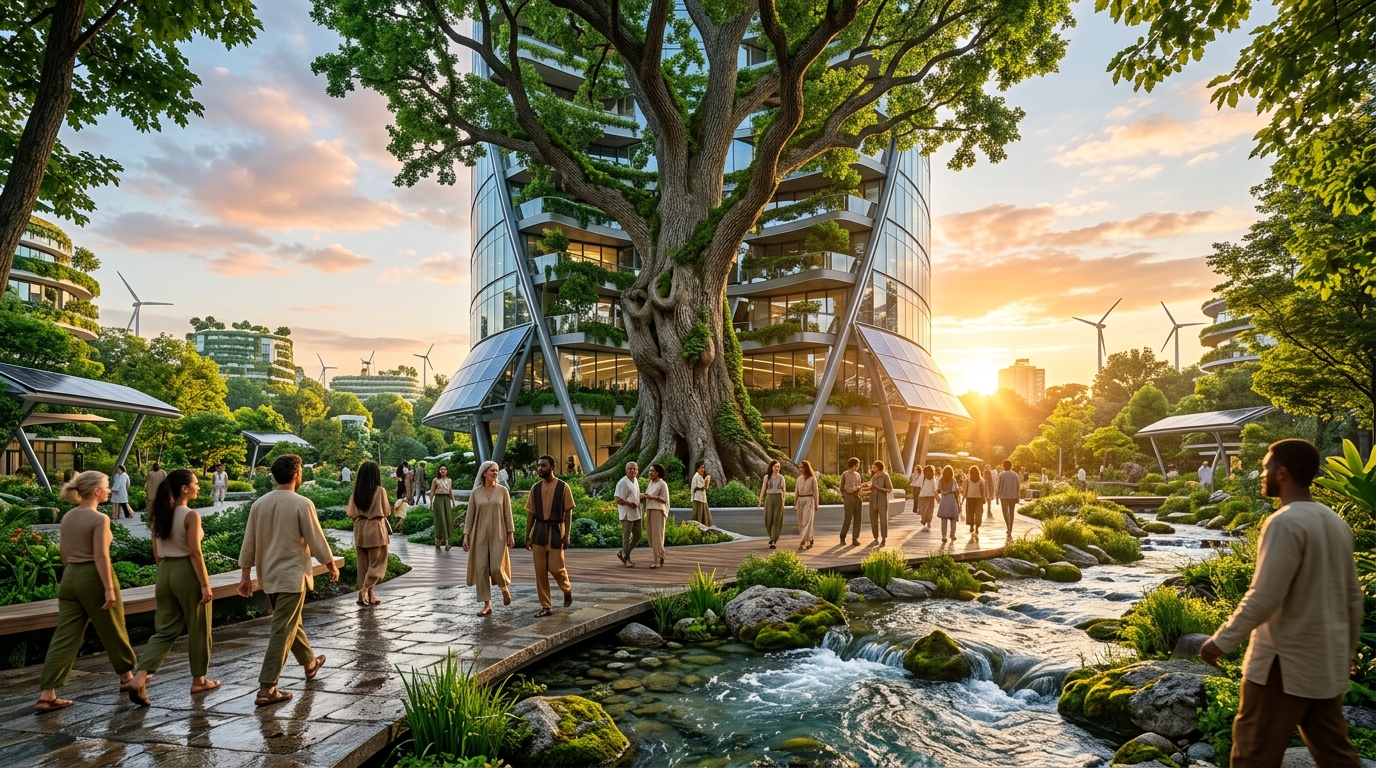
Finding a balance between these two philosophies is the key to creating environmental policies that actually work in the real world. You can think of anthropocentrism as the practical foundation for human survival, ensuring that we manage resources like water and timber to sustain our communities. However, when you integrate biocentric values, you begin to recognize that a river or a forest has a right to exist and thrive regardless of its economic output. This shift in perspective moves us away from viewing the planet as a mere warehouse of goods and toward seeing it as a living system that deserves our respect. By blending these views, you can support laws that protect the climate both for future generations of people and for the inherent worth of the ecosystems themselves.
Adopting this dual perspective changes your personal relationship with the earth from one of ownership to one of stewardship. You start to see that protecting a local wetland is not just about preventing floods in your neighborhood, but about honoring the complex life forms that call that area home. This approach allows you to engage with the Rights of Nature movement, which seeks to grant legal personhood to ecosystems to ensure they have a voice in our courtrooms. When you advocate for the intrinsic value of the environment, you are helping to build a legal and ethical framework that is much more resilient. Ultimately, bridging the gap between human needs and the rights of all living things provides a more holistic path toward a truly sustainable and ethical future.
From Human Dominance to Earth Guardianship
Choosing to embrace a biocentric worldview allows you to see the world through a lens of interconnectedness rather than one of dominance. When you recognize that every living organism possesses intrinsic value, you shift from being a consumer of nature to a guardian of life. This perspective empowers you to advocate for the environment not just because it serves human interests, but because ecosystems have a fundamental right to exist and flourish. By shedding the limitations of anthropocentrism, you gain a more profound sense of purpose in your daily choices and community activism. This mindset shift is the first step toward building a society that respects the delicate balance of our planet.
Adopting this life-centered ethics framework provides you with a powerful toolkit for meaningful social change. You can more effectively support the growing movement for the Rights of Nature, which seeks to grant legal personhood to rivers, forests, and entire habitats. This approach transforms your relationship with the natural world into one based on compassion and mutual respect. Instead of viewing a forest as merely a source of timber, you begin to see it as a complex community with its own inherent worth. Your voice becomes a vital part of a global effort to create a more balanced and sustainable future for all living things.
Reflecting on these two philosophies helps you understand that our survival is deeply tied to the health of the entire biosphere. When you advocate for the intrinsic rights of non-human life, you are essentially championing a more holistic form of justice. This transition toward biocentrism ethics encourages you to think critically about how our legal and economic systems can evolve to protect the vulnerable. You have the opportunity to lead by example, showing others that a compassionate relationship with nature is both possible and necessary. By valuing life in all its forms, you contribute to a legacy of environmental stewardship that will benefit countless generations to come. This journey often mirrors the soul of animism, where we rediscover the world as a living conversation between all beings.
Frequently Asked Questions
1. What is the core difference between anthropocentrism and biocentrism?
Anthropocentrism views you and the rest of humanity as the center of the moral universe, valuing nature only for its utility to humans. In contrast, biocentrism recognizes that every living organism possesses intrinsic value and a right to exist regardless of its usefulness to your needs.
2. How does an anthropocentric worldview affect environmental law?
In an anthropocentric system, you will find that the law typically treats the environment as property or a collection of resources to be managed for human benefit. This framework prioritizes human economic growth and industrial progress over the inherent health of ecosystems.
3. What does it mean for nature to have its own ‘seat at the table’?
This concept refers to a shift in legal systems where natural entities, such as rivers or forests, are granted legal personhood. Instead of being viewed as mere backdrops for your activities, these ecosystems gain the right to be represented and protected in court as entities with their own interests.
4. Why is shifting toward a biocentric perspective considered a revolution?
Moving toward biocentrism fundamentally changes how you interact with the planet by replacing a property model with a rights model. This evolution challenges centuries of human-centered tradition and forces a redesign of our legal and economic structures to prioritize the survival of all life forms. This progress mirrors the evolution of animal rights where society is shifting from basic welfare to recognizing non-human entities as legal individuals.
5. Can a person balance both anthropocentric and biocentric values?
While these philosophies are often presented as opposites, you can navigate the spectrum by recognizing human needs while still honoring the intrinsic rights of other species. Understanding both frameworks allows you to make more ethical decisions that support human progress without destroying the biological communities that sustain us.
6. How does viewing nature as a ‘resource’ impact the planet’s future?
When you view nature strictly as a warehouse of timber or a source of power, you risk overexploiting the environment to the point of collapse. Shifting away from this utility-based mindset is essential for creating a sustainable future where the planet is respected as a living community rather than a commodity.