

Imagine you’ve discovered a secret at work that could harm the public, but speaking up means risking the career you’ve spent years building. You are suddenly caught in the crosshairs of the ethics of whistleblowing, a high-stakes tug-of-war between your professional loyalty and your personal conscience. This dilemma is more complex than ever as emerging technologies and new legal protections change the rules of truth-telling.
Deciding to become a whistleblower isn’t just a legal choice; it’s a profound test of your moral character and your view of the greater good. Whether you’re weighing the duty you owe your employer against the harm of silence or finding the courage to stand by your values, these decisions shape the integrity of our society. You deserve a clear framework to navigate these murky waters where personal risk meets public interest.
Key Takeaways
- Whistleblowing is a profound test of virtue ethics where personal integrity and the duty to protect the public good must outweigh professional loyalty to a specific organization.
- Modern reporting systems and AI-driven compliance tools have shifted whistleblowing from a moral gamble to a strategic action by providing higher substantiation rates and quantifiable data on systemic risks.
- The ethical obligation to report misconduct is a deontological duty that transcends private contracts, asserting that certain actions are inherently right regardless of professional consequences.
- Evolving legal frameworks and robust safety nets are increasingly shielding individuals from retaliation, making it possible to uphold political and corporate accountability without sacrificing a career.
Balancing Loyalty And The Public Good
When you sign an employment contract, you are often entering into a legal and moral agreement to act in the best interest of your organization. This duty of professional loyalty is a cornerstone of professional life, as it fosters the trust and confidentiality necessary for any business to thrive. However, you may eventually find yourself in a position where the actions of your employer directly conflict with the safety or well-being of the community. In these moments, your internal compass must weigh the private obligation of your paycheck against the broader ethical duty you owe to the public. Navigating this tension requires you to determine whether staying silent makes you an accomplice to systemic harm or a loyal team player.
Choosing to speak out against corruption or safety violations is an act of profound moral courage that often aligns with the principles of virtue ethics. You are essentially deciding that your integrity and the protection of the public good carry more weight than a standard non disclosure agreement. Modern professional ethics suggest that your primary duty is not to a specific manager or board, but to the legal and ethical standards that keep society functioning. By exposing fraud or environmental risks, you are prioritizing the collective welfare over the short term reputation of a single entity. This shift in perspective helps you see whistleblowing not as a betrayal of your colleagues, but as a necessary defense of shared human values.
The stakes of this balance have grown even higher with the integration of complex technologies like artificial intelligence. You might witness algorithmic biases or data privacy breaches that could impact millions of people if left unchecked. While internal reporting systems are more robust than ever, the decision to go public remains a heavy burden that involves calculating the potential for retaliation against the necessity of reform. Understanding these frameworks allows you to approach the situation with intellectual rigor, ensuring your choice is based on a clear assessment of consequences. Ultimately, you are the final arbiter of how to reconcile your professional role with your identity as a responsible citizen.
Virtue Ethics And The Professional Integrity
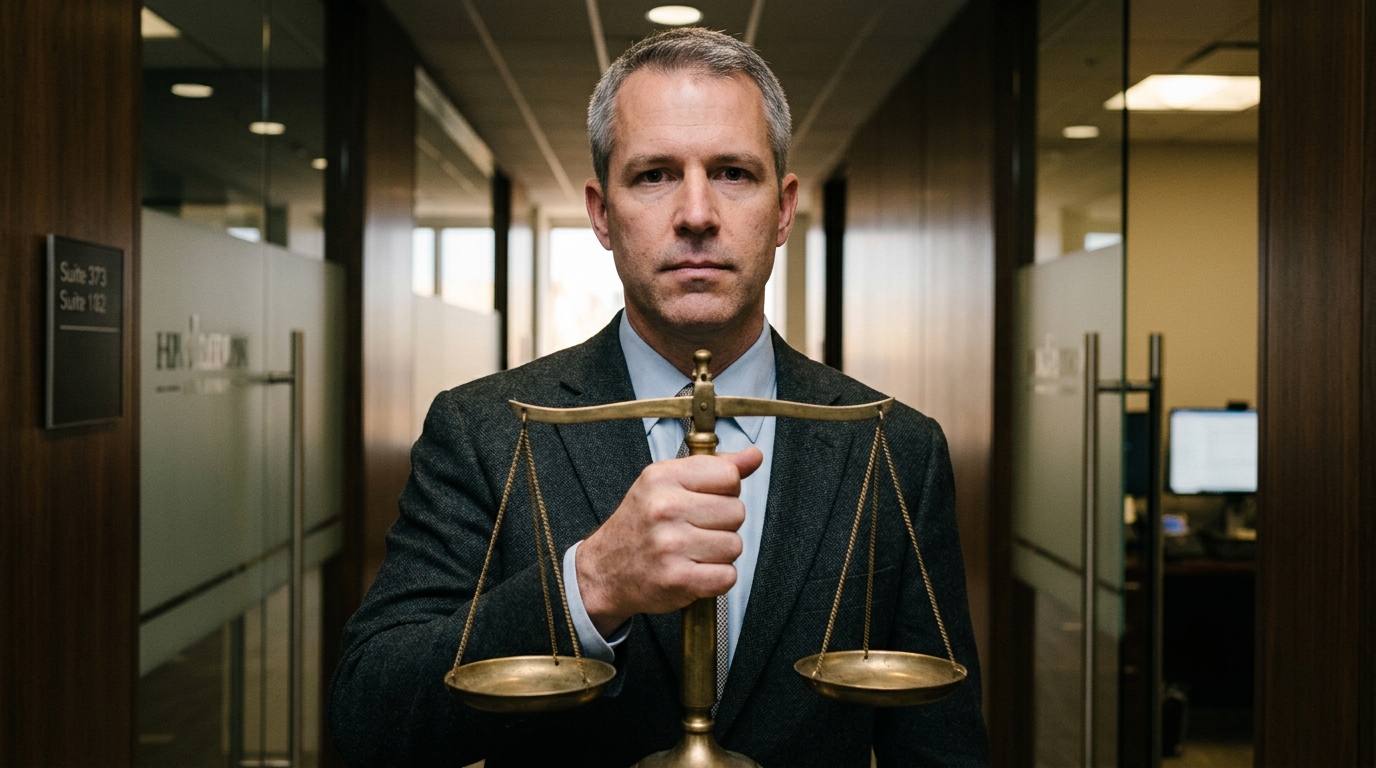
When you consider the choice to speak up against wrongdoing, you are engaging in a profound exercise of virtue ethics that goes far beyond simple rule-following. This framework suggests that your actions are a direct reflection of your character and the type of person you strive to be within your professional community. Instead of merely weighing the pros and cons, you are asking yourself what a person of integrity would do when faced with a conflict between organizational loyalty and the public good. It takes immense moral courage to prioritize transparency over the comfort of silence, especially when your career may be at stake. By focusing on these internal values, you transform the act of whistleblowing from a legal obligation into a testament of your personal commitment to justice.
Building a robust speak-up culture depends on individuals like you who refuse to let their ethical standards be compromised by corporate pressure. In a complex professional environment, the tension between protecting your employer and preventing public harm requires a steady moral compass. You might find that your sense of duty to the community outweighs the traditional expectation of absolute secrecy, particularly when safety or financial honesty is involved. When you choose to report misconduct, you are essentially asserting that professional excellence cannot exist without a foundation of honesty. This alignment of your personal values with your professional conduct is what defines true integrity in the modern workplace.
Navigating the fear of retaliation is perhaps the most difficult part of maintaining your ethical standing in a high-stakes environment. You are often forced to choose between the security of your current role and the long-term benefit of society at large. While legal protections are evolving to offer better support, the initial decision to act still rests on your shoulders and your dedication to the truth. By viewing whistleblowing through the lens of virtue ethics, you recognize that your reputation is built on the consistency of your moral choices rather than just your job title. Ultimately, your willingness to stand firm in your convictions helps foster a more accountable and transparent world for everyone.
Utilitarian Outcomes Of Modern Reporting Systems
When you weigh the decision to report organizational misconduct, you are essentially performing a real-time utilitarian calculus to determine which action creates the greatest benefit for the most people. This process is no longer based on guesswork because modern reporting systems provide concrete data on substantiation rates that help you predict the likelihood of a successful outcome. By looking at current compliance trends, you can see that internal reports are being validated at record-high levels, which suggests that stepping forward is increasingly likely to result in actual corrective change. This shift transforms a terrifying moral gamble into a strategic move for the public good, allowing you to prioritize societal safety over a misplaced sense of company silence.
AI-driven compliance tools now play a pivotal role in this ethical equation by stripping away the ambiguity that once surrounded corporate whistleblowing. These sophisticated systems analyze vast sets of reporting data to identify patterns of systemic fraud or safety risks, giving you a clearer picture of the potential harm caused by remaining silent. When you understand that modern oversight can quantify the positive impact of your disclosure, the duty to protect the public interest often outweighs the personal risk of retaliation. You are no longer just a lone voice, but a vital data point in a larger mechanism designed to uphold political and professional accountability across the globe.
Navigating the tension between professional loyalty and moral obligation requires you to consider how your specific information fits into these advanced reporting frameworks. High substantiation rates mean that your evidence is more likely to be taken seriously by regulators and internal investigators than in previous decades. This technological and legal evolution provides a stronger safety net, making it easier for you to justify the breach of organizational loyalty in favor of preventing widespread financial or physical harm. Ultimately, these modern systems empower you to act with greater courage, ensuring that your choice to speak up serves as a catalyst for a more ethical and transparent society.
Legal Protections And Deontological Duty

When you consider your role within an organization, you likely feel a strong sense of loyalty to your colleagues and the company mission. However, your professional ethics involve a deeper deontological duty that transcends simple corporate allegiance. This philosophical approach suggests that certain actions are inherently right or wrong regardless of the consequences, placing your obligation to the law and public safety above any private contract. This means recognizing that your duty to report misconduct is not just a personal choice but a fundamental requirement of being a responsible actor in a functioning society.
Modern legal frameworks have evolved significantly to support this moral stance, providing you with more robust legal protections than ever before. Recent updates to whistleblower laws focus on shielding you from retaliation while ensuring that your disclosures lead to meaningful political and corporate accountability. These regulations acknowledge that the courage to speak up should not result in professional ruin or personal hardship. By strengthening these safety nets, the law empowers you to act on your integrity, ensuring that the public good remains protected from financial fraud or safety violations.
Navigating the tension between being a team player and being a whistleblower requires a clear understanding of your rights and the greater impact of your silence. You are no longer forced to choose between your career and your conscience, as current legal standards are designed to bridge that gap. Whether you are dealing with concerns regarding artificial intelligence ethics or traditional financial transparency, these protections serve as a vital tool for professional integrity. Embracing your role as a guardian of the public interest allows you to uphold the highest standards of your profession while contributing to a more transparent and ethical world.
Upholding Integrity Through the Greater Good
Navigating the tension between organizational loyalty and the public good requires a deep commitment to personal integrity and professional accountability. As you reflect on the shift toward stronger legal protections and modern reporting systems, it becomes clear that whistleblowing is no longer just a solitary act of defiance. It has evolved into a vital mechanism for maintaining the ethical health of our institutions and protecting the collective interest. By prioritizing the greater good over silence, you contribute to a culture where transparency is valued and systemic harm is actively prevented. This evolution in professional ethics ensures that doing the right thing is increasingly supported by both social norms and robust legal frameworks.
When you face the difficult choice of reporting wrongdoing, you can find clarity by weighing your conflicting duties through the lenses of virtue and duty. Consider if the potential harm to the public outweighs the expectation of company confidentiality, and evaluate whether your actions align with your core values. A principled roadmap involves documenting evidence clearly, exploring internal reporting channels first when safe, and understanding the specific protections available to you in your jurisdiction. While the path of a whistleblower requires significant moral courage, your decision to speak out serves as a powerful catalyst for political and corporate accountability. Ultimately, choosing integrity over complicity empowers you to lead with your conscience and avoid the ethics of ambition to foster a more just society for everyone.
Frequently Asked Questions
1. What is the core ethical dilemma of whistleblowing?
You are faced with a conflict between your professional duty of loyalty to your employer and your moral obligation to protect the public from harm. It is a high stakes test of character where you must decide if silence makes you an accomplice to wrongdoing or a loyal employee.
2. How do I balance my duty of loyalty with the public interest?
You should evaluate whether the organization’s actions pose a direct threat to community safety or well-being. While your contract requires confidentiality, your integrity and the greater good often carry more weight than a standard non disclosure agreement when systemic harm is involved.
3. Why is whistleblowing considered an act of virtue ethics?
When you choose to speak out, you are prioritizing your personal integrity and moral values over professional convenience. This decision reflects a commitment to the public good, demonstrating that virtue ethics today value the safety of society more than your own career security.
4. Is whistleblowing just a legal decision?
No, it is a profound moral choice that goes beyond legal protections and employment contracts. It requires you to navigate the unwritten deal where personal risk meets public interest, ultimately shaping the integrity of our society through your individual courage.
5. What should I consider before deciding to speak up?
You need to weigh the potential harm of your silence against the risk to the career you have spent years building. Consider using a clear ethical framework to determine if the secret you have discovered is significant enough to justify the professional consequences of truth telling.
6. How has technology changed the ethics of whistleblowing?
Emerging technologies and new legal protections have made the rules of truth telling more complex than ever before. You now have more tools to expose corruption, but you also face sophisticated digital tracking that can increase the personal risks of coming forward.