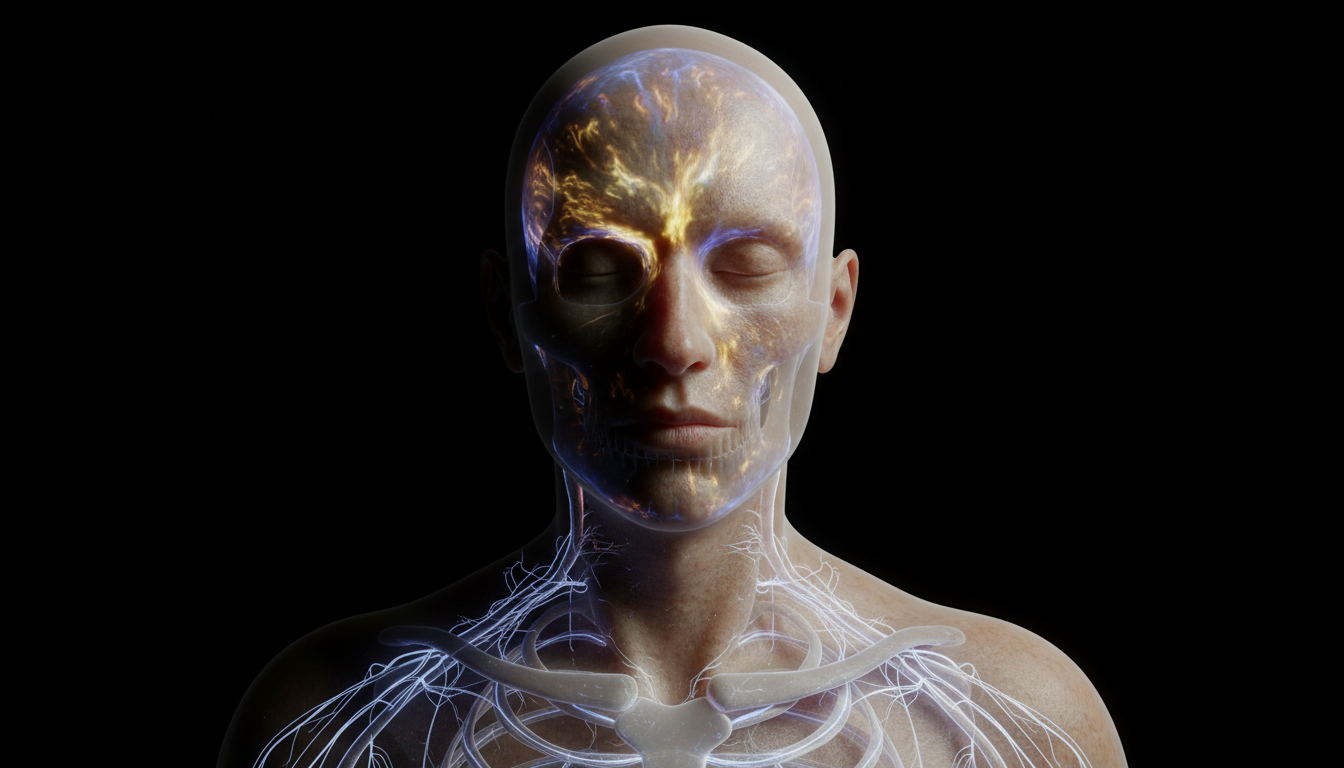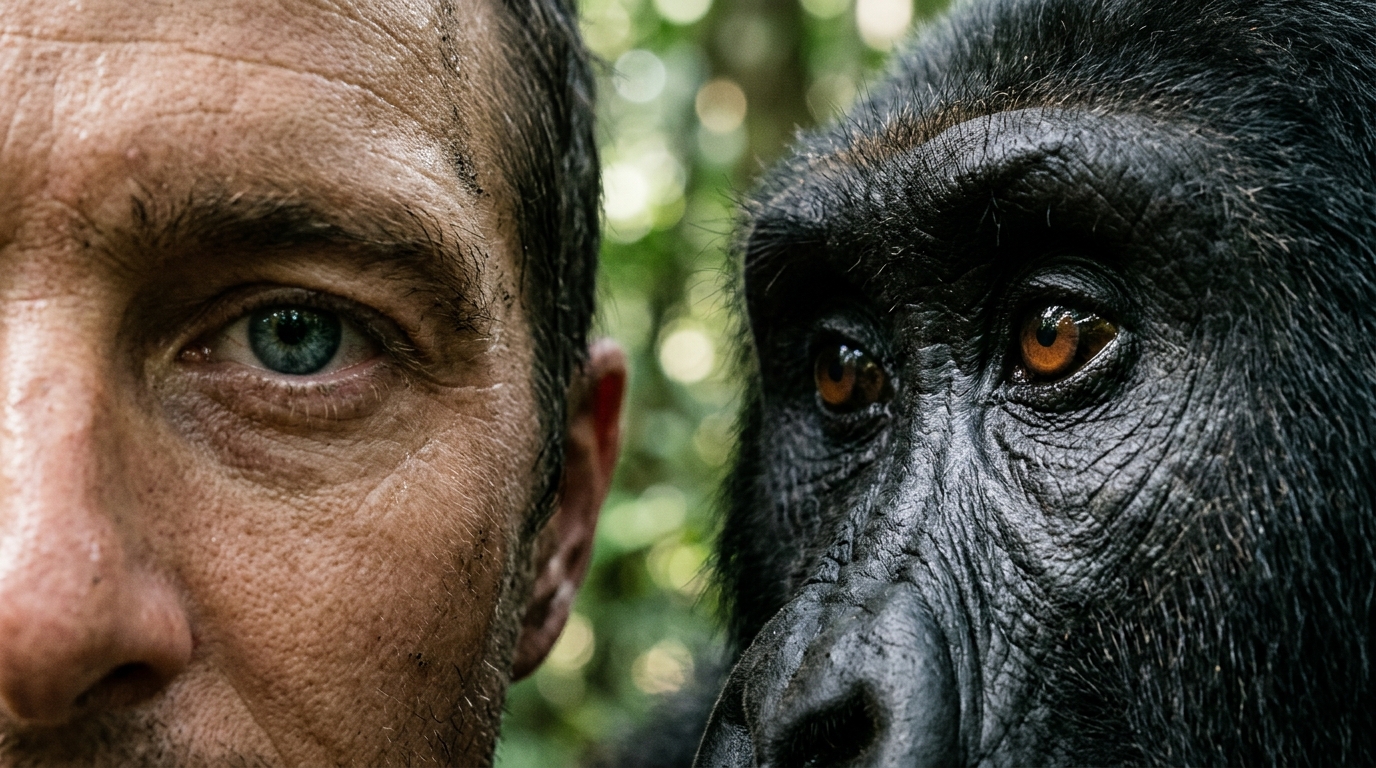
Have you ever stopped to wonder what truly makes you you at your most fundamental level? While it is common to believe you are defined by your thoughts or memories, a compelling philosophical perspective known as animalism suggests a much more grounded reality. When asking what is animalism, you are essentially exploring the idea that you are not a ghost in a machine, but rather a purely physical, biological human animal whose identity is tied to your living body.
This shift in perspective challenges the popular notion that your mind is separate from your physical form. By viewing yourself as an organism first, you begin to see that your existence is defined by the same biological processes that sustain any other living creature. Recognizing your identity as a member of the species Homo sapiens provides a rigorous and clear framework for understanding how you persist through time, from your first breath to your last.
Key Takeaways
- You are fundamentally a biological organism whose identity is defined by your physical body rather than a non-physical mind or soul.
- Your existence is rooted in the continuous metabolic processes of the human animal, beginning at biological conception and ending only when life functions cease.
- Psychological continuity is an unreliable basis for identity because you remain the same individual even if memories are lost or consciousness is absent, such as in infancy or a vegetative state.
- The ‘thinking animal’ argument proves you are the organism itself, as it is logically impossible for a conscious person and a biological animal to occupy the same space as two separate thinkers.
The Biological Core Of Personal Identity
When you consider what you truly are, it is easy to get swept up in the idea that your essence is a non physical mind or a stream of consciousness. Animalism invites you to ground your identity in something far more tangible by suggesting that you are, first and foremost, a biological organism. According to this view, your existence began when your body was conceived and will end only when your biological functions cease. You are not a ghost inhabiting a machine, but rather a member of the species Homo sapiens. This perspective shifts the focus from what you think to what you are, emphasizing that your physical life is the foundation of your persistence through time.
By embracing the biological core of your identity, you recognize that your history is the history of a living animal. While your thoughts and memories may change or even disappear, you remain the same individual as long as your body maintains its integrated life processes. This means that the infant you once were and the person you are today are the same being because they share a continuous biological life. You do not just have a body, you are a body, and your identity is tied to the survival of this complex organism. Understanding yourself as a biological entity provides a sturdy, scientific framework for personal identity that does not rely on the mysteries of a detached soul.
This biological approach offers a refreshing clarity by aligning your philosophical self with the natural world. Instead of searching for a hidden spark of consciousness to define your “true self,” you can look at the physical reality of your organs, cells, and systems. You are a primate with a specific evolutionary history, and your capacity for thought is simply one of the many functions your body performs. When you view yourself through this lens, the boundaries of your existence become much clearer and more concrete. You are a living, breathing creature whose identity is rooted in the remarkable persistence of a single human life.
Challenging The Psychological Continuity Theory
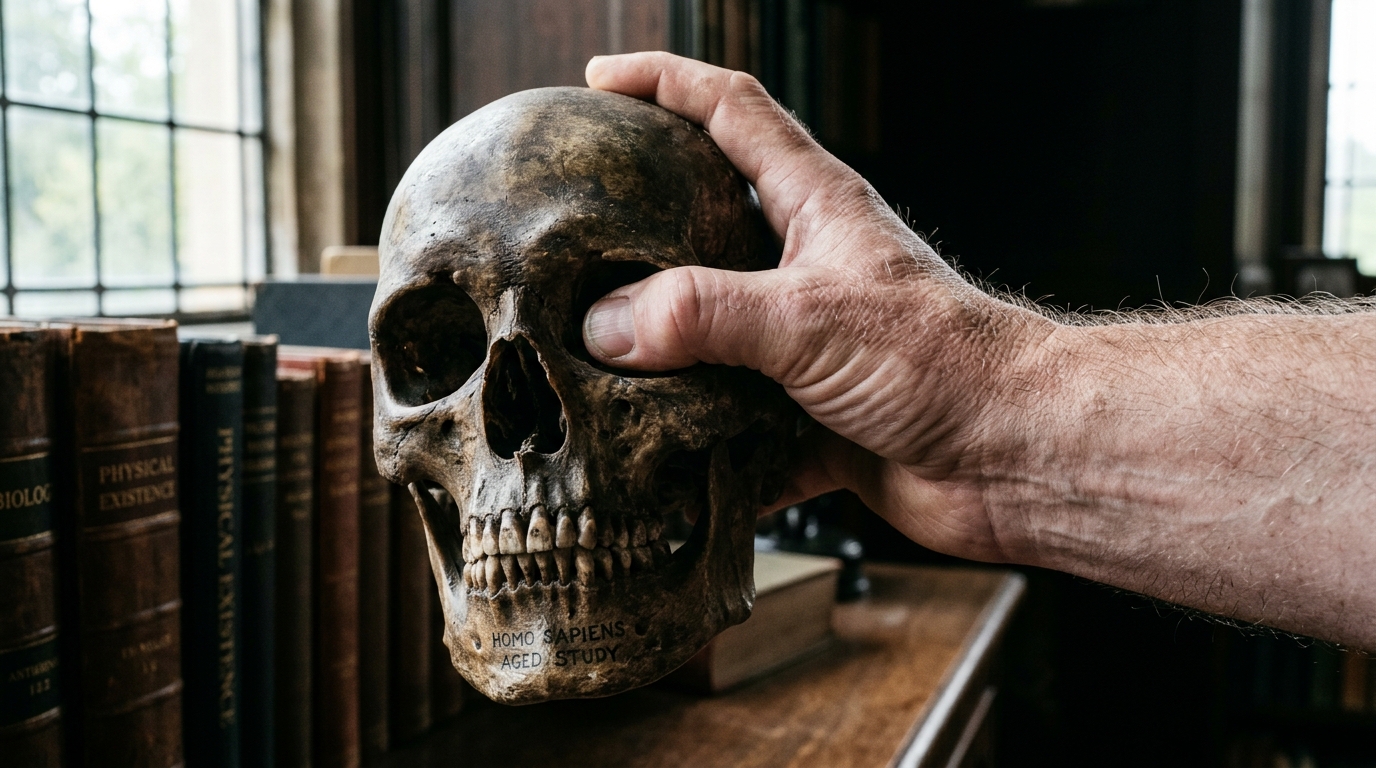
You have likely been told that your identity is woven from the threads of your memories, personality traits, and conscious experiences. This popular view, known as psychological continuity theory, suggests that as long as your mental life continues, you remain the same person. Under this framework, if your mind were uploaded to a computer or swapped into another body, you would travel with your thoughts. It is an intuitive way to look at life because your internal monologue feels like the core of your existence. However, animalism invites you to question whether this mental connection is truly what keeps you alive over time.
Animalism challenges this perspective by pointing out a significant flaw in prioritizing the mind over the body. If you were your memories, then a total case of amnesia or a permanent vegetative state would mean that you have literally ceased to exist, even if your body is still breathing. From a biological standpoint, this seems incorrect because the organism remains functioning and present in the room. You are a physical being that persists through metabolic processes rather than just a stream of data or thoughts. By identifying as a biological animal, you acknowledge that your existence began at conception and will end only when your body dies.
Consider the reality of your infancy or the possibility of advanced dementia late in life. In both scenarios, the psychological links that define your current self are either absent or broken, yet it is undeniably you occupying that space. The animalist view provides a more stable foundation for identity because it does not rely on the fragile nature of memory. Instead of being a passenger inside a biological machine, you are the machine itself. This shift in perspective ensures that your identity and change remains rooted in your physical reality, providing a consistent answer to who you are regardless of your mental state.
The Thinking Animal Argument For Existence
Imagine for a moment that you are sitting in a chair reading these words, and consider the physical organism that makes this action possible. If you believe that you are a purely psychological being or a non-physical mind, you inadvertently create a crowded space where two distinct entities are performing the exact same task. There is you, the conscious person, and then there is the biological human animal with a fully functioning brain. If both of you are thinking the same thoughts and sitting in the same chair, it becomes nearly impossible to explain why only one of you counts as the true self. This logical puzzle suggests that instead of two separate thinkers occupying one space, there is only one biological individual present.
The difficulty deepens when you try to explain why the animal sitting in your seat would not be considered a thinker. If the human organism has a brain that is identical to yours, it seems contradictory to claim the animal is not thinking while you are. Denying the animal’s ability to think would mean that a perfectly healthy human brain somehow fails to produce consciousness just because it belongs to a biological entity. This leads to the more elegant conclusion that you are the animal, rather than a separate passenger riding inside of it. By identifying as the organism itself, you resolve the confusion of having two minds competing for the same physical life.
Consider how much simpler your existence becomes when you stop trying to separate your identity from your biological reality. When the animal feels hunger, you feel hunger, and when the animal perceives the world, you are the one doing the perceiving. There is no mysterious handoff between a physical body and a psychological self because they are one and the same. Accepting this view allows you to see yourself as a unified being rooted in the natural world. This perspective avoids the strange conclusion that a silent, unthinking animal is somehow following you around while you do all the cognitive work.
Defining Yourself Through the Biological Form
Embracing animalism invites you to ground your sense of self in the tangible reality of your physical form. When you stop viewing yourself as an abstract consciousness trapped inside a shell, you begin to see your life as a singular biological journey. This perspective simplifies the mystery of who you are by aligning your identity with the organism that breathes, grows, and interacts with the world. You are not a ghost in a machine, but rather the machine itself, functioning with a complexity that science is still working to fully map. Accepting this biological foundation allows you to find a profound sense of belonging within the natural world.
This shift in thinking fundamentally alters how you perceive the boundaries of life and death. If you are identical to your biological animal, then your existence began when that organism was conceived and will end when its life processes cease. This removes the need for complex theories about where a non physical mind goes after the body fails, offering a grounded clarity instead. While it may feel daunting to tie your existence so closely to a perishable body, it also highlights the preciousness of your physical time. You can appreciate your sensory experiences more deeply when you recognize they are the very essence of your being.
The mystery of the self does not vanish under animalism, but it does change its shape. Instead of searching for a hidden soul or a mere illusion of memories, you can marvel at the fact that an animal is capable of such deep reflection and wonder. You are a thinking animal, a creature that has evolved to contemplate its own place in the universe. This realization bridges the gap between the hard sciences and the deep questions of philosophy, making your identity a living, breathing reality. By recognizing your nature as a member of the species Homo sapiens, you find a stable anchor in an often confusing world.
Frequently Asked Questions
1. What exactly is animalism in simple terms?
Animalism is the philosophical view that you are fundamentally a biological organism, specifically a member of the Homo sapiens species. Instead of being a separate mind or soul, you are identical to your physical body and its living processes.
2. How does animalism differ from the idea that I am my mind?
While many believe their identity is defined by thoughts or memories, animalism argues that your essence is your biological life. This means you remain the same person even if you lose your memories, as long as your physical organism continues to function.
3. When does my existence begin and end according to this view?
Your existence begins when your biological body is conceived and starts its life processes. It ends only when those integrated biological functions permanently cease, marking the end of you as an individual organism.
4. Does animalism mean my thoughts and personality don’t matter?
Your thoughts and personality are vital aspects of your experience, but they do not define your core existence. Animalism simply points out that while your mental states can change or disappear, your identity persists as long as your living body does.
5. Why is the species Homo sapiens so central to this theory?
This framework provides a rigorous way to track your identity through time by linking you to a specific, tangible biological category. By identifying as a human animal, you have a clear physical standard for understanding how you stay the same person from birth to old age.
6. Can I still be an animalist if I believe in a soul?
Animalism is a purely physicalist perspective that focuses on your biological reality rather than supernatural elements. It invites you to see yourself as a tangible part of the natural world, grounded in the same life cycles as any other living creature.