
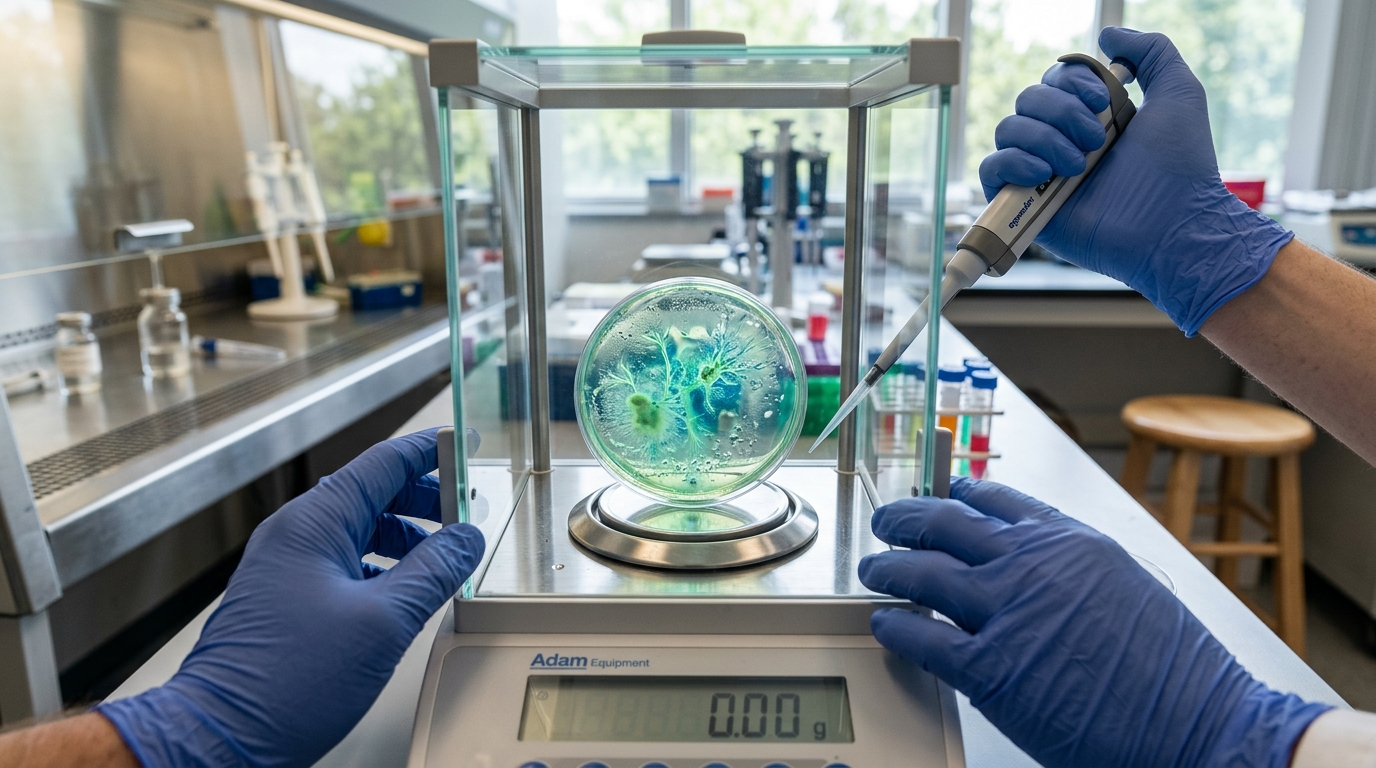
Synthetic biology can help produce medicines, sustainable materials, and cleaner industrial processes, but it can also create risks that are difficult to predict or reverse. That is why synthetic biology ethics asks a practical question: how can you support innovation while protecting people, communities, and ecosystems? The answer extends beyond laboratory safety to public trust, accountability, and who gets to decide how biology is engineered.
As you consider these technologies, you need to weigh both immediate benefits and long-term consequences. Who controls the tools, who benefits from them, and who bears the risks? Exploring these questions can help you evaluate synthetic biology with the care it deserves, without treating progress and responsibility as opposing goals.
Key Takeaways
- Synthetic biology can deliver major benefits in medicine, sustainable materials, food production, and environmental repair, but innovation must be weighed against risks to people, communities, animals, and ecosystems.
- Responsible development requires strong biosafety and biosecurity, transparent risk assessment, staged testing, containment, long-term monitoring, and the ability to pause or reverse harmful work where possible.
- Engineered organisms should not be treated as mere tools by default; increasing biological complexity, possible sentience, ecological impact, and uncertainty demand proportional restraint and careful consideration of moral status and welfare.
- Justice and democratic accountability must guide decision-making by ensuring affected communities have a voice, benefits are equitably shared, risks are not imposed on vulnerable groups, and institutions remain transparent and answerable.
Introduction To Synthetic Biology Ethics
Synthetic biology ethics begins with a broader question than whether humans should “create life.” You can understand synthetic biology, also called engineering biology, as the design or redesign of genetic sequences, cells, organisms, biological pathways, and manufacturing systems. This work may support new medicines, climate solutions, sustainable materials, and more efficient food production. At the same time, it can introduce risks that are difficult to predict, contain, or reverse. Ethical analysis therefore asks not only what scientists can build, but also who benefits, who may face harm, and who gets to decide.
The July 2026 breakthrough in lab-grown complex organisms makes this tension especially visible. When biological systems become increasingly lifelike or capable, you may find yourself weighing the sanctity of life against the practical value of using living systems to solve human problems. This debate should not be reduced to a choice between rejecting innovation and accepting every possible application. It also involves questions about moral status, animal and environmental welfare, informed consent, and whether creating a useful organism changes your responsibilities toward it. These concerns become more urgent as synthetic biology converges with genome editing, artificial intelligence, automation, robotics, and large-scale biomanufacturing.
A responsible approach seeks medical, environmental, and economic benefits while preventing accidental release, misuse, unequal access, and harm to communities or ecosystems. You should also consider whether oversight is strong enough to address technologies that cross national borders and may develop faster than regulation. Meaningful public control requires transparent research, independent review, accountable institutions, and opportunities for affected communities to shape decisions before they become irreversible. Synthetic biology ethics is not an argument against engineering biology. It is a framework for guiding this work toward shared benefits without treating living systems as mere tools.
Safety And Dual Use In Biology
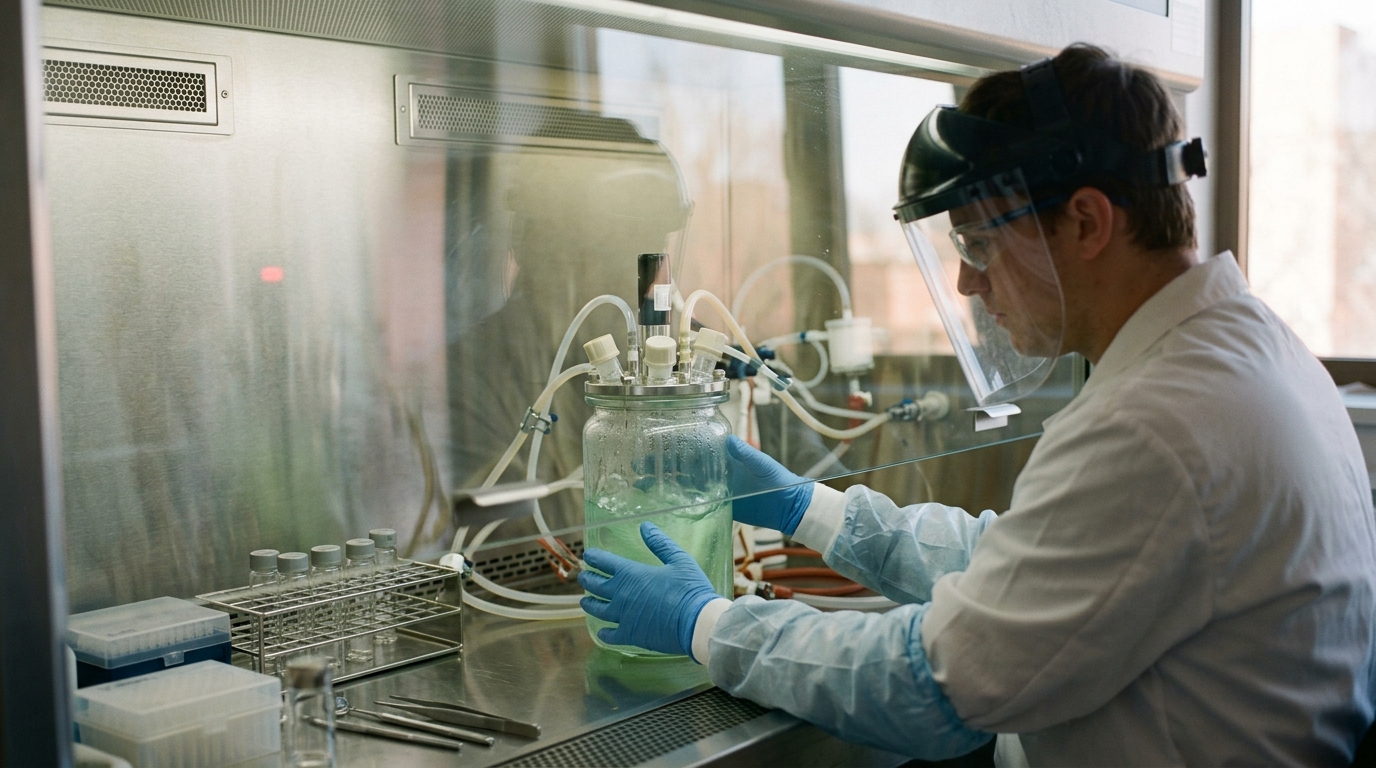
The July 2026 breakthrough in lab-grown complex organisms brings synthetic biology ethics into sharper focus. When increasingly lifelike systems can be assembled, should their value be measured only by their usefulness to humans? The achievement may support research, drug development, and regenerative medicine, yet it also raises questions about whether complex biological entities deserve special moral consideration. You must also account for accidental risks, including contamination, unintended genetic changes, and failures in clinical or biomanufacturing settings. Treating life as an engineering platform can encourage valuable innovation, but it should not obscure uncertainty about suffering, ecological disruption, or the limits of human control.
Safety begins with careful design, containment, testing, and monitoring throughout a project’s life cycle. In laboratories and clinical settings, biosafety practices can reduce accidental exposure and prevent engineered organisms from escaping into environments where their behavior is difficult to predict. Biosecurity addresses a different concern: the possibility that biological knowledge, data, or equipment could be deliberately misused. Screening DNA orders, limiting access to sensitive protocols, training researchers to recognize warning signs, and reviewing experiments before they begin can reduce these threats without treating every scientist as a potential wrongdoer.
Responsible oversight works best when it is transparent, proportionate, and open to public participation. You should expect researchers and institutions to explain what they are creating, what could go wrong, and how they would respond if evidence changes, especially when lab-grown organisms challenge familiar boundaries between tools, tissues, and living entities. Independent ethics review, clear reporting requirements, and international cooperation can help prevent a race toward increasingly powerful applications without adequate safeguards. At the same time, excessive secrecy or blanket restrictions may push legitimate research out of view and delay benefits that could save lives. The goal is not to halt biological innovation, but to ensure that its promises do not outweigh society’s ability to protect human welfare, ecological stability, and meaningful moral choice.
Ecological Risk And Engineered Organisms
When you consider releasing an engineered organism, you are evaluating not only its intended function but also its relationship with an entire ecosystem. Genes may flow into wild populations through reproduction, migration, or horizontal gene transfer, allowing a trait designed for one setting to persist in another. An organism that appears contained in the laboratory could survive, reproduce, or behave invasively under changing environmental conditions. Because ecosystems are interconnected, even a small introduction can trigger effects that are difficult to predict and potentially impossible to reverse.
The July 2026 breakthrough in lab-grown complex organisms has sharpened a related ethical question: should living systems be treated primarily as useful biological tools, or do they possess a value that demands special restraint? You may see potential benefits in engineered organisms that produce medicines, restore damaged habitats, or address food insecurity, but those benefits do not erase your obligations to other species, local communities, or future generations. A precautionary approach therefore asks whether the possible gains justify uncertain ecological risks and whether less hazardous alternatives exist. It also requires meaningful public participation, especially from communities that could bear the consequences without sharing equally in the benefits.
Responsible research does not end when an organism leaves the laboratory, so you should expect rigorous containment, staged testing, and long-term environmental monitoring before any release is considered. Monitoring must be capable of detecting unexpected gene flow, persistence, population changes, and invasive behavior. It should also provide a credible way to respond if harm emerges. Transparency matters because communities cannot help govern ecological risk when safety data, assumptions, or response plans remain inaccessible. Protecting ecosystems is ultimately an intergenerational responsibility, and ethical synthetic biology must preserve meaningful human control even when biological change cannot easily be undone.
Complex Organisms And The Sanctity Of Life
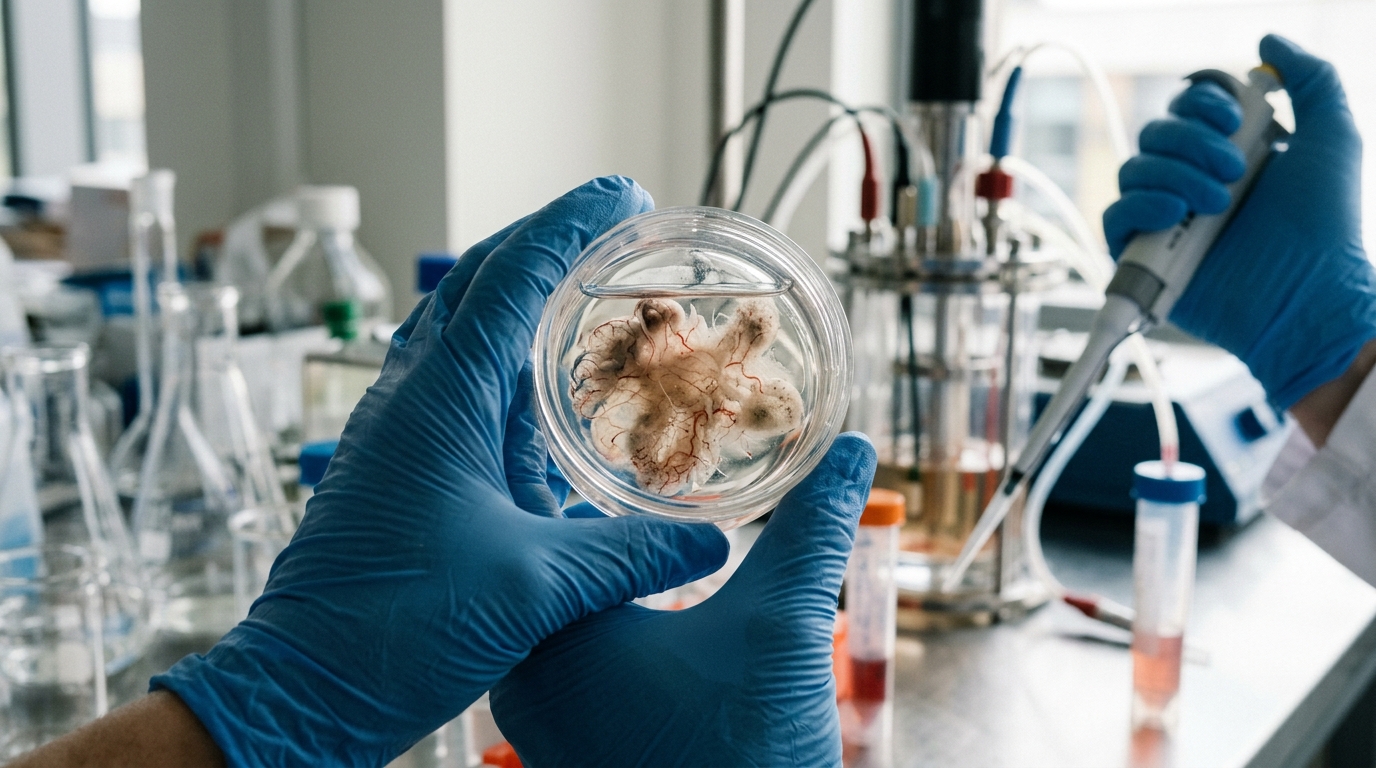
The July 2026 breakthrough in lab-grown complex organisms has made synthetic biology ethics feel less abstract and more immediate. When you can create an organism with specialized tissues, coordinated biological functions, or early forms of responsiveness, the language of “biological utility” may no longer be enough. You may reasonably ask whether producing life for research, food, medicine, or manufacturing treats that life only as an instrument. The answer depends partly on what the organism can experience, but also on how much biological complexity and independence it possesses. Even when there is no clear evidence of consciousness, uncertainty should encourage restraint rather than automatic permission.
Sentience and suffering provide strong reasons to establish ethical limits, since an organism capable of experiencing harm deserves more than routine technical oversight. Yet moral status may not begin only when pain can be demonstrated, because creating increasingly complex organisms can alter your responsibilities before full sentience appears. You should also consider whether the organism can maintain itself, respond to its environment, pursue goals, or develop in ways that make it more than a passive biological tool. These qualities do not settle the moral question, but they can help shape stricter standards for design, monitoring, and use. A precautionary approach would require researchers to justify each step as complexity increases and to stop when potential suffering or irreversible ecological harm cannot be responsibly controlled.
Scientific purpose matters, but a valuable goal does not automatically make every method acceptable. Developing organisms to study disease or produce essential medicines may carry stronger ethical justification than creating them for convenience, novelty, or commercial efficiency, especially when less morally risky alternatives exist. You can therefore view the sanctity of life not as a ban on all biological creation, but as a demand for humility, proportionality, and public accountability. Ethical review should ask who benefits, who bears the risks, whether the organism’s welfare has been considered, and whether society has meaningful power to object. The central challenge is to ensure that scientific capability expands human responsibility rather than allowing technical success to define what ought to be done.
Justice Consent And Public Governance
The July 2026 breakthrough in lab-grown complex organisms forces you to ask whether living systems should be valued only for what they can do. Creating biological structures for medicine, food, or research may reduce suffering, yet it can also challenge familiar ideas about the sanctity of life and the boundary between organisms and instruments. The ethical issue is not simply whether humans are “creating life,” but whether biological utility justifies designing, modifying, or ending complex living systems. You should therefore consider moral status, animal welfare, ecological risks, and the possibility that organisms with increasingly sophisticated capacities deserve protections beyond ordinary laboratory standards.
Justice requires you to look beyond the laboratory and ask who benefits, who consents, and who carries the risks. Patients and research participants need meaningful informed consent, especially when synthetic biology involves genetic data that may reveal information about relatives or future health. Workers and nearby communities also deserve protection from exposure and environmental release. Animals used in engineered biology should receive strong welfare safeguards, be included in careful necessity assessments, and be protected through efforts to reduce or replace their use. Equitable access matters as well, because expensive therapies, patented biological tools, and concentrated intellectual property could allow wealthy countries and institutions to capture the benefits while less-resourced communities bear ecological or economic harm.
Public governance must keep pace with technologies that can change faster than laws, institutions, and social expectations. You should expect transparent risk assessment, independent oversight, privacy protections, international cooperation, and opportunities for affected communities to participate before major decisions are made. Public engagement is especially important when technical experts disagree about whether a lab-grown organism is a tool, an animal, or something morally significant in its own right. Responsible governance does not require rejecting innovation, but it does require preserving the public’s ability to question its purposes, limit irreversible experiments, and ensure that biological progress serves more than commercial or scientific utility.
Conclusion On Synthetic Biology Ethics
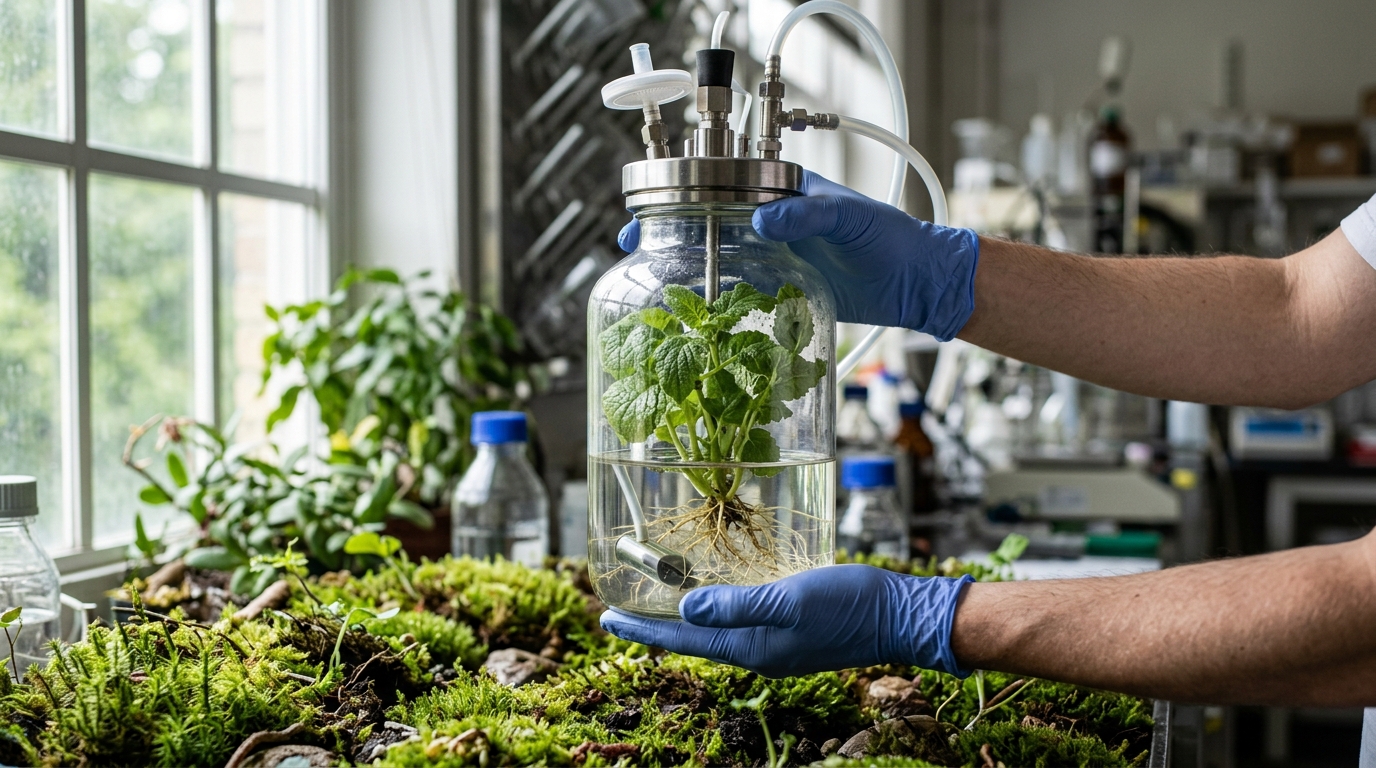
The reported July 2026 breakthrough in lab-grown complex organisms makes synthetic biology ethics feel less abstract and more immediate. As you consider such advances, you may find yourself weighing the sanctity of life against the potential utility of engineered organisms for medicine, food, or environmental repair. That tension cannot be resolved by declaring all engineered life either acceptable or unacceptable. Instead, safety must remain a continuing duty, supported by careful testing, transparent risk assessment, strong laboratory safeguards, and the ability to pause research when evidence of harm emerges.
Ecological responsibility also requires you to look beyond the laboratory, because an engineered organism could affect habitats, species, and communities in ways that are difficult to reverse. Respect for living systems means recognizing that biological entities are not merely interchangeable tools, even when they are designed for beneficial purposes. Justice asks who receives the benefits, who bears the risks, and whether affected communities have meaningful opportunities to participate in decisions that may shape their health, livelihoods, or environment. These questions become especially important when advanced biological technologies are controlled by a small number of institutions or regions.
Ultimately, responsible synthetic biology depends on democratic accountability rather than scientific capability alone. You should expect researchers, policymakers, funders, and institutions to explain their goals, disclose uncertainty, invite public scrutiny, and remain answerable as evidence and social values change. Ongoing dialogue is essential because no single rule can settle every question about engineered life, particularly as synthetic biology overlaps with genome editing, artificial intelligence, automation, and biomanufacturing. Ethical progress means building oversight systems that can adapt while protecting safety, ecological integrity, human dignity, fairness, and public control.
How You Weigh Synthetic Biology’s Ethical Stakes
Synthetic biology ethics asks you to look beyond whether scientists can build or redesign complex organisms and consider whether they should. The July 2026 breakthrough in lab-grown complex organisms makes this question especially urgent by placing the sanctity of life alongside potential biological utility. Such organisms could support medical research, environmental restoration, or new forms of manufacturing, yet their creation may also challenge familiar boundaries between living subjects, tools, and products. Ethical judgment therefore cannot rest on technical success alone. You must also ask what kind of moral consideration these organisms deserve and which values should guide their use.
Responsible progress requires careful attention to safety, reversibility, and accountability. A lab-grown organism that escapes containment, behaves unpredictably, or causes ecological harm could create consequences that are difficult or impossible to undo. You should expect meaningful oversight before experiments begin, transparent evidence about risks, and clear responsibility when decisions affect communities, animals, or ecosystems. Public participation matters as well, because choices about creating complex life should not be left solely to specialists, investors, or private institutions. The more powerful the technology becomes, the stronger the case for precaution and democratic control.
Ultimately, synthetic biology ethics is about deciding how innovation can serve human and ecological well-being without reducing life to a resource. You can support medical and environmental advances while still demanding limits that protect dignity, biodiversity, and future generations. Fairness must remain central, since the benefits of engineered biology should not be reserved for wealthy societies while risks are distributed more widely. By combining scientific ambition with humility, openness, and enforceable safeguards, you help shape a future in which biological utility does not automatically override the sanctity of life.
Frequently Asked Questions
1. What is synthetic biology ethics?
Synthetic biology ethics is the study of how you can design or redesign biological systems while respecting human well-being, animal welfare, communities, and ecosystems. It examines not only what scientists can create, but also who benefits, who bears the risks, and who has a voice in decisions.
2. Why does synthetic biology raise ethical concerns?
Synthetic biology can produce valuable medicines, sustainable materials, cleaner industrial processes, and improved food systems, but its effects may be difficult to predict or reverse. Ethical concerns arise when engineered organisms could spread beyond intended settings, affect ecosystems, create security risks, or deepen existing inequalities.
3. How can synthetic biology benefit society?
You may see synthetic biology used to develop medicines, manufacture materials with fewer environmental impacts, improve food production, and create more efficient industrial processes. These benefits are ethically meaningful when they address real needs, remain accessible, and do not shift unacceptable risks onto vulnerable people or communities.
4. What is the difference between biosafety and biosecurity?
Biosafety focuses on preventing accidental harm, such as unintended exposure, contamination, or environmental release. Biosecurity addresses deliberate misuse, including the possibility that biological tools or information could be used to cause harm. Responsible research therefore requires strong safeguards in both areas.
5. Who should decide how synthetic biology is used?
Scientists and companies provide important technical knowledge, but they should not make major decisions alone. Effective governance includes regulators, ethicists, affected communities, patients, workers, environmental experts, and the broader public, with transparent processes that explain both potential benefits and risks.
6. How should you evaluate the environmental risks of synthetic biology?
You should consider what could happen if an engineered organism escapes, reproduces, transfers genetic material, or changes relationships within an ecosystem. Responsible evaluation includes containment, testing, monitoring after release, plans for responding to harm, and recognition that some ecological changes may be difficult or impossible to reverse.
7. Does creating life through synthetic biology have moral limits?
Synthetic biology does not have one universally accepted moral boundary, because views differ about the status of living systems, animals, and increasingly lifelike organisms. You can approach the question responsibly by examining purpose, necessity, sentience, welfare, environmental effects, and whether less ethically concerning alternatives are available.
8. How can synthetic biology be made more equitable?
Equity requires you to ask who controls the tools, who receives the benefits, and who may face exposure, displacement, or loss of access. Fairer innovation depends on public participation, affordable access to beneficial products, responsible intellectual property practices, and accountability to communities that could be affected.