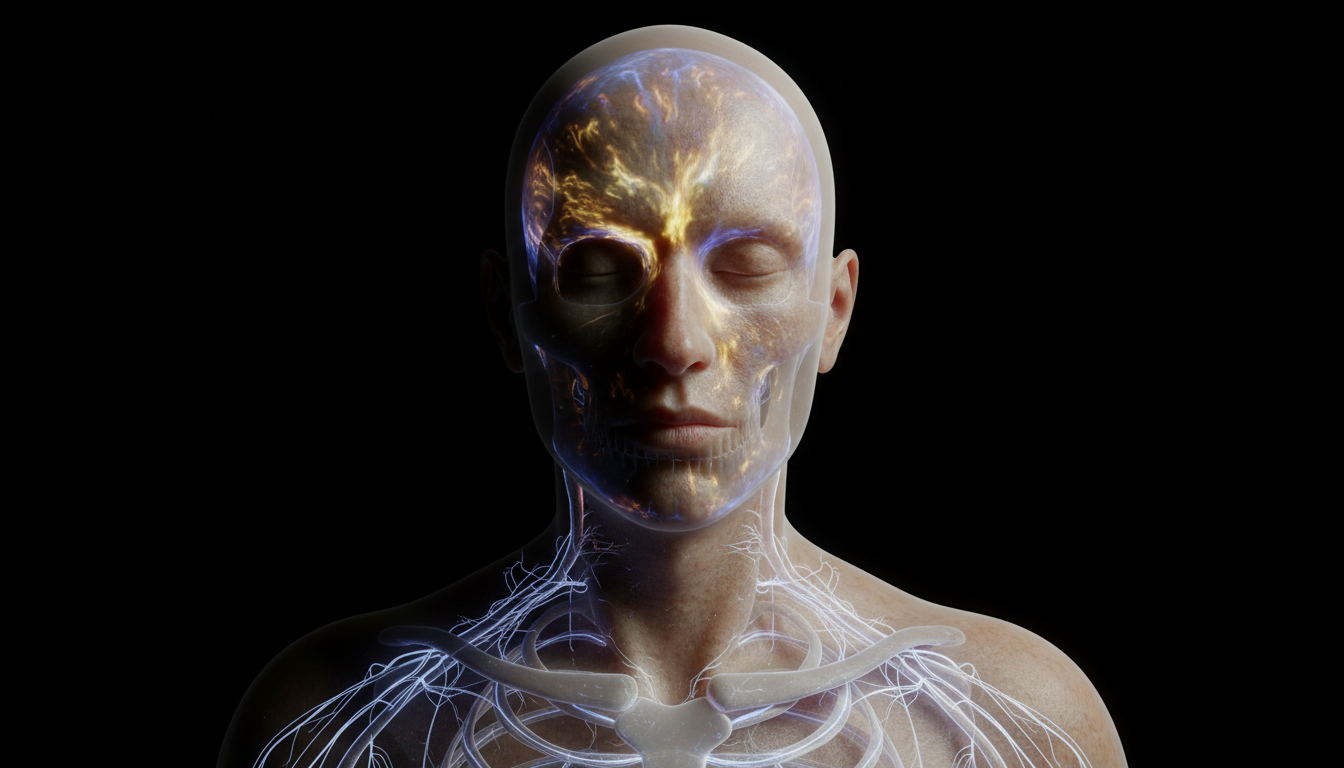
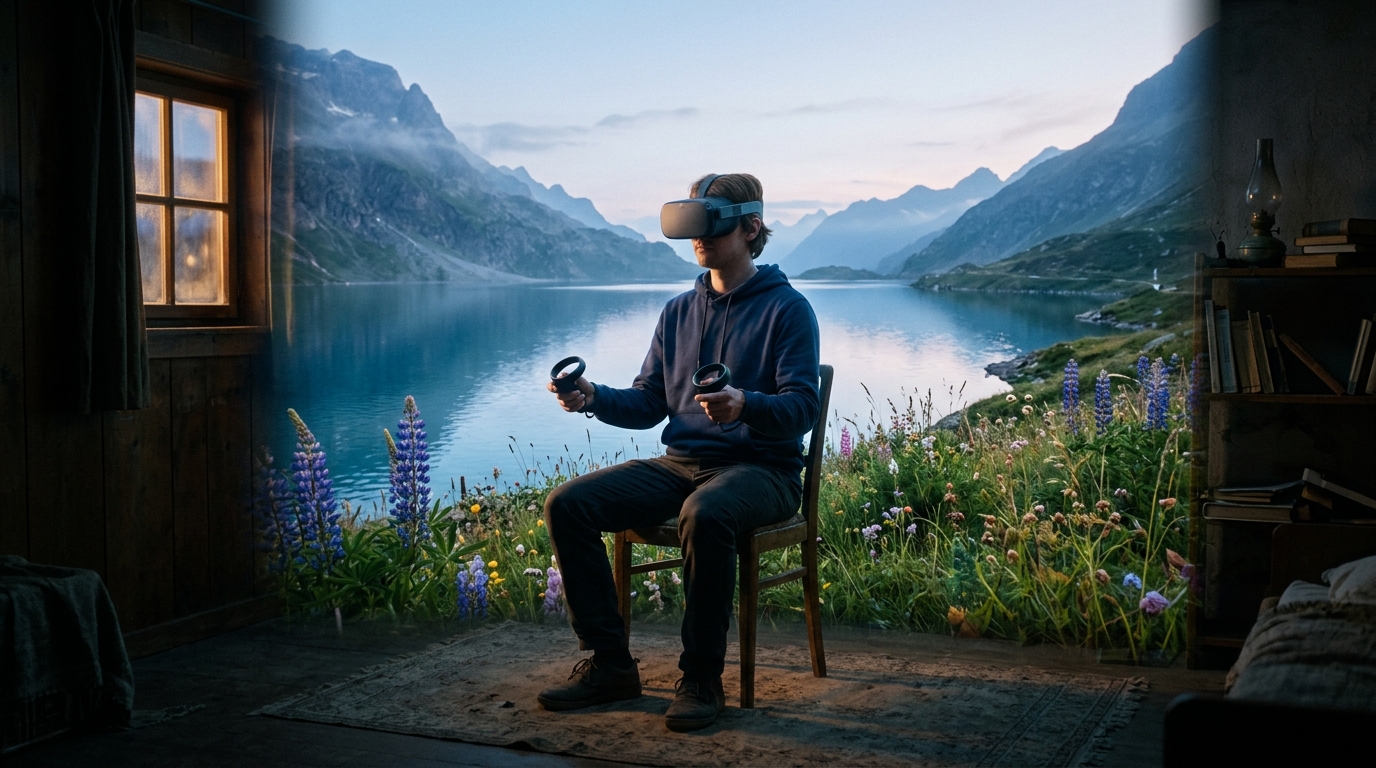
What happens when you enter a virtual world alone and choose to stay there? Virtual reality solitude studies are beginning to examine whether immersive environments can offer calm, reflection, and restoration while you are physically alone. The research is still emerging, but it raises important questions about how solitude differs from loneliness and social isolation.
You may find that virtual nature, quiet digital spaces, and controlled sensory experiences provide some benefits associated with time outdoors or away from social demands. At the same time, VR can reveal how loneliness shapes your behavior when other people are present in a virtual environment. Understanding this distinction helps you separate genuinely restorative solitude from an experience that only feels isolating.
Key Takeaways
- Chosen solitude in virtual reality can support reflection, relaxation, and restoration, while loneliness reflects unwanted disconnection. The key measure is whether being alone remains voluntary, flexible, and connected to life beyond the headset.
- Virtual nature and quiet digital environments may reduce stress and restore attention, but they do not fully replicate the physical, sensory, and social benefits of real-world nature or embodied experience.
- Evidence on VR solitude remains limited; most research focuses on related topics such as virtual nature, relaxation, loneliness, social isolation, and social VR. Strong conclusions require controlled, long-term studies measuring mood, behavior, physiology, presence, and post-session effects.
- VR becomes concerning when it replaces sleep, relationships, work, physical care, or engagement with the real world. Use immersive solitude intentionally, set time limits, and evaluate whether it leaves you restored or more disconnected.
Introduction To Virtual Reality Solitude
Virtual reality solitude studies examine what happens when you experience aloneness inside an immersive digital environment. Unlike ordinary screen use, VR can surround you with a designed sense of place, whether you enter a quiet forest, an abstract gallery, or an apparently endless virtual horizon. You may feel physically alone while sensing presence, beauty, or meaning within the simulation. These experiences connect psychology with aesthetics and contemporary philosophy. Solitude is not automatically loneliness. It can be chosen and restorative, while loneliness describes unwanted disconnection.
The field remains emerging, and direct studies of solitude in VR are still limited. Much of the available research overlaps with work on loneliness, social isolation, virtual nature, relaxation, and social VR, including studies of how immersive settings influence mood, attention, and connection. Recent data released in June 2026 points to growing interest in digital hermits who may prefer metaverse existence to physical reality, although that trend requires careful interpretation rather than simple celebration or alarm. As you explore this research, the central question is not only whether VR can imitate being alone, but also how simulated environments reshape your sense of presence, beauty, and what it means to feel at home.
Solitude Versus Loneliness In VR
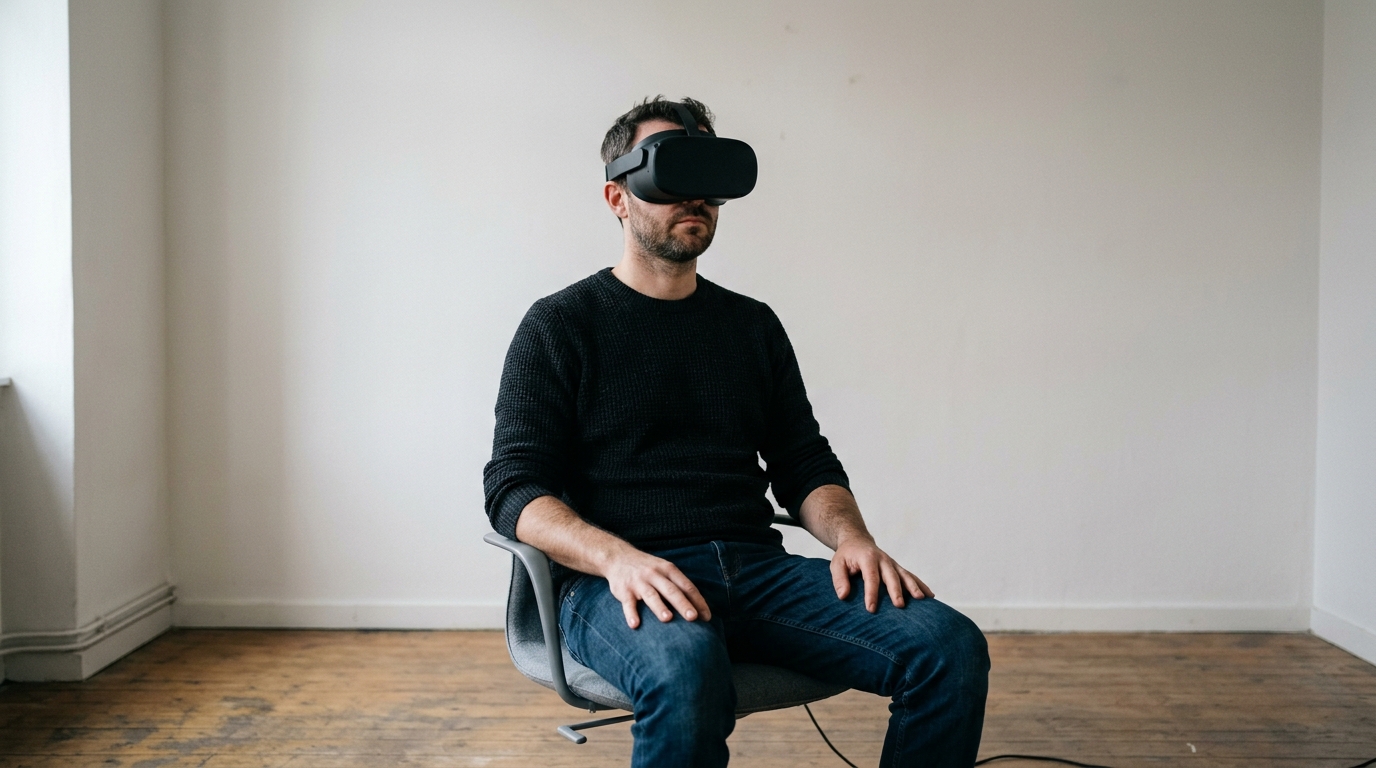
Solitude begins with agency: you choose to step away, while loneliness is the painful feeling that meaningful connection is missing. A 2024 diary study of 178 adults helps clarify this difference by showing why daily experiences of being alone should not be treated as automatically harmful or restorative. In VR, you might enter a quiet virtual setting, close social notifications, and enjoy privacy without feeling abandoned. That immersive pause can support reflection, creativity, and emotional recovery, especially when you return to relationships and responsibilities with renewed attention. Research on solitude inside VR remains limited, however, so its calming effects should not be mistaken for proof that isolation is beneficial.
The same environment that gives you restorative privacy can also make withdrawal feel effortless and aesthetically satisfying. As June 2026 data points to a growing number of digital hermits who prefer metaverse existence to physical reality, VR raises a deeper philosophical question about presence: can a beautiful simulated world feel like a refuge without becoming a replacement for embodied life? You may find genuine wonder in virtual art, natural settings, or private spaces, yet repeated retreat can gradually weaken contact with the people and places that anchor your everyday identity. The important distinction is not whether you are physically alone, but whether your solitude remains chosen, flexible, and connected to a life beyond the headset.
Virtual Nature And Simulated Presence
Virtual reality solitude studies suggest that immersive environments can offer some calming benefits associated with being alone outdoors, especially when you are physically safe, undisturbed, and able to control the experience. Research on virtual nature has found that forests, coastlines, and open settings may support relaxation and restorative attention, although the evidence is stronger for stress reduction than for solitude itself. That distinction matters: chosen solitude can feel nourishing, while loneliness reflects an unwanted lack of connection. As emerging data points to more digital hermits choosing metaverse existence over physical reality, you may need to ask whether a simulated retreat is a temporary refuge or a substitute for relationships and embodied life.
A virtual setting becomes beautiful through more than visual realism. Soft light can create calm, immense scale can produce awe, and carefully designed sound can make an empty scene feel either peaceful or unsettling. Interaction also changes your sense of presence. Walking, turning, or shaping the environment can make you feel like a participant rather than a spectator. In this sense, virtual nature does not simply copy the outdoors. It reframes beauty as an encounter between your attention, the system’s design, and the meanings you bring to solitude. The most compelling virtual reality solitude studies therefore raise a philosophical question: if presence feels real enough to transform your mood, does the source of that experience matter?
Digital Hermits And Metaverse Existence
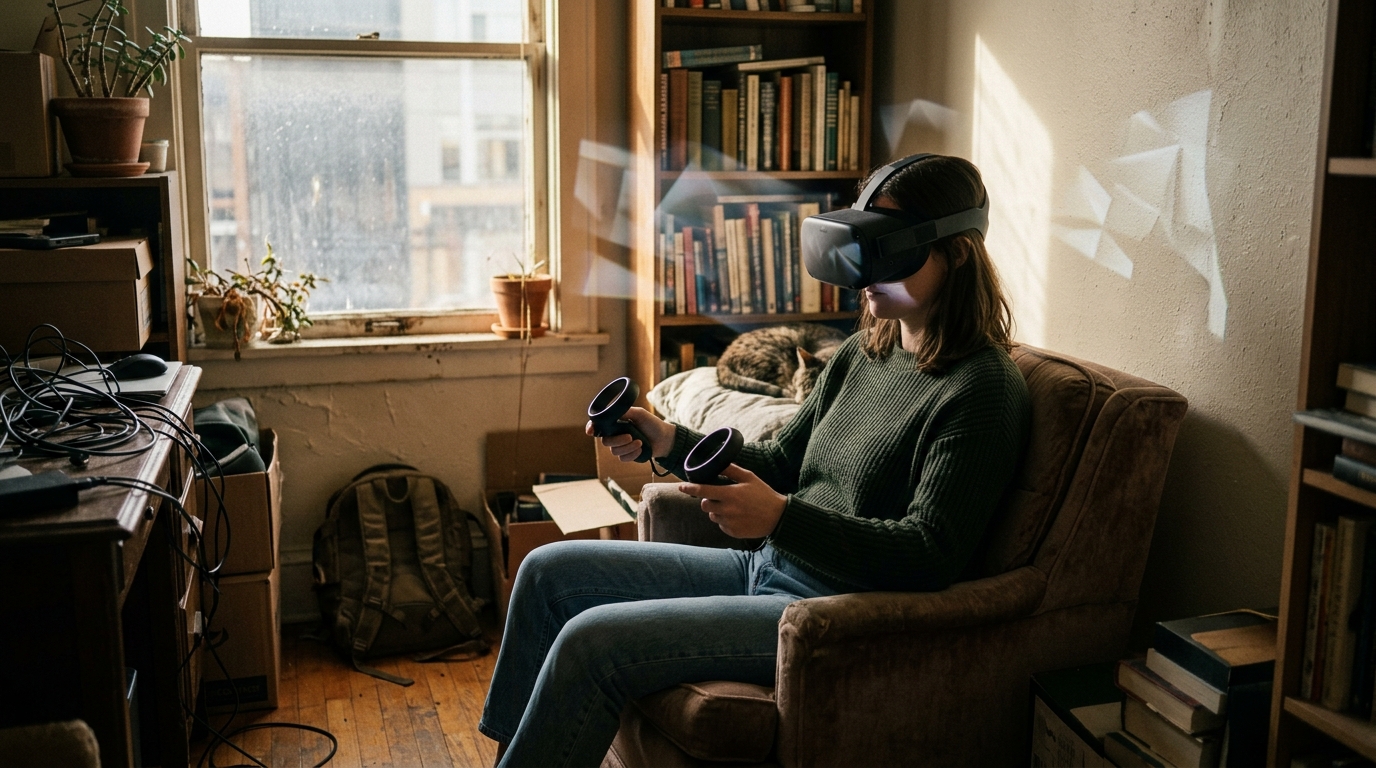
Reports released in June 2026 suggest a rise in “digital hermits,” people who may prefer metaverse experiences to ordinary physical life. You can understand the appeal without treating the trend as proof of a new psychological condition. A simulated world can offer greater control over lighting, sound, identity, movement, and social contact. For some people, that control makes presence feel more intentional and aesthetically satisfying than an unpredictable physical environment. It also raises a philosophical question about whether meaningful experience depends on material reality or on the attention, emotion, and interpretation you bring to it.
Virtual reality solitude studies remain limited, so the strongest evidence concerns related topics such as loneliness, social isolation, relaxation, and immersive virtual nature. Research suggests that being alone in a carefully designed virtual setting may feel restorative, much like selected forms of solitude in the physical world, while social VR can sometimes reduce feelings of disconnection. Yet solitude is not the same as loneliness: chosen aloneness can support reflection, whereas unwanted isolation is linked with poorer well-being. You should therefore treat the June findings as emerging cultural data, not as established evidence that metaverse withdrawal is broadly beneficial or harmful.
Concern arises when virtual control makes everyday life feel intolerably unrewarding, or when immersion steadily replaces sleep, work, relationships, and physical care. A digital refuge can help you recover from overstimulation, experiment with identity, or encounter beauty that would be difficult to create otherwise. It can also narrow your world if leaving becomes distressing. As longer-term data develops, researchers will need to distinguish creative retreat from avoidance, and personal preference from impairment. For now, the most useful question is not whether virtual existence is real enough, but whether it expands your capacity to live or quietly reduces it.
Measuring Solitude In Virtual Reality
Virtual reality solitude studies can begin with a simple question: are you alone because you want to be, or because the system has removed other people from your world? Researchers could ask you to keep diary reports before, during, and after an immersive session, recording whether solitude feels restorative, beautiful, unsettling, or emotionally empty. They could then compare voluntary retreat with imposed isolation, since chosen solitude is psychologically different from loneliness or social disconnection. This distinction becomes especially important as emerging reports describe digital hermits who may prefer metaverse existence to physical reality, raising questions about whether simulated solitude supports well-being or gradually weakens your attachment to everyday life.
Behavioral tracking would show how you use a solitary virtual environment, including how long you remain immersed, whether you explore or stay still, and how often you choose to invite virtual others into the space. Researchers might compare a quiet virtual setting with an empty architectural space or an environment populated by responsive avatars. They could examine how beauty, movement, and perceived companionship shape your sense of presence. Physiological measures such as heart rate, skin conductance, breathing patterns, and sleep quality could reveal whether the experience calms your body even when your self-report is uncertain. These findings would help separate visual pleasure and relaxation from deeper forms of psychological restoration.
Interviews after the session could explore whether you felt genuinely present in the simulated world and how difficult it was to return to physical life. You might describe the transition as refreshing, disappointing, disorienting, or strangely unreal, offering insight that behavioral data alone cannot capture. Researchers could also ask whether the virtual environment changed your sense of identity, time, embodiment, or connection to other people after you removed the headset. Taken together, diary reports, tracking, physiological measures, and interviews could show whether VR solitude is a temporary space for reflection or part of a more lasting preference for simulated existence.
Conclusion On Virtual Reality Solitude
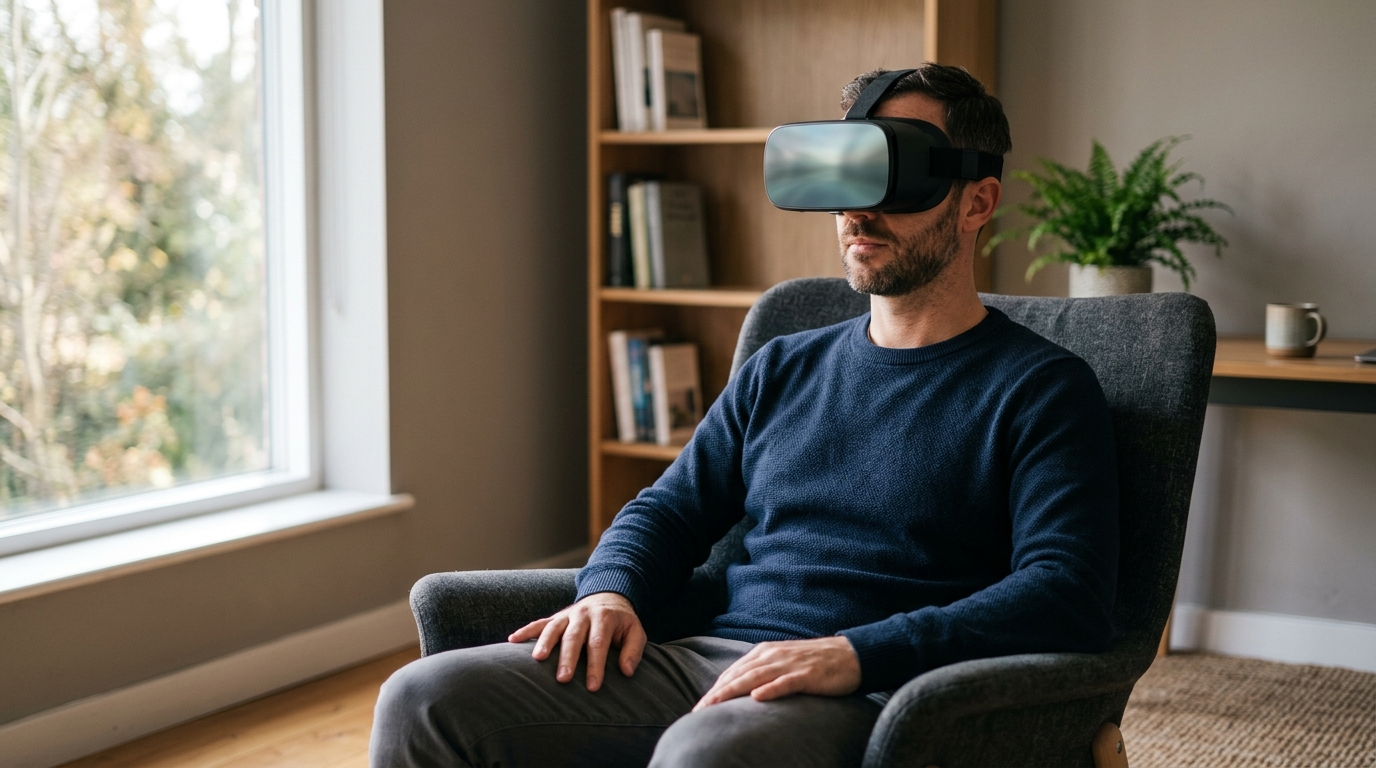
Virtual reality solitude studies suggest that immersive environments can support restorative experiences while you are physically alone. Quiet virtual settings, guided breathing spaces, and simulated nature may reduce stress, encourage reflection, and provide psychological distance from everyday demands. Some findings also indicate that virtual nature can reproduce aspects of the calm associated with outdoor solitude, especially when access to real environments is limited. Still, the evidence is stronger for relaxation, virtual nature, and loneliness than for solitude as a distinct state. Feeling peacefully alone in VR does not prove that digital solitude is equivalent to choosing a quiet room, walking through a forest, or inhabiting a physical place without mediation.
That distinction becomes more important as June 2026 data points to a growing population of digital hermits who may prefer metaverse existence to physical reality. For you, this trend raises a research question about whether repeated virtual retreat can deepen reflection and well-being, or whether it gradually weakens your connection to embodied life and other people. It also presents a philosophical challenge: if a simulated setting moves you, comforts you, or reveals beauty, what role do presence, embodiment, and physical reality play in making that experience feel real? Digital hermit culture therefore asks not only where you are alone, but also what kind of aloneness, beauty, and presence you are willing to call authentic.
What Virtual Reality Solitude Reveals
Virtual reality solitude studies suggest that being alone in an immersive environment is not automatically the same as feeling lonely. When you choose a quiet virtual setting, remove social demands, and control the pace of your experience, VR may offer restoration similar to solitary time in nature. Yet the evidence remains limited because most research measures relaxation, virtual nature, social isolation, or loneliness rather than solitude itself. As you explore these spaces, it helps to ask whether the experience gives you meaningful privacy or simply replaces physical contact with digital immersion.
New data released in June 2026 points to a growing number of digital hermits who prefer metaverse existence to physical reality, raising questions that extend beyond psychology. For you, a simulated environment may become beautiful not because it copies the natural world, but because it reshapes presence, distance, and attention according to your choices. That possibility fits contemporary philosophical debates about whether presence depends on a physical body, shared space, or the feeling of meaningful engagement. Ultimately, virtual reality solitude studies show that immersive solitude can be calming and aesthetically rich, while also reminding you to distinguish chosen retreat from loneliness and sustained withdrawal from the world.
Frequently Asked Questions
1. What are virtual reality solitude studies?
Virtual reality solitude studies examine what happens when you experience aloneness inside an immersive digital environment. Researchers may study quiet virtual settings, abstract spaces, or other controlled environments to understand how VR affects mood, attention, reflection, restoration, and feelings of connection.
2. How is solitude different from loneliness in virtual reality?
Solitude is time spent alone by choice, and it can feel calming, meaningful, or restorative. Loneliness is unwanted disconnection. You may feel lonely even when other avatars are present, while chosen solitude can remain positive even when you are physically alone.
3. Can virtual reality provide the benefits of being alone in nature?
Virtual nature may offer some benefits associated with outdoor settings, such as reduced sensory demands, relaxation, and focused attention. However, it does not fully reproduce the physical, sensory, and environmental qualities of being outdoors, so you should view it as a possible supplement rather than a complete replacement.
4. How do researchers study solitude in VR?
Researchers typically place participants in carefully designed immersive environments and measure changes in mood, stress, attention, presence, and social feelings. They may compare chosen solitude with social VR, ordinary screen experiences, or real-world settings. They can also ask participants whether the experience felt restorative or isolating.
5. Can virtual reality reduce loneliness?
VR may reduce loneliness when it supports meaningful social interaction, emotional expression, or a safe sense of presence with others. It can also intensify loneliness if virtual contact feels artificial, unwanted, or inadequate. The outcome depends on your needs, the design of the environment, and how you use it.
6. What are the possible risks of using VR for solitude?
Extended VR solitude may encourage avoidance, disrupt sleep, cause eye strain or motion sickness, or make real-world responsibilities feel more difficult. If you already feel lonely or socially withdrawn, using VR mainly to escape people may reinforce isolation instead of providing healthy restoration.
7. Is the evidence for virtual reality solitude established?
No. The evidence is still emerging, and direct research on solitude in VR remains limited. Much of the current knowledge comes from related work on loneliness, social isolation, virtual nature, relaxation, presence, and social VR, so strong conclusions require more controlled, long-term studies.
8. How can you use VR solitude in a healthy way?
Treat VR solitude as one tool for reflection or relaxation, not as a substitute for sleep, outdoor time, relationships, or professional support. Choose experiences intentionally, set time limits, notice whether you feel restored or more disconnected afterward, and stop if the experience increases distress or interferes with daily life.