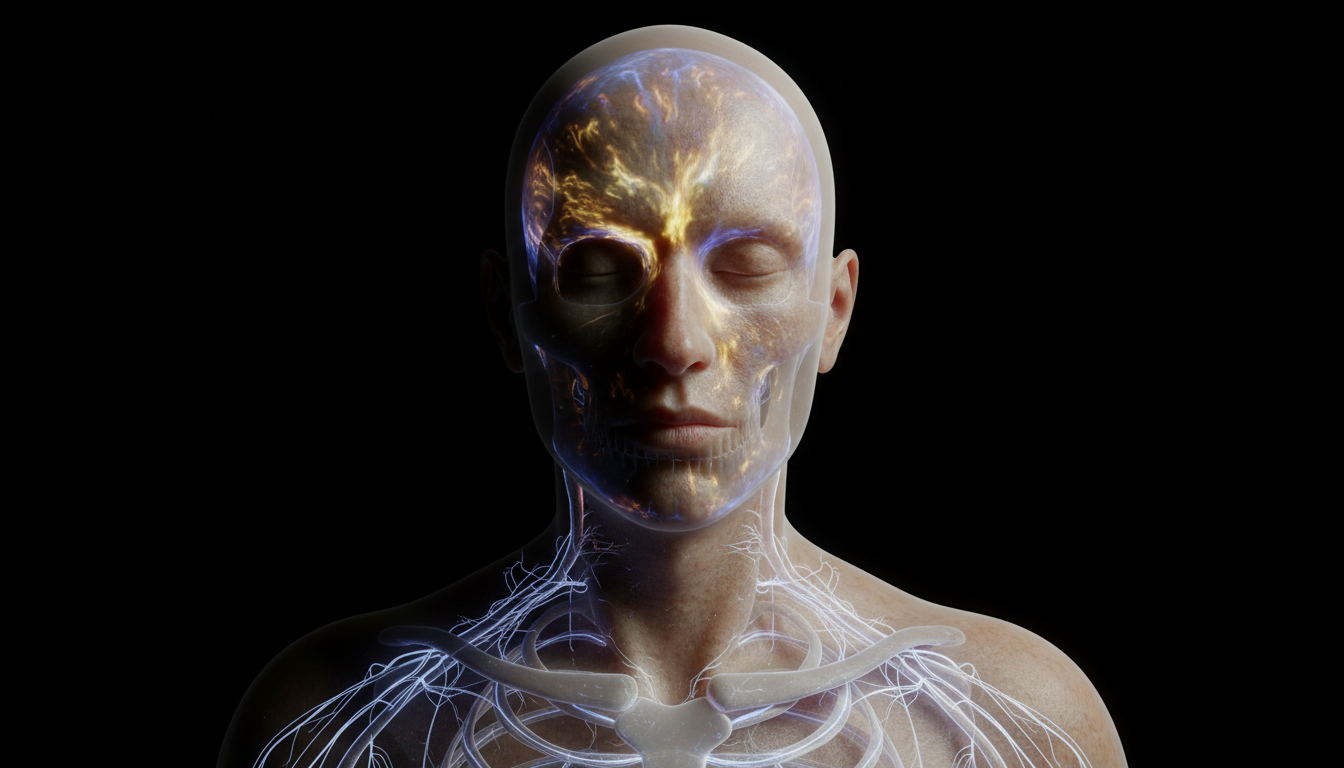
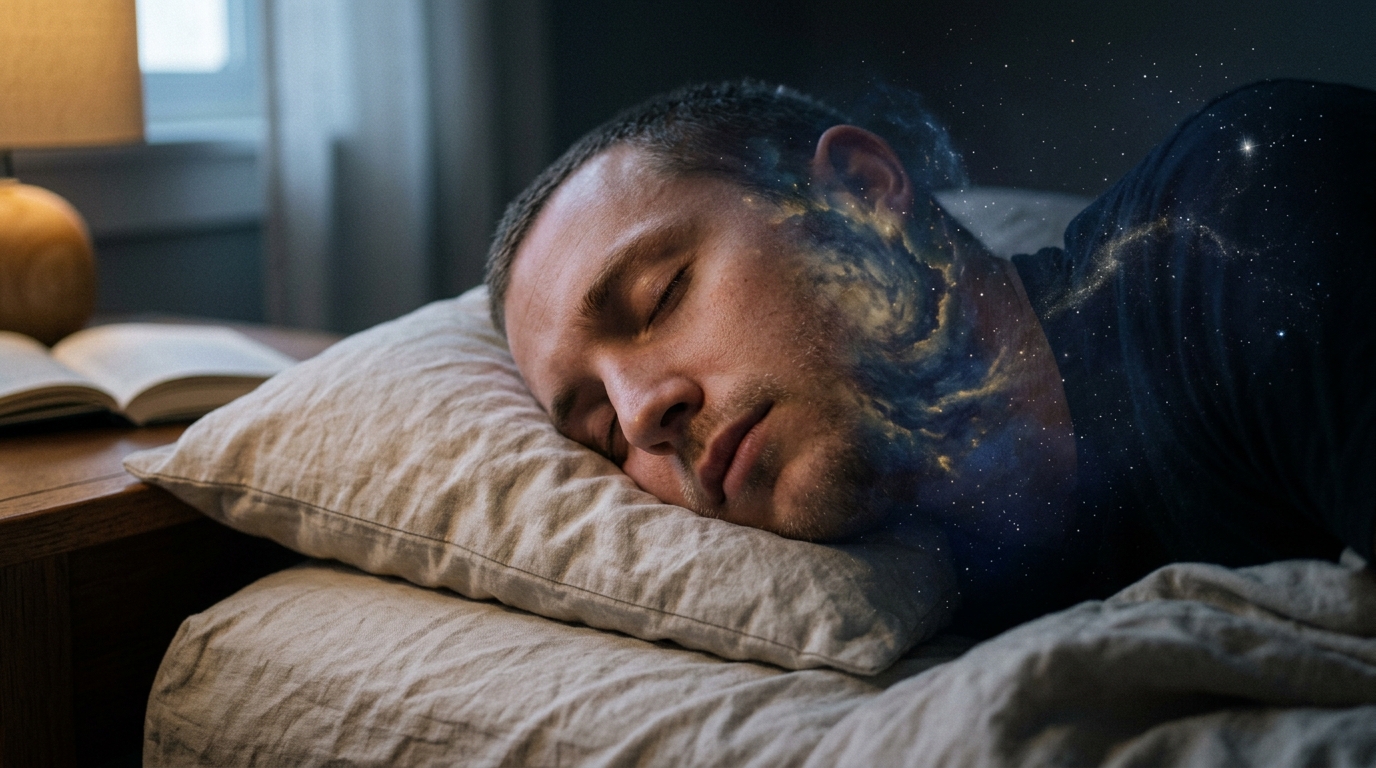
You likely spend a third of your life in a state you barely understand, drifting into a quiet void that has long been dismissed as a mere gap in your conscious existence. However, the emerging philosophy of sleep suggests that these hours are far from a total blackout of the mind. By looking closer at your nightly rest, you can begin to challenge the traditional boundary between being awake and being gone, turning a routine biological necessity into a profound inquiry into your own selfhood.
When you close your eyes, are you truly switching off, or are you simply entering a different mode of being? While historical thinkers often viewed sleep as a temporary cessation of thought, modern insights suggest you might maintain a minimal self even in the deepest, dreamless slumber. Exploring these boundaries helps you reconsider what it means to be conscious, shifting sleep from a period of lost time to a vital space of subjective experience.
Key Takeaways
- Sleep is not a void of non-existence but a continuous, structured state of consciousness where a minimal phenomenal self maintains a foundational sense of identity.
- The Cartesian Dilemma highlights that dreams can perfectly mimic waking sensations, proving the mind’s ability to construct complex realities independent of external physical stimuli.
- Lucid dreaming introduces moral agency into the sleep state, suggesting that the intentions and choices made during dreams reflect an individual’s true character and virtues.
- Rest is a fundamental human right and a matter of social justice, as it provides the essential cognitive resources required for empathy, rational thought, and moral flourishing.
Beyond The Void Challenging The Minimal Phenomenal Self
When you close your eyes at night, you might feel like you are simply flipping a switch and surrendering to a total blackout. This traditional perspective suggests that sleep is a void where your conscious self temporarily ceases to exist until the morning alarm rings. However, modern philosophers are beginning to challenge this received view by suggesting that your mind never truly turns off. Instead of a hollow gap in your biography, sleep may be a structured and continuous state of being that maintains a subtle thread of subjective experience. Even when you are not actively dreaming, your brain may be sustaining a foundational sense of you that persists through the quietest hours of the night.
Think about the way you can occasionally sense the passage of time while you sleep or how a familiar voice can pull you back to alertness more effectively than a random noise. These moments suggest the existence of a minimal phenomenal self, which is a basic form of self-awareness that remains active even in deep, dreamless states. Rather than being a period of non-existence, sleep functions as a unique environment where your consciousness shifts into a different mode of operation. By viewing sleep as an altered state rather than a total absence, you can start to see your nightly rest as a vital part of your conscious life. This perspective invites you to reconsider the boundaries of your own identity and what it truly means to be awake or asleep.
The Cartesian Dilemma And The Epistemology Of Dreams

Have you ever woken up from a dream so vivid that it took several minutes to convince yourself that the experience was not real? This unsettling sensation is at the heart of the Cartesian Dilemma, a philosophical challenge posed by Rene Descartes in the seventeenth century. He argued that because our dreams can perfectly mimic the sensory details of our waking lives, we lack a definitive test to distinguish between the two states. When you are deep in a dream, your brain accepts the reality of your surroundings without question, creating a bridge between your internal imagination and your external perception. This realization forces you to confront the possibility that your senses might not be the infallible guides to reality that you once assumed them to be.
By exploring this epistemology of dreams, you begin to see sleep not as a void of nothingness, but as a complex state that challenges your very definition of consciousness. If you can experience sight, sound, and touch while your eyes are closed and your body is still, it suggests that the mind is capable of constructing an entire universe independent of physical stimuli. This blurring of lines suggests that our waking reality might be more fragile than we care to admit. Philosophers use this uncertainty to push the boundaries of the philosophy of mind, asking if consciousness is everywhere or if there is any part of your experience that is truly beyond doubt. Instead of viewing sleep as a mere biological necessity, you can view it as a nightly laboratory where the reliability of your own existence is put to the test.
Modern thinkers continue to build on these classical ideas by looking at how the brain maintains a sense of self even during the deepest rest. Even when you are not actively dreaming, your consciousness may persist in a minimal form, maintaining a quiet awareness of time and being. This perspective shifts the focus from what you lose during sleep to what you retain, positioning the sleeping mind as a vital subject of intellectual inquiry. As you move through the transition from wakefulness to rest, you are participating in a profound mystery that bridges the gap between neuroscience and the abstract nature of the soul. Embracing this dilemma allows you to appreciate the hidden depth of your subconscious thought and its role in shaping your understanding of the world.
Ethical Dimensions Of Lucid Dreaming And Moral Agency
When you step into the world of lucid dreaming, you are no longer a passive observer of your subconscious, but rather an active participant with the power to shape your reality. This shift raises a fascinating ethical question regarding whether your moral agency remains intact while you are asleep. If you are aware that you are dreaming and consciously choose to perform an action that would be considered wrong in waking life, you must consider if that choice carries moral weight. Some philosophers argue that because no real harm is caused to others, these actions are victimless and private. However, others suggest that your character is defined by your intentions, meaning that the virtues you cultivate in the dream world reflect the person you truly are.
The value of conscious rest also challenges our traditional understanding of sleep as a mere biological necessity or a blank space in our day. You might view sleep as a passive state of being unconscious, but the philosophy of mind suggests it is actually a complex continuum of selfhood. When you engage in lucid dreaming, you are bridging the gap between the biological need for rest and the intellectual desire for exploration. This unique state allows you to maintain a sense of self even while your body recovers, turning your nightly downtime into a space for profound personal reflection. By acknowledging the ethical dimensions of your dream life, you recognize that your consciousness does not simply turn off when you close your eyes.
Managing the boundaries of your internal world requires a balance between freedom and responsibility. You have the opportunity to use these vivid nocturnal experiences to practice empathy or explore creative solutions to real world problems. This perspective positions sleep not as a loss of time, but as a vital arena for exercising your mind in ways that are impossible during the day. As you become more aware of your agency within your dreams, you may find that the line between your waking morals and your sleeping thoughts is thinner than you once believed. Ultimately, understanding the ethics of your dream state helps you appreciate the full depth of your subjective experience across all stages of consciousness.
Sleep Justice And The Ethics Of Human Flourishing
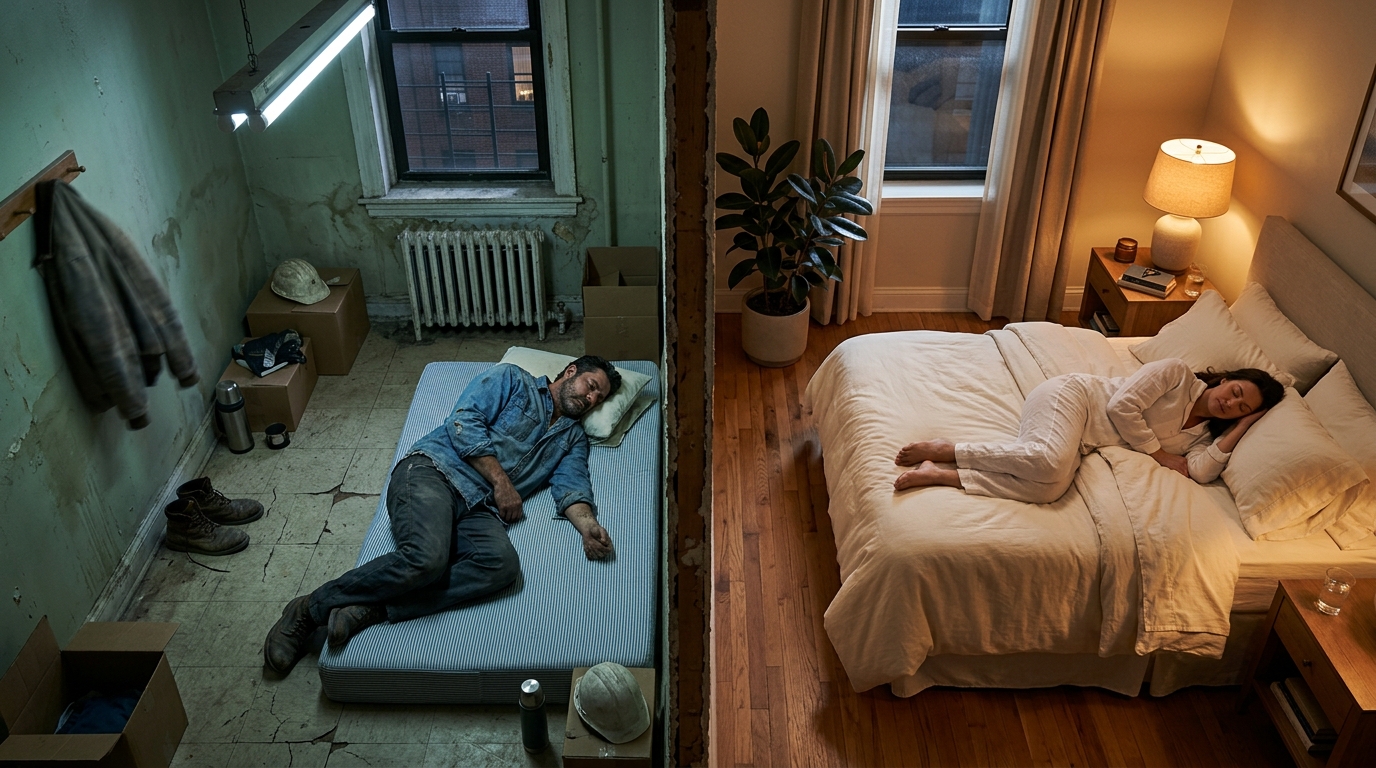
When you view sleep through the lens of human flourishing, it becomes clear that rest is not just a biological break but a fundamental requirement for a virtuous life. Modern philosophy suggests that your human right to rest is inextricably linked to your ability to engage with the world as a conscious, moral agent. If you are deprived of the restorative depths of sleep, your capacity for empathy, rational thought, and self reflection begins to erode. This perspective shifts sleep from a personal luxury to a matter of social justice and ethical necessity. You cannot fully pursue a meaningful life if your mind is perpetually tethered to the exhaustion of a waking world that refuses to pause.
The ethics of sleep also challenge how you perceive the value of your subconscious mind and its role in your overall well being. Philosophers today argue that the unique states of consciousness you experience during dreams are vital for processing the complexities of your daily identity. By protecting your right to sleep, you are essentially protecting the sanctity of your internal world and the cognitive resources required for true autonomy. When you are well rested, you possess the mental clarity needed to make intentional choices rather than simply reacting to your environment. Rest serves as the foundation upon which you build your character and your ability to contribute to a flourishing society.
Recognizing sleep as a cornerstone of human dignity means acknowledging that your mind requires periods of non productive consciousness to remain healthy. This ethical framework moves away from the idea that your value is defined solely by your waking output or your constant presence in the labor market. Instead, it invites you to see your time spent in the dream state as a period of profound psychological growth and integration. By honoring the rhythm of your biological needs, you assert your right to live a life that is balanced, thoughtful, and deeply human. Ultimately, sleep justice ensures that every individual has the quiet space necessary to sustain the subjective consciousness that makes a virtuous existence possible.
Waking Up to Your Unconscious Self
Embracing the philosophy of sleep allows you to see your nightly rest as more than just a biological recharge or a lapse in productivity. When you view sleep as a structured state of consciousness rather than a void, you begin to appreciate the intricate layers of your own mind. This shift in perspective transforms the quiet hours of the night into a profound exploration of science’s greatest mystery regarding what it means to exist. By acknowledging that your selfhood persists even in the depths of dreamless rest, you gain a deeper respect for the resilience of the human spirit. You are not simply switching off, but rather transitioning into a different mode of being that is essential to your identity.
Integrating these philosophical insights into your daily life encourages a more mindful relationship with your subconscious thought processes. You can start to recognize that the boundaries of your consciousness are fluid and expansive, reaching far beyond your waking hours. Understanding the continuity of the self helps you bridge the gap between your active logic and the abstract wisdom found in dreams. This holistic view of the mind fosters a sense of wonder about the nature of human consciousness and the biological necessity of being unconscious. Ultimately, recognizing sleep as a complex state of being enriches your understanding of the human experience and your place within the world.
Frequently Asked Questions
1. What exactly is the philosophy of sleep?
The philosophy of sleep is an inquiry into the nature of your consciousness during the hours you aren’t awake. It challenges the idea that sleep is a blank void, instead treating it as a vital mode of existence that defines your selfhood.
2. If I am not dreaming, does my self still exist?
Yes, you likely maintain what philosophers call a minimal phenomenal self even during dreamless sleep. This foundational sense of being ensures that your subjective experience is continuous rather than a series of disconnected fragments.
3. Is sleep just a temporary switching off of the brain?
Rather than a total blackout, sleep is a structured state where your mind remains active in a different capacity. You are not truly gone but are instead experiencing a different mode of subjective experience that contributes to your overall biography.
4. How can I sense the passage of time or hear my name while asleep?
These experiences occur because your minimal self remains tethered to reality and your own identity. This subtle thread of awareness allows your brain to filter external stimuli and maintain a basic connection to the world while you rest.
5. Why should I view sleep as more than a biological necessity?
When you view sleep as an experience, you reclaim a third of your life that was previously dismissed as lost time. This shift in perspective helps you understand that your identity is not just a product of your waking hours but a 24 hour process.
6. Does the philosophy of sleep change how I should value my rest?
By recognizing sleep as a meaningful state of being, you can move away from seeing it as a productivity hurdle. It becomes a profound space for selfhood and a necessary part of your conscious journey rather than just a way to recharge for the next day.