
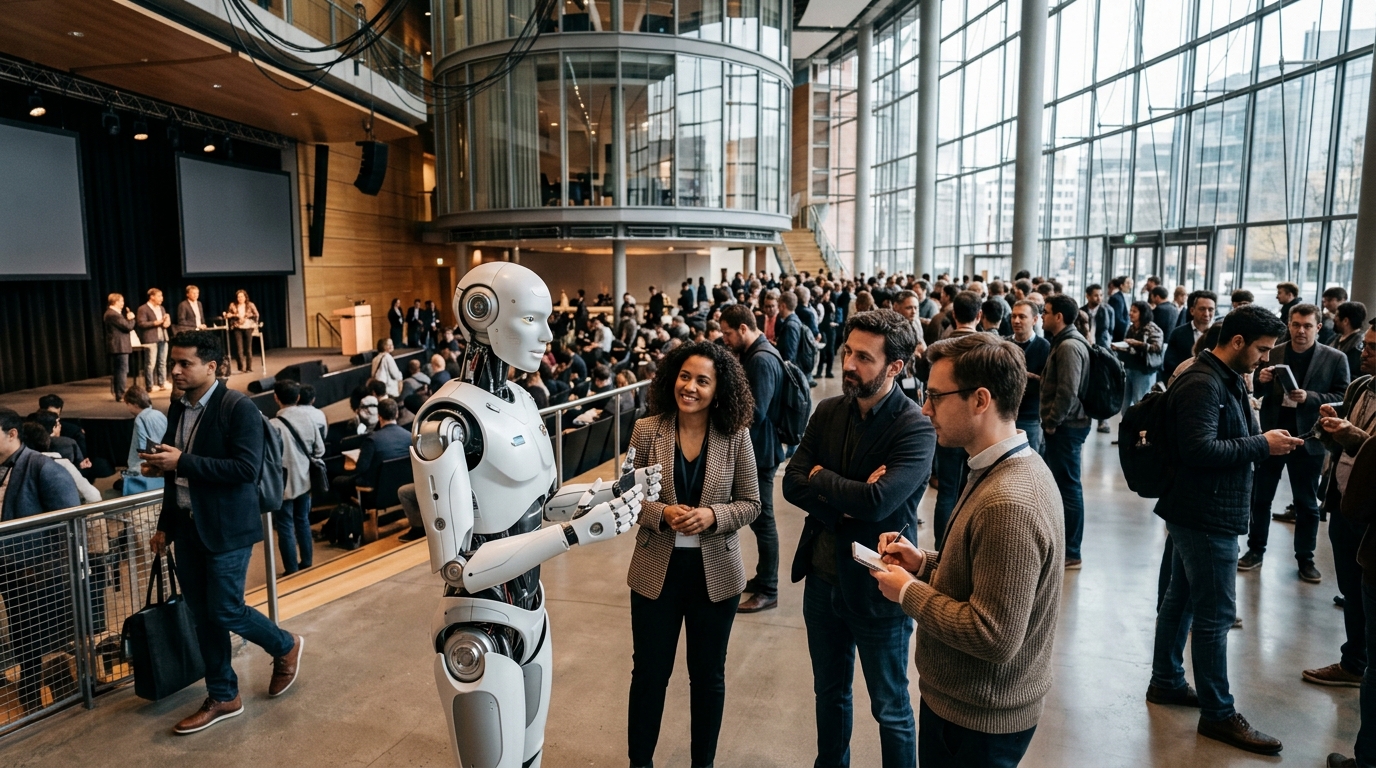
The Robophilosophy 2026 conference invited you to rethink what it means to live alongside intelligent machines. Held from August 11 to 14 at University College Dublin under the theme “Connected Futures: Nature, Robots, and Society,” it examined how robotics and AI are reshaping relationships among people, technology, and the natural world.
As the seventh event in the Robophilosophy series, RP2026 addressed urgent questions about care, responsibility, agency, and social change. Whether you are interested in human-robot interaction, ethics, or the future of AI, the conference offered a thoughtful perspective on how connected technologies may influence the world you share with others.
Key Takeaways
- Robots and AI are becoming participants in social life, influencing trust, care, responsibility, agency, privacy, work, and human relationships—not merely performing isolated tasks.
- The impact of intelligent machines must be evaluated across society, institutions, communities, and ecosystems, including fairness, unequal access, labor disruption, environmental costs, and accountability.
- Responsible automation requires transparent oversight and attention to who designs, controls, and benefits from AI systems, as well as whose values and interests those systems reflect.
- A connected future depends as much on social and ethical choices as on technical progress; meaningful cooperation with intelligent machines requires keeping human values, community needs, and ecological consequences at the center.
Introduction To Robophilosophy 2026
Robophilosophy 2026 brought researchers and curious attendees together in Dublin from August 11 to 14, 2026, at University College Dublin’s Belfield Campus. As the seventh event in the Robophilosophy Conference Series, it explored the theme “Connected Futures: Nature, Robots, and Society.” You could attend in person or join online, making the discussions accessible beyond the conference venue. The event treated robotics and artificial intelligence not only as technical fields, but also as forces changing how people live, work, communicate, and relate to one another.
At the heart of the conference was a far-reaching question: what happens when automated agents become part of your social world? Through discussions of social robotics, human-robot interaction, and AI ethics, Robophilosophy 2026 examined whether robots can occupy meaningful social roles and how their presence may reshape trust, responsibility, care, and companionship. The “Connected Futures” theme also encouraged you to consider how robotic systems connect human communities with wider natural and technological environments. The conference offered a useful framework for understanding how relationships with automated agents are redefining social reality.
UCD Venue And Conference Theme
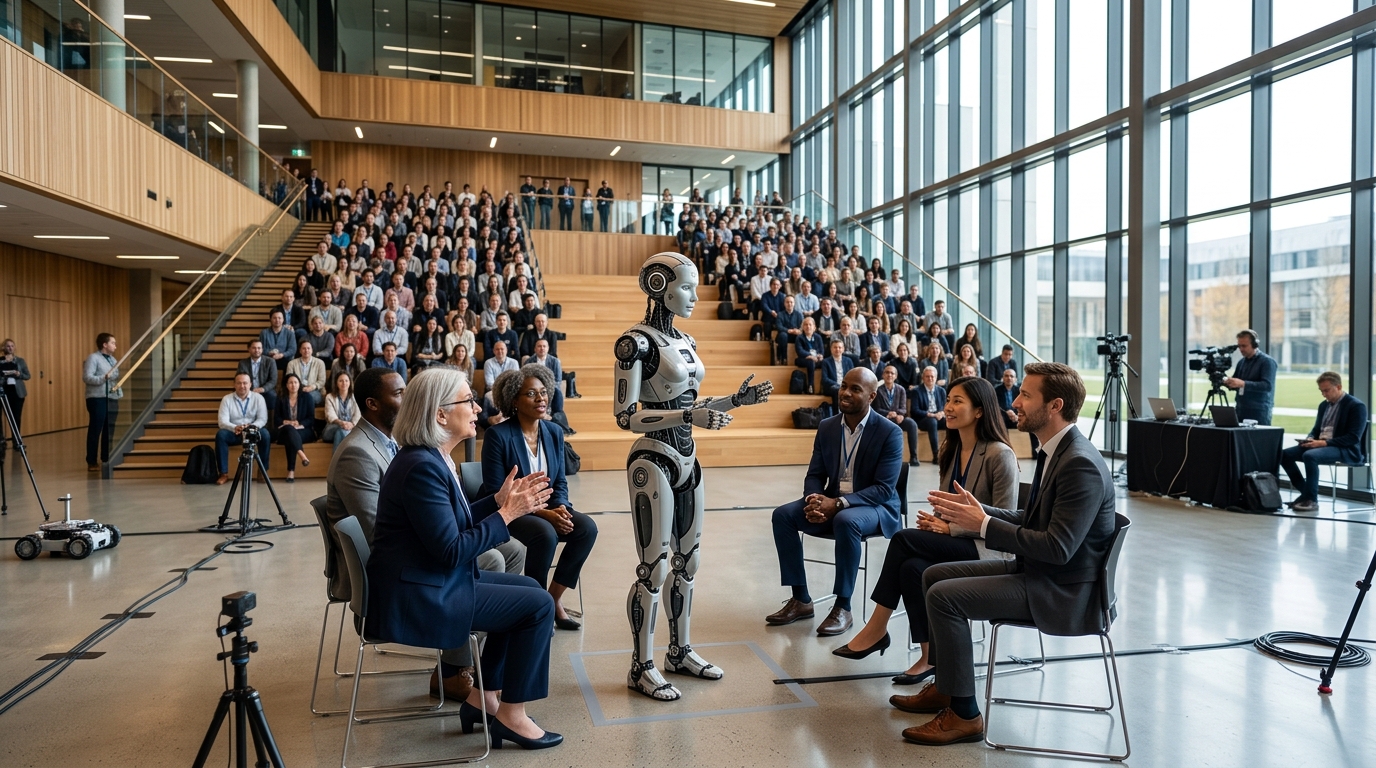
Robophilosophy 2026 took place from August 11 to 14 at University College Dublin’s Belfield Campus. As the seventh event in the Robophilosophy series, it offered a primarily in-person experience with online participation available through its hybrid format. This structure let you engage with discussions in the room while considering how digital connection is changing academic and public conversations. The university setting added a valuable sense of place, linking philosophical debate about emerging technologies with Ireland’s social, cultural, and ecological context.
The official theme, “Connected Futures: Nature, Robots, and Society,” encouraged you to view robots as more than isolated technical devices. It presented them as part of wider networks involving ecological systems, public institutions, technology, and everyday human life. This perspective raises important questions about how automated agents participate in care, work, decision-making, and relationships, and how those interactions may reshape social reality. By connecting robotics with nature and society, the conference made its central challenge clear: understanding the future requires examining not only what robots can do, but also how they change the connections through which people live together.
Robots And Social Reality
Robophilosophy 2026 treated robots as participants in social worlds, not simply as tools designed to perform tasks. Held at University College Dublin from August 11 to 14, 2026, under the theme “Connected Futures: Nature, Robots, and Society,” the conference asked you to look beyond technical capability and consider how automated agents shape everyday experience. Questions of trust and responsibility become especially important when a robot’s actions affect care, safety, decision-making, or access to essential services. The discussion also explored autonomy, asking whether meaningful independence belongs only to humans or can emerge through relationships between people and machines.
This perspective changes how you understand human-robot interaction because it connects individual encounters with wider institutions and systems. A robot in a workplace can influence labor, authority, and professional judgment, while a care robot can reshape expectations about attention, dependence, and human presence. As you interact with automated agents, their design may also affect how you form relationships, distribute responsibility, and decide whom to trust. Robophilosophy 2026 therefore presented social reality as something increasingly shaped by humans, machines, and the rules governing their connection.
Ethics Across Connected Futures
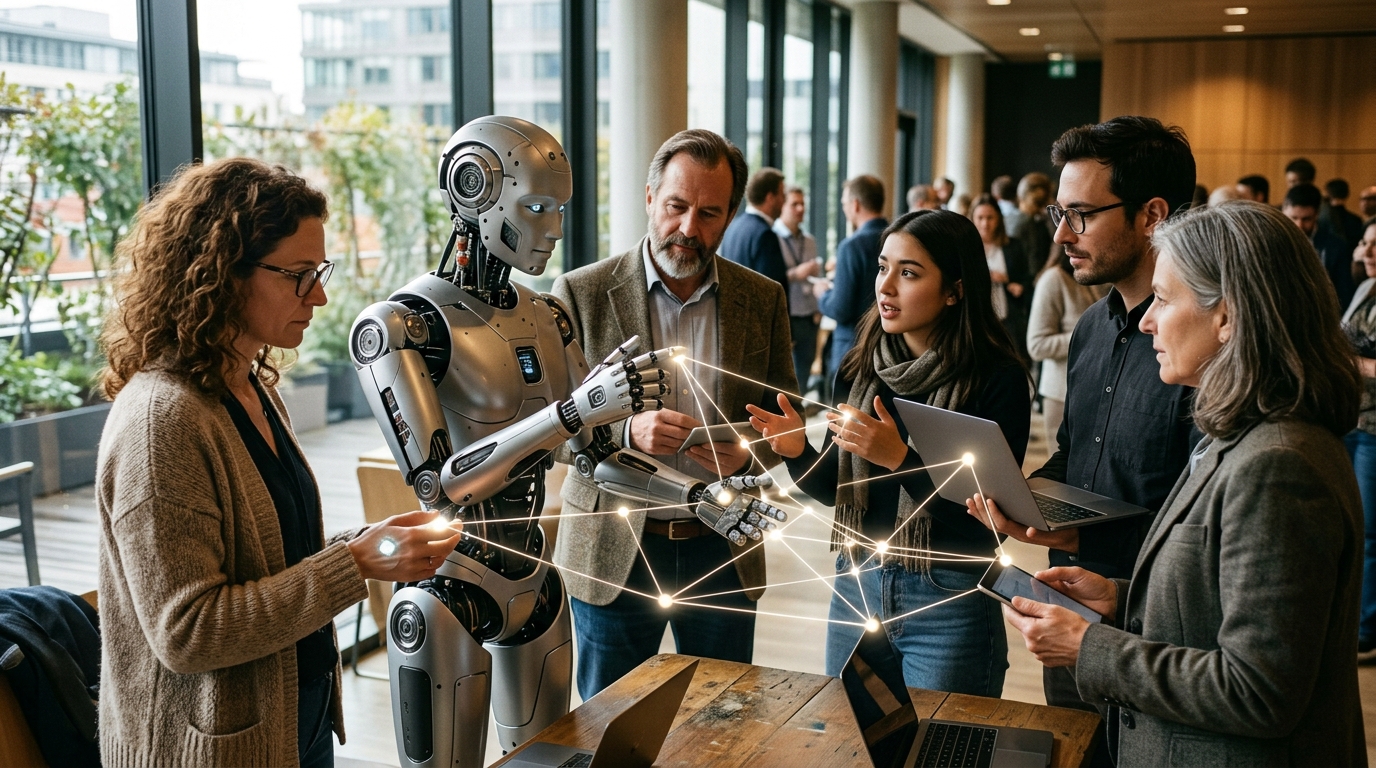
Robophilosophy 2026, held from August 11 to 14 at University College Dublin, examined the theme “Connected Futures: Nature, Robots, and Society.” By bringing together philosophy, AI ethics, law, economics, social robotics, climate research, ecology, and public policy, the conference invited you to see automation as more than a technical achievement. A robot’s social role depends not only on how well it performs, but also on who designs it, who controls its data, and whose interests shape its use. This interdisciplinary perspective helps you understand how automated agents can influence trust, care, work, and the broader structure of social reality.
The conference also showed why responsible automation must account for consequences beyond the machine itself. When you evaluate a robotic system, you need to consider fairness, unequal access, environmental costs, labor impacts, and the laws or institutions responsible for oversight. Connecting robotics with climate research and ecology highlights the material demands of intelligent technologies, including energy use, resource extraction, and electronic waste. Public accountability is therefore essential, ensuring that decisions about connected futures remain open to scrutiny and responsive to the communities they affect.
Robophilosophy 2026 Takeaways
Held from August 11 to 14, 2026, at University College Dublin, Robophilosophy 2026 explored “Connected Futures: Nature, Robots, and Society” through the lens of social robotics and human interaction with autonomous systems. The conference showed you that robots are not simply tools waiting to become more capable, but participants in changing social environments. As automated agents enter homes, workplaces, public services, and ecological projects, they can influence trust, responsibility, privacy, care, and how people understand one another. The central question was not only what robots can do, but how their presence reshapes social reality.
The discussions also showed that living with autonomous systems will require more than technical safeguards or efficient design. You will need to consider who shapes these systems, whose values they reflect, and how their decisions affect people, other species, and the wider environment. A connected future can create new forms of cooperation, but it can also deepen exclusion or shift accountability in ways that are difficult to see. You should therefore view robotics as a social and philosophical question involving the communities, workplaces, ecosystems, and institutions you choose to build.
Takeaways from Robophilosophy 2026
Robophilosophy 2026 offered you a timely way to examine how robots are reshaping social reality. Held from August 11 to 14, 2026, at University College Dublin’s Belfield Campus, the seventh conference in the series explored the theme “Connected Futures: Nature, Robots, and Society.” Its hybrid format brought together perspectives from social robotics, human-robot interaction, artificial intelligence, and philosophy. By connecting technical developments with questions about responsibility, trust, care, and belonging, the event encouraged you to view robots as participants in increasingly complex social environments.
The conference also highlighted that the future of robotics is not only about what machines can do, but about how you choose to live with them. As automated agents enter homes, workplaces, healthcare settings, and public spaces, they influence expectations about agency, relationships, and community. Robophilosophy 2026 provided a useful framework for considering both the opportunities and ethical tensions of connected futures. Its central message remains clear: understanding robots requires you to think as carefully about society and human values as you do about technology.
Frequently Asked Questions
1. What was the Robophilosophy 2026 conference?
Robophilosophy 2026 was the seventh event in the Robophilosophy Conference Series, focused on the philosophical and social effects of robotics and artificial intelligence. It explored how intelligent machines may influence relationships, responsibility, care, agency, and everyday life.
2. When and where was Robophilosophy 2026 held?
The conference took place from August 11 to 14, 2026, at University College Dublin’s Belfield Campus in Dublin. You could participate in person or join online, giving you access to the discussions beyond the physical venue.
3. What was the theme of Robophilosophy 2026?
The theme was “Connected Futures: Nature, Robots, and Society.” It encouraged you to consider how robotics and AI connect people with one another, with technology, and with the natural world.
4. What topics did Robophilosophy 2026 explore?
The conference examined social robotics, human-robot interaction, AI ethics, care, responsibility, agency, trust, companionship, and social change. It also considered how automated agents may become part of human communities and affect the way you live, work, communicate, and relate to others.
5. Why was Robophilosophy 2026 important?
Robophilosophy 2026 treated robotics and AI as more than technical tools, examining them as forces that can reshape society and human relationships. This perspective helped you think critically about who is responsible for intelligent systems, how much agency they should have, and what their growing presence means for the future.
6. Who could benefit from attending Robophilosophy 2026?
The conference was relevant to researchers, students, technology professionals, and anyone curious about the social and ethical effects of AI and robotics. You could find value in it if you follow human-robot interaction, machine ethics, social robotics, or the broader future of connected technologies.
7. Did Robophilosophy 2026 focus only on robots and artificial intelligence?
No. Although robotics and AI were central, the conference connected these subjects to nature, society, relationships, and human values. Its broader aim was to help you understand how intelligent machines may influence technological systems and the environments in which people live.
8. What central question shaped Robophilosophy 2026?
A central question was what happens when automated agents become part of your social world. The conference used this question to examine whether robots can occupy meaningful social roles and how their presence may change ideas about trust, care, companionship, responsibility, and human connection.