
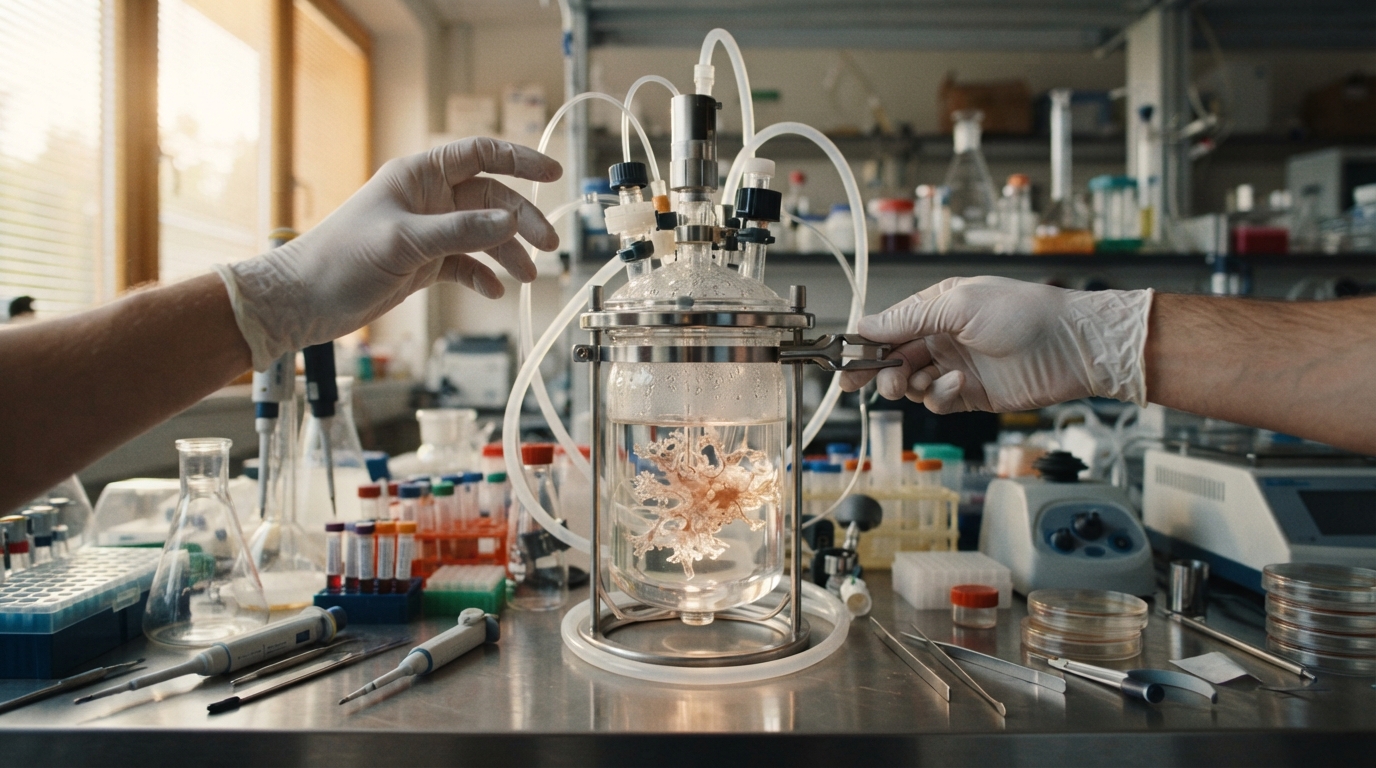
Synthetic biology can help you design medicines, cleaner materials, and more resilient crops, but it can also alter living systems in ways that are difficult to predict or reverse. That tension makes the moral limits of synthetic biology more than a theoretical question. It asks where innovation should stop when potential harm could be global, irreversible, or impossible to contain. The challenge is not simply deciding what you can create, but what you should create.
As you consider these questions, safety is only the beginning. You must also examine ecological disruption, fairness, security, public consent, and who bears the risks when benefits are unevenly distributed. An emerging approach is anticipatory governance, which sets a high burden of proof for dangerous applications before technology moves beyond your ability to control it.
Key Takeaways
- Synthetic biology should be judged not only by what can be created, but by whether creation respects human dignity, ecological stability, fairness, security, and public consent.
- Applications capable of causing irreversible, global, or uncontrollable harm—such as uncontrolled ecological releases, dangerous gene drives, or engineered pathogens—should face a presumption against approval and an exceptionally high burden of proof.
- Anticipatory governance requires independent oversight, transparent research, meaningful public participation, international cooperation, and precaution before technologies become difficult to contain or reverse.
- Benefits and risks must be distributed fairly, with affected communities, Indigenous peoples, animals, future generations, and vulnerable populations protected from bearing disproportionate costs.
Introduction To Synthetic Biology Moral Limits
Synthetic biology increasingly allows you to design, construct, and redesign living systems rather than simply observe them or make limited modifications. You can now view biology as both a subject of study and a medium for engineering, with applications ranging from medicines and sustainable materials to organisms built for specialized tasks. The reported creation of fully synthetic complex organisms in July 2026 has made this shift especially consequential. It raises a basic philosophical question: when you gain the power to create new forms of life, what responsibilities come with that power?
The phrase “playing God” captures concern about crossing a boundary, but it does not identify where that boundary lies. You must also ask who bears responsibility if a synthetic organism causes ecological damage, spreads beyond containment, or deepens existing inequalities. Scientific capability alone cannot settle these questions, because the ability to do something does not establish that society should permit it. Moral judgment requires attention to consent, justice, animal and environmental welfare, security, and the possibility of irreversible harm.
For that reason, current debate is moving beyond narrow laboratory safety toward anticipatory governance. This approach asks you to consider social values, ecological effects, public legitimacy, and long-term risks before a technology becomes difficult to control. There is no universally accepted moral limit for synthetic biology, but activities involving potentially global, irreversible, or uncontrollable harm may warrant a presumption against proceeding or an exceptionally strong justification. The central challenge is not simply whether humans should create life, but how responsibly they should exercise the power to reshape it.
From Genetic Editing To Designed Life
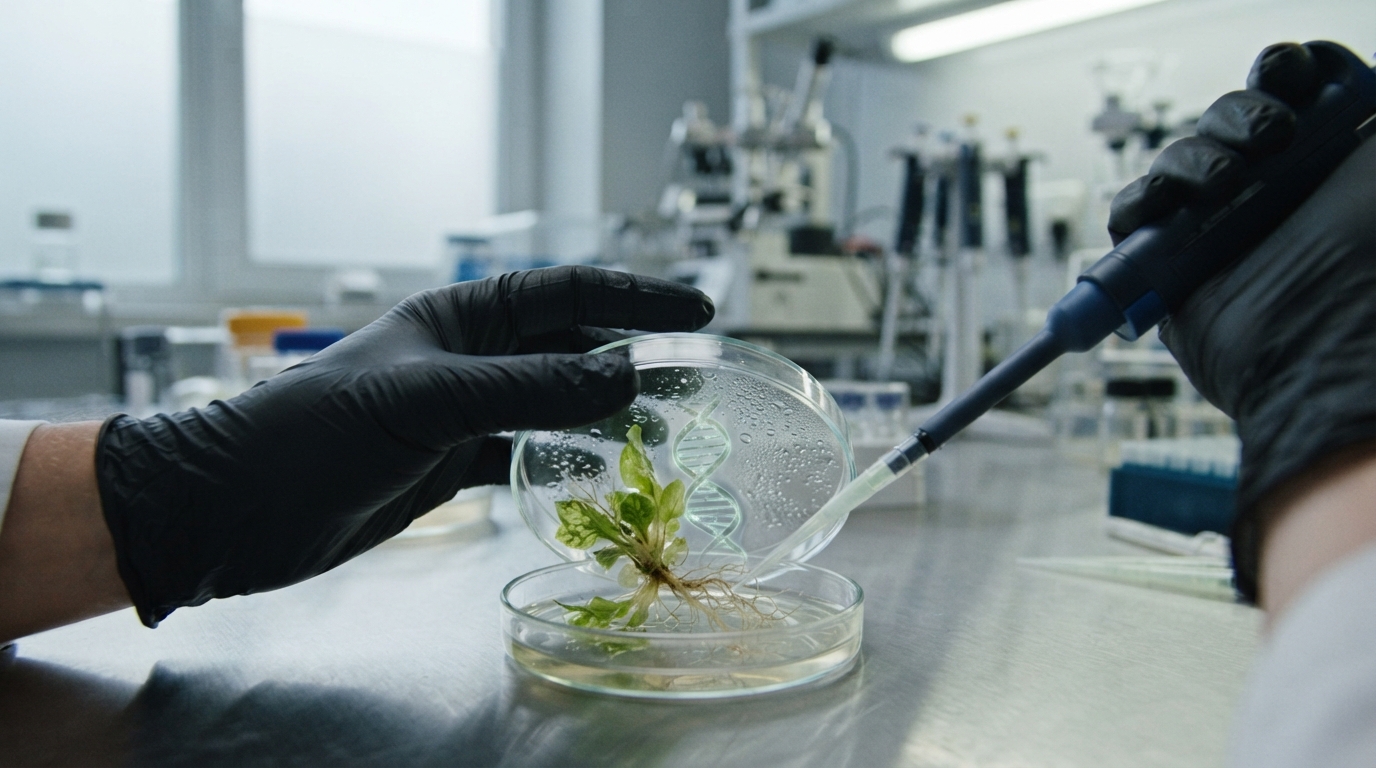
Modifying an existing organism and creating synthetic life from the ground up can raise different moral questions. Gene editing often changes an organism that already has a place in an ecosystem, while synthetic cells and engineered microbes may introduce biological systems with no natural history or established ecological role. As you consider these technologies, intention matters, but beneficial purposes, such as producing medicines, do not automatically remove the risks. You also need to ask whether the organism can suffer, how complex its behavior may become, and whether its design could create new forms of dependence, vulnerability, or control.
The possibility of ecological spread makes the boundary even more difficult to draw. A contained synthetic cell may present limited concerns, but a gene drive or engineered microbe could reproduce, cross borders, and alter ecosystems before researchers can reverse its effects. After the July 2026 announcement of the first fully synthetic complex organisms, these questions are no longer confined to thought experiments. You are being asked to judge when innovation requires more than technical competence and regulatory approval. There is no universally accepted line between responsible creation and playing God, but activities with potentially irreversible, global, or uncontrollable consequences warrant a very high burden of proof, broad public participation, and a presumption against proceeding until their safety and legitimacy are convincingly established.
Irreversible Risks And Global Consent
Synthetic biology reaches a moral limit when an experiment could cause harm that is irreversible, uncontrollable, or impossible to contain. After the July 2026 announcement of the first fully synthetic complex organisms, you have stronger reason to ask not only whether something can be built, but whether it should be released into a world that no single institution governs. Ecological release, for example, could allow an engineered organism to spread through food webs or alter habitats in ways that cannot be reversed. In such cases, safety testing alone is not enough, and the activity may warrant a presumption against proceeding unless its benefits, safeguards, and legitimacy are exceptionally well established.
Gene drives make this concern especially clear because they are designed to spread chosen genetic traits through wild populations, potentially crossing borders and generations. Engineered pathogens and AI-designed biological sequences raise a different but related danger: faster design and synthesis could lower the barriers to creating organisms capable of causing widespread illness or ecological disruption. You should therefore evaluate these technologies through anticipatory governance, considering security, justice, ecological effects, and public legitimacy before development becomes difficult to control. A high burden of proof is justified when failure could affect people who never agreed to bear the risk.
Meaningful consent becomes difficult when consequences extend across communities, nations, and future generations. A present-day researcher, company, or government cannot easily authorize an irreversible environmental change on behalf of people who have no vote, no ability to opt out, and no practical remedy if conditions worsen. Even current communities may be excluded when decisions are made far from the regions most likely to experience ecological or health impacts. Respect for global consent therefore requires transparent deliberation, independent oversight, and a willingness to prohibit projects whose risks cannot be bounded, reversed, or fairly shared.
Justice Ownership And Human Dignity

The announcement of the first fully synthetic complex organisms in July 2026 makes questions of ownership impossible to ignore. If you can design and assemble living systems, who should control them, and who should share in the benefits they produce? Patents may reward innovation, but treating genes, cells, or entire organisms as private intellectual property can restrict access to medicines and concentrate power in a small number of institutions. You should also ask whether communities whose biological resources or traditional knowledge inform new inventions have meaningful consent, recognition, and a fair share of the gains. Indigenous sovereignty requires more than consultation, especially when research affects culturally significant species, lands, or forms of knowledge.
Justice also depends on who carries the risks when synthetic biology serves global health, industrial production, or military strategy. A therapy created through synthetic biology may save lives yet remain inaccessible to the people who need it most if pricing, patents, or manufacturing capacity place it out of reach. Communities with less political power may face laboratory accidents, environmental releases, surveillance, or weaponization without having a real voice in the decisions. Animal welfare adds another boundary, since creating, modifying, or testing organisms for human purposes can impose suffering that cannot be justified by novelty alone. Anticipatory governance therefore asks you to evaluate not only whether an experiment is technically safe, but also whether its benefits, burdens, and decision-making processes are fairly distributed.
Human dignity becomes especially important when living systems are created for profit, military advantage, or human enhancement. The ability to design life does not automatically give you the moral authority to treat every organism as a product, tool, or upgrade. Enhancement technologies could expand human freedom, but they could also deepen inequality if access follows wealth or pressure people to alter themselves to remain competitive. A defensible boundary should therefore demand strong evidence of benefit, meaningful public participation, respect for ecological and Indigenous rights, and safeguards against irreversible harm. Synthetic biology need not be rejected as an attempt to “play God,” but its power should remain accountable to the people, animals, and living systems affected by it.
Anticipatory Governance And Moral Boundaries
Anticipatory governance asks you to consider synthetic biology’s consequences before a technology becomes difficult to control or reverse. The July 2026 announcement of the first fully synthetic complex organisms makes that question more urgent because the issue is no longer limited to redesigning individual genes or microbes. You must weigh potential benefits, including medical treatments and environmental repair, against ecological disruption, unequal access, misuse, and harms that could spread beyond any single laboratory or nation. This approach does not assume that creating life is automatically wrong, but it insists that scientific possibility alone is not enough to justify action.
Meaningful public participation should shape these decisions, especially when risks and benefits will be distributed unevenly. Independent oversight can test researchers’ claims, require transparent reporting, and ensure that commercial or national interests do not determine moral boundaries by themselves. International cooperation is equally important because organisms can cross borders, while shared standards can prevent a race toward weaker safeguards. Precaution is not a demand to halt every ambitious project. It is a reason to slow down when evidence is limited and potential consequences are irreversible or uncontrollable.
Clear red lines give anticipatory governance practical force by identifying activities that should face a presumption of prohibition or an exceptionally high burden of proof. These boundaries might include creating organisms capable of causing widespread, self-sustaining harm, releasing synthetic life without credible containment, or developing systems whose effects cannot be monitored or recalled. You can therefore distinguish between research that responsibly expands knowledge and projects that place humanity, ecosystems, or future generations at unacceptable risk. Moral limits are strongest when they remain transparent, revisable in light of evidence, and grounded in public legitimacy rather than fear alone.
Conclusion On Synthetic Biology Moral Limits
Synthetic biology has no single universally accepted moral boundary because its possibilities range from life-saving medicines and cleaner manufacturing to ecological, security, and social risks. Following the July 2026 announcement of the first fully synthetic complex organisms, questions about “playing God” have become more immediate, but the central issue is not whether humans should create biological systems at all. It is whether a particular application respects human dignity, ecological stability, fairness, and the limits of democratic oversight. Any proposal that could be irreversible, uncontrollable, profoundly harmful, or unjust should face a presumption against proceeding and require exceptional justification.
You can apply a practical ethical test before supporting the creation or release of synthetic life. Ask who stands to benefit, who could be harmed, whether the effects can genuinely be reversed or contained, and whether the people and communities most affected have a meaningful voice in the decision. These questions move governance beyond narrow laboratory safety toward anticipatory responsibility, including justice, public legitimacy, ecological consequences, and security. When the stakes include global or permanent effects, caution is not opposition to science. It is part of using science responsibly.
Draw the Line at Irreversible Harm
Synthetic biology moral limits are not defined by a single line between “natural” and “unnatural.” Following the July 2026 announcement of the first fully synthetic complex organisms, you may reasonably ask whether creating life means playing God, but the deeper ethical question is what responsibilities follow from that power. The strongest concern is not creation itself, but the possibility of irreversible, global, or uncontrollable harm, including ecological disruption, misuse, and the suffering of sentient organisms. For that reason, activities posing such risks should face a presumption against approval or an exceptionally high burden of proof.
A responsible approach asks you to look beyond laboratory safety and consider justice, security, environmental impact, and public consent before innovation becomes difficult to control. Anticipatory governance can require transparent research, independent oversight, meaningful public participation, and clear limits on experiments with uncertain consequences. No universal moral boundary exists, but society can still establish practical red lines around unacceptable risks and demand stronger evidence when vulnerable communities or future generations may bear the costs. The goal is not to halt synthetic biology, but to ensure that its benefits are pursued with humility, accountability, and respect for the living systems you cannot fully predict or repair.
Frequently Asked Questions
1. What are the moral limits of synthetic biology?
Moral limits are boundaries that guide you in deciding which biological designs should be pursued, restricted, or prohibited. They become especially important when an application could cause global harm, irreversible ecological change, widespread inequality, or risks that cannot be contained. Scientific feasibility alone is not enough to justify moving forward.
2. Does synthetic biology mean that humans are playing God?
The phrase “playing God” expresses concern about human power over life, but it does not provide a clear ethical rule. You need to examine more specific questions, including whether the work is necessary, whether its risks are proportionate to its benefits, and who remains accountable if something goes wrong. The responsibility that comes with creating or redesigning living systems is more useful than the slogan itself.
3. What ethical standards should guide synthetic biology research?
You should evaluate synthetic biology through safety, environmental protection, fairness, security, transparency, and public consent. Research deserves a higher burden of proof when it involves self-replicating organisms, difficult-to-reverse changes, or effects that could extend beyond one community or country. Independent oversight and ongoing monitoring should accompany development rather than follow it after harm occurs.
4. Why is ecological disruption a major concern?
A synthetic organism may interact with ecosystems in ways that are difficult to predict, especially if it escapes containment, reproduces, or transfers genetic material. Even a project designed to solve one problem could displace species, alter food webs, or create new vulnerabilities. You should therefore consider long-term ecological effects, reversibility, containment, and emergency response before release.
5. How should society handle synthetic biology applications with uncertain risks?
Uncertainty should not be treated as proof that an application is safe. Anticipatory governance calls for careful modeling, staged testing, independent review, and a high burden of proof before work with potentially global or irreversible consequences advances. When safeguards cannot reliably control the risk, delaying or restricting the application may be the most responsible choice.
6. Who should benefit from synthetic biology, and who should bear the risks?
The benefits and risks should not be distributed according to wealth or political power alone. You should ask whether affected communities have a meaningful role in decisions, whether they can refuse or seek a remedy, and whether access to medicines, crops, or materials will be fairly shared. Ethical development requires accountability for organizations that profit while others carry the environmental or health risks.
7. How do security concerns affect the moral limits of synthetic biology?
The same tools that can support medicine, agriculture, or environmental repair may be misused to create biological threats or weaken existing safeguards. You should weigh the value of sharing methods and data against the possibility that they could enable harm, while maintaining responsible oversight and secure research practices. High-risk information and experiments require stronger review than routine, well-contained work.
8. Why is public consent important in synthetic biology?
Synthetic biology can affect people who never agreed to participate, particularly when organisms are released into shared environments or when benefits and risks cross national borders. Public consent requires understandable information, genuine opportunities for participation, and decision-making processes that take dissent seriously. Expert approval is important, but it cannot replace democratic accountability when communities may face lasting consequences.