

When technology can read signals from your brain and send data wirelessly, privacy stops being an abstract concern. It becomes personal. Understanding neural link security ethics means asking who controls your neural data, how it is protected, and what happens if the system is hacked, misused, or fails. These questions matter now, while implanted brain-computer interfaces remain in the experimental clinical-trial stage and researchers are still defining the boundaries of safe, responsible use.
You deserve more than promises of innovation. You deserve clear answers about consent, autonomy, accessibility, and accountability. The choices made today could shape whether brain-computer interfaces expand human freedom or create new forms of surveillance and control. Examining these risks helps you think critically about the technology before its capabilities and consequences reach everyday life.
Key Takeaways
- Neural data can reveal highly intimate information about intentions, attention, emotions, movement, and health, so users must retain meaningful control over its collection, storage, analysis, sharing, and deletion.
- A compromised neural interface could threaten more than privacy by disrupting communication, movement, decision-making, autonomy, and personal identity; strong encryption, access controls, secure updates, monitoring, and recovery safeguards are essential.
- Informed consent must continue throughout the device’s lifecycle and clearly cover uncertainty, data practices, software updates, withdrawal rights, device removal, loss of support, and alternatives without coercion or penalty.
- Manufacturers, clinicians, developers, researchers, and regulators must establish clear liability, independent oversight, accessibility standards, breach remedies, and user representation before neural implants expand beyond carefully monitored clinical trials.
Introduction To Neural Link Ethics
Implanted brain-computer interfaces are more than medical technologies because they could change how you understand privacy, identity, and personal agency. An implant that translates neural signals into digital commands may help you control a computer, but it also raises a deeper question: who controls the boundary between your thoughts and the systems that interpret them? As researchers consider potential consumer trials in 2026, the prospect of “hacking the self” is moving from philosophy of mind into practical security ethics. You are no longer considering only the protection of medical records, but also the protection of intimate signals connected to intention, behavior, and identity.
Today’s implanted brain-computer interfaces remain experimental and are being evaluated through early-stage clinical research, primarily for people with paralysis, rather than offered as routine consumer products. That limited status makes careful oversight especially important before implants become widely available. Wireless communication, software updates, data storage, and access by clinicians or manufacturers could each create security risks, while failures or unauthorized interference might affect more than information on a screen. If a device helps translate your intentions into action, securing it becomes part of protecting your autonomy, dignity, and right to remain the author of your own decisions.
Neural Data And Mental Privacy

Neural signals could reveal far more than a password or browsing history. As implanted brain-computer interfaces move through experimental human trials in 2026, you may need to think of attention, intentions, emotional states, motor plans, and indicators of health as part of your most intimate identity. Even when a system cannot “read your thoughts” in a complete or cinematic sense, patterns in neural activity may support sensitive inferences about what you are focusing on, how you feel, or how you might behave. That possibility makes neural link security an ethical issue about the self, not merely another cybersecurity problem.
You should also be able to ask who controls the raw signals, the interpretations produced from them, and the records created over time. Data might be stored by a device maker, shared with researchers, used to improve software, or monetized through services, creating risks that ordinary personal data does not fully capture. A breach could expose not only what you chose to disclose, but also physiological signals you never intended to communicate. Strong protections should therefore include data minimization, strict access controls, independent oversight, and a presumption that you retain ownership and meaningful authority over your neural information.
Consent becomes especially difficult when you cannot predict what future algorithms may infer from today’s signals. You might agree to collect data for communication assistance without realizing that later systems could analyze attention, mood, or medical risk. For consent to be meaningful, you need clear explanations, regular opportunities to withdraw, and protection against being penalized for refusing secondary uses. The deeper philosophical question is whether hacking a neural interface threatens only your privacy or also your ability to decide where your mind ends and an external system begins.
Hacking Agency And Personal Identity
An implanted brain-computer interface turns cybersecurity into a question of personal agency. If an attacker altered device commands, interrupted communication, or interfered with the signals used to control a cursor or robotic limb, you could lose more than access to a digital account. You might be unable to move as intended, communicate reliably, or trust whether an action originated with you. As consumer-facing neural implant trials attract attention in 2026, these risks make neural link security ethics an urgent issue rather than a distant thought experiment.
The philosophical stakes become clearer when you consider responsibility. If compromised software causes a device to move, send a message, or make a selection, should you be held responsible for the outcome? Control over neural data also raises questions about privacy, since patterns linked to intention, attention, or emotion could reveal aspects of your inner life that you did not choose to disclose. Protecting the device therefore means protecting not only information, but also the conditions that allow you to act freely and be recognized as the author of your decisions.
A sustained attack could produce psychological distress even when no physical injury occurs. Repeated failures might make you doubt your perceptions, memories, or the authenticity of your choices, creating a troubling boundary between malfunction and selfhood. You may reasonably ask whether an altered output is merely a technical error or an intrusion into the person you understand yourself to be. Ethical design should therefore treat consent, emergency control, transparent updates, secure recovery, and meaningful user control as essential safeguards for autonomy and identity.
Consent Governance And Accountability
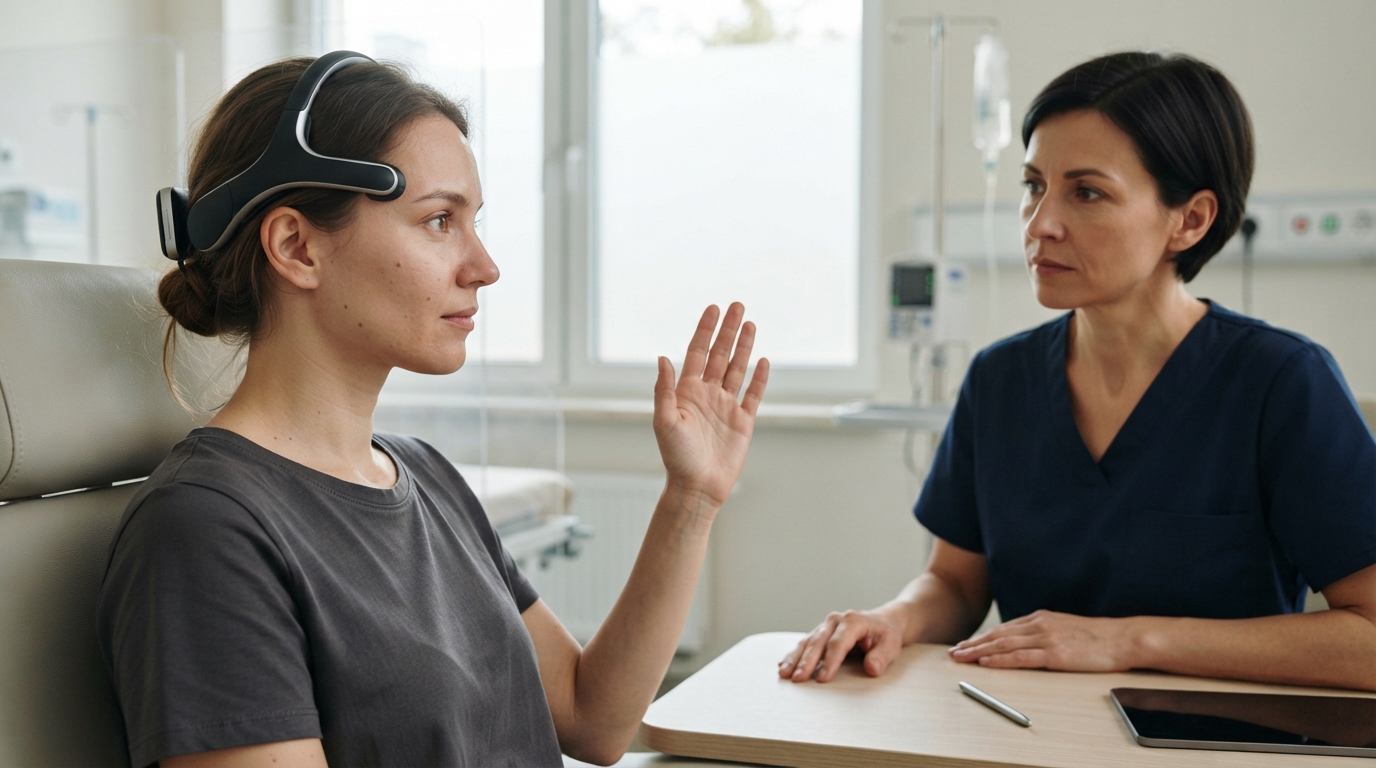
Ethical consent for an implanted brain-computer interface must extend beyond signing a form before surgery. You should receive a clear explanation of data collection, cybersecurity risks, possible effects on identity and autonomy, and what may happen if the device stops working or the trial ends. Consent also needs to remain voluntary over time, especially when participants face paralysis, financial pressure, or limited access to other treatments. Accessibility matters because a technology designed to restore communication or movement should not be available only to wealthy users or people living near specialized clinics. Regulators and clinicians must also examine unequal risks, including surgical complications, differing medical histories, disability-related vulnerabilities, and the possibility that some users cannot easily refuse an update or withdraw from monitoring.
Security responsibilities continue after implantation, since software updates can change how you communicate, move, or interact with the world. Developers should test updates independently, explain material changes in understandable language, provide rollback or emergency safeguards where possible, and never treat convenience as more important than bodily autonomy. You should also know whether removal is medically possible, who pays for it, and what happens to your data and capabilities afterward. A device that becomes unsupported, incompatible, or unsafe can create a form of technological dependence that resembles a loss of control over part of the self. These questions make neural link security ethics a matter of philosophy as well as engineering, because the boundary between your mind and an external system may become increasingly difficult to define.
If a breach exposes neural data or allows unauthorized control, accountability should not automatically be shifted onto you for failing to protect an implanted device. Manufacturers, clinicians, software developers, and regulators should establish liability rules before wider adoption, including responsibility for negligent design, inadequate warnings, unsafe updates, and delayed breach disclosure. Independent oversight should include security researchers, ethicists, disability advocates, patient representatives, and public regulators who are free to challenge organizational claims and pause deployment when evidence is incomplete. You deserve meaningful remedies, including support for investigation, medical care, data protection, and device removal when harm occurs. Until those safeguards are tested in practice, expanding beyond carefully monitored clinical trials would risk making experimentation a permanent condition of living with the technology.
Conclusion Building Trustworthy Neural Futures
Neural link security must protect more than the implant, software, and wireless connection. It must also protect you as the person whose signals, intentions, and identity may become part of the system’s operation. As early human trials continue in 2026, the possibility of hacking the self makes familiar cybersecurity concerns feel deeply personal: a breach could threaten not only data, but also agency, dignity, and your sense of self. Strong safeguards therefore need to address unauthorized access, manipulation, data misuse, system failure, and the unequal power that can arise when someone else controls the technology you depend on.
Trust will depend on whether you can understand what the device does, consent to how it uses your neural data, and change your mind without losing essential support. Transparency should make risks and limitations clear, while meaningful user control should include privacy protections, secure updates, independent oversight, and practical ways to pause or disconnect the system. These principles recognize that mental privacy and autonomy are not abstract philosophical ideals, but conditions for safe participation in a neural future. Ethical design should treat mental privacy, autonomy, transparency, and user control as fundamental safety requirements, not optional features.
Protecting Privacy and Autonomy in Neural Links
Neural link security ethics begins with recognizing that an implanted brain-computer interface is not simply another connected device. As you consider the prospect of controlling software through neural signals, you are also confronting questions about privacy, autonomy, and personal identity. A security breach could expose sensitive biological information, alter how commands are interpreted, or interfere with your ability to act, making “hacking the self” more than a metaphor. Strong encryption, careful access controls, independent testing, and transparent reporting are therefore ethical safeguards as much as technical requirements. Because these systems remain in experimental clinical trials rather than being established consumer treatments, claims about their benefits and risks should be treated with particular caution.
You also deserve meaningful consent, understandable information about uncertainty, and a genuine ability to withdraw without losing essential care or social support. Ethical oversight must address who owns neural data, how long it is retained, whether it can be used for research, and who is responsible if an implant malfunctions or is compromised. The deeper philosophical issue is whether changing the connection between brain, body, and technology could affect your sense of agency or continuity of self. Protecting that boundary requires security standards that evolve alongside the technology, not after a harmful incident. Ultimately, responsible neural links should expand human capabilities while preserving the rights, dignity, and freedom that make those capabilities worth having.
Frequently Asked Questions
1. What is neural link security ethics?
Neural link security ethics examines how brain-computer interfaces should protect your privacy, autonomy, safety, and dignity. It addresses who controls neural data, how implants are secured, how consent is obtained, and who is responsible when a system is misused, hacked, or fails.
2. Why is neural data more sensitive than ordinary personal information?
Neural data may reveal patterns connected to your intentions, attention, emotions, movement, or health. Even when it cannot directly read complex thoughts, combining it with other information could create highly personal profiles, so it requires stronger protections than many conventional forms of medical or behavioral data.
3. Who should control the neural data collected by an implant?
You should have meaningful control over how your neural data is collected, stored, analyzed, shared, and deleted. Organizations and researchers may need limited access to operate or improve a device, but that access should be clearly explained, limited to a specific purpose, secured, and subject to your informed permission.
4. Can a neural implant be hacked, and what would that mean for you?
Any connected device can face cybersecurity threats, including unauthorized access, data theft, software manipulation, or disruption of its functions. For an implanted system, the consequences could affect not only your privacy but also your physical safety, communication, movement, and sense of personal control, making encryption, authentication, continuous monitoring, and rapid incident response essential.
5. How can informed consent work when the technology is experimental?
Informed consent requires more than signing a form, especially when long-term risks and benefits remain uncertain. You should receive clear information about the device, surgical risks, data practices, possible failures, alternatives, withdrawal rights, and what happens if the trial or organization ends.
6. Could neural links threaten personal autonomy or identity?
They could if software, providers, caregivers, or outside organizations influence your choices without your knowledge or meaningful control. Protecting autonomy requires transparent system behavior, user override options, freedom from coercion, and safeguards against treating device-generated signals as a complete or unquestionable representation of who you are.
7. How should society address fairness and accessibility in neural link development?
Ethical development should include people with disabilities, patients, security experts, ethicists, and communities likely to be affected by the technology. Access should not depend solely on wealth, and researchers should evaluate whether neural links reduce inequality or create new divisions between people who can afford enhanced communication and those who cannot.
8. Who is accountable if a neural link causes harm?
Responsibility should be shared clearly among manufacturers, software developers, clinicians, researchers, institutions, and regulators, based on their roles and decisions. Strong oversight should require safety testing, independent review, transparent reporting, post-implant monitoring, accessible complaint processes, and meaningful remedies for people harmed by negligence, security failures, or misuse.