
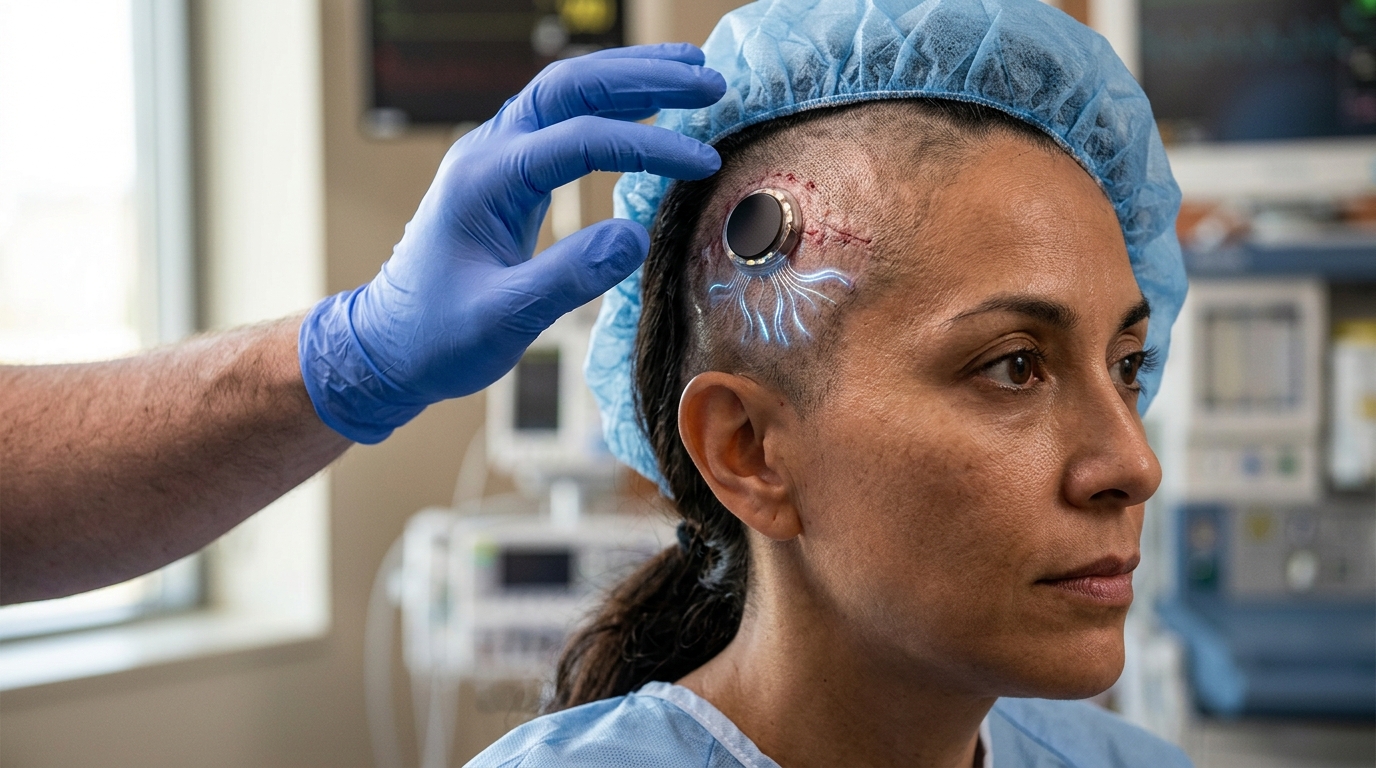
The 2024 brain implant ethical controversy raised urgent questions about what happens when breakthrough technology moves faster than public oversight. As you examine the company’s brain implant, you’ll encounter allegations of animal suffering, concerns about rushed experimentation, and questions about whether preclinical findings were reported transparently. The first human trial added new scrutiny after device malfunctions and reports of hazardous-material handling.
At the same time, the story is more nuanced than a simple claim that regulators found the implant unsafe. Federal inspections identified compliance problems, but the FDA said the findings did not demonstrate violations that undermined the device’s safety, and it did not suspend the trial. The deeper issue is how much risk, uncertainty, and limited transparency society should accept when implanted BCIs could restore communication and independence for people with paralysis.
Key Takeaways
- The PRIME Study is an early-feasibility trial, not proof that the N1 implant is ready for widespread clinical use. It may help people with paralysis control computers and regain independence, but surgery, malfunction, uncertain long-term effects, and possible repeat procedures remain significant risks.
- Animal-welfare allegations, rushed experimentation, incomplete preclinical reporting, and hazardous-material handling highlight the need for stronger transparency and independent oversight before expanding human trials.
- Federal inspections found compliance problems, but the FDA said they did not demonstrate violations undermining the implant’s safety and did not suspend the trial. Regulatory concerns therefore warrant closer scrutiny without proving that the device is broadly unsafe.
- BCIs raise fundamental questions about agency, identity, and privacy because algorithms translate neural activity into actions. Strong safeguards must govern neural-data ownership, consent, cybersecurity, software interpretation, maintenance, explantation, and the user’s ability to withdraw without losing essential support.
2024 Human Trial Ethics
The PRIME Study is the first-in-human, early-feasibility trial of the wireless N1 implant, a device designed to record neural signals and translate them into commands for external technology. In January 2024, participant Noland Arbaugh, who has paralysis, received the implant, allowing him to control a computer cursor and other functions through intended neural activity. Because the study was designed to assess initial safety and functionality, it was not proof that the technology was ready for broad clinical use or capable of reading a person’s thoughts in general. You can see the ethical tension in the balance between meaningful independence and experimental risk, including surgery, device malfunction, uncertain long-term effects, and the possibility of needing additional procedures.
Informed consent therefore requires more than an explanation of the technical procedure. You must receive a realistic account of uncertainty, alternatives, privacy risks, and what could happen if the system stops working or changes how you interact with the world. Public communication also matters. Optimistic announcements about performance can shape expectations before independent evidence has fully emerged, while reports of hardware or signal problems can raise questions about transparency without automatically proving that the research was unsafe. As you consider the deeper philosophy of mind debate, the N1 does not demonstrate that consciousness has merged with artificial intelligence, but it does blur the boundary between intention, bodily action, and machine response. Arbaugh’s ability to control external devices highlights the potential for restored agency, while also prompting you to ask whether increasing dependence on an implanted system could affect identity, autonomy, or your sense of self.
Animal Welfare And Preclinical Evidence
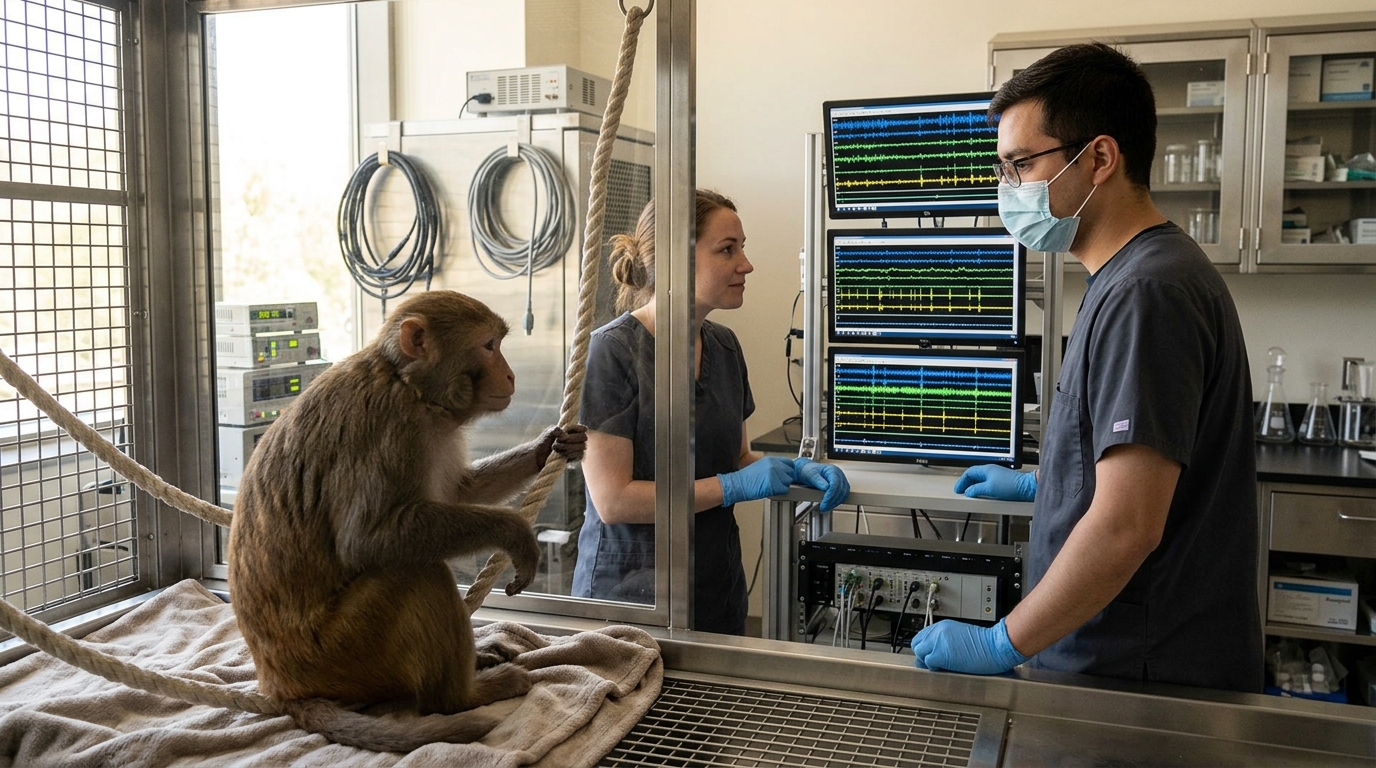
Animal welfare became a central part of the 2024 brain implant ethical controversy, as reports alleged that some monkeys and other research animals experienced pain, complications, rushed procedures, or euthanasia after unsuccessful experiments. Critics also questioned whether demanding development timelines encouraged researchers to move too quickly and whether internal records fully captured adverse events. These allegations matter beyond laboratory ethics because preclinical studies are supposed to show how an implanted brain-computer interface behaves before you ask a human participant to accept comparable risks. If animal data are incomplete or shaped by weak oversight, you have less confidence in the evidence used to justify human trials.
At the same time, you should distinguish reported compliance problems from proof that the human device was unsafe. Regulatory inspections identified concerns involving laboratory conditions and hazardous-material handling, but the FDA said its findings did not demonstrate violations that undermined the N1 implant’s safety, and the agency did not suspend the human study on that basis. That position does not resolve questions about transparency, euthanasia, or the reliability of the underlying research, but it prevents the controversy from being reduced to an unproven claim of device failure. As you consider BCIs that may link neural activity with artificial intelligence, the ethical question becomes broader than physical safety. It also asks how much uncertainty society should tolerate when technology may influence communication, agency, and your sense of personal identity.
Brain Identity And AI Agency
When you use a brain-computer interface, the system does not read your thoughts like a transcript, but it does translate patterns of neural activity into commands. That translation raises a difficult question about agency: are you making a decision, or is an AI model deciding what your signal means and how an external device should respond? In the 2024 human trial, the goal was to help a person with paralysis control a computer cursor, yet even this practical application depends on algorithms interpreting intentions that can be incomplete, ambiguous, or affected by fatigue. You may remain the source of the intention while sharing control over its execution. The ethical concern is not that your mind instantly becomes artificial, but that the boundary between your choice and the system’s interpretation can become harder to see.
Your sense of personal identity could also be affected as neural signals become part of an ongoing relationship with software. If an implanted system learns your patterns and adapts to them, its responses may begin to feel like an extension of your body, similar to a prosthetic, or like a separate tool that you must constantly manage. That distinction matters because control can be lost gradually through inaccurate decoding, device changes, or decisions made by engineers and clinicians outside your immediate awareness. The 2024 controversy surrounding device reliability, trial transparency, and oversight makes these philosophical questions more urgent, since trust is essential when technology operates so close to your intentions. A system that helps you act should expand your freedom, not quietly redefine what counts as your choice.
Neural data deserves especially strong privacy protections because it may reveal more than a conventional medical record, including patterns associated with attention, movement, or attempted communication. You should be able to know what information is collected, how long it is retained, who can access it, and whether it can be used to train future AI systems. Consent also needs to remain ongoing, since agreeing to an implant does not mean surrendering control over every later interpretation of your brain activity. These safeguards cannot resolve every question about consciousness, but they can preserve a practical form of self-determination while the science develops. The central ethical test is whether the technology remains accountable to you, rather than allowing its predictions to become an unquestioned substitute for your own agency.
Device Reliability And Governance
In 2024, reports that implanted electrode threads had retracted in the first human participant raised questions about device reliability, even though software adjustments reportedly helped preserve cursor control. For you, the issue is not only whether a BCI works on a given day, but whether it can be safely maintained, repaired, or removed over many years without placing an unreasonable burden on the user. Concerns about hazardous-material handling, animal research conditions, and the quality of preclinical reporting added to demands for stronger corporate transparency. Regulatory findings identified compliance problems, but the FDA stated that they did not demonstrate violations undermining the device’s safety and did not suspend the human trial. That distinction matters because continued experimentation should depend on verifiable evidence, clear reporting, and independent oversight rather than confidence in a company’s own assurances.
The deeper ethical question is what happens to your agency and identity when neural signals are translated into actions by an AI-driven system. A BCI does not simply “merge consciousness” with a machine, but it can create an intimate feedback loop in which your intentions, software interpretations, and external devices jointly shape what you can do. You should know who owns the neural data, how it may be stored or shared, how cybersecurity failures will be handled, and whether you can withdraw consent without losing essential support. Independent review is also necessary to protect future users from unclear risks involving discrimination, behavioral influence, device obsolescence, or the difficulty of explantation. As BCIs move toward broader adoption, public accountability must cover the entire life cycle of the implant, not just the moment it receives approval or produces an impressive demonstration.
Your Takeaway from the 2024 Ethics Debate
The 2024 brain-computer interface ethical controversy showed why you should evaluate these systems through more than technical promise. Reports concerning animal research, laboratory conditions, hazardous-material handling, and limited transparency raised questions about whether development was moving faster than independent oversight. The first human trial also brought practical concerns, including device performance and the response to implanted components that did not work as intended. Regulators identified compliance problems, but the FDA stated that its findings did not demonstrate violations that undermined the device’s safety and did not suspend the trial. Taken together, these facts support neither automatic condemnation nor uncritical optimism. They support a demand for rigorous evidence, meaningful consent, long-term monitoring, and clear public reporting.
The deeper issue is what happens to your sense of agency when neural activity becomes a channel for artificial intelligence and external machines. If an implant helps you communicate or control technology, it may expand autonomy, yet questions remain about who interprets your thoughts, how much influence software can exert, and whether dependence on a device changes the boundaries of the self. These concerns do not require assuming that a BCI will literally merge human consciousness with AI, but they do require serious reflection on privacy, responsibility, identity, and the meaning of voluntary action. As human trials accelerate, you should assess these systems through careful medical oversight while also asking whether innovation is preserving the conditions that make autonomy genuinely human.
Frequently Asked Questions
1. What was the brain-computer interface ethical controversy in 2024?
The controversy centered on whether brain-implant research moved faster than ethical oversight and public transparency. Key concerns included allegations of animal suffering, rushed experimentation, incomplete reporting of preclinical findings, device malfunctions, and hazardous-material handling during the first human trial.
2. What is the PRIME Study, and why did it raise ethical questions?
The PRIME Study is the first-in-human, early-feasibility trial of the wireless N1 brain implant. It is designed to evaluate initial safety and functionality, so you should view results such as computer cursor control as experimental evidence, not proof that the device is ready for widespread clinical use.
3. What benefits could the brain implant provide?
The N1 implant is intended to record neural signals and translate them into commands for external technology. For people with paralysis, that capability could support communication, computer access, and greater independence, but those potential benefits must be weighed against surgery, malfunction, uncertain long-term effects, and possible repeat procedures.
4. Did federal inspections prove that the brain implant was unsafe?
No. Federal inspections identified compliance problems, but the FDA said the findings did not demonstrate violations that undermined the device’s safety and did not suspend the trial. That distinction matters because regulatory concerns can still justify closer oversight without establishing that the implant is broadly unsafe.
5. What are the main animal-welfare concerns surrounding the research?
Animal-welfare concerns involve allegations that some research animals experienced suffering and that experimentation may have been rushed. The ethical question is whether the scientific value of the research justified the procedures, whether animal pain and distress were minimized, and whether records and findings were reported transparently.
6. What should informed consent include in a human brain-implant trial?
You should receive a realistic explanation of the procedure, known risks, unresolved uncertainties, available alternatives, privacy implications, and the possibility of device failure or additional surgery. Consent is ethically meaningful only when you understand that an early-feasibility trial is testing whether the technology can work safely, not offering a guaranteed treatment.
7. Could a brain implant read your thoughts?
The PRIME Study is designed to detect intended neural activity and translate it into commands for external devices, such as a computer cursor. That is not the same as generally reading a person’s thoughts, although neural data still creates important privacy questions about who can access it, how it may be interpreted, and how it could be used in the future.