
Philosophy retreat expectations for 2026 are best understood as a guided mix of philosophical inquiry and retreat activities, not simply a series of lectures. You can expect discussion or study alongside meditation, self-inquiry, time in nature, and shared meals, with schedules and comfort varying by program. For a concrete reference, the Aspen Institute’s 2026 Socrates Summer Seminar ran July 17–20 in Aspen, Colorado. Its $3,000 tuition included meals, while lodging was arranged separately through hotel room blocks, as described by the Aspen Institute.
Selected 2026 examples range from a Friday-to-Monday seminar to five- and seven-day residential stays, with listed prices spanning $2,500–$5,700. These figures are not a market-wide average. Luxury may mean private-room lodging, wellness amenities, or memorable surroundings, but those features do not guarantee sustained philosophical dialogue. Look for a balance of readings, moderated conversation, quiet reflection, and time outdoors. Then check whether tuition includes meals, accommodation, activities, and travel. The best fit is the one whose intellectual depth, pace, and practical arrangements suit you.
Key Takeaways
- Choose a philosophy retreat by the time it protects for readings, moderated discussion, quiet reflection, and outdoor or wellness activities, because 2026 programs range from a Friday-to-Monday seminar to five- and seven-day stays.
- Assess intellectual depth by checking whether the program names its readings, explains how facilitators guide discussion, and sets aside time for shared inquiry; the Aspen Institute’s 2026 Socrates Summer Seminar, for example, used expert-moderated discussions and had up to 24 participants.
- Treat the listed 2026 prices of $2,500–$5,700 as examples, not a market-wide average, and confirm whether tuition includes lodging, meals, travel, and activities; Aspen’s $3,000 tuition included meals but lodging was arranged separately.
- Before booking, verify current dates and availability, the sample daily schedule, accessibility and room arrangements, group size, and cancellation terms; the Aspen Institute’s July 17–20, 2026 seminar is listed as past.
What Does a Philosophy Retreat Include?
A philosophy retreat can combine guided inquiry with reflection, meditation, meals, and time outdoors, but there is no standard schedule or comfort level. The 2026 examples range from a Friday-to-Monday seminar to five- and seven-day residential experiences, so the word “retreat” alone tells you little about the day’s rhythm. Some programs center on readings and moderated discussion. Others weave philosophical study into a broader experience. A seven-day residential retreat in Lefkada, Greece, pairs yogic philosophy with meditation and physical practice. The distinction matters if you want sustained seminar time rather than a program where study shares the day with other activities. The mix can extend well beyond a classroom. A Panarea retreat includes guided meditation, breakfasts, gourmet dinners, hikes, swimming, and a private boat excursion. In Nevada City, California, a retreat combines inquiry with meditation, ritual, dance, music, nature, and catered meals. A silent retreat in Julian, California, instead makes extended silence, meditation, self-inquiry, and dialogue central to the experience. Before comparing retreats, look for an itinerary that shows how much time is reserved for discussion and study, quiet reflection, meditation, meals, and outdoor activities. Also check whether meals are communal or simply included, and whether wellness amenities are part of the program or the setting. The 2026 examples show varied offerings, not a market-wide survey or a standard retreat formula.
How Do You Judge the Philosophy?
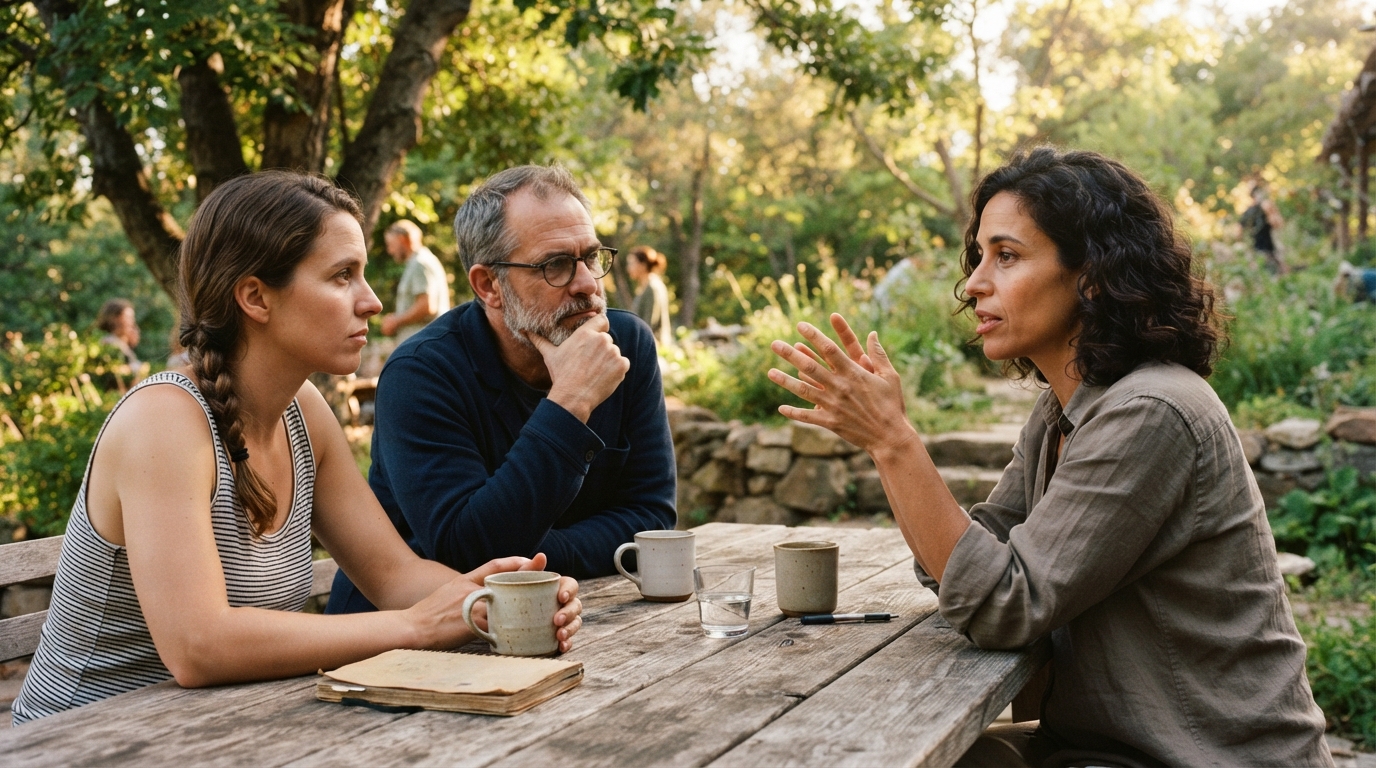
You can judge a philosophy retreat by whether philosophical questions shape the program’s shared inquiry, not merely its wellness theme. Readings give participants something specific to interpret, questions guide the conversation, and a skilled moderator helps the group examine ideas rather than simply hear about them. Group size and protected time for dialogue also matter. A thoughtful topic can feel very different in a large audience than in a small discussion.
The Aspen Institute Socrates Seminar offers a clear discussion-centered model: participants collaboratively discuss selected readings with expert moderators rather than attend a panel or tutorial. The Institute’s 2026 summer seminar FAQ says one seminar had up to 24 participants, giving you a concrete sense of the group size. The seminar’s intellectual value rests on the exchange around the readings, not on a speaker delivering a finished interpretation. The Aspen Institute’s 2026 seminar FAQ describes that approach.
A Nevada City retreat takes a more immersive route. Its inquiry is paired with meditation, ritual, dance, music, nature, and meals, while its questions include how humanity should relate to artificial intelligence. This combination can make philosophical inquiry part of a wider reflective experience. When comparing it with a seminar, look at whether the program makes space to examine the questions together rather than presenting philosophy mainly as a theme for the surrounding activities.
A retreat in Lefkada combines yogic philosophy, meditation, and physical practice in a group of 18. That smaller total group may make direct exchange more feasible, but the number alone does not tell you how much discussion the schedule protects or how the facilitator guides it. Check whether the program names its readings, explains the facilitator’s role, and makes clear how much time is reserved for discussion. A schedule that identifies texts, inquiry sessions, and time for participants to respond gives you a stronger basis for judging the intellectual experience than broad promises of “deep” or “transformative” conversation.
What Will a Retreat Actually Feel Like?
A retreat’s feel depends on how much of your time is structured, shared, quiet, or left open. A Friday-to-Monday seminar asks you to step away for a long weekend. A five-day Santa Fe retreat means a longer stretch in one place, while a seven-day residential retreat makes daily life at the retreat setting a larger part of the experience. More days allow more time away, but they do not automatically mean more discussion or deeper rest.
At the Aspen Institute’s Socrates Seminar, participants discuss selected readings with expert moderators rather than attend a panel or tutorial. That format suggests a socially engaged experience shaped by conversation, with the readings giving the group a shared focus. The Aspen Institute describes the event as a collaborative weekend seminar, with lodging arranged separately through hotel room blocks. The seminar’s format and FAQ can help you picture the distinction between a discussion-led program and a residential stay.
The University of Santa Monica’s Julian retreat combines extended silence, meditation, self-inquiry, and dialogue over two nights, with meals from Friday dinner through Sunday lunch. You can expect quiet to be a deliberate part of the structure, not simply time between group activities. Dialogue is also part of the program, so silence does not mean the retreat is entirely solitary.
A full itinerary can show whether activities are planned throughout the day or balanced with open time, though the activity list alone cannot tell you how much solitude you will have.
Before deciding whether a pace suits you, ask how the schedule divides time among sessions, unstructured hours, group activities, and solitude. Also ask when participants are expected to gather and whether quiet periods are scheduled or optional. The answers help you distinguish a retreat that keeps you in conversation from one that leaves more room for private reflection, without treating either rhythm as inherently more philosophical or restorative.
How Much Do 2026 Retreats Cost?
Selected listed 2026 programs span $2,500–$5,700, but that is not a representative average. Formats, room types, and inclusions differ. A headline price may cover tuition and meals but leave lodging, transport, or excursions outside the fee, so comparing totals requires checking what each price actually buys. The Aspen Institute’s 2026 Socrates Summer Seminars listed tuition at $3,000, including all meals. Lodging was arranged separately through hotel room blocks, and limited partial scholarships were identified. The Institute’s seminar information distinguishes tuition from accommodation, so budget for both rather than treating $3,000 as the price of an all-in stay. A five-day Santa Fe retreat listed prices of $4,500 per person in a shared room or $5,700 in a private room. The $1,200 difference makes room type a significant part of the quoted cost. Check the program’s current booking details to confirm exactly what the price covers before comparing it with a retreat that quotes tuition separately from accommodation. Shorter formats can have a different price structure. The University of Santa Monica listed a two-night Lodge rate of $1,295 for its Julian retreat, including meals from Friday dinner through Sunday lunch. That rate is a distinct short-stay example, not a direct comparison with a multi-day retreat price. A Panarea retreat listing showed a sale price of $3,000 against a stated regular price of $3,600. The listing included retreat sessions and guided meditation, breakfasts and gourmet dinners, hikes, swimming, and a private boat excursion. Those specified inclusions make the price different in kind from seminar tuition with separately arranged lodging. Neither figure alone establishes which experience offers better value. Before comparing total costs, confirm whether tuition, lodging, meals, transport, and excursions are included. Also check whether a quoted room price is per person and whether the accommodation is shared or private. A lower headline price can leave more costs to arrange separately, while a higher one may bundle more of the stay and activities.
What Should You Check About Comfort and Safety?
You should check whether the lodging, physical setting, group format, and reflective practices suit your needs before committing. Luxury features vary. The Lefkada retreat was described as three villas with pools and a private beach, while a Panarea program included hikes, swimming, and a boat excursion. Neither setting tells you on its own how accessible the rooms or activity areas are, how much privacy you will have, or how large the discussion group will be. In the United States, ADA coverage for lodging depends on the facility and circumstances. Title III generally covers private places of lodging such as hotels and inns, with an exception for an owner-occupied establishment renting five or fewer rooms. Covered lodging has accessibility obligations, and construction or alterations on or after March 15, 2012, are subject to the 2010 ADA Standards for Accessible Design, according to the U.S. Department of Justice’s lodging guidance. Ask the venue about room access, routes between buildings and shared spaces, and whether it can accommodate your mobility needs. Ask both the organizer and venue about dietary requirements, room arrangements, privacy, and the maximum group size. If sessions involve extended meditation or silence, ask how those periods are structured, whether participation options are available, and what support is offered if you find the practice difficult. Clear answers can help you judge whether the retreat’s atmosphere and expectations feel comfortable for you. Mindfulness means paying attention to or being aware of the present moment without judgment. An NCCIH analysis of studies involving more than 6,000 people found that about 8% reported negative effects from meditation, most commonly anxiety or depression. That finding is a reason to consider your personal suitability and ask about alternatives or support, not a prediction of how any individual participant will respond.
Choosing a 2026 Retreat That Fits
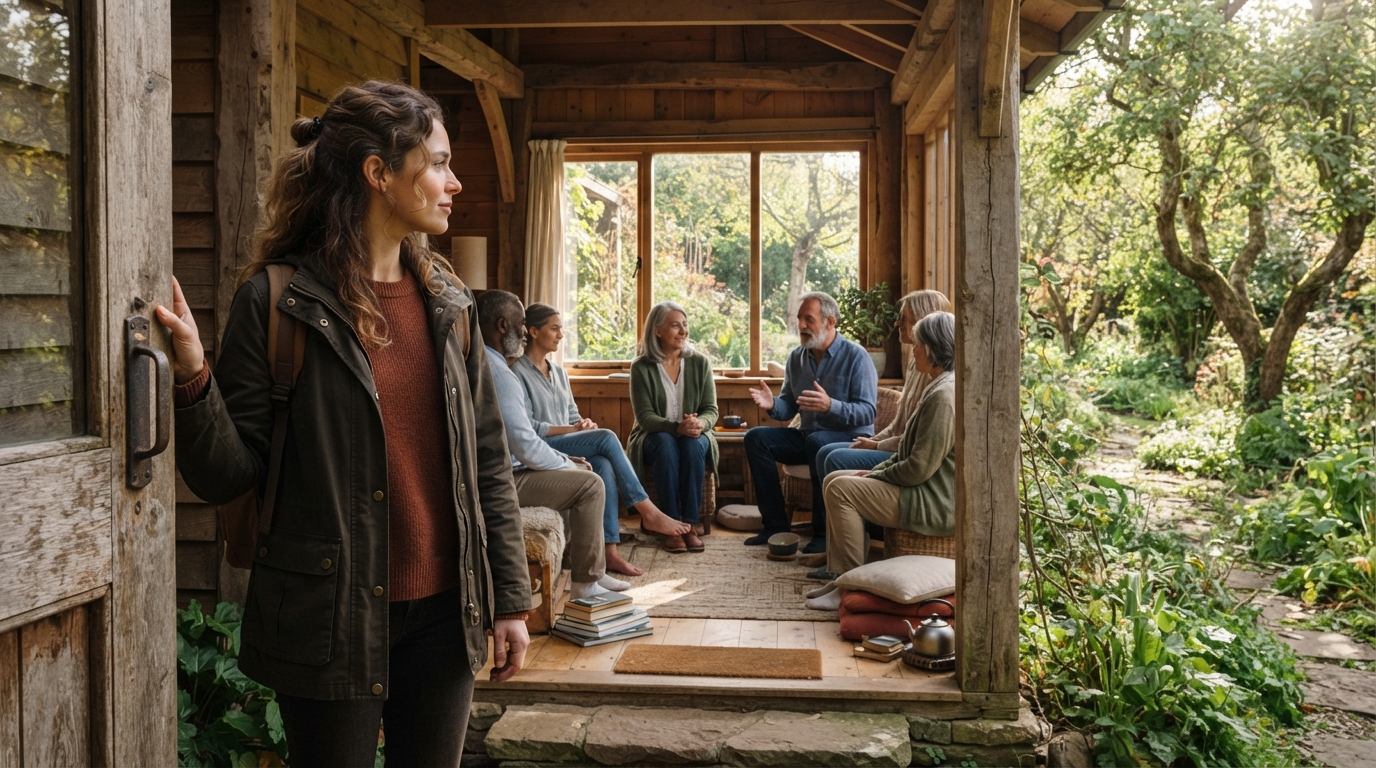
Start with the kind of thinking you want to do. If close reading and moderated dialogue matter most, the Aspen Institute’s Socrates Seminar offers a discussion-centered model. If you want silence and self-inquiry, the University of Santa Monica’s Julian retreat combines extended quiet with meditation and dialogue. If you prefer philosophical study alongside meditation and outdoor activities, the Lefkada and Panarea listings pair study or retreat sessions with physical practice, hikes, or swimming.
The settings and schedules differ, and no one format is a better fit for everyone. The Aspen seminar ran July 17–20, 2026, in Aspen, Colorado, and its event page identifies it as past. The Aspen Institute’s seminar details describe collaborative discussion of selected readings with expert moderators. A five-day Santa Fe retreat listed dates in October and December, while the Lefkada residential program was scheduled for November 7–13. A Panarea listing for July 28–31 included hikes and swimming, a Nevada City gathering for July 15–19 paired inquiry with ritual, music, and nature, and the Julian retreat for November 20–22 emphasized silence and self-inquiry. Those dates describe 2026 listings, not confirmation that places are currently available.
Before committing, confirm the current program and facilitator approach, including how sessions are moderated and how much time is reserved for study or reflection. Ask about the group format, total cost, which lodging arrangements are included or separate, accessibility at both the lodging and activity spaces, and cancellation terms. A compelling destination or polished amenities cannot tell you whether the intellectual format, daily rhythm, and practical arrangements meet your needs.
Make Your Retreat Shortlist
Create a shortlist of three programs, each representing a different priority: moderated discussion, residential study with practice, and a more immersive retreat. Use the Aspen Institute Socrates Program as a benchmark for reading-led discussion, not as a current booking option. Its 2026 event page identifies that seminar as past. For other options, treat published 2026 dates as leads to verify, not proof that places are still available or that another session is scheduled.
For each candidate, write down your non-negotiables before contacting the organizer: how much time is devoted to philosophical inquiry, the level of privacy you want, and which lodging or wellness features justify the price for you. Then send the same short set of questions to all three organizers: Is the listed program running on new dates? What is included in the current fee? Can you share a sample daily schedule and explain how discussion is facilitated? What accessibility arrangements are available at the lodging and activity spaces?
Remove any option that cannot answer your essential questions clearly. If two remain, compare their written schedules and full inclusions side by side rather than choosing by destination or room category alone. Your next step is to check the organizers’ current program pages and request those details before making travel plans.
Frequently Asked Questions
1. Can you attend a philosophy retreat without formal philosophy study?
You can consider a retreat without assuming formal philosophy training is required, but check the organizer’s expectations. The Aspen Institute Socrates Seminar, for example, centers on discussing selected readings with expert moderators, so ask whether a program provides reading guidance or assumes prior knowledge (Aspen Institute’s seminar details).
2. How much reading should you complete before a philosophy retreat?
There is no single reading load for every retreat, so ask the organizer which readings are required and how much preparation is expected. The Aspen Institute’s Socrates Seminar uses selected readings as a basis for discussion, but the amount of preparation can depend on the specific program (Aspen Institute’s seminar information).
3. What should you pack for a residential philosophy retreat?
Pack according to the itinerary: bring any assigned readings and writing materials, plus clothing and footwear suited to the listed activities. If the schedule includes meditation, hikes, swimming, or time outdoors, ask the organizer what equipment or clothing is appropriate and whether any materials are provided.
4. Can you attend a philosophy retreat on your own?
You can consider attending on your own, but confirm room arrangements and whether the program has any booking requirements for solo guests. Group discussion is part of the Aspen Institute Socrates Seminar format, while lodging is arranged separately through hotel room blocks (Aspen Institute’s 2026 seminar details).