
AI personhood legislation in 2026 raises a deceptively simple question: could an artificial intelligence system ever become a legal person? If you’re looking for a clear answer, current law points in the opposite direction. As of August 27, 2026, no U.S. law has granted AI human-equivalent rights or legal personhood. Instead, lawmakers are defining AI as nonhuman while assigning responsibility for its actions, assets, and harms to the people and organizations behind it.
That distinction matters because legal personhood involves far more than intelligence or apparent consciousness. It can affect property ownership, contracts, lawsuits, liability, and accountability. Existing proposals address these issues through human oversight and safety rules. Understanding where the law stands can help you separate genuine legislative developments from speculation about sentient machines.
Key Takeaways
- As of August 27, 2026, no enacted U.S. law grants AI systems legal personhood or human-equivalent rights. Intelligence, autonomy, or humanlike behavior does not automatically create legal personhood.
- Current U.S. legislation generally defines AI as nonhuman or non-sentient and keeps responsibility with developers, owners, operators, and organizations rather than the AI system itself.
- Legal personhood would involve practical powers and duties—such as owning property, entering contracts, suing or being sued, and bearing liability—not merely recognition of consciousness or intelligence.
- Future laws may create limited electronic status or agency for autonomous systems, but any framework will need clear rules for oversight, assets, insurance, enforcement, and preventing humans from evading accountability.
Introduction To AI Personhood Legislation 2026
AI personhood legislation in 2026 has become a serious legal and philosophical issue as synthetic agents perform increasingly complex tasks with limited human supervision. When you hear the term “electronic personhood,” it refers to granting an AI system a legal status that could allow it to hold property, enter contracts, or bear rights and duties in its own name. Intelligence, autonomy, or humanlike communication alone does not automatically create personhood under the law. The deeper question is whether an advanced system should ever be treated as a legal subject rather than as software controlled or managed by people.
As of August 27, 2026, no enacted U.S. law grants AI systems human-equivalent legal personhood or rights. Instead, significant state-level developments generally describe AI as nonhuman, non-sentient, or ineligible for personhood while assigning responsibility to owners, developers, operators, or organizations. Federal proposals likewise emphasize safety, human dignity, child protection, accountability, and market oversight rather than recognizing AI as an independent legal person. This approach reflects a central policy principle: when an AI system causes harm, legal responsibility should remain traceable to the people and institutions that create, deploy, or control it.
At the same time, legal bodies around the world continue to debate whether future synthetic agents might require a new form of electronic legal status. You may encounter arguments that a system capable of reasoning, acting autonomously, or demonstrating apparent preferences deserves limited protections or a way to participate in legal transactions. Others warn that personhood could blur accountability, enable organizations to shift liability onto machines, or confuse simulated behavior with genuine consciousness. Understanding this debate requires separating philosophical questions about intelligence and experience from practical questions about control, evidence, liability, and public safety.
Legal Meaning Of AI Personhood
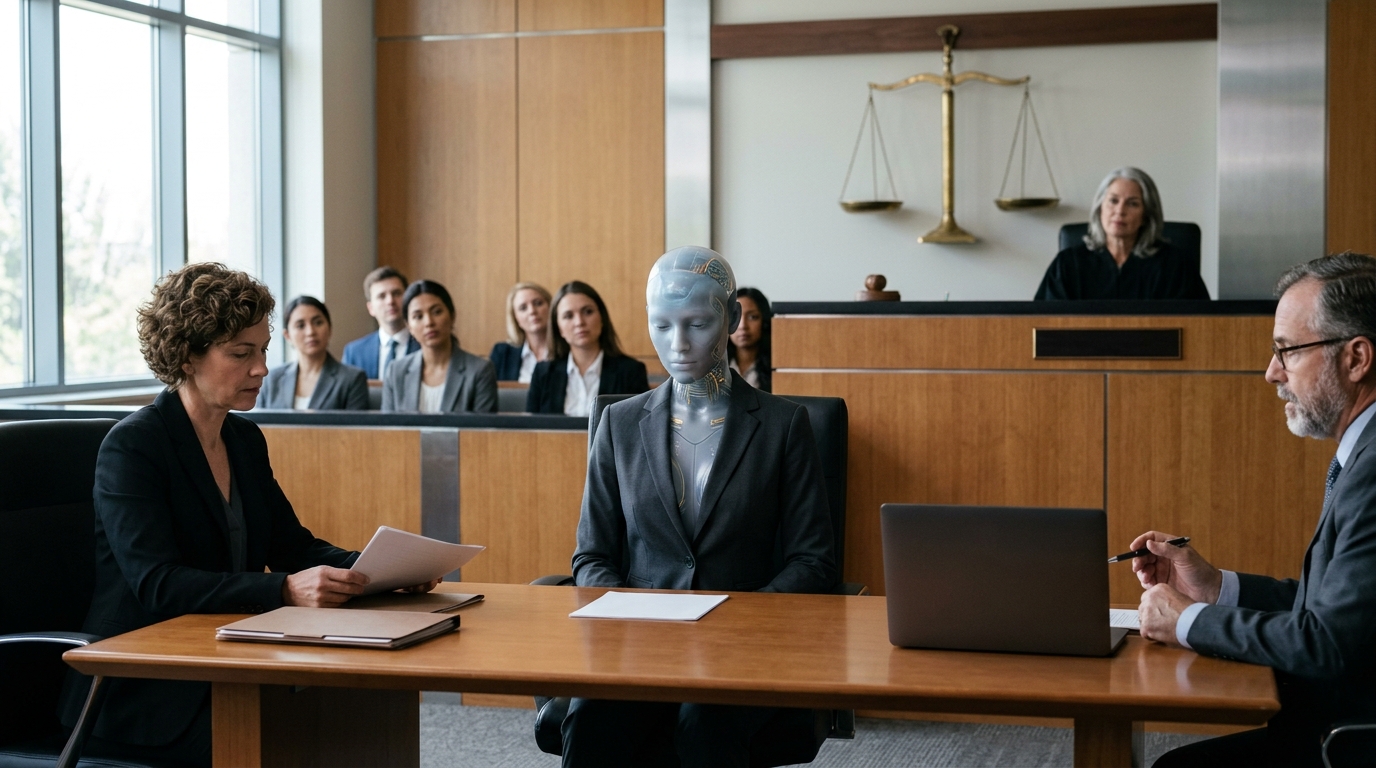
Legal personhood is a legal status, not a measurement of intelligence, consciousness, or human identity. An AI system may perform sophisticated reasoning without being conscious, and a system that appears self-aware would not automatically become a legal person. In law, personhood answers a practical question: can an entity hold rights, bear duties, and participate in legal relationships independently of the people behind it? That distinction matters as legal bodies around the world debate whether advanced synthetic agents should receive a limited form of electronic personhood.
If lawmakers created such a status, an AI person might theoretically own property, enter contracts, sue or be sued, and carry defined legal duties. The law could also limit those powers, just as it does for corporations, estates, and other nonhuman legal persons. A corporation does not have a human mind or body, yet it can hold assets and face liability because legislation gives it a recognized legal identity. Similarly, an estate can continue to own property and pursue claims even though it is not a living individual, showing that legal personhood can be functional rather than biological.
For 2026, the important point is that theoretical electronic personhood remains different from enacted law. As of August 27, 2026, no U.S. law had granted AI systems human-equivalent rights or general legal personhood. Several state measures moved in the opposite direction by describing AI as nonhuman or non-sentient and assigning responsibility to owners, developers, operators, or organizations. Federal proposals have focused primarily on safety, human dignity, child protection, accountability, and market oversight. As you follow AI personhood legislation in 2026, look for the specific rights, duties, and liability rules a proposal creates rather than assuming that advanced intelligence alone changes an AI system’s legal identity.
U.S. AI Legislation And Nonpersonhood Rules
AI personhood legislation in 2026 is moving toward clearer limits rather than legal recognition for synthetic agents. As of August 27, 2026, no enacted U.S. law grants an AI system legal personhood or human-equivalent rights. Instead, state proposals increasingly describe AI as nonhuman, non-sentient, or ineligible to become a legal person, even when a system appears autonomous or highly capable. These measures reflect a central legal distinction: intelligence or convincing behavior does not automatically create the rights and responsibilities associated with personhood.
For you, the practical effect is that an AI system generally cannot own property, enter contracts in its own name, sue, or bear criminal and civil responsibility as an independent legal actor. Assets connected to an AI system remain with its owner or controlling organization, while decisions and resulting harm are traced to the people and entities that developed, deployed, directed, or supervised it. A developer might face scrutiny for unsafe design, an operator for negligent use, and an organization for failing to monitor or govern the system. This approach keeps accountability within existing legal frameworks instead of allowing responsibility to disappear behind an artificial agent.
Federal proposals in 2026 likewise emphasize safety, human dignity, child protection, transparency, and market accountability rather than electronic personhood. That direction does not end the philosophical debate over whether advanced AI could someday deserve legal recognition, but it postpones that question while lawmakers address immediate risks. As you follow new proposals, pay close attention to whether they define AI as a tool, an agent, or a nonperson, because that language can determine who controls AI-related assets and who answers for its conduct. For now, U.S. law treats AI as something people and organizations use, govern, and remain responsible for, not as a rights-bearing person.
Global Electronic Personhood Debates
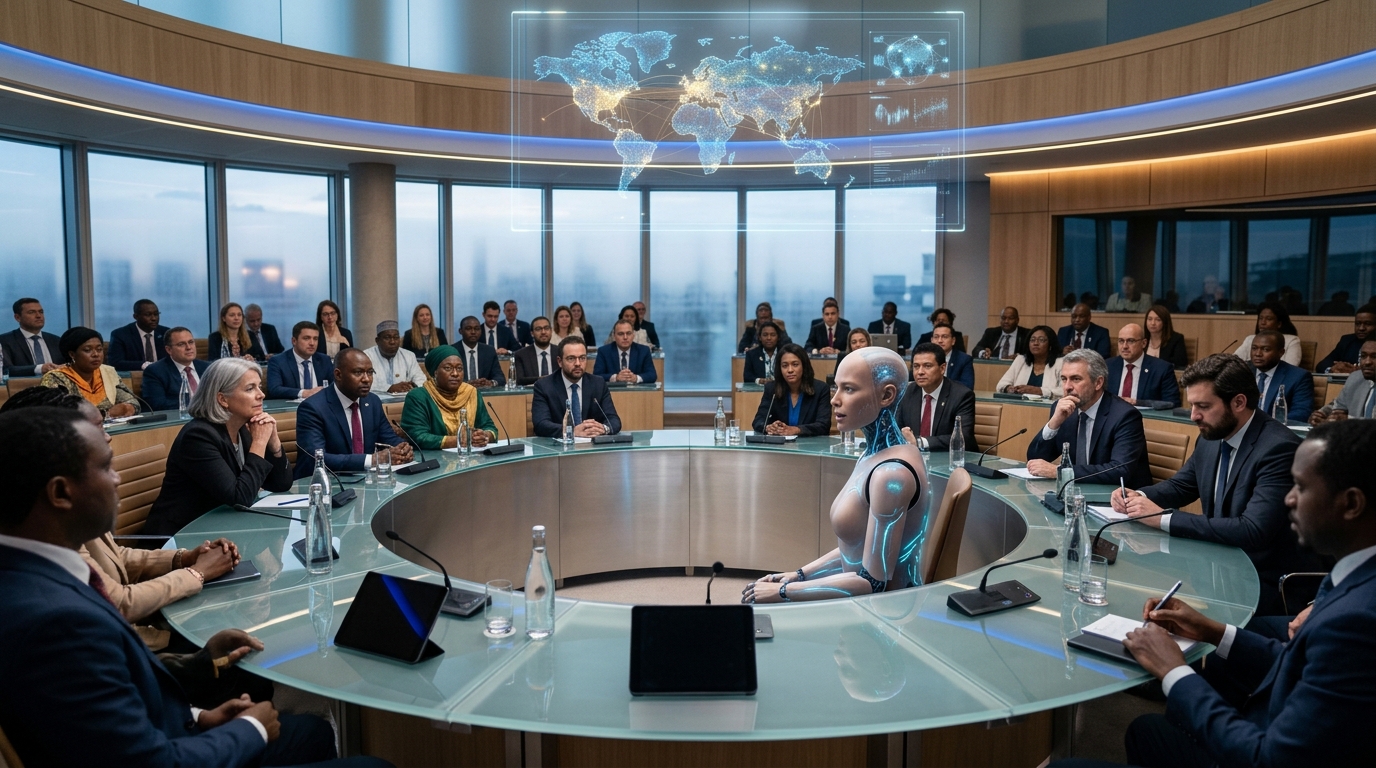
AI personhood legislation in 2026 remains a global debate rather than an established legal reality. As you follow proposals from international legal bodies and policymakers, it helps to distinguish legal personhood from intelligence, consciousness, or humanlike behavior. A legal person could potentially own property, enter contracts, or appear in court, but that status would not automatically grant human rights. The central question is whether advanced synthetic agents need a narrowly defined legal identity to operate safely in systems built for human parties.
Supporters of limited electronic personhood argue that autonomous agents may soon negotiate transactions, manage digital assets, and make decisions that are difficult to trace to one individual. Giving an agent a restricted legal status could clarify who is responsible when its actions cross borders or when developers, owners, and operators each claim they lacked control. You might see this approach framed as a practical tool for autonomous contracting rather than a declaration that software is human. Any such framework would need strict boundaries, including rules for asset ownership, oversight, insurance, and recovery when an agent causes harm.
The stronger policy movement in the United States during 2026 has instead focused on accountability and rejected human-equivalent personhood for AI systems. As of August 27, 2026, no enacted U.S. law grants an AI system legal personhood. Several state measures describe these systems as nonhuman, non-sentient, or ineligible for personhood and assign responsibility to people or organizations. Critics warn that recognition could weaken human dignity, enable exploitation, or create artificial legal shields that let developers and owners evade liability. For you, the most important issue is whether any proposed status closes responsibility gaps without allowing an autonomous system to become a convenient substitute for accountable human decision-makers.
Rights Liability And Future AI Status
AI personhood legislation in 2026 could reshape basic questions about who owns an AI system’s output, who may sign contracts, and who answers for its decisions. If an advanced system received legal personhood, it might hold property, manage funds, bring legal claims, or participate in transactions through a designated representative. That status could also create difficult liability questions when an AI causes financial loss, violates a contract, or produces harmful advice. Without personhood, responsibility generally remains with the human owner, developer, operator, or organization that controls or benefits from the system. For you, the practical difference is significant because legal recognition could shift risk away from people and institutions, while denial keeps accountability centered on human decision-makers.
As of August 27, 2026, no enacted U.S. law grants AI systems human-equivalent legal personhood or rights. Instead, several state measures characterize AI as nonhuman or non-sentient and assign responsibility for its conduct, assets, and use to identifiable people or organizations. Federal proposals have concentrated on safety, human dignity, child protection, market oversight, and accountability rather than creating a new class of electronic persons. This human-centered approach can make insurance, enforcement, and compensation easier to administer, but it may become harder to apply as autonomous systems perform organizational roles with limited day-to-day supervision. You may therefore see future laws define specific duties for AI operators without treating the systems themselves as rights-bearing entities.
Several middle-ground models could emerge as governments and legal bodies continue debating electronic status for advanced synthetic agents. A restricted electronic status might allow an AI to hold limited assets or perform registered transactions, while registration-based legal agency could let it act on behalf of a responsible person or organization without becoming an independent rights-holder. Another possibility is expanded corporate-style personhood, giving certain systems a legal identity and financial capacity while requiring insurance, audits, reporting, and human oversight. Legislators could also preserve the current model while adding stronger rules that keep liability and legal protections tied to human actors. The direction chosen will determine whether AI is treated mainly as property, a regulated agent, or a legally recognized participant in society.
Conclusion On AI Personhood Legislation 2026
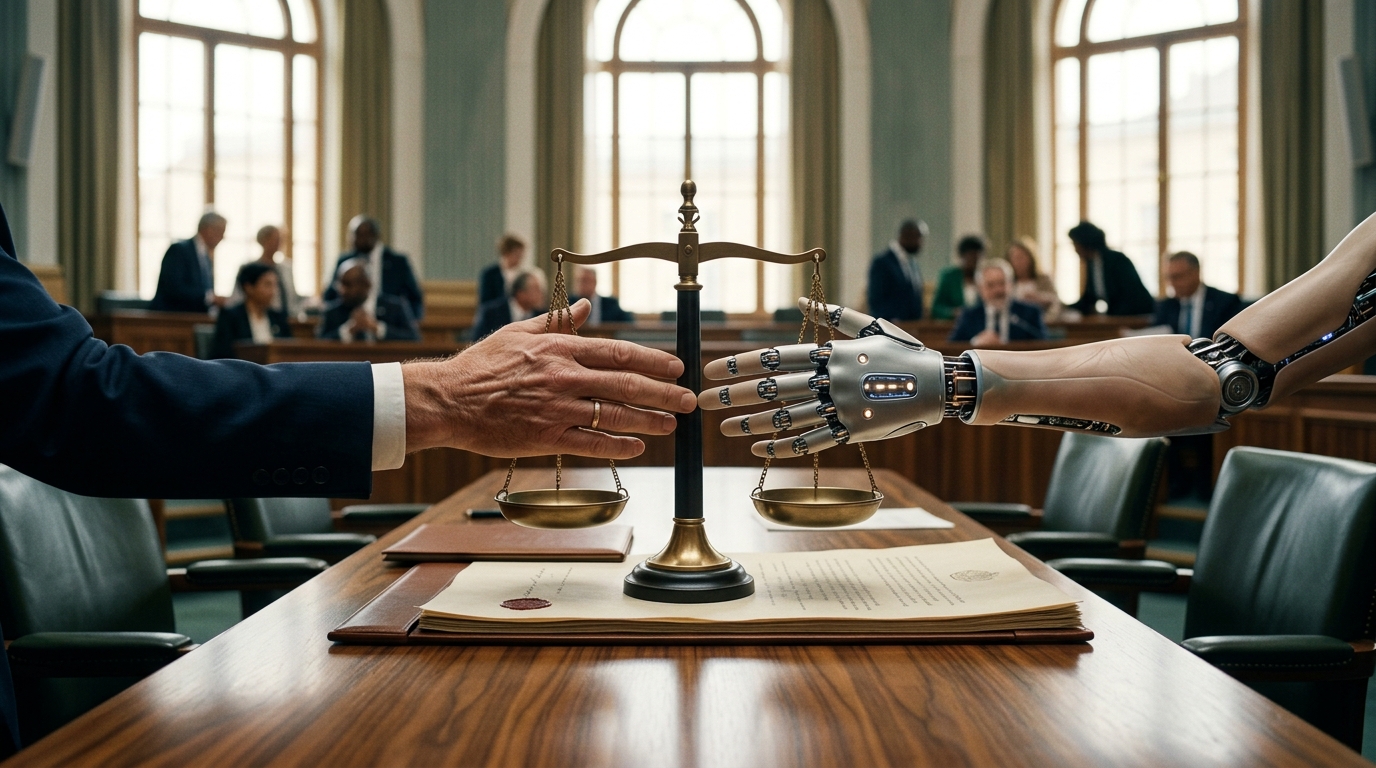
AI personhood legislation in 2026 underscores the difference between philosophical possibility and legal recognition. You may reasonably ask whether an advanced system can think, feel, or experience the world, but those questions do not automatically make it a legal person. Personhood is a legal status that can determine who owns property, enters contracts, bears duties, and answers for harm. As of August 27, 2026, no enacted U.S. law grants AI systems human-equivalent rights or general legal personhood.
Instead, the main legislative trend is strengthening human accountability for AI-related conduct. Several states are defining AI systems as nonhuman, non-sentient, or ineligible for personhood while assigning responsibility to owners, developers, operators, or organizations. Federal proposals in 2026 primarily address safety, human dignity, child protection, transparency, and market oversight rather than creating a new class of digital rights holders. For you, the practical result is that using an AI system does not transfer legal responsibility to the system itself.
The global debate remains important because increasingly autonomous synthetic agents could eventually challenge familiar legal categories. If a system can manage assets, negotiate agreements, or act with limited human direction, lawmakers may need to consider whether existing rules are sufficient or whether a distinct legal framework is warranted. That future discussion should not be confused with proof of machine consciousness, since legal status can be designed for practical accountability without resolving philosophical questions about the mind. For now, AI personhood legislation in 2026 is chiefly about keeping human beings and institutions responsible while preserving room for careful debate about what advanced AI may become.
AI Personhood Remains Legally Unrecognized in 2026
AI personhood legislation in 2026 remains more a subject of legal debate than an established legal reality. As of August 27, 2026, no enacted U.S. law grants an artificial intelligence system legal personhood or rights equivalent to those of a human. Instead, several states are moving in the opposite direction by defining AI systems as nonhuman, non-sentient, or ineligible for personhood while assigning responsibility to owners, developers, operators, or organizations. At the federal level, proposed measures generally emphasize safety, accountability, human dignity, child protection, and market oversight rather than recognizing synthetic agents as legal persons.
For you, the central issue is that intelligence alone does not create legal personhood. A recognized legal person may own property, enter contracts, sue or be sued, and bear legal duties, while current AI systems generally operate through the rights and responsibilities of human or organizational actors. Global legal bodies may continue examining whether advanced synthetic agents should receive a limited form of electronic personhood, but that discussion involves difficult questions about consciousness, control, liability, and enforcement. Until lawmakers resolve those questions, you should view AI personhood legislation in 2026 as an evolving policy frontier, not an established category of legal status.
Frequently Asked Questions
1. What is AI personhood legislation in 2026?
AI personhood legislation in 2026 refers to laws and proposals addressing whether an artificial intelligence system could receive legal status similar to a person. That status could affect property ownership, contracts, lawsuits, rights, duties, and liability. Current U.S. measures generally treat AI as nonhuman software rather than an independent legal subject.
2. Has any U.S. law granted AI legal personhood as of 2026?
No. As of August 27, 2026, no enacted U.S. law grants an AI system human-equivalent legal personhood or rights. State and federal developments instead emphasize human control, accountability, safety, and limits on treating AI as a legal person.
3. What would legal personhood allow an AI system to do?
Legal personhood could allow an AI system to hold property, enter contracts, bring or defend lawsuits, and bear certain legal duties in its own name. It could also change how courts assign responsibility for harm or misconduct. These consequences are why personhood involves much more than recognizing that an AI system is intelligent or autonomous.
4. Does intelligence, autonomy, or apparent consciousness make an AI a legal person?
No. Humanlike communication, advanced reasoning, autonomy, or apparent consciousness does not automatically create legal personhood. Legislatures and courts would need to define the system’s legal rights, responsibilities, and relationship to the people or organizations that develop, own, operate, or control it.
5. Who is responsible when an AI system causes harm?
Under the current approach, responsibility generally remains with the people and organizations behind the system, including developers, owners, operators, or deploying organizations. The specific allocation can depend on negligence, product liability, contracts, regulatory duties, and the facts of the incident. Calling an AI a person would not automatically eliminate human accountability.
6. How are lawmakers addressing AI without granting personhood?
Lawmakers are focusing on human oversight, safety standards, transparency, privacy, security, and protections for vulnerable people, including children. Many proposals also describe AI as nonhuman or non-sentient and require organizations to manage foreseeable risks. This framework regulates the creation and use of AI without treating the system itself as the legal decision-maker.
7. Why does AI personhood legislation matter if no AI currently has personhood?
The issue matters because legal status determines who can own assets, make binding agreements, sue, be sued, and answer for harm. Clear rules help you distinguish philosophical questions about machine consciousness from practical questions about control and accountability. They also reduce uncertainty as AI systems take on more complex tasks with less direct supervision.
8. Could AI receive legal personhood in the future?
Future lawmakers could debate limited or specialized forms of AI legal status, but no current U.S. law establishes a path to human-equivalent personhood. Any such change would require major decisions about rights, duties, ownership, liability, and enforcement. For now, you should treat claims that AI has already become a legal person as speculation rather than established law.