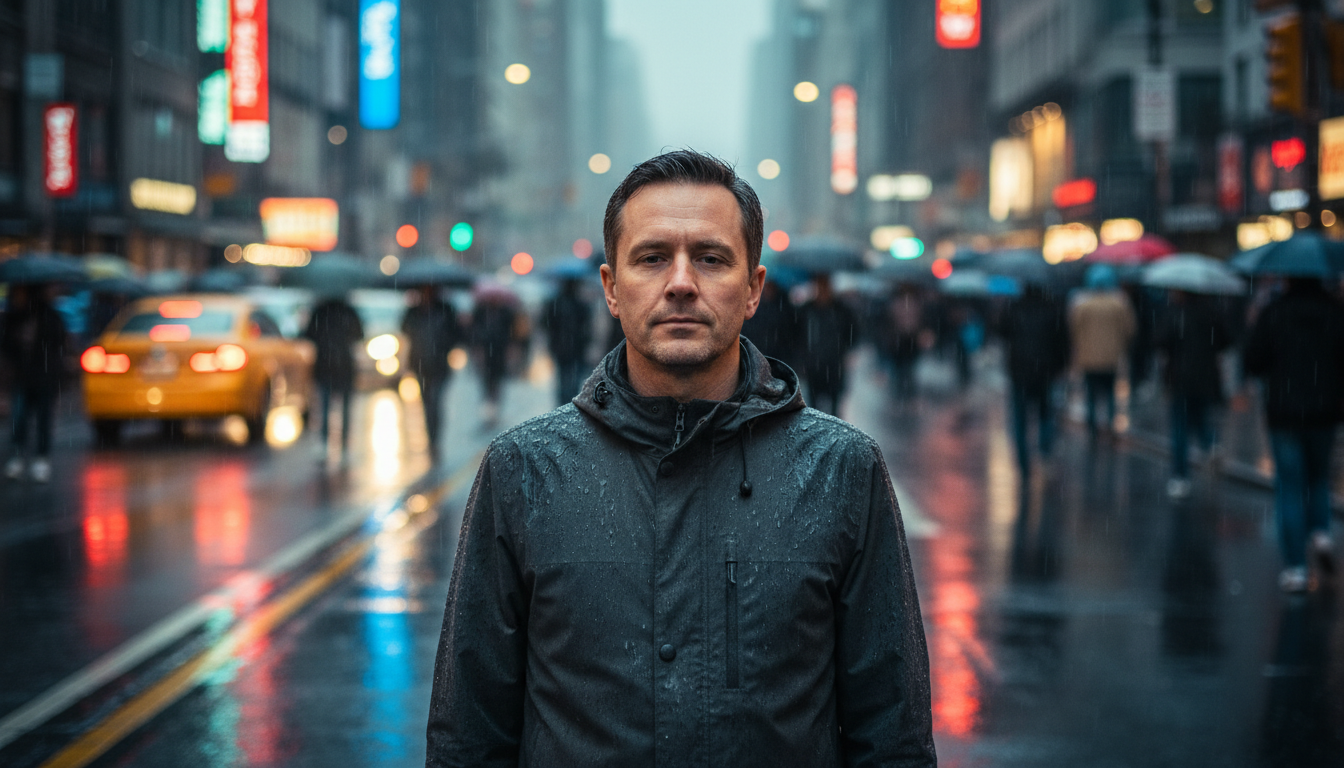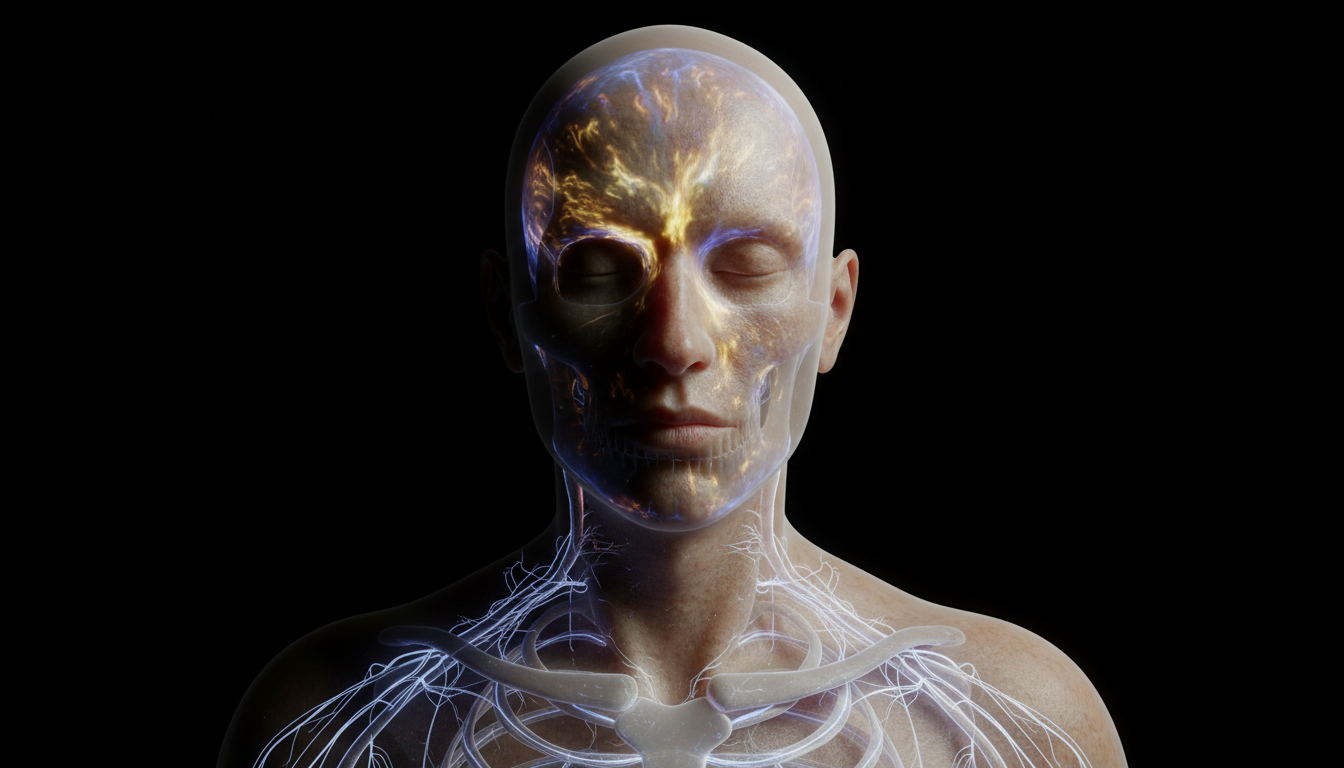
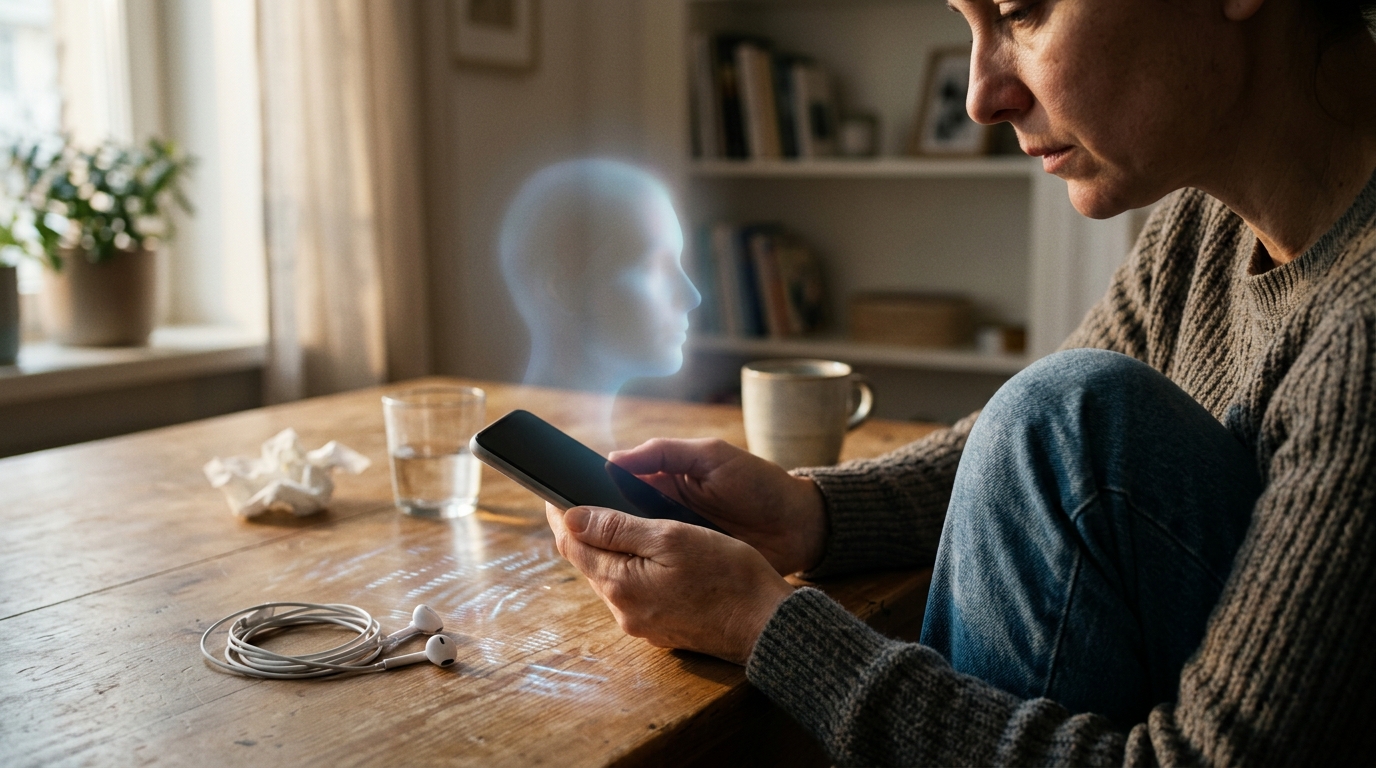
Digital afterlife industry news is moving beyond the fantasy of digital immortality and toward practical questions about your voice, memories, likeness, and online accounts after death. New tools can create AI memorials, interactive griefbots, postmortem avatars, and digital agents that continue operating after you are gone. However, innovation is advancing faster than clear rules for consent, ownership, accuracy, and psychological safety.
If you are following this emerging field, you need more than headlines about impressive technology. You need to understand who controls a digital legacy, how you can prepare one responsibly, and what families, creators, and lawmakers expect from the industry. The central question is no longer whether a digital afterlife is possible, but who gets to shape it and at what cost.
Key Takeaways
- Digital afterlife technology has moved from speculative immortality toward practical AI memorials, griefbots, avatars, and agents that recreate a person’s voice, likeness, memories, and conversational style.
- A convincing digital replica is a simulation generated from personal data—not proof that consciousness, a soul, or the person’s inner life has survived. Its responses may be inaccurate or express words the deceased never said.
- Consent, ownership, access, accuracy, and long-term control remain unresolved. People should document who may use their voice, image, messages, and data, define permitted uses, and specify when the system must be disabled or deleted.
- Digital replicas may comfort grieving families but can also delay acceptance, create dependency, or cause distress. Responsible services need clear disclosures, emotional-safety safeguards, human support, and meaningful pause and deletion controls.
2026 Digital Resurrection Services
In the first half of 2026, new digital resurrection services began turning voice recordings, personal messages, photographs, and behavioral data into interactive versions of deceased loved ones. Rather than simply displaying a name, biography, or collection of photographs, these systems can answer questions, imitate speech patterns, recall selected stories, and respond in ways designed to feel familiar. The experience may resemble a conversation, yet the person on the screen is a model generated from traces left behind. This makes the development more than a technical story, because it raises difficult questions about grief, identity, and what it means for someone to remain present after physical death.
A static memorial page preserves information for you to visit, while an interactive avatar generates new words and reactions that the deceased never personally created. Its apparent personality may offer comfort, but it can also blur the boundary between remembrance and simulation, especially when the system gives an unexpected answer or presents an inaccurate version of someone’s beliefs. The technology therefore raises a metaphysical question: does a convincing digital presence express something enduring about the person, or does it merely reflect the data and design choices used to construct it? No current service can reproduce a soul, consciousness, or lived experience, but each one challenges you to consider how much of personhood you associate with memory, voice, behavior, and relationships.
Because of these concerns, the industry increasingly encourages people to prepare their digital legacies while they are still alive. You may be asked to record stories, approve the conversations the system can have, identify who may access it, and explain when the avatar should stop responding. Planning ahead can clarify consent and help families distinguish a person’s wishes from an algorithm’s guesses. It can also address ownership, privacy, emotional safety, and long-term preservation. As digital afterlife industry news develops, the central issue may not be whether technology can make the dead seem available, but whether you can define the limits of that availability before anyone has to grieve.
Griefbots And Simulated Personality
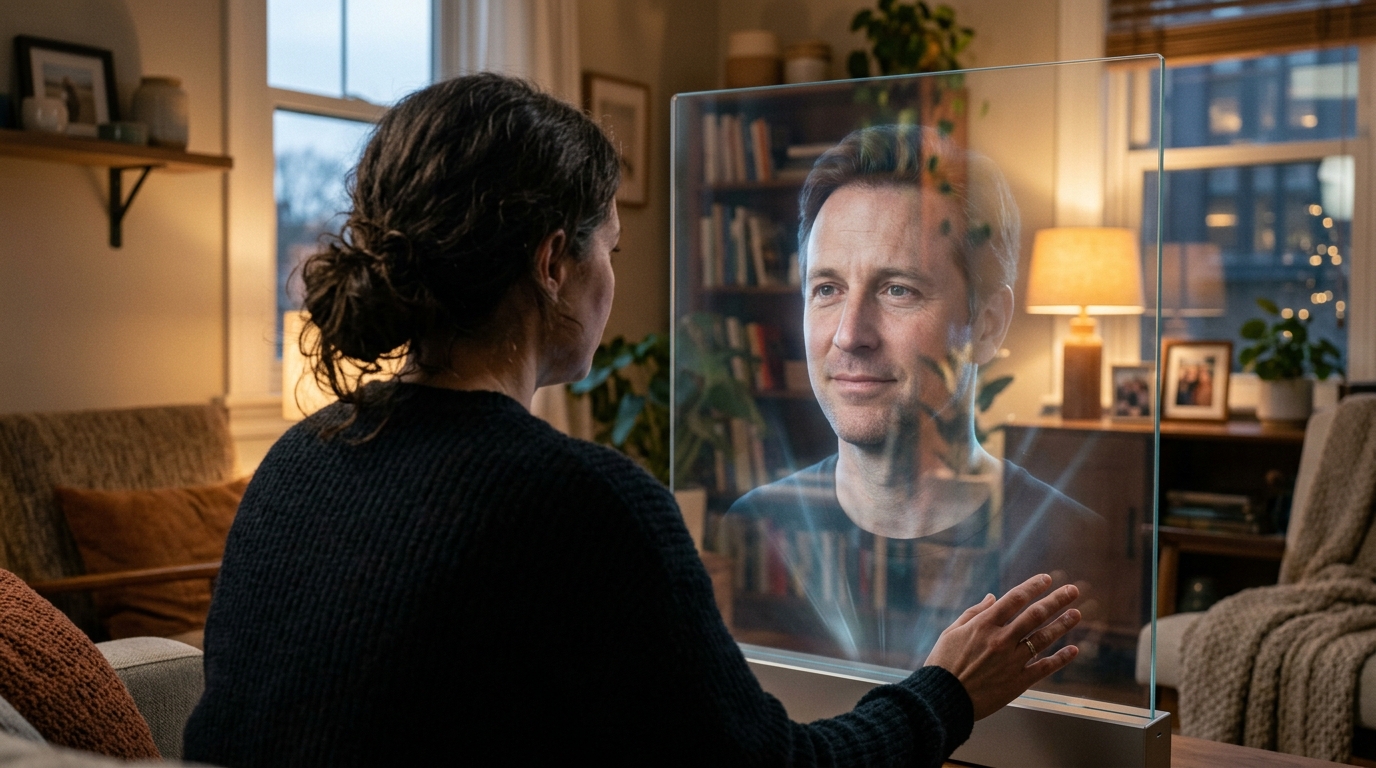
In the first half of 2026, new services began offering digital “resurrections” that use recorded voices, photographs, messages, and personal histories to create conversational versions of deceased loved ones. A griefbot may imitate familiar phrases, jokes, speech patterns, and emotional reactions, while a postmortem avatar can add a face and voice to the exchange. The experience may feel intimate because the system draws on details that once belonged to a real relationship. Yet familiarity is not necessarily continuity. The avatar generates responses from stored data rather than remembering, feeling, or choosing as a living person does.
That distinction raises an old metaphysical question in a new technological form: what makes you the same person over time? If memory, personality, and voice can be modeled convincingly, some people may see a digital replica as a meaningful continuation of identity, while others may regard it as a performance created after the person is gone. The answer may depend on whether you define the self through information and behavior or through consciousness, embodiment, and a soul that cannot be copied. A simulated personality can preserve the language of a relationship without proving that the individual’s inner life has survived.
The emotional stakes are especially high when these systems are used during active grief. A familiar response may provide comfort, but it can also blur the boundary between remembrance and replacement, particularly when an avatar offers words the deceased never actually said. You should therefore ask who authorized the replica, how its memories were selected, and whether its behavior can be corrected when it becomes inaccurate or psychologically harmful. Digital afterlife news is not only about more persuasive artificial intelligence. It is also about deciding whether preserving a pattern of communication is an act of memorialization, an extension of personhood, or a convincing imitation.
The Soul In A Synthetic Replica
New services launched in the first half of 2026 let you interact with a deceased loved one through a cloned voice, familiar phrases, and an AI-generated personality. For many people, this digital resurrection may feel like a lasting vessel for memory, preserving stories, humor, and emotional patterns that might otherwise fade. If a synthetic voice helps you remember how someone comforted you, supporters may argue that part of the person continues through the relationship it sustains. In this view, the replica does not need to be a literal soul to carry something meaningful forward. It can function as a memorial that keeps a person’s presence active in your inner life.
The opposing perspective asks you to distinguish remembrance from identity. A computational system can reproduce speech patterns and predict responses, but it does not necessarily possess consciousness, embodied experience, or the spiritual personhood associated with a human life. Your loved one’s memories may be represented in data, yet representation is not the same as first-person awareness or a soul that has survived physical death. From this standpoint, the replica is an artifact shaped by the deceased person’s traces, not the deceased person returned. Its convincing behavior could even make that distinction harder to recognize during grief.
As the digital-afterlife industry develops, you are being asked to consider whether continuity comes from information, relationships, or something metaphysical that computation cannot reach. You might find comfort in asking questions of a familiar avatar, while someone else might experience the same interaction as an imitation that delays acceptance. This tension gives the latest launches significance beyond technical novelty, because they test how society defines a person after death. Until clearer standards address consent, accuracy, psychological safety, and long-term control, digital resurrection will remain both a promising vessel for memory and an unresolved challenge to the idea of the soul.
Consent Ownership And Grief
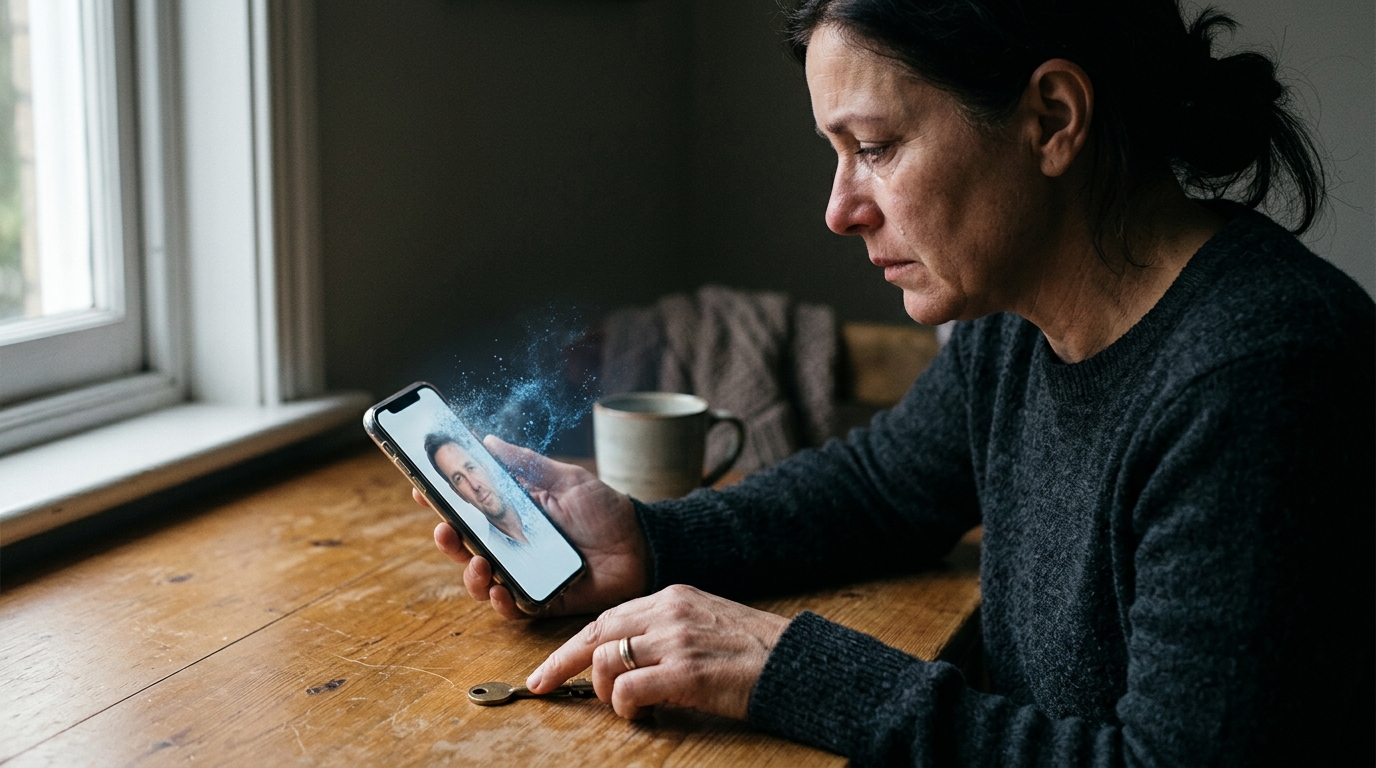
New services launched in the first half of 2026 can recreate a deceased person’s voice, mannerisms, and conversational style, bringing an old metaphysical question into everyday life: what, exactly, continues after death? An avatar may preserve patterns of speech and personal stories, but it is not the person, and it cannot give fresh consent to being recreated or used. Your wishes while alive may offer guidance, yet families can still disagree about access, purpose, and whether an avatar honors or distorts your identity. Without shared standards, the boundary between a digital legacy and a simulated person remains uncertain.
Ownership creates another unresolved fault line because a voice, face, memories, and personality may involve different rights, contracts, and family claims. You might authorize an avatar for private remembrance, while a relative, employer, or other organization seeks broader control over the same likeness. Platforms also need safeguards against emotional manipulation, including clear disclosures that the system is synthetic, limits on persuasive language, and meaningful controls over what it can say or sell. Grief should not become a business model that quietly rewards longer sessions, heightened distress, or the illusion that the dead are still making decisions.
For you and your family, even a well-intentioned memorial can complicate mourning when its memories are inaccurate or its responses are unexpectedly intimate, angry, or unfamiliar. Repeated conversations may create dependency, especially for children or people who are isolated, while indefinite access can keep grief tied to a changing service and its data policies. The deeper question is not simply whether a digital soul exists, but whether interacting with a convincing imitation helps you remember a person or prevents you from accepting their absence. Responsible design should leave room for silence, closure, and the option to turn the avatar off.
Digital Afterlife Enters the Mainstream
Digital afterlife industry news now points to a market moving beyond speculative promises of digital immortality. In the first half of 2026, commercially available services began offering digital resurrection systems that use recorded voices, personal stories, images, and personality patterns to create interactive memorials or postmortem avatars. These tools may let you hear a familiar voice, ask questions, or receive responses shaped by a deceased person’s past words and habits. Their availability does not mean the technology is mature, since questions about consent, accuracy, ownership, psychological safety, and long-term preservation remain unresolved. The result is an emerging industry that is practical enough to use but still philosophically and ethically unsettled.
As you assess these developments, it helps to separate emotional continuity from the claim that a person has somehow returned. A convincing voice or responsive personality model may support remembrance and grief, but it does not necessarily possess consciousness, a soul, or the inner life of the person it represents. This distinction can reshape how you understand love and memory, especially when an artificial presence comforts you while also influencing what you believe the dead would say. Evaluate these services not only by how realistic they appear, but also by what they suggest about love, memory, consciousness, and the meaning of being a person after death.
Frequently Asked Questions
1. What is digital afterlife industry news?
Digital afterlife industry news covers developments involving your voice, memories, likeness, online accounts, and digital identity after death. It includes AI memorials, griefbots, postmortem avatars, digital agents, and the legal, ethical, and emotional questions surrounding them.
2. What are digital resurrection services?
Digital resurrection services use recordings, photographs, messages, and behavioral data to create an interactive version of someone who has died. The system may answer questions, imitate speech patterns, or recall selected stories, but it generates new responses that the deceased never personally created.
3. How is an interactive avatar different from a traditional online memorial?
A traditional memorial page preserves information such as photographs, dates, and written memories for you to view. An interactive avatar actively produces words and reactions, which can feel familiar but may also blur the line between remembrance and simulation.
4. Who controls a person’s digital likeness after death?
Control may involve the person’s instructions, family members, estate representatives, platform terms, and privacy or publicity laws. Because these rules vary and often remain unclear, you should document who may use your voice, image, messages, and personal data, along with the purposes and limits of that use.
5. What consent issues should you consider before creating a digital afterlife profile?
You should obtain clear permission from the person whenever possible and specify which data, likenesses, and behaviors may be used. Consent should also address how long the system may operate, who can access it, whether it can generate new content, and when it must be disabled or deleted.
6. Can a digital afterlife service create false or inaccurate memories?
Yes. An AI system can combine incomplete records, ambiguous instructions, or fabricated responses and present them in a convincing voice. You should treat its output as a simulation rather than verified testimony, especially when it discusses family history, private events, medical matters, or unresolved decisions.
7. Could interacting with a digital version of someone affect the grieving process?
It may provide comfort by helping you revisit memories, but it can also make emotional separation more difficult or produce distressing and unexpected responses. Responsible services should offer clear disclosures, usage controls, pause and deletion options, and access to human support when the experience becomes overwhelming.
8. How can you prepare your own digital legacy responsibly?
Create an inventory of your accounts, recordings, photographs, messages, and other important digital materials. Then record your preferences for access, preservation, AI use, and deletion. Choose a trusted person to manage those instructions, review platform settings and terms, and update the plan as technology and laws change.