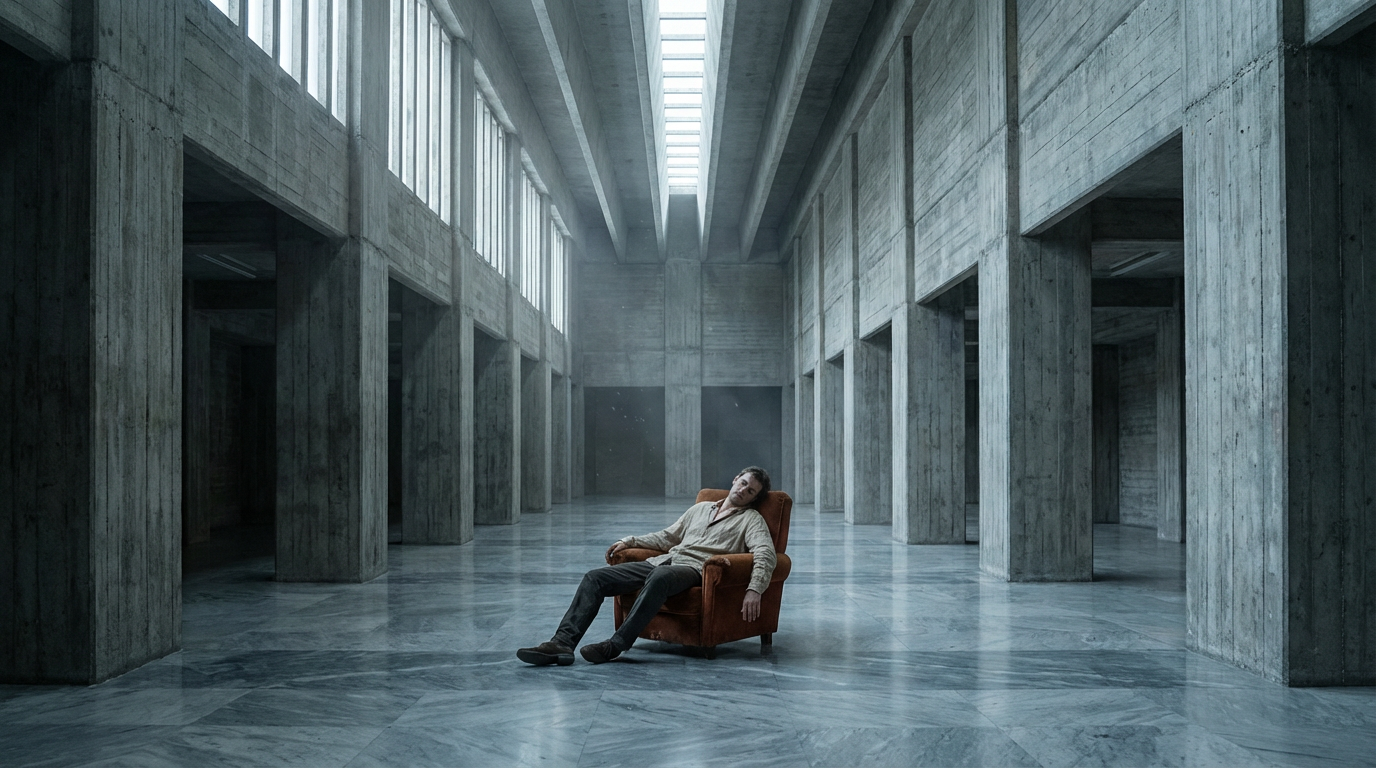
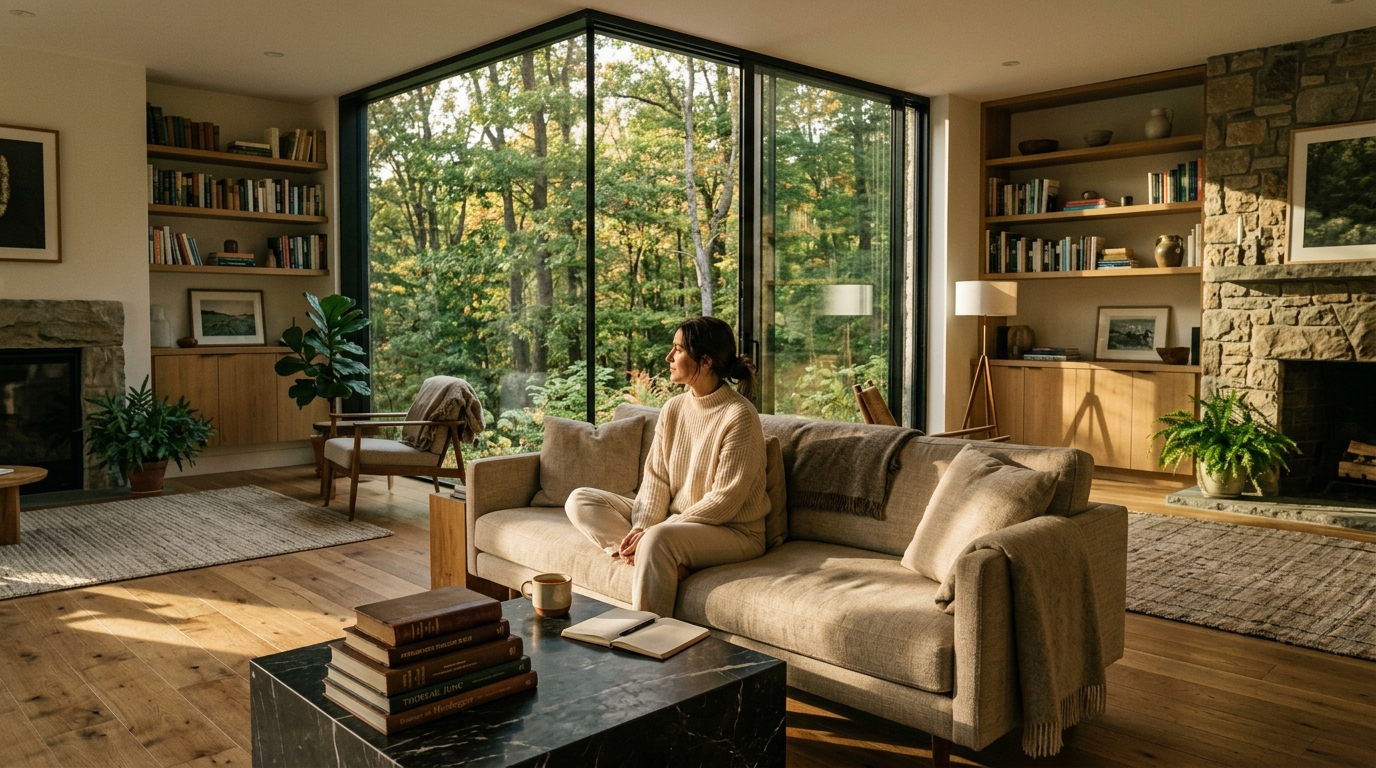
When you close your front door behind you, you aren’t just entering a physical structure of wood and glass; you are stepping into a profound expression of your inner life. The philosophy of domestic space suggests that your home is a vital extension of your psyche, serving as the primary site where your identity is formed and defended. While we often focus on interior design or square footage, the true essence of a dwelling lies in how these four walls facilitate your sense of belonging in an increasingly complex world.
As our lives become more digital and fluid, the boundaries of the home are shifting from static shelters to dynamic hubs of technology and connection. You might think of your attic as a place for storage, but philosophically, it represents your clarity of thought, while the quiet corners of your living room act as anchors for your lived experience. Understanding these hidden dimensions transforms your house from a mere commodity into a sacred vessel for the human soul.
Key Takeaways
- Your home is not a mere physical structure or commodity, but a vital extension of your psyche and the primary site where your identity is formed and defended.
- Dwelling is the fundamental essence of human existence, serving as a protective boundary that allows you to cultivate a stable sense of being against the chaos of the external world.
- The physical layout of a house acts as a map of the soul, where spaces like the cellar and attic represent the subconscious and intellectual clarity, respectively.
- A secure private interiority is the necessary foundation for ethics and hospitality, providing the personal strength required to open your doors and genuinely welcome others.
- In the digital age, the home has become a ‘psychomorphic’ space where technology blurs the lines between private thought and global connectivity, requiring a conscious management of information flow.
Dwelling As An Essence Of Human Being
When you think about your home, you likely envision a series of rooms or a specific set of furniture, but Martin Heidegger suggests that your relationship with this space is far more profound. To Heidegger, dwelling is not just the act of inhabiting a building, it is the very essence of how you exist in the world. You do not simply occupy a house after it is built, rather, you build because you are a dweller by nature. This means your domestic environment serves as the primary site where your identity is formed and where you find the security necessary to face the outside world. By cultivating your home, you are actually cultivating your own sense of being and establishing a meaningful place in the universe.
Your home acts as a protective boundary that allows you to exist in a state of peace and authenticity. In the modern world, where digital technology and constant movement can make life feel fragmented, the act of dwelling becomes a vital ethical practice for your well-being. When you intentionally arrange your surroundings to reflect your values and needs, you are creating a stay against the chaos of the external world. This process of making yourself at home is what allows you to feel whole, transforming a physical structure into a sanctuary of self-expression. Ultimately, your domestic space is the foundation upon which your entire experience of reality is constructed.
Bachelard And The Poetics Of Lived Space
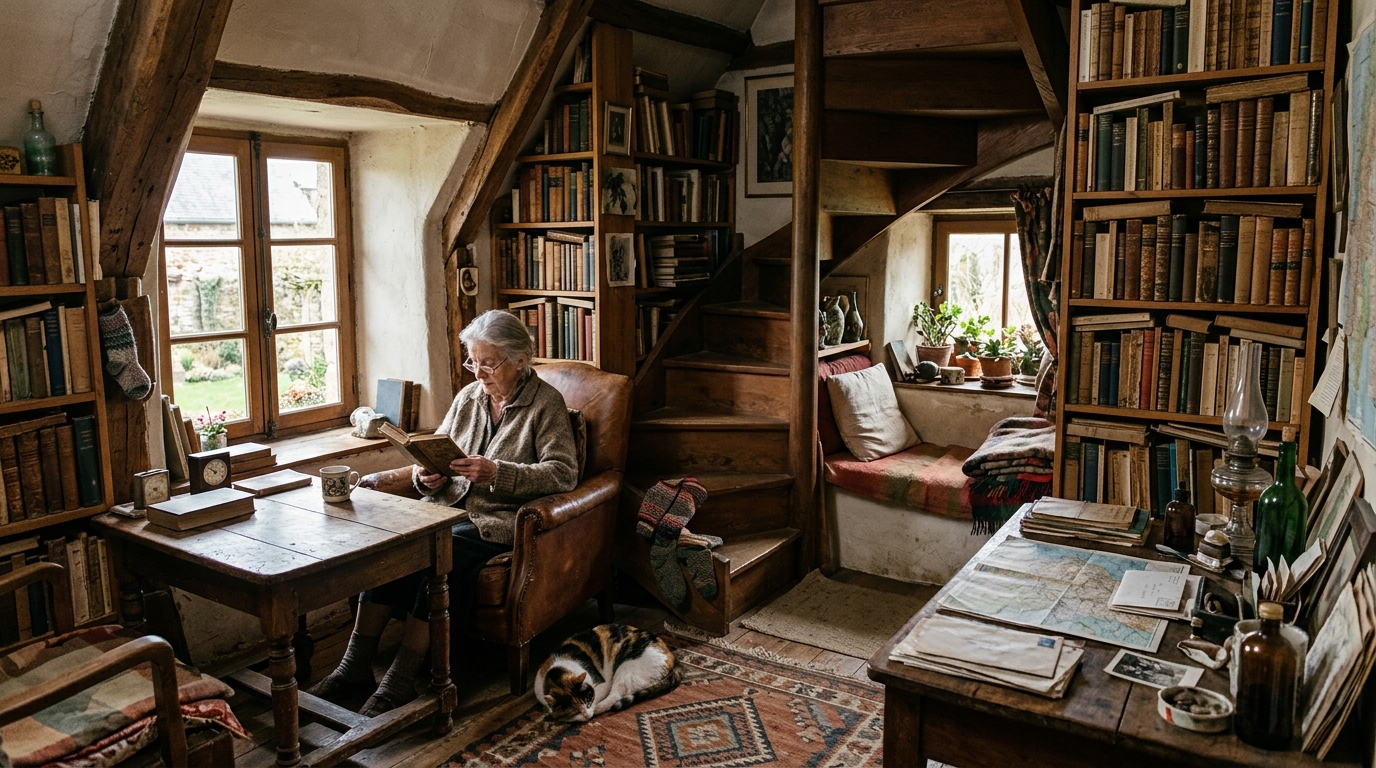
Gaston Bachelard invites you to view your home as more than just a collection of rooms, suggesting instead that it serves as a powerful vessel for your inner life. When you walk through your front door, you are not just entering a physical structure, but a space that protects your ability to dream and reflect. Bachelard argues that our domestic environments act as a tool for analyzing the human soul, where every nook and corner holds a specific psychological weight. By paying attention to how you inhabit your home, you can begin to see how your physical surroundings influence your sense of self and your overall well-being. This perspective transforms a simple house into a sanctuary where your memories and future aspirations can safely reside.
To understand this concept deeply, you should consider the verticality of your home through the metaphor of the cellar and the attic. Your cellar represents the subconscious, a dark and grounded space where the hidden or foundational aspects of your psyche are stored. In contrast, the attic symbolizes intellectual clarity and the heights of intellectual or spiritual ambition. By moving between these levels, you are effectively navigating the different layers of your own consciousness. This vertical journey encourages you to find a balance between your deep, hidden roots and your desire for mental expansion and light.
Your home ultimately functions as a site of ethical and metaphysical significance, shaping your identity through daily rituals and spatial orientation. Bachelard suggests that the oneiric, or dream-like, quality of these spaces allows you to integrate your past experiences with your current reality. When you embrace the poetics of your lived space, you recognize that your environment is an active participant in your personal growth. This realization empowers you to curate your surroundings with more intention, ensuring that your home reflects the person you are becoming. Understanding these psychological dimensions helps you transform a mundane living area into a meaningful space for the spirit.
The Ethical Threshold Of Hospitality And Interiority
When you close your front door, you might feel like you are finally shutting out the world to find peace in your own private bubble. The philosopher Emmanuel Levinas suggests that this sense of interiority is actually the first step toward becoming a truly ethical person. Your home provides a necessary sanctuary where you can gather your thoughts and establish a stable sense of self away from the chaos of the public sphere. Without this foundational security, you would lack the personal depth and resources required to eventually turn your attention toward the needs of others.
The true beauty of your domestic space lies in its transformation from a closed retreat into a site of hospitality. Levinas argues that a home only fulfills its metaphysical purpose when you are willing to open its doors to a guest. By creating a comfortable environment for yourself, you are simultaneously building a place where you can welcome the other person with genuine warmth and care. Your private walls do not exist to isolate you, but rather to give you a meaningful platform from which you can practice the ethical act of sharing your world.
This perspective shifts how you might view your interior design and daily routines from mere self-indulgence to a form of preparation. Every cozy corner and organized room serves as a foundation for your ability to be present and generous when someone else arrives at your threshold. When your home feels like a true reflection of your inner life, you gain the confidence to engage with the outside world from a position of strength. Ultimately, your private sanctuary functions as a launching pad for empathy, proving that the most profound connections often begin in the quietest rooms of your house.
Digital Domesticity And The Psychomorphic Home
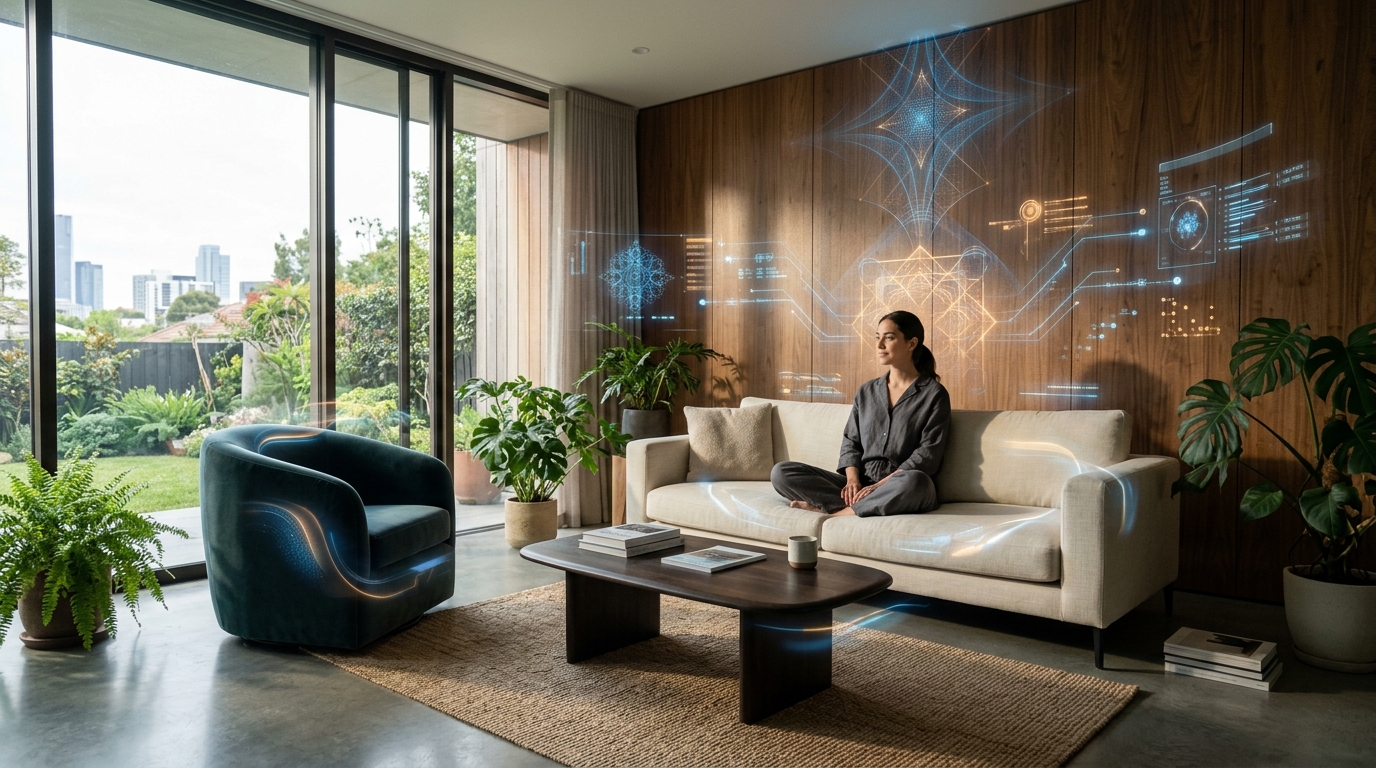
Modern technology has fundamentally altered the way you inhabit your private world, turning the four walls of your house into a porous membrane. As Emanuele Coccia suggests, the home is no longer a static container for bodies but a fluid space where your inner life and the external world constantly intermingle. By using smart devices and digital platforms, you are effectively projecting your consciousness into a virtual environment that exists both inside and outside your physical address. This psychomorphic shift means your domestic environment now functions as a mirror of your digital habits and psychological states. Your home has evolved into an extension of your mind, where geographic boundaries matter less than the connectivity that defines your daily existence.
This blurring of boundaries challenges the traditional idea that the home is a closed sanctuary meant to keep the world at bay. Instead of a fortress, your living space has become a site of constant exchange where the ethical and political issues of the digital age enter your most intimate rooms. When you work, socialize, and consume media from your couch, you are participating in a multifaceted network that reshapes your sense of self. The psychomorphic home adapts to your needs and moods, creating a personalized ecosystem that reflects your identity back to you in real time. This transformation requires you to rethink the ethics of privacy and the psychological impact of living in a space that never truly shuts out the noise of the collective.
As you navigate this digital domesticity, you are essentially curating a metaphysical environment that transcends physical architecture. Your home is now a hybrid of physical comfort and digital fluidity, where the distinction between your private thoughts and public presence becomes increasingly thin. This evolution suggests that dwelling is no longer just about finding shelter, but about managing the information flow and energy that passes through your life. By recognizing your home as a psychomorphic entity, you can begin to understand how your surroundings influence your mental well-being and your connection to the broader world. Your domestic space is the primary stage where you negotiate the complex relationship between your individual psyche and the global digital infrastructure.
Building Your Sanctuary of Self-Definition
Ultimately, the way you choose to curate your domestic environment is a profound act of self-definition that transcends mere interior design. By viewing your home through the lens of Heidegger or Bachelard, you begin to see every corner as a reflection of your internal state and personal values. When you intentionally shape your surroundings, you are not just decorating a room, but you are constructing a sanctuary that supports your psychological well-being. This intentional living allows you to cultivate a stable sense of self in a world that often feels chaotic and fragmented. Your home becomes the primary site where your private identity is nurtured and protected from external pressures.
Once you have established a domestic space that truly resonates with your inner life, your engagement with the outside world becomes more grounded and authentic. A well-ordered and meaningful home serves as a psychological launchpad, providing you with the clarity and ethical focus needed to navigate public life. By exploring the philosophy of home and its metaphysical significance, you can better appreciate the diverse ways others choose to dwell in the world. This deeper connection to your personal environment fosters a sense of empathy and responsibility that extends far beyond your front door. Shaping your space with sentimentality and kitsch is therefore an essential step toward living a more intentional and globally conscious life.
Frequently Asked Questions
1. What does it mean to say that a home is an extension of the psyche?
Your home is a physical manifestation of your inner world where every choice reflects your values and identity. It serves as a vital site where you form and defend your sense of self against the outside world.
2. How does Martin Heidegger define the act of dwelling?
Heidegger views dwelling as the fundamental essence of human existence rather than just a functional use of a building. You are a dweller by nature and you create a home because it is how you establish a meaningful place in the universe.
3. Why is the domestic boundary so important in the digital age?
As your life becomes more fluid and digital, your home acts as a protective boundary that preserves your authenticity. It provides a necessary site of peace and grounding that prevents your identity from becoming fragmented by constant movement.
4. Can specific areas of a house have different philosophical meanings?
Different spaces in your home represent various dimensions of your lived experience and mental state. For example, your attic can be seen as a symbol for your clarity of thought while quiet corners serve as anchors for your daily life.
5. How does viewing a house as a sacred vessel change your perspective?
This shift moves you away from seeing your home as a mere commodity or a collection of square footage. By recognizing it as a sacred vessel, you begin to treat your living environment as a primary tool for cultivating your soul and your sense of being.
6. What is the relationship between building and dwelling?
You do not simply move into a house and then begin to inhabit it, rather, the act of building is an expression of your inherent need to dwell. Your domestic environment is the primary foundation where you find the security required to face a complex world.