
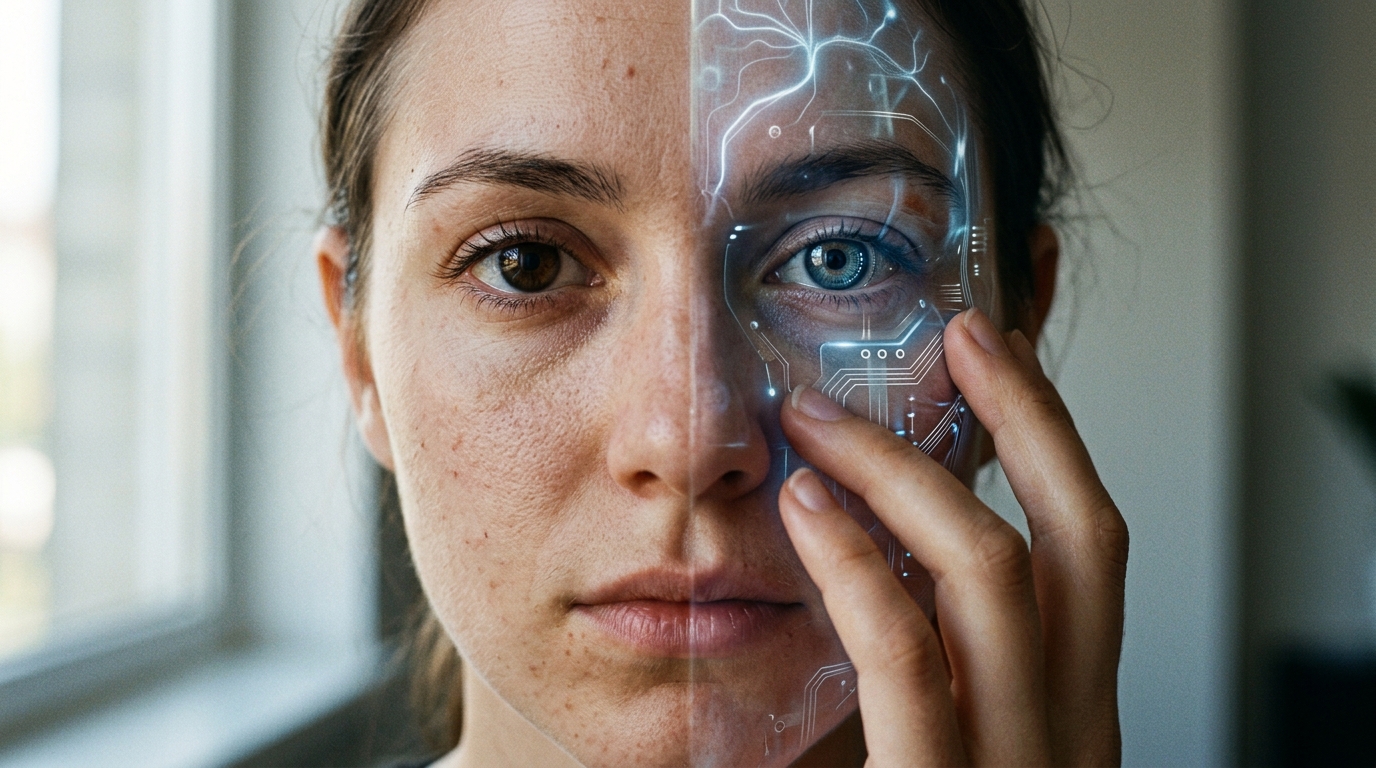
Your body, brain, and biological data are becoming part of digital systems. This shift changes what it means to make informed choices about yourself. Bio-digital convergence ethics asks who should control this information, how algorithms should influence biological decisions, and where innovation must meet clear moral boundaries. These questions already affect privacy, consent, health care, identity, and human autonomy.
As biological systems become measurable, programmable, and connected to machines, you need more than technical answers. You need a framework for weighing benefits against risks. The central challenge is to encourage discovery without treating living beings as products, data points, or tools. Understanding these ethical tensions helps you recognize what is at stake before the next breakthrough reaches your body, your community, or the wider world.
Key Takeaways
- Treat biological data—including genomic, medical, facial, neural, and behavioral information—as part of personal identity, not merely a commercial asset. Require meaningful consent, data minimization, correction rights, limits on secondary use, and accountability for harmful inferences.
- Protect autonomy and identity when neurotechnology or adaptive systems read or influence brain activity. Consent must be ongoing, understandable, reversible, and supported by the ability to pause systems or access independent human review.
- Govern bio-digital systems with enforceable safeguards before deployment, including transparent algorithms, independent oversight, continuous monitoring, human intervention, and clear remedies when automated decisions cause harm.
- Judge innovation by whether its benefits are fairly distributed and its risks to marginalized communities, future generations, nonhuman life, and ecosystems are limited and reversible. Public participation, accessibility, anti-discrimination protections, and environmental responsibility must guide development.
Biological Identity In Digital Systems
Your biological identity is increasingly assembled from data that once stayed private or disappeared into the body. A genomic profile, facial scan, heart rhythm, brain signal, medical record, or pattern of online behavior can become a persistent digital asset that reveals far more than you knowingly shared. The July 2026 international health guidelines bring renewed attention to the boundaries of human identity as biological and digital systems become more closely integrated. You may consent to sharing one piece of information without realizing that algorithms can combine it with others to create an intimate profile of your health, abilities, risks, or likely behavior.
Ownership is only part of the ethical question. Control also depends on access, interpretation, and accountability. You should be able to understand how your data is collected, correct errors, withdraw permission where possible, and know whether an automated system is influencing a diagnosis, job decision, insurance assessment, or access to education. Yet the people and institutions that generate biological data are not always the ones who store or profit from it. Technical interpretations can also contain hidden assumptions or reflect biased training data. Strong ethical safeguards should therefore treat biological information as connected to personal dignity, not merely as raw material for innovation.
The stakes become even higher when digital systems infer traits you never directly disclosed, such as susceptibility to illness, emotional state, cognitive patterns, or future productivity. A responsible approach should limit unnecessary collection, require meaningful consent, protect data from secondary uses, and give you a clear way to challenge harmful conclusions. It should also recognize that some biological information affects families and communities, so individual permission cannot answer every question about collective privacy or fairness. As bio-digital convergence advances, the central issue is not whether your body can be translated into data, but whether that translation will expand your agency or quietly determine your opportunities.
Neurotechnology And The Self
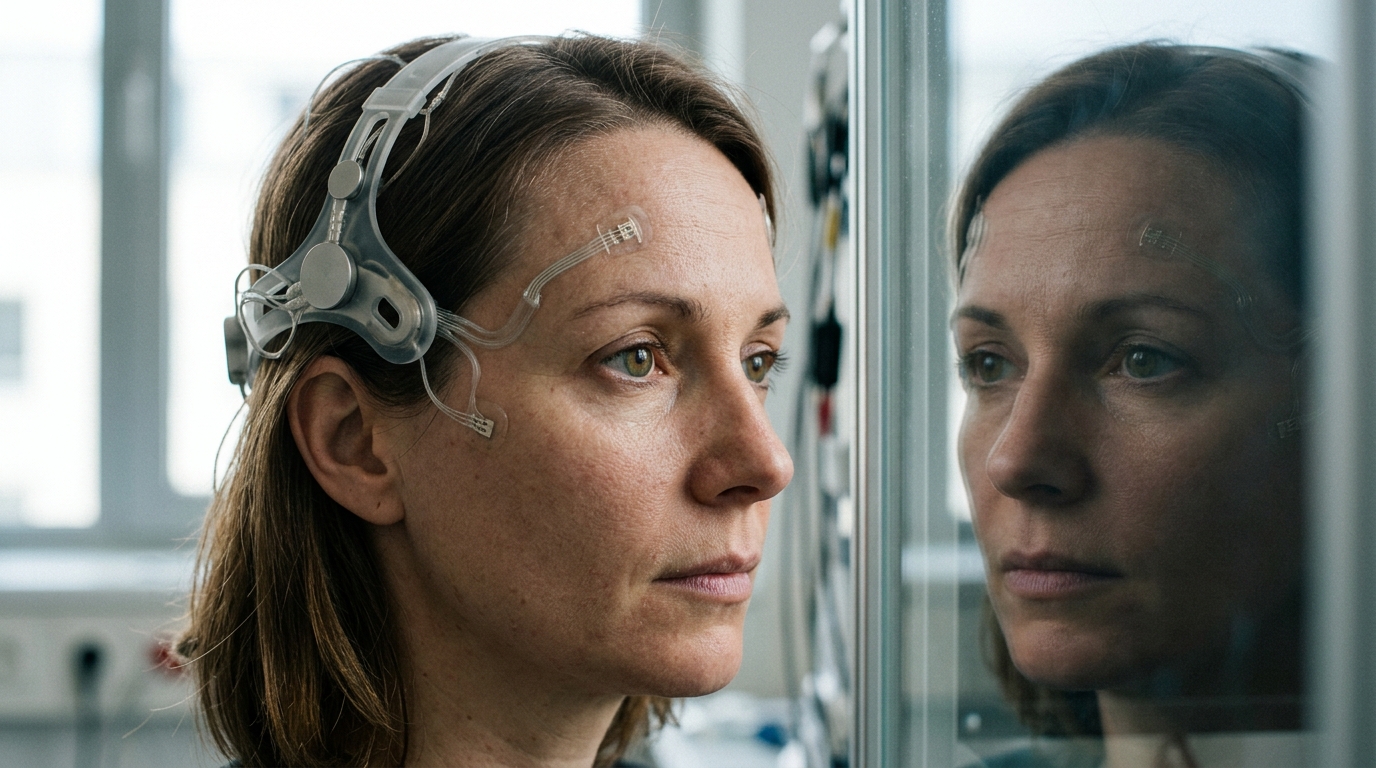
Neurotechnology makes the private inner life more difficult to protect. Brain-computer interfaces and neural-monitoring systems can translate patterns of electrical activity into information about attention, movement, mood, or even likely intentions. When those patterns become digital records, you may lose control over details that once existed only within your own mind. Bio-digital convergence ethics therefore asks whether neural data should receive stronger protections than ordinary personal information, especially when it can reveal vulnerabilities you never deliberately chose to disclose.
The challenge grows when technology moves beyond reading the brain and begins influencing it. Adaptive systems can adjust stimulation, interfaces, or digital environments in response to your neural activity. This may help you communicate or manage a medical condition, while also shaping what you notice, feel, or decide. In that setting, consent cannot be a one-time agreement buried in a form because the system may change over time and its effects may be difficult to recognize. You need meaningful control, clear explanations, and the ability to pause or withdraw from participation without losing essential care or independence.
These technologies also raise a deeper question about personal identity. If a device helps retrieve a memory, initiate a movement, or regulate an emotion, where does your agency end and the system’s influence begin? The July 2026 international health guidelines have brought renewed attention to this boundary, emphasizing the need to treat human dignity and biological existence as more than technical variables. Ethical design must preserve your ability to understand, challenge, and direct the systems connected to your mind. Protecting the self in a bio-digital future means safeguarding not only what your brain produces, but also your continuing right to decide who you are.
Governance After The 2026 Guidelines
The July 2026 international health guidelines treat bio-digital convergence ethics as a question of boundaries, not simply innovation. As your biological data becomes searchable, programmable, and linked to systems that can influence your body or behavior, you need clear answers about where personal identity begins and ends. Meaningful consent must involve more than accepting lengthy terms of service. You should understand what is being collected, how algorithms may use it, who can access it, and whether you can withdraw without losing essential care or services. These protections matter especially when brain signals, genetic information, or continuously gathered health data could reveal intimate details about your biological existence.
The guidelines also emphasize that human oversight must remain meaningful when digital systems make or recommend biological decisions. You should be able to question an automated diagnosis, understand the main reasons behind a high-stakes recommendation, and reach a qualified person who can intervene. Explainable algorithms cannot remove every technical complexity, but they can make errors, uncertainty, and competing values visible to patients, researchers, and regulators. Limits on experimentation are equally important, particularly when a system affects developing bodies, neural activity, reproductive choices, or changes that cannot easily be reversed.
International efforts are beginning to build shared expectations, but governance must remain adaptable as technology moves faster than legislation. That means setting enforceable safeguards before harm occurs, requiring independent review, monitoring systems after deployment, and creating remedies when individuals or communities face unacceptable risks. You should not have to wait for a crisis to discover who is responsible for a failed algorithm or an altered biological system. The central principle is simple: progress may expand what is technically possible, but it must not reduce your ability to choose, understand, challenge, and remain protected.
Justice Across Bodies And Ecosystems

When biological signals become digital records, you are not simply managing data. You are negotiating questions about identity, autonomy, and what counts as part of a person. The July 2026 international health guidelines underscore the need to examine these boundaries as brain activity, genetic traits, and bodily functions become increasingly measurable and programmable. Yet access to advanced diagnostics, neural interfaces, and enhancement technologies is unlikely to be equal, leaving low-income communities and marginalized groups at greater risk of exclusion. People with disabilities must not be treated as problems to be corrected, nor should genetic or neurological profiles become grounds for discrimination in employment, insurance, education, or public services. Justice requires meaningful consent, accessible design, and a voice in decision-making for the people whose bodies and identities are most directly affected.
You also need to ask who bears the hidden costs of bio-digital innovation. Mining for device materials, energy-intensive computing, laboratory waste, and engineered organisms can damage communities and ecosystems that have little influence over research or commercial decisions. Turning living systems, genetic resources, or biological data into private assets may create wealth for a few while weakening community control and treating life as a technical resource. Future generations cannot consent to irreversible changes, so responsible governance should account for long-term effects rather than focus only on immediate benefits. The same principle applies to nonhuman life, whose value should not depend solely on its usefulness to human goals.
A just approach measures success by more than speed, efficiency, or market growth. As you evaluate a bio-digital system, consider whether its benefits are shared, whether its risks are reversible, and whether affected communities can challenge decisions made by algorithms or institutions. Protecting biological existence means recognizing that bodies are not interchangeable platforms and ecosystems are not passive infrastructure. It also means supporting public oversight, fair access, strong privacy protections, and environmental limits before technologies become difficult to withdraw. Bio-digital convergence can expand human capabilities, but its legitimacy depends on preserving dignity and ecological relationships across bodies, generations, and species.
Who Controls Bio-Digital Convergence?
Bio-digital convergence ethics is ultimately a question of control: who decides how biological data is collected, how algorithms influence care, and when digital tools may alter a body, mind, or living system. As the July 2026 international health guidelines emphasize, integration should not be judged by technical capability alone. You also need to ask whether people can understand, question, and refuse systems that affect them. Without meaningful oversight, convenience and innovation can quietly shift power away from individuals and communities.
Dignity and identity make these questions personal. A genome, neural signal, or continuously monitored body is not merely a dataset because it can reveal intimate information about your health, relationships, choices, and sense of self. When biological traits become programmable or digitally mediated, you must consider whether technology is supporting human agency or narrowing the accepted definition of a healthy, capable, or valuable person. Ethical safeguards should therefore protect consent, privacy, bodily autonomy, and your right to remain more than a prediction generated from biological information.
The boundaries of human life also require careful attention as digital systems help design organisms, connect with brains, or use living components in machines and manufacturing. You can evaluate these developments responsibly by looking beyond what they can do and asking who directs them, whose values they reflect, and who bears the risks when they fail. The central challenge is not to reject convergence, but to ensure that it develops in ways that preserve accountability, pluralism, and respect for biological existence. A genuinely ethical future will treat innovation as a means of serving human and ecological flourishing, not as permission to redefine life without public reflection.
Frequently Asked Questions
1. What is bio-digital convergence ethics?
Bio-digital convergence ethics is the study of how moral principles should guide technologies that connect biological systems with digital tools. It addresses questions about privacy, consent, ownership, fairness, safety, and human autonomy when bodies, brains, and biological data become measurable, programmable, and connected to machines.
2. Why does bio-digital convergence ethics matter to me?
It affects how your health information, genetic profile, brain signals, facial features, and biological patterns may be collected and used. These systems can influence medical care, insurance, employment, identity, and access to services, often in ways you may not immediately see or understand.
3. Who should control my biological data?
You should have meaningful control over how your biological data is collected, accessed, interpreted, shared, and deleted where possible. Control requires more than nominal ownership. You also need clear explanations, the ability to correct inaccurate information, limits on secondary use, and accountability when organizations or algorithms misuse your data.
4. What makes consent meaningful in bio-digital systems?
Meaningful consent requires information you can understand, a genuine choice to participate, and freedom from pressure or unfair consequences for refusing. You should know what data will be collected, how long it will be kept, who will use it, what risks exist, and whether you can withdraw permission later.
5. How can algorithms threaten human autonomy?
Algorithms can shape decisions about diagnosis, treatment, insurance, employment, or access to services without making their reasoning visible to you. They may also infer sensitive traits or future risks from data you never knowingly provided. Important decisions should therefore include transparency, human review, opportunities to challenge errors, and respect for your ability to make informed choices.
6. What privacy risks arise when biological and digital data are combined?
Combining genomic information, medical records, brain signals, facial scans, heart rhythms, and online behavior can create detailed profiles of your health, identity, abilities, and likely actions. Even if each data point seems harmless, linking them can expose sensitive information about you and your relatives, making strong security, data minimization, and strict limits on reuse essential.
7. How should society balance innovation with ethical boundaries?
Innovation should proceed when its benefits are supported by evidence, its risks are openly assessed, and affected people have a meaningful voice. Ethical boundaries should prevent exploitation, discrimination, coercive monitoring, unsafe experimentation, and the treatment of living beings as products or data points, while still allowing responsible research and beneficial medical advances.
8. Who is responsible when a bio-digital system causes harm?
Responsibility should be shared among developers, researchers, health care providers, institutions, regulators, and organizations that deploy the system. Each party must document decisions, test for bias and safety, protect data, provide human oversight, and offer clear remedies when inaccurate or harmful systems affect your rights, health, or opportunities.