

Every time you glance at an icon on your smartphone or interpret a red light at a busy intersection, you are participating in a complex system of silent communication. Understanding semiotics for beginners is about more than just decoding old texts; it is your secret key to mastering the hidden languages of the digital and AI-driven world. By learning how signs shape your perception, you gain the power to navigate global marketing and virtual environments with a newfound sense of clarity and intent.
You might think of a sign as a simple image, but it is actually a sophisticated bridge between a physical form and a mental concept. Whether you are analyzing the direct connection of smoke to fire or the arbitrary meaning behind a brand logo, you are uncovering the architecture of human thought. Mastering these core relationships allows you to peel back the layers of everyday media to see exactly how meaning is constructed and manipulated in the world around you.
Key Takeaways
- Meaning is constructed through the duality of the signifier (the physical form) and the signified (the mental concept), forming an arbitrary relationship based on shared social conventions rather than inherent logic.
- Signs function in three distinct categories: icons resemble the objects they represent, indexes point to meaning through causal links, and symbols rely entirely on cultural agreement.
- The impact of communication lies in the transition from denotation (literal meaning) to connotation (emotional and cultural associations), which often forms invisible ‘cultural mythologies’ that shape subconscious choices.
- In the age of AI, digital literacy requires distinguishing between human-driven meaning and algorithmic outputs that mimic symbols through statistical patterns without genuine intent or lived experience.
The Anatomy Of The Signifier And Signified
At the heart of semiotics lies a simple but profound duality that changes how you perceive every word and image around you. Professional linguists propose that every sign is composed of two inseparable parts, much like two sides of a single piece of paper. The first part is the signifier and signified, where the signifier is the physical form the sign takes, such as the specific vibration of a sound or the ink marks of a written word. When you see the word apple on a page, those black letters are the signifier. This physical trigger acts as the gateway to the second part of the equation, known as the signified.
The signified is not the physical object itself, but rather the mental concept or image that flashes in your mind when you encounter the signifier. When you hear the word tree, your brain immediately conjures the idea of a trunk, branches, and leaves, even if there is no physical tree in the room. This connection is the fundamental building block of human language and thought. By understanding this relationship, you begin to see how the philosophy of language shapes your reality through a vast web of these associations. It allows you to recognize that meaning is not inherent in objects, but is created through the mental links we forge between forms and ideas.
While it might feel as though the word dog naturally belongs to the furry animal it describes, experts emphasize that the relationship between the signifier and the signified is usually arbitrary. There is no logical reason why the sound of that specific word should represent a canine, which is why different languages use entirely different signifiers for the same concept. This realization is empowering because it reveals that communication systems are based on shared social conventions and arbitrary relationship agreements. As you navigate a digital world filled with icons and branding, recognizing this duality helps you decode how specific images are designed to trigger precise emotional responses. You are no longer just a passive consumer of information, but an active interpreter of the symbolic world.
Icons Indexes And Symbols In Modern Life

You can start decoding your daily environment by recognizing icons, which are signs that function through direct resemblance. When you see a trash can icon on your computer screen or a silhouette of a person on a restroom door, you do not need a manual to understand what they represent because they look like the physical objects they signify. These signs rely on a logic of similarity, making them intuitive tools for navigating digital interfaces and international spaces. By mimicking reality, icons bridge the gap between different languages and cultures through simple visual shorthand.
Indexes require a bit more detective work because they rely on a direct, causal connection to represent an idea. You encounter these every time you see a dark cloud and reach for an umbrella or notice a footprint in the sand and realize someone walked there before you. An index does not look like its object, but it points toward it through a physical or logical link, such as smoke indicating a fire or a fever signaling an illness. Understanding indexes helps you perceive the natural and digital world as a series of interconnected clues that trigger specific, logical responses.
Symbols represent the most complex category because their meaning is purely a matter of social convention and shared agreement. There is no natural reason why the word apple represents a red fruit or why a red light means you must stop your vehicle, but you follow these rules because society has collectively decided they hold weight. These signs are the building blocks of language and cultural identity, requiring you to learn specific codes to participate in modern life. Once you master the distinction between these three distinct categories, you will begin to see how every choice you make is a response to a meticulously structured world of meaning.
Denotation Connotation And Cultural Mythologies
To truly master semiotics, you must learn to distinguish between what you see and what you feel. Denotation is the first layer of meaning, representing the literal or dictionary definition of a sign, such as seeing a red rose and identifying it simply as a specific type of flower. However, the power of communication lies in connotation, which involves the emotional and cultural associations that bloom from that initial image. When you perceive that same red rose through a lens of connotation, it transforms into a symbol of passion, romance, or even apology. These secondary meanings are not inherent to the plant itself but are layers of significance that you have learned to apply through your social experiences.
Beyond these individual associations lies the concept of cultural mythologies, where signs work together to form powerful, invisible narratives. These myths are the stories a society tells itself to make certain values or behaviors seem natural rather than constructed. For example, you might see a high-end watch and subconsciously associate it with success, reliability, and status because of the cultural myths surrounding luxury and time management. By recognizing these myths, you can begin to decode how advertisements and digital media influence your subconscious choices every day. Understanding this process allows you to move from a passive consumer of information to an active interpreter of the complex world around you.
Semiotics In The Age Of Artificial Intelligence
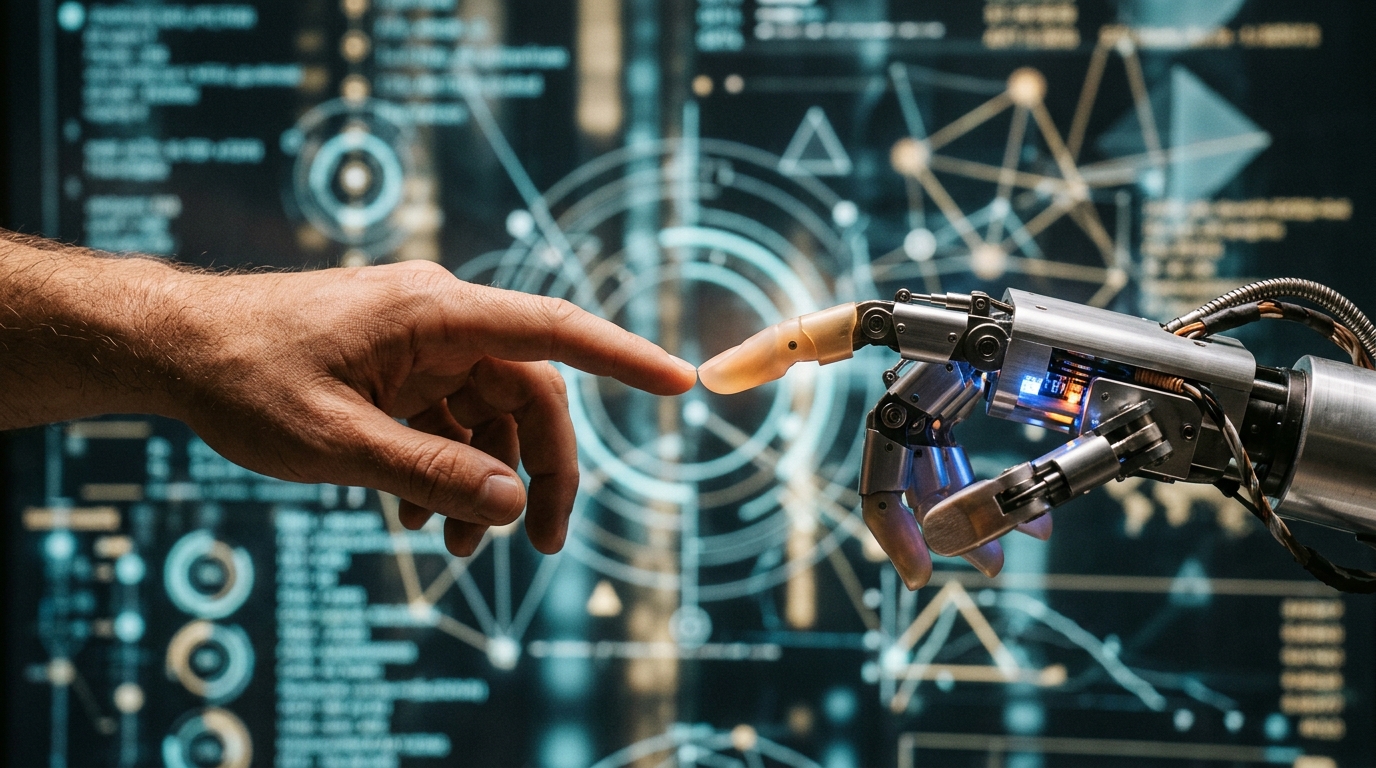
As you navigate the world of generative artificial intelligence, you are witnessing a fundamental shift in how meaning is constructed and shared. In traditional semiotics, a human creator uses a signifier to point toward a specific signified concept based on shared cultural understanding. With AI, this relationship becomes more complex because the machine generates symbols based on statistical patterns rather than lived experience or genuine intent. You are no longer just decoding a message from another person, but rather interpreting a mathematical approximation of human thought. This evolution requires you to look closer at the digital interfaces that mediate your daily life, as the collapse of signs and symbols continues to blur the line between human expression and algorithmic output.
When you prompt an AI to create an image or write a poem, you are engaging in a new form of structuralism where your intent acts as the catalyst for a machine-led semiotic process. The resulting output often mimics icons and symbols perfectly, yet it lacks the historical and emotional weight that a human creator naturally embeds in their work. You might find that while the signifier looks familiar, the signified meaning feels hollow or slightly shifted because it was born from data sets rather than conscious conviction. Understanding this gap is essential for your digital literacy, especially when navigating the moral landscape of these new tools, as it helps you distinguish between authentic communication and automated representation. By mastering these concepts, you become a more critical observer of the symbols that define our post-digital world.
Mastering the Art of Decoding Meaning
Now that you have explored the fundamental building blocks of semiotics, you possess a powerful new lens through which to view the world. You are no longer a passive consumer of information, but rather an active interpreter who can decode the subtle layers of meaning embedded in everyday life. Whether you are analyzing a digital interface or a traditional print advertisement, you can now identify how signifiers work to evoke specific cultural concepts. This shift in perspective allows you to see the intentionality behind the symbols that surround you. By recognizing these patterns, you gain a deeper understanding of how communication shapes our shared reality.
Embracing your role as a cultural analyst means looking beyond the surface of words and images to find the structural logic underneath. You can now appreciate how icons, indices, and symbols function as a shorthand for complex ideas in modern philosophy and language. This skill is particularly valuable in our globalized digital environment where visual communication often transcends linguistic barriers. As you move forward, continue to question the arbitrary relationships between signs and their meanings to uncover the hidden narratives in media and art. You have the tools to navigate the complexities of structuralism with confidence and intellectual rigor.
Frequently Asked Questions
1. What exactly is a sign in the world of semiotics?
A sign is a sophisticated bridge that connects a physical form with a mental concept. It is not just a simple image, but a tool you use to interpret everything from a brand logo to the smoke that indicates a fire.
2. How do the signifier and the signified work together?
The signifier is the physical form of a sign, such as the sound of a word or the ink on a page. The signified is the mental concept that flashes in your mind when you encounter that signifier, forming an inseparable bond that creates meaning.
3. Why should I care about semiotics in my daily life?
Learning semiotics gives you the power to see how meaning is constructed and manipulated in the media and marketing you encounter every day. It acts as a secret key to help you navigate digital and AI-driven environments with greater clarity and intent.
4. Is the relationship between a word and its meaning natural?
In most cases, the connection between a signifier and its signified is arbitrary, meaning there is no logical reason why a specific sound represents a specific object. You learn these connections through cultural agreement and social systems rather than through nature.
5. How does semiotics help me understand modern technology?
Semiotics allows you to decode the silent communication systems used in smartphone icons and virtual environments. By mastering these core relationships, you can better understand the architecture of human thought within a complex digital world.
6. Can semiotics help me improve my own communication?
Yes, by understanding the duality of signs, you can choose signifiers more effectively to ensure your intended signified is understood by your audience. This awareness helps you peel back the layers of everyday media to communicate with more precision and impact.