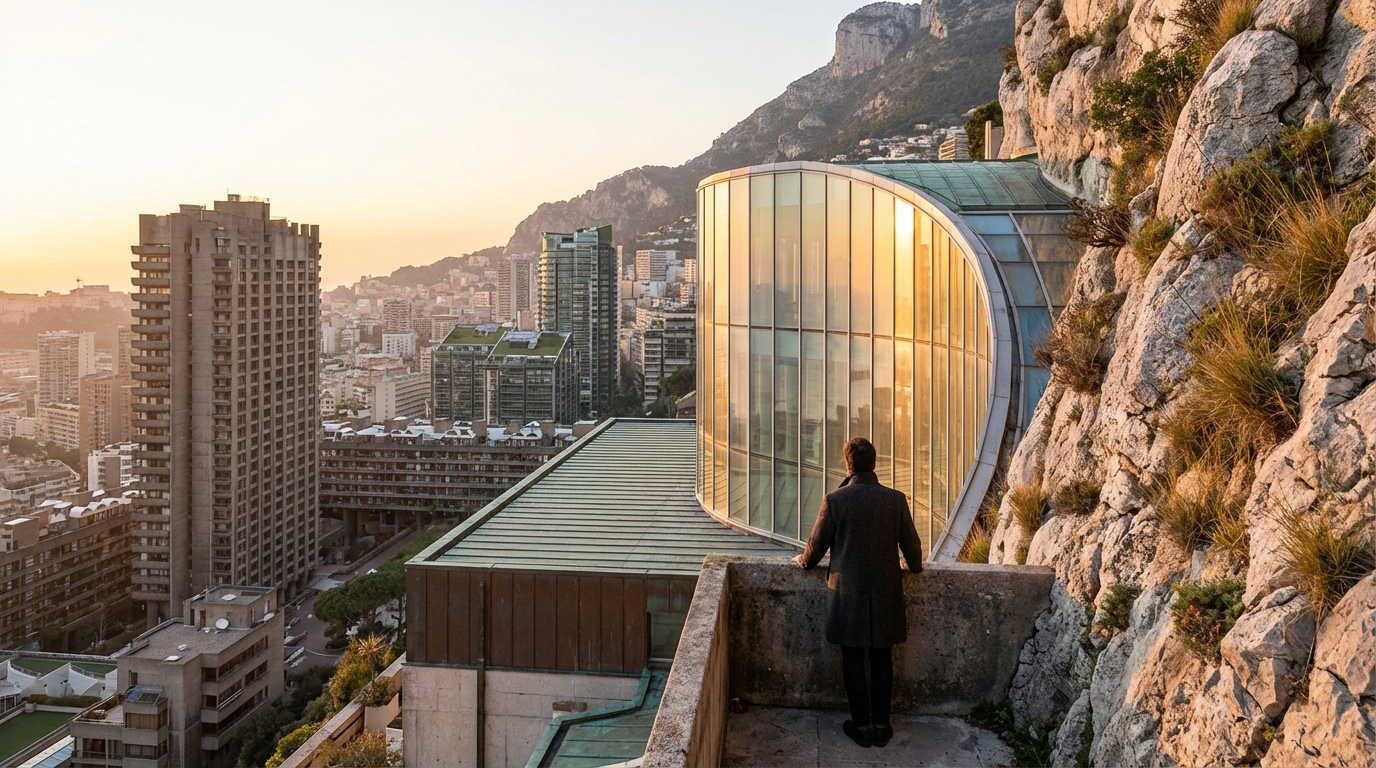
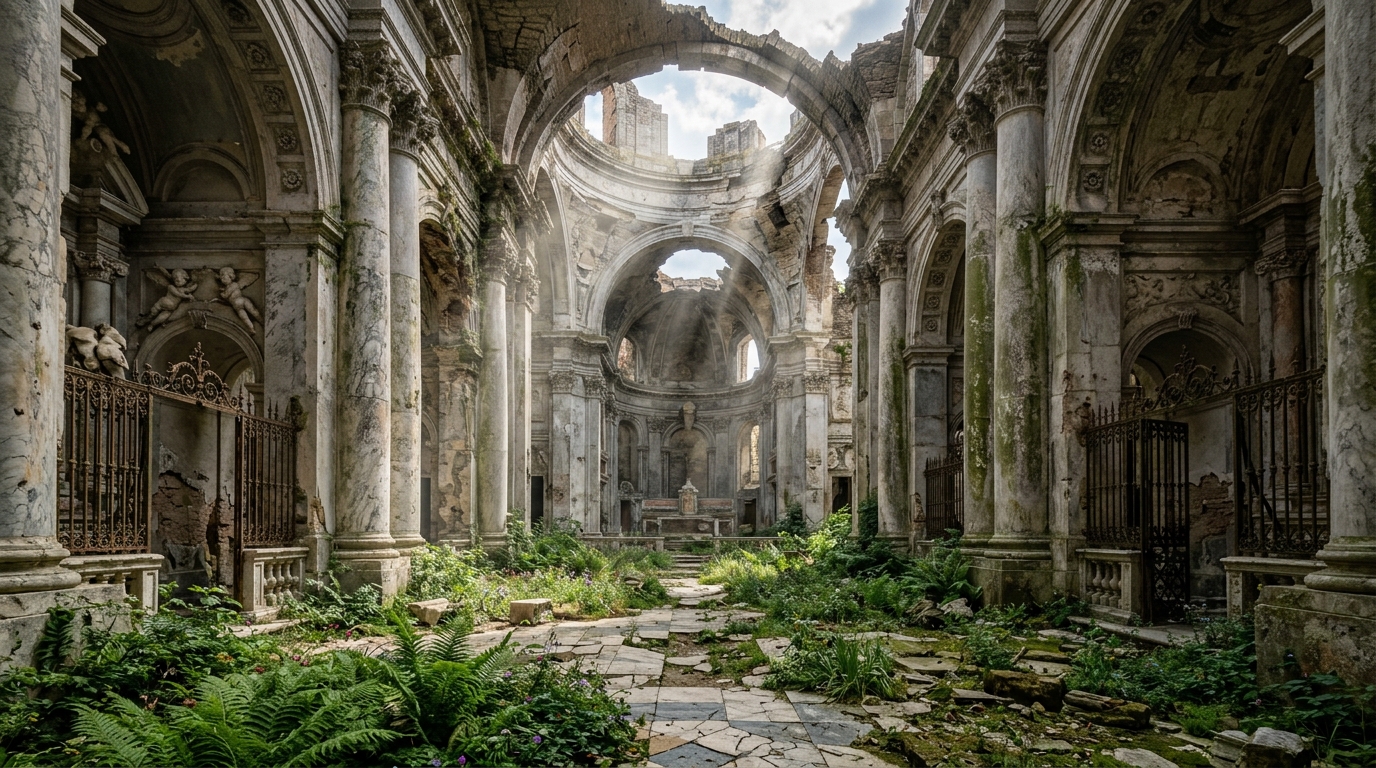
When you stand before a crumbling concrete factory or an ivy-choked suburban mall, you are doing more than witnessing a structural failure; you are engaging with the philosophy of architectural ruins. This field has evolved far beyond a nostalgic longing for ancient stone, shifting its gaze toward the industrial skeletons of our modern world to ask what happens when our future begins to decay. By looking at these sites, you confront the knot of times, where the past, present, and an uncertain future collide in a single, weathered frame.
You might feel a strange, bittersweet pull toward these decaying spaces, a sensation scholars call Ruinenlust, or ruin-lust. This isn’t just curiosity; it is a profound intellectual rebellion against a culture obsessed with the polished and the new. These modern ruins serve as a diachronic mirror, forcing you to reconcile the sublime beauty of nature reclaiming steel with the tragic reality of our own civilization’s fragility.
Key Takeaways
- Modern ruins function as ‘diachronic objects’ that collapse the linear progression of history, allowing the past, present, and future to coexist in a single, tangible space.
- Ruinenlust serves as a profound intellectual rebellion against a culture obsessed with the new, forcing an engagement with the fragility of our own civilization and the persistence of nature.
- Architectural success should be measured by ‘ruin value,’ which prioritizes designing structures that age gracefully and collapse into beautiful skeletons rather than industrial waste.
- Decaying structures are in a constant state of ‘becoming,’ where the breakdown of rigid geometry into organic forms reveals the metaphysical link between human ambition and the earth’s infinite timeline.
Ruinenlust And The Aesthetic Of Modern Decay
You might find yourself strangely drawn to the sight of a crumbling factory or a skeletal parking garage, experiencing a sensation known as Ruinenlust. This term describes the bittersweet pleasure of witnessing decay, but today it has moved far beyond the moss-covered stone of the Romantic era. When you look at these modern ruins, you are confronting a knot of times where the past, present, and future collide in a single, diachronic object. Instead of seeing a static artifact, you are witnessing a building in a state of becoming, where nature begins to reclaim the rigid geometry of industrial design. This shift forces you to acknowledge the fragility of our current civilization and the relentless passage of time.
As you stand before a rusted steel frame or a cracked concrete facade, your perspective shifts from nostalgia to a post-apocalyptic appreciation of industrial waste. These structures act as a mirror to our own impermanence, stripping away the polish of modern life to reveal the raw materials beneath. Unlike the manicured ruins of the past, these modern skeletons do not offer a comforting distance, but instead feel like a preview of a world without us. This aesthetic of modern decay challenges the constant pursuit of the new and invites you to find beauty in imperfection and the breakdown. By embracing this perspective, you gain a deeper understanding of the metaphysical link between human creation and the inevitable return to the earth.
The Knot Of Times And Diachronic Existence
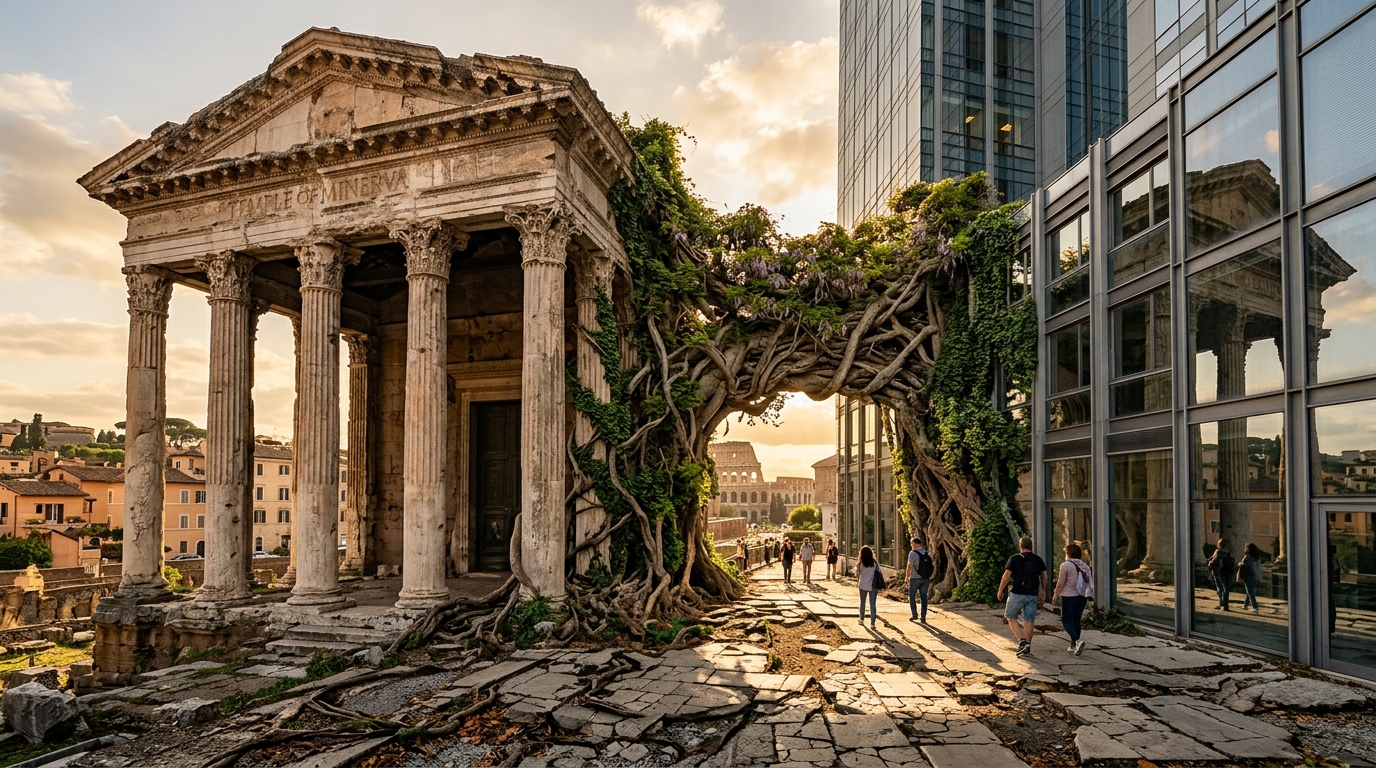
When you stand before a crumbling concrete pillar or a weathered stone arch, you are not just looking at a relic of the past, but rather a folded intersection of history. Michel Serres describes this phenomenon as the knot of times, where the linear progression of history bunches up into a single, tangible point. Instead of seeing time as a straight line moving from yesterday to tomorrow, you can perceive the ruin as a place where multiple eras coexist simultaneously. The structure becomes a living bridge, vibrating with the energy of its origin while actively succumbing to the forces of the present. This unique state of being allows you to touch the past and glimpse the future in one shared moment.
The ruin serves as a diachronic object, meaning it exists in a constant state of becoming rather than remaining a static, frozen artifact. Unlike a pristine museum piece that is preserved behind glass to stop the clock, a decaying building remains an active participant in the flow of life. You can observe how the materials interact with modern ecology, such as moss reclaiming steel or sunlight filtering through a collapsed roof. This process forces you to confront the fragility of human civilization and the relentless persistence of nature. By existing in this transitional state, the ruin challenges your perception of permanence and invites you to find beauty in the inevitable cycle of growth and decay.
Engaging with these spaces offers a profound metaphysical experience that bridges the gap between art theory and your own sense of mortality. As you navigate the skeletal remains of an industrial site or an ancient temple, you are witnessing a physical manifestation of human impermanence. This interaction evokes a complex emotional response often called ruin lust, which is a bittersweet appreciation for the passage of time. It reminds you that every structure is merely a temporary arrangement of matter, destined to return to the earth even as it inspires new thoughts. Ultimately, these knots of time provide a unique perspective on your own place within the vast, unfolding narrative of the world.
Navigating The Sublime Tension Of Ruin Value
When you stand before a crumbling facade, you are witnessing a profound struggle between human will and the relentless forces of nature. This tension creates a specific type of aesthetic power known as the sublime, where the tragic sight of structural failure actually offers a strange sense of peace. Instead of seeing a broken building as a mere loss, you can view it as a diachronic object that ties the past, present, and future into a single moment. It is a physical reminder of the knot of times, where the static history of a structure begins to merge back into the organic flow of the world. By embracing this decay, you confront the reality of impermanence without the typical fear that accompanies modern obsolescence.
The concept of ruin value suggests that you should measure a building’s success not just by its initial luster, but by how gracefully it collapses over centuries. This philosophy encourages architects to design with the inevitable end in mind, selecting materials like stone or specific alloys that age into beautiful skeletons rather than industrial waste. When you look at a structure designed with ruin value, you are seeing an intentional bridge between art theory and the metaphysics of time. It shifts your perspective from the relentless pursuit of the brand new toward a deeper appreciation for the lifecycle of all things. This approach transforms the eventual ruin from a symbol of failure into a deliberate, lasting testament to human ingenuity.
Navigating this philosophical tension requires you to balance the bittersweet pleasure of ruin lust with a serious reflection on our ecological footprint. In our current era, the focus has shifted from romantic ivy covered castles to the stark, haunting beauty of concrete and steel modern ruins. You are invited to see these sites as mirrors reflecting the fragility of our own civilization and the persistent strength of the natural environment. Understanding this sublime tension allows you to find value in the transition from a functional space to a poetic fragment. Ultimately, these decaying structures serve as your expert guide through the complex relationship between human ambition and the infinite timeline of the earth.
Finding Beauty in the Life of Ruins
Embracing the philosophy of ruins allows you to see that the decay of a building is not a failure, but a profound transformation. When you look at crumbling concrete or rusted steel, you are witnessing a diachronic object that ties the past and the future together in a single moment. This shift in perspective helps you move beyond the modern obsession with the brand new, encouraging you to find beauty in the decay and the inevitable process of aging. By accepting that even the most massive structures are subject to the laws of time, you begin to cultivate a deeper resilience toward the changes in your own life. You start to recognize that fragility is not a weakness, but a fundamental characteristic of everything that exists.
The bittersweet pleasure of Ruinenlust teaches you to appreciate the fleeting nature of your surroundings without falling into despair. As you walk through these modern skeletons of industry, you are forced to confront the reality that your world is in a constant state of becoming. This confrontation bridges the gap between abstract art theory and your personal experience of time, making the metaphysical feel tangible and intimate. Instead of fearing the end of things, you can learn to value the unique character that only wear and tear can provide. Ultimately, understanding the life cycle of a ruin helps you ground yourself in the present, finding a sense of peace within the temporary and fragile world you inhabit.
Frequently Asked Questions
1. What exactly is Ruinenlust and why do I feel it?
Ruinenlust is a German term meaning ruin-lust, which describes the bittersweet pleasure you feel when witnessing architectural decay. It is more than just curiosity, it is an intellectual rebellion against our culture’s obsession with the new and polished. This feeling allows you to appreciate the sublime beauty of nature reclaiming man-made structures.
2. How do modern ruins differ from ancient ones?
While ancient ruins often evoke a sense of distant history, modern ruins like crumbling factories or malls confront you with the decay of our own era. They represent a knot of times where your immediate past and an uncertain future collide in a single frame. This shift forces you to acknowledge the fragility of current industrial civilization rather than a long-gone empire.
3. What does it mean for a building to be in a state of becoming?
When you look at a ruin, you are seeing a structure that is no longer static or finished, but is instead evolving through decay. It is the process where rigid industrial geometry begins to merge with the organic flow of nature. This transition turns a functional building into a diachronic object that exists across multiple timelines simultaneously.
4. Why is the philosophy of ruins considered a form of rebellion?
Engaging with ruins is a way for you to push back against a societal drive for perfection and constant growth. By finding value in the weathered and the broken, you prioritize depth and historical honesty over the superficial shine of modern consumerism. It is a conscious choice to find meaning in the overlooked skeletons of the industrial world.
5. What can these decaying spaces teach you about the future?
Modern ruins serve as a mirror that reflects the eventual fate of all human construction, reminding you that our current world is temporary. They provide a post-apocalyptic preview that encourages you to think critically about sustainability and the legacy we leave behind. These sites offer a unique perspective on how nature will eventually outlast the steel and concrete of today.
6. How do ruins help you understand the concept of time?
Ruins collapse the linear progression of time, allowing you to experience the past and the future at once. As you stand in a decaying space, you see the history of its use alongside the inevitable march of its disintegration. This experience helps you reconcile the temporary nature of human achievement with the enduring cycles of the natural world. Instead of focusing on aesthetic functionalism theory, you are invited to witness the beauty of a structure that has outlived its original utility.