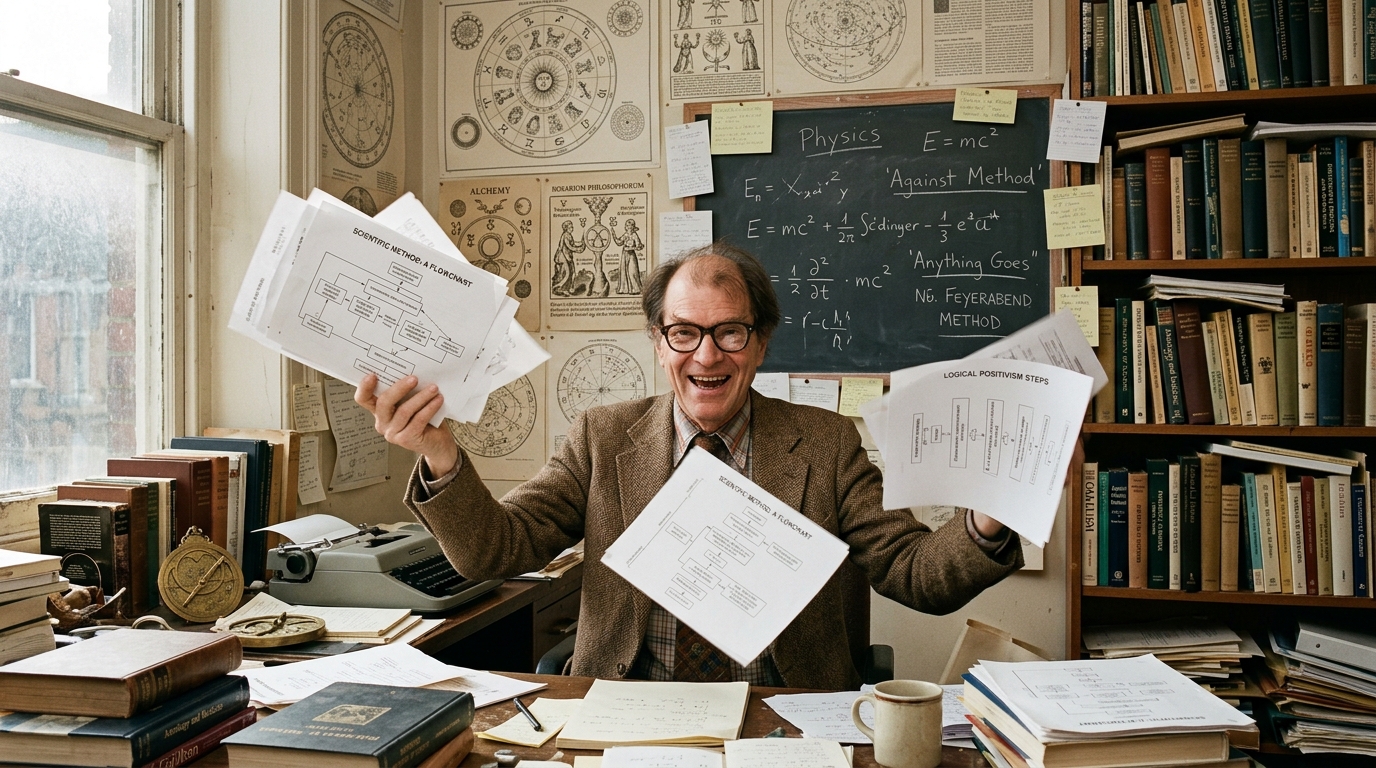

The phrase “Nancy Cartwright award” can refer to two remarkable careers and two very different kinds of achievement. Philosopher of science Nancy Cartwright was named the 2026 laureate of the Frontiers of Knowledge Award in Humanities for her influential work on scientific explanation and evidence. If you are searching for the voice actress behind Bart Simpson, her honors include an Emmy win, multiple nominations, an Annie Award, and recent lifetime-achievement recognition.
Identifying which Nancy Cartwright you mean makes her award history easier to follow. One reshaped how scholars think about science and causation, while the other helped define one of television’s most recognizable animated characters. Together, their honors reflect the lasting impact of original thinking, distinctive talent, and decades of excellence.
Key Takeaways
- “Nancy Cartwright award” may refer to two different people: philosopher Nancy Cartwright, honored for philosophy of science, or voice actress Nancy Cartwright, known for voicing Bart Simpson and receiving entertainment awards.
- Philosopher Nancy Cartwright received the 2026 Frontiers of Knowledge Award in Humanities for her work on scientific explanation, causation, evidence, and evidence-based policymaking.
- Scientific findings should not be treated as universally transferable; decision-makers must examine how evidence was produced, which conditions enabled the result, and whether those conditions exist in a new setting.
- Effective policy requires distinguishing correlation from causation and adapting interventions to local populations, resources, mechanisms, and constraints rather than copying successful programs without scrutiny.
Nancy Cartwright Award Introduction
Nancy Cartwright is a leading philosopher of science whose work examines how evidence supports scientific claims and real-world decisions. This article focuses on her 2026 Frontiers of Knowledge Award in Humanities, which recognized her contributions to the philosophy of science and evidence-based policymaking. The award highlights the practical importance of asking not only whether research is credible, but also whether it applies reliably in a particular setting. For you as a curious reader, her work provides a clear way to connect abstract philosophical questions with the choices governments and institutions make.
Cartwright’s approach is especially relevant when you encounter claims that a policy “works” based on limited studies or evidence drawn from another context. She encourages you to examine how results were produced, which conditions made them possible, and whether those conditions exist where a policy is being considered. This perspective can strengthen public debate by replacing broad assumptions with careful reasoning about evidence, causes, and outcomes. Her recognition matters because better decisions in science and public policy depend not only on having data, but also on understanding what that data can genuinely tell you.
2026 Frontiers Of Knowledge Award

Nancy Cartwright received the 2026 Frontiers of Knowledge Award in Humanities for showing how the philosophy of science can improve the way you understand evidence and use it in practice. Announced on April 22, 2026, the award recognized her influential work on scientific explanation, causation, and the limits of applying research findings across different settings. Her approach encourages you to ask not only whether evidence is credible, but also where it works, under what conditions, and how it can guide real decisions. The formal presentation took place in June 2026, marking her selection as a laureate of the award’s 18th edition.
The jury emphasized Cartwright’s contribution to scientific rationality and more effective policymaking. Her philosophy argues that sound policy requires more than collecting impressive data, because evidence must be connected carefully to local circumstances, practical mechanisms, and achievable goals. This perspective is especially valuable when you consider complex challenges in areas such as education, public health, and social welfare. Through the Nancy Cartwright award, the organizers highlighted the philosophy of science as a practical discipline that can help institutions reason more responsibly and turn knowledge into effective action.
Cartwright’s Philosophy Of Science
Nancy Cartwright’s 2026 Frontiers of Knowledge Award in Humanities recognizes a philosophy of science grounded in how research works beyond the textbook. Her central question is not simply whether a theory is true, but what evidence can legitimately support in a particular situation. When you assess a medical treatment, an education program, or a climate policy, you need to ask how closely the study’s conditions match the real-world problem. Cartwright shows that evidence becomes useful through careful reasoning about causes, context, and practical constraints. This approach makes objectivity a disciplined process of testing assumptions rather than a claim to possess a perfectly neutral view.
Her work also highlights the value and limits of scientific models, which simplify reality so you can understand or predict parts of it. A model may explain what happens under controlled conditions without reliably showing what will happen in a different community, institution, or environment. For Cartwright, good science therefore requires more than producing general laws, because researchers must determine when findings can be applied from one setting to another. This insight connects philosophical questions with evidence-based policymaking, where decisions often have to be made despite incomplete knowledge. The award reflects her lasting influence in showing you how science can guide action while remaining honest about uncertainty.
Causality And Evidence-Based Policy

Nancy Cartwright’s 2026 Frontiers of Knowledge Award in Humanities recognizes her influential work on causality, evidence, and the practical limits of scientific knowledge. Her central insight is simple but powerful: when two things happen together, that does not necessarily mean one caused the other. For example, if communities with more public parks report better health, you still need to ask whether parks themselves improve well-being or whether other factors, such as income, healthcare access, or safer neighborhoods, explain the pattern. This distinction helps you see why strong policy requires more than impressive statistics.
Causal reasoning gives policymakers a clearer path from evidence to action, but it also requires them to ask whether an intervention will work under real-world conditions. A school tutoring program may produce excellent results in a carefully controlled study, yet its impact could change when schools have fewer tutors, different resources, or students with different needs. You therefore need to examine not only whether a policy worked, but also how, for whom, and in which setting. Cartwright’s approach encourages decision-makers to combine research with local knowledge and practical judgment, increasing the chance that evidence will lead to interventions that genuinely improve people’s lives.
Why Nancy Cartwright’s Award Matters
The Nancy Cartwright award matters because it recognizes philosophy as a practical guide for making better public decisions. In 2026, Cartwright, a philosopher of science, received the Frontiers of Knowledge Award in Humanities for her work on evidence-based policymaking and the nature of scientific evidence. Her research encourages you to look beyond whether a study produced positive results and ask why those results occurred. That question is essential when governments use research to shape policies in areas such as education, healthcare, or economic development.
Cartwright’s work also highlights why evidence cannot always be transferred from one place to another without careful examination. A program that succeeds in one community may depend on local resources, institutions, or social conditions that are absent elsewhere. By honoring her, the award emphasizes the value of understanding how evidence works in context, rather than treating successful outcomes as universal formulas. For you as a reader, this offers a clear lesson: responsible decision-making requires both confidence in research and humility about what research can prove.
Nancy Cartwright Award Conclusion
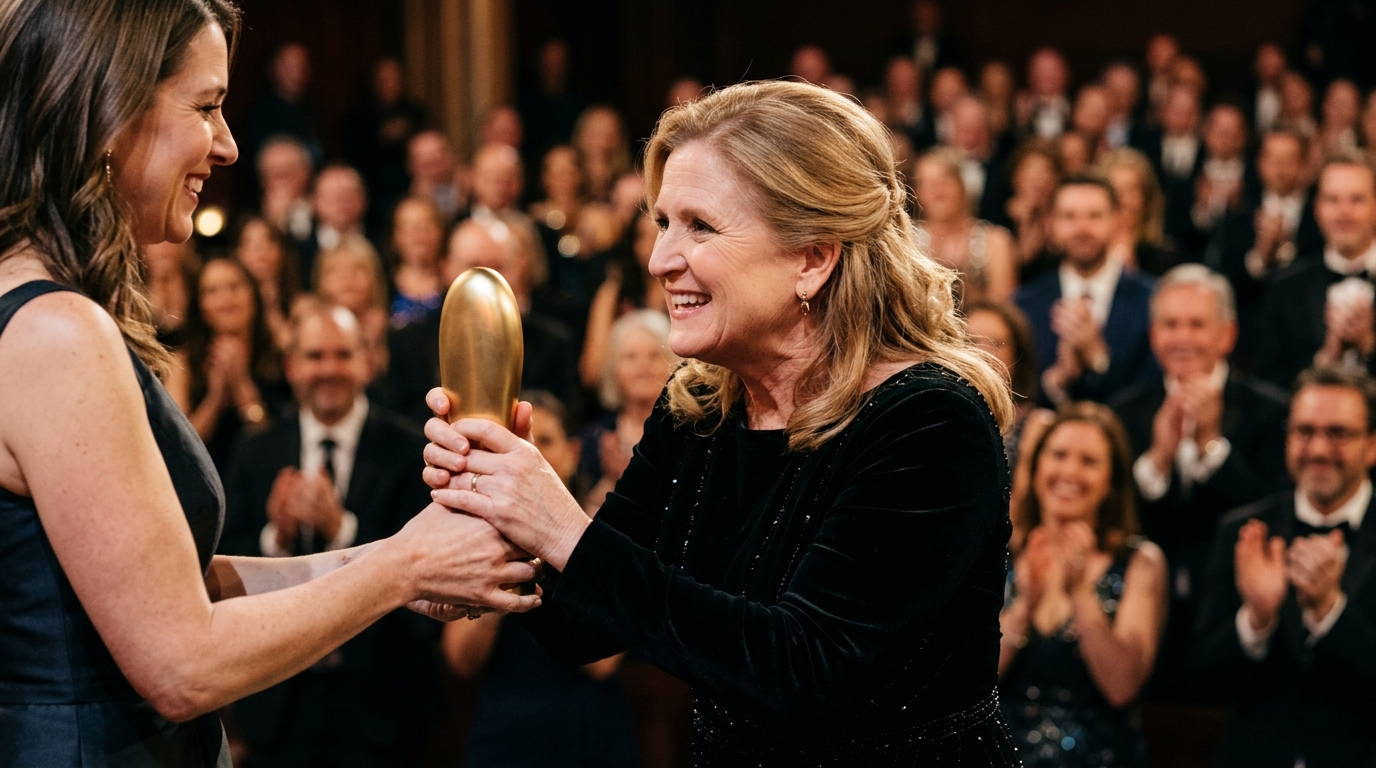
Nancy Cartwright’s 2026 Frontiers of Knowledge Award in Humanities recognizes a philosophy of science rooted in evidence, causality, and practical results. Her work encourages you to look beyond whether a study appears reliable and ask what it can genuinely explain or predict in a particular setting. Evidence from one community, institution, or country may not produce the same outcome elsewhere because conditions, mechanisms, and available resources can differ. By highlighting these limits, Cartwright offers a more realistic approach to evidence-based policymaking, one that values rigorous research without treating every finding as universally transferable.
The award’s broader lesson is that good policy depends on more than collecting impressive data. You also need to understand how evidence was produced, which causal relationships it supports, and where those relationships are likely to hold. This perspective helps policymakers adapt successful programs thoughtfully instead of copying them without considering local circumstances. Cartwright’s central contribution is therefore practical as well as philosophical: better decisions come from knowing not only what the evidence says, but also how and where it applies.
What Cartwright’s Award Teaches You
Nancy Cartwright’s 2026 Frontiers of Knowledge Award recognizes her influential work in the philosophy of science and evidence-based policymaking. If you are interested in how research can improve real-world decisions, her approach offers an important lesson: evidence is most useful when you understand how it was produced, where it applies, and what limits it carries. Rather than treating scientific findings as universal answers, Cartwright emphasizes the need to examine the conditions that make evidence reliable in a particular situation. This perspective helps you see why effective policy requires both rigorous research and careful judgment.
The award also highlights Cartwright’s broader contribution to making the philosophy of science relevant beyond academia. Her work encourages you to ask whether an intervention will work in a specific setting, for a specific population, and under specific circumstances. This practical focus is especially valuable when governments and institutions must make decisions amid uncertainty. By honoring Nancy Cartwright, the award underscores the importance of connecting scientific reasoning with responsible action, a principle that continues to shape how evidence can serve society.
Frequently Asked Questions
1. What does the phrase “Nancy Cartwright award” refer to?
The phrase can refer to honors received by either of two prominent Nancy Cartwrights. Philosopher of science Nancy Cartwright was named the 2026 laureate of the Frontiers of Knowledge Award in Humanities, while voice actress Nancy Cartwright is recognized for her Emmy win, award nominations, Annie Award, and lifetime-achievement honors.
2. Why did philosopher Nancy Cartwright receive the 2026 Frontiers of Knowledge Award?
She received the award for influential contributions to the philosophy of science, especially her work on scientific explanation, evidence, and causation. Her research also shows how evidence should guide public policy while accounting for whether findings apply reliably in a specific real-world setting.
3. What is Nancy Cartwright’s main contribution to the philosophy of science?
Nancy Cartwright has challenged the idea that a scientific result automatically applies everywhere once it has been demonstrated in one study. She encourages you to examine how evidence was produced, which conditions supported the result, and whether those conditions exist in the situation where you want to use it.
4. How does Nancy Cartwright’s work relate to evidence-based policymaking?
Her work helps you distinguish between evidence that a policy can work under certain conditions and evidence that it will work in a new location or population. This approach encourages governments and institutions to test whether the relevant causes, resources, and circumstances are present before adopting a policy broadly.
5. Why is the Frontiers of Knowledge Award important for Nancy Cartwright’s career?
The award recognizes the lasting influence of her ideas on how scholars and decision-makers understand scientific evidence. It also highlights the practical value of philosophy when institutions must decide whether research findings are trustworthy and useful in a particular context.
6. Is Nancy Cartwright the voice of Bart Simpson?
Yes. Voice actress Nancy Cartwright has provided the voice of Bart Simpson, one of television’s most recognizable animated characters. Her performance helped make Bart a defining figure in animated entertainment, but her career should not be confused with that of philosopher Nancy Cartwright.
7. What awards has voice actress Nancy Cartwright received?
Voice actress Nancy Cartwright’s honors include an Emmy win, multiple nominations, and an Annie Award. She has also received recent lifetime-achievement recognition for her long career and major contribution to animation and voice performance.
8. How can you tell which Nancy Cartwright award is being discussed?
Look at the subject and the organization named with the honor. References to philosophy, scientific evidence, causation, or the Frontiers of Knowledge Award point to philosopher Nancy Cartwright, while references to Bart Simpson, animation, television, or voice acting point to the actress.