
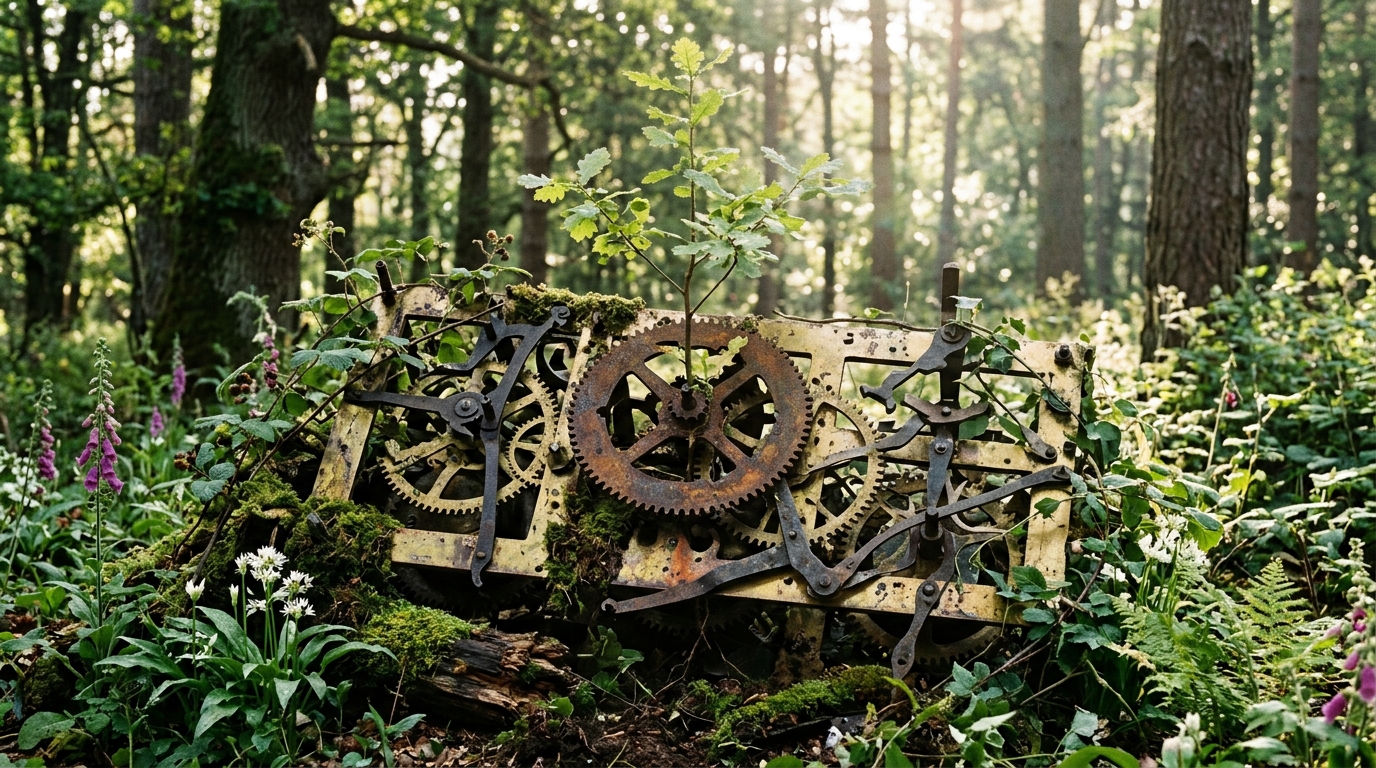
Have you ever stopped to wonder why we treat the Earth as a collection of resources to be managed rather than a living system to be respected? To understand this shift, you must look toward the groundbreaking work of caroline merchant ecofeminism, which reveals how the Scientific Revolution fundamentally altered our relationship with the world. Merchant illustrates how a once organic view of a nurturing mother Earth was systematically replaced by a mechanistic model that justified the exploitation of both nature and women.
By examining the gendered metaphors used by early modern scientists, you can begin to see how language shaped our modern environmental crisis. Merchant challenges you to recognize that the domination of the natural world is deeply intertwined with social hierarchies, urging a move toward a more equitable partnership ethic. This perspective provides the intellectual tools you need to rethink your place in the ecosystem and envision a future built on mutual respect rather than mastery.
Key Takeaways
- The Scientific Revolution’s shift from an organic worldview to a mechanistic one stripped the Earth of its perceived life force, removing the moral restraints that previously prevented environmental exploitation.
- Early modern scientific rhetoric used gendered metaphors of domination to link the mastery of a feminized nature with the social subordination of women, justifying the rise of industrial capitalism.
- A radical partnership ethic must replace the logic of mastery, treating the environment as a living partner with its own agency rather than a passive resource to be managed.
- Achieving long-term sustainability requires dismantling the cultural dualisms that separate human progress from ecological health, fostering a future built on reciprocity and mutual respect.
From Nurturing Mother To Mechanical Object
Carolyn Merchant invites you to reconsider how our ancestors perceived the world around them before the dawn of modern science. In her influential research, she explains that for centuries, the Earth was viewed as a living, breathing entity that functioned like a nurturing mother. This organic worldview created a natural moral restraint because you do not easily strip-mine or exploit a parent that provides for your survival. By seeing nature as a feminine, life-giving force, early societies maintained a sense of interconnectedness and respect for the environment. Merchant highlights how this perspective ensured that human activity remained somewhat in harmony with the biological rhythms of the planet.
As you move into the era of the Scientific Revolution, Merchant shows how this maternal image was systematically dismantled. Visionaries like Francis Bacon began to promote a mechanistic worldview that reimagined the Earth as a giant clock or a machine made of dead matter. This shift was not just a change in scientific theory, but a profound transformation in how you relate to the physical world. By stripping nature of its soul and life force, the new science made it culturally acceptable to probe, master, and extract resources without guilt. You can see how this transition turned a sacred partnership into a relationship of dominance and cold calculation.
You should notice how Merchant emphasizes the gendered language used to justify this new era of exploitation. Early modern scientists often described the natural world in feminine terms while simultaneously advocating for its total subjugation through technology. This connection between the death of nature and the social control of women is a cornerstone of Merchant’s ecofeminist philosophy. By understanding this historical shift, you gain a clearer picture of why our modern social structures often treat both the environment and marginalized groups as objects to be managed. Her work serves as a powerful reminder that the way you speak about the world directly shapes how you treat it.
Gendered Language In The Scientific Revolution
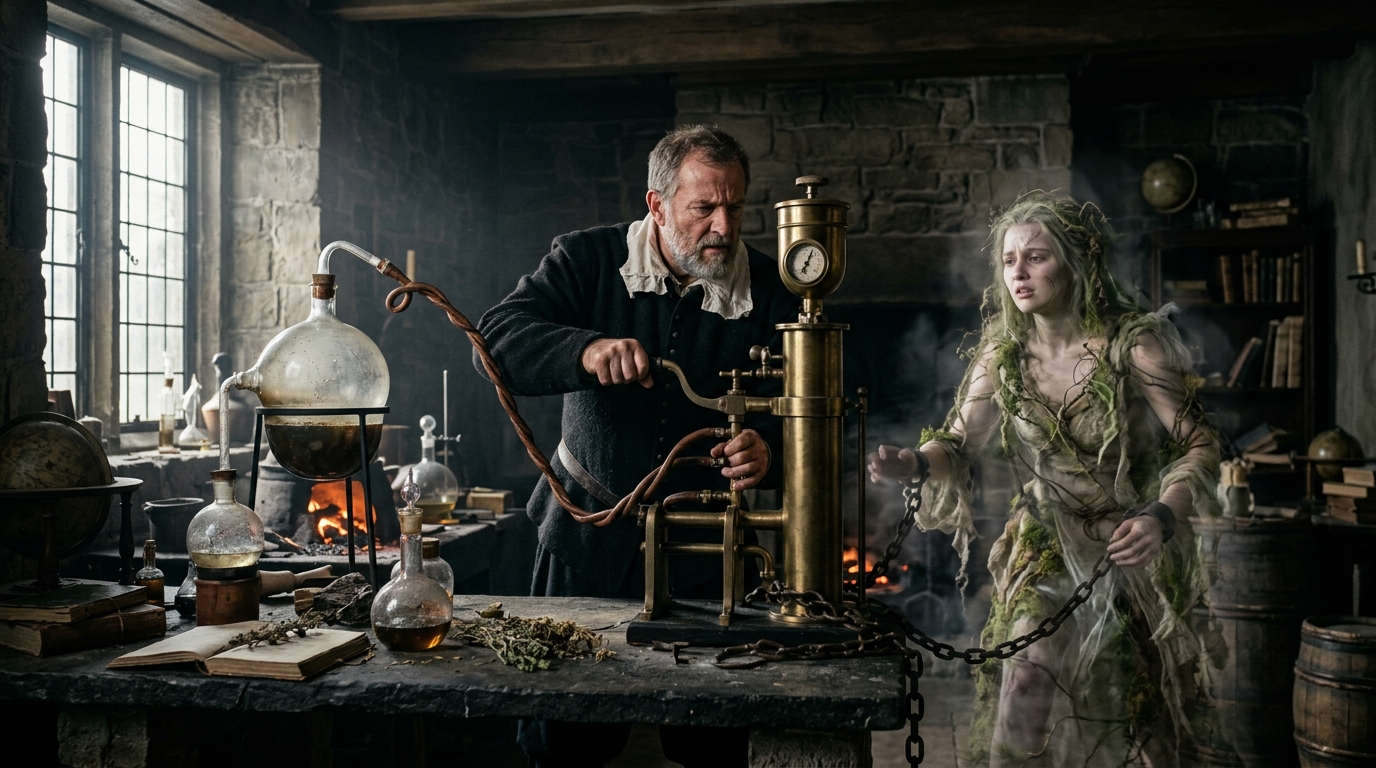
You can see how the shift in our relationship with the environment began with a change in how we spoke about the world around us. Carolyn Merchant illustrates that prior to the Scientific Revolution, the prevailing worldview treated the earth as a living, nurturing mother that deserved respect and care. However, as the mechanical worldview took hold, this organic metaphor was replaced by a more clinical and detached perspective. You will find that this transition was not just a scientific evolution but a linguistic one that fundamentally altered the status of both nature and women. By redefining the earth as a machine rather than a living being, early modern thinkers removed the moral constraints that previously prevented its exploitation.
When you examine the writings of Francis Bacon, the influential father of modern science, the connection between gender and control becomes strikingly clear. Bacon frequently employed gendered metaphors of domination, describing the pursuit of scientific knowledge as a struggle to conquer a feminized nature. He used aggressive language, suggesting that nature should be bound into service and forced to reveal her secrets through rigorous interrogation. This rhetoric effectively linked the mastery of the natural world with the social subordination of women during the seventeenth century. Merchant argues that these gendered metaphors provided a powerful cultural justification for the extraction of resources and the rise of industrial capitalism.
By following Merchant’s analysis, you can recognize how these historical narratives continue to shape modern attitudes toward environmental policy and social equity. The language used by Bacon and his contemporaries did not just describe a new method of inquiry, it established a hierarchy where the masculine intellect was positioned to rule over a passive, feminine earth. This framework helped to normalize the idea that both nature and women were subjects to be managed and controlled for human progress. Understanding this connection allows you to see the deep roots of ecofeminism as a necessary response to a long history of intertwined oppression. Reflecting on these linguistic patterns helps you question the contemporary structures that still rely on the logic of domination.
Merchant And The Radical Partnership Ethic
To move beyond the exploitative legacy of the Scientific Revolution, you must look toward Carolyn Merchant’s proposal for a radical partnership ethic. This framework suggests that instead of viewing nature as a machine to be mastered, you should treat the environment as a living partner with its own agency and rights. Merchant argues that a sustainable future requires a shift away from the traditional hierarchy where humans stand above the natural world. By embracing this perspective, you recognize that both human communities and ecosystems are interconnected and equally vital for survival. This ethic challenges you to reconsider how social structures and environmental health are fundamentally linked.
A key component of this partnership is the rejection of the gendered and mechanistic metaphors that have justified ecological destruction for centuries. You are invited to replace the language of domination with a discourse of reciprocity and mutual respect. In this model, economic and social decisions are made with the understanding that the earth is not a passive resource but an active participant in life. This approach promotes equality by ensuring that neither women nor nature are marginalized for the sake of industrial progress. By adopting this mindset, you help create a world where human needs are balanced with the regenerative limits of the planet.
Implementing a partnership ethic means you must actively work to dismantle the dualisms that separate mind from body and culture from nature. Merchant emphasizes that this transition is not just a personal choice but a necessary political and philosophical shift for modern society. You can see this ethic in action when local communities prioritize ecological stability over short term profit. It encourages a democratic relationship where all stakeholders, including the non human world, are considered in the pursuit of justice. Ultimately, this path offers you a way to reconcile human development with the preservation of the intrinsic value of nature that sustains all life.
The Death of Nature and Your Future
Carolyn Merchant’s ecofeminist framework offers you a transformative lens through which to view our current environmental crisis not as an accident, but as a predictable outcome of historical shifts. By tracing the transition from an organic, living world to a cold, mechanistic machine, you can better understand how the exploitation of natural resources became culturally permissible. This perspective encourages you to look beyond simple policy changes and instead question the foundational metaphors that guide our social structures. When you recognize that the domination of nature and the marginalization of human groups are deeply intertwined, you gain the clarity needed to advocate for a more holistic form of justice. Merchant’s work serves as a reminder that healing the planet requires a fundamental shift in how you perceive your place within the web of life.
Moving forward, you can apply Merchant’s partnership ethic to foster a relationship with the earth based on mutual respect rather than mastery. This approach invites you to move away from the violent imagery of the Scientific Revolution and toward a collaborative existence where nature is treated as a peer. By integrating these philosophical insights into your modern life, you contribute to a roadmap that prioritizes sustainability and social equity over short term extraction. You have the opportunity to redefine progress by valuing the nurturing qualities that were once stripped away by a purely mechanical worldview. Ultimately, Merchant provides you with the intellectual tools to build a future where both the environment and humanity can flourish in a balanced, interconnected system.
Frequently Asked Questions
1. What exactly is the core idea behind Carolyn Merchant’s ecofeminism?
You can understand her work as a study of how the domination of nature and the domination of women are historically linked. She reveals that when society shifted from viewing Earth as a living mother to a dead machine, it removed the moral barriers against exploitation.
2. How did the Scientific Revolution change our relationship with nature?
The Scientific Revolution replaced an organic worldview with a mechanistic one that treats the planet as the sum of its parts to be manipulated. You can see this shift in how early scientists used gendered language to justify conquering nature, moving away from a philosophy of respect toward one of total control.
3. Why does Merchant focus so much on the Nurturing Mother metaphor?
This metaphor is vital because it historically acted as a cultural restraint against environmental destruction. When you view the Earth as a living provider, activities like mining or deforestation feel like a violation of a parent, which kept human impact more in balance with biological rhythms.
4. What does it mean to view the world as a mechanical object?
Viewing the world as a machine means you see it as something devoid of life or inherent value, existing only to be used for human profit. This perspective allows for the systematic extraction of resources because a machine does not require the empathy or care that a living system does.
5. How can you apply Carolyn Merchant’s theories to modern environmental issues?
You can use her framework to recognize that our current ecological crisis is not just a technical problem, but a deeply rooted cultural one. By identifying the social hierarchies that drive exploitation, you can begin to advocate for a partnership ethic that values both nature and human equity. This involves exploring the metaphysics of mothering and care ethics to redefine our responsibilities toward the living world.
6. What is a partnership ethic in the context of ecofeminism?
A partnership ethic is a way for you to relate to the planet based on mutual respect and cooperation rather than mastery. It encourages you to envision a future where human needs are met without destroying the life-sustaining systems that we all depend upon for survival.