
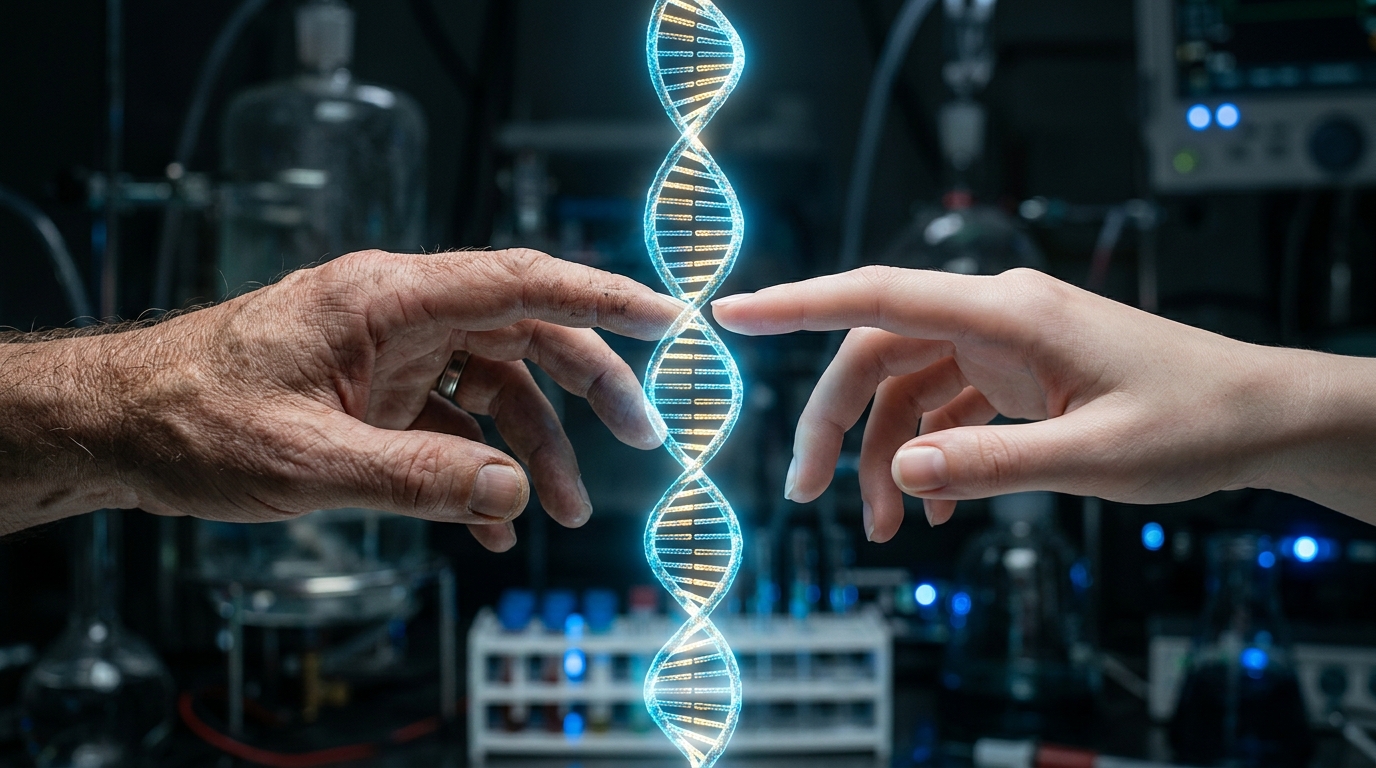
Imagine walking into a world where your favorite pet could live forever or a lost loved one could be recreated through a biological blueprint. While this sounds like the plot of a sci-fi thriller, the ethics of cloning in 2026 have moved from the silver screen into our daily reality, presenting us with profound moral dilemmas. You are likely here because you sense the tension between our incredible technological capabilities and the heavy responsibility of playing architect to life itself.
As you consider these complex issues, you will find a sharp divide between the commercial success of animal cloning and the strict global bans on human reproduction. You must weigh the promise of medical breakthroughs against deep-seated concerns regarding human identity, uniqueness, and the risk of treating people as biological tools. Understanding these nuances helps you grasp how we are currently redefining what it means to be an individual in an age of genetic duplication.
Key Takeaways
- A critical moral distinction exists between therapeutic cloning, which offers life-saving regenerative medical breakthroughs, and reproductive cloning, which faces global condemnation for threatening human dignity.
- Human cloning poses severe psychological risks to the individual, potentially compromising their right to a unique identity and an ‘open future’ free from the shadow of a genetic predecessor.
- The shift from simple replication to CRISPR-driven germline editing risks turning human beings into manufactured commodities, where individuals are valued for their utility rather than their inherent personhood.
- Technological capability does not grant moral authority; a global ethical framework is essential to ensure that genetic advancements serve humanity without eroding the biological mystery and spontaneity of life.
The Great Divide Between Reproductive And Therapeutic Cloning
You must first recognize that not all cloning is created equal, as the moral weight of the practice depends entirely on its intended purpose. Reproductive cloning aims to create a fully formed human being, a concept that continues to face near-universal condemnation due to profound concerns regarding safety and identity. When you consider the psychological impact on a child born as a genetic replica, you begin to see why experts worry about the loss of individual uniqueness. Beyond the high risk of genetic abnormalities, many philosophers argue that creating a person for a specific purpose treats a human life as a mere instrument rather than an end in itself. In our modern era, this debate has evolved to include the potential for gene editing, making the boundary between replication and biological design even more complex.
The practice of therapeutic cloning offers a different ethical perspective because its primary goal is to harvest embryonic stem cells for life saving regenerative medicine. You can think of this process as a sophisticated biological tool designed to grow healthy tissues that the body will not reject. By using your own genetic material to create these cells, scientists can bypass the complications of organ rejection and provide cures for once untreatable conditions. While the use of embryos remains a point of deep moral contention for many, the focus here is on healing existing people rather than manufacturing new ones. This distinction is vital because it separates the controversial pursuit of human duplication from the noble goal of eradicating chronic disease.
Evaluating the divide between these two paths requires you to apply traditional moral theories to the rapidly shifting capabilities of biotechnology. You are essentially deciding where the line exists between responsible scientific progress and overstepping the natural boundaries of human existence. While the global community remains largely united against the birth of cloned humans, the potential for therapeutic breakthroughs keeps the door open for medical innovation. By understanding these nuances, you can better appreciate why the legal status of cloning varies so significantly across the globe. Ultimately, your perspective on this issue likely depends on whether you view the technology as a threat to human dignity or a powerful tool for compassion.
Psychological Identity And The Right To Genetic Uniqueness

Imagine walking through life with the constant feeling that your future has already been lived by someone else. When you consider the ethics of human cloning, you must confront the possibility that a clone might struggle to establish a truly unique identity. This psychological burden, often called the shadow of a predecessor, suggests that a person created from an existing genetic template might feel like a biological sequel rather than an original masterpiece. You would essentially be asking an individual to navigate their own milestones while being compared to the history of their genetic donor. This creates a unique moral dilemma where the right to an open future is potentially compromised by the expectations of the past.
The core of this debate centers on whether genetic uniqueness is a fundamental human right that you are entitled to from birth. If you were a clone, every talent, physical trait, or health vulnerability you possessed would already be documented in another person’s medical and personal history. This lack of biological novelty could lead to a profound sense of instrumentalization, where you feel like a tool designed to replicate a specific life rather than an independent being. Philosophers argue that this transparency of one’s own genetic potential could diminish the spontaneity and self-discovery that define the human experience. Protecting the mystery of a person’s genetic makeup is therefore seen as an essential safeguard for their psychological well-being.
As biotechnology pushes the boundaries of what is scientifically possible, you have to weigh the desire for scientific progress against these psychological risks and deep-seated emotional risks. Even if a clone is raised in a different environment, the knowledge of being a genetic copy could impose a heavy mental toll that traditional siblings or twins do not face. You are looking at a scenario where a person’s sense of self is tethered to a pre-written script, making it difficult for them to claim their own narrative. In a world that values individuality, the creation of a human without a unique genetic signature challenges our most basic definitions of autonomy and personhood. Balancing these modern scientific capabilities with ancient moral theories remains one of the most significant challenges of our era.
Instrumentalization And The Risk Of Human Commodification
When you imagine the future of genetic replication, the most unsettling prospect is the shift from viewing a person as a unique individual to seeing them as a functional asset. This concept, known as instrumentalization, occurs when a human life is created primarily to serve the needs or desires of someone else. You might see this manifest in the desire to replace a deceased child or to create a biological donor for life saving organs. By designing a person with a specific purpose in mind, we risk stripping away their inherent dignity and treating them as a sophisticated piece of technology. This transition from being a subject with rights to an object with a utility score is the core of the moral boundary we face today.
You also have to consider how cloning could inadvertently turn the human body into a commodity within a global marketplace. If life can be manufactured to specification, it becomes easy to view genetic traits as luxury features rather than natural variations of the human experience. This perspective encourages a mindset where people are valued for their biological parts or their genetic similarity to a predecessor rather than their own independent identity. As biotechnology continues to advance, you must ask yourself if we are prepared for a world where humans are ordered to meet consumer demands. Safeguarding the intrinsic worth of every individual requires us to resist any scientific path that reduces a human soul to a mere biological tool.
From Somatic Cell Transfer To Germline Gene Editing
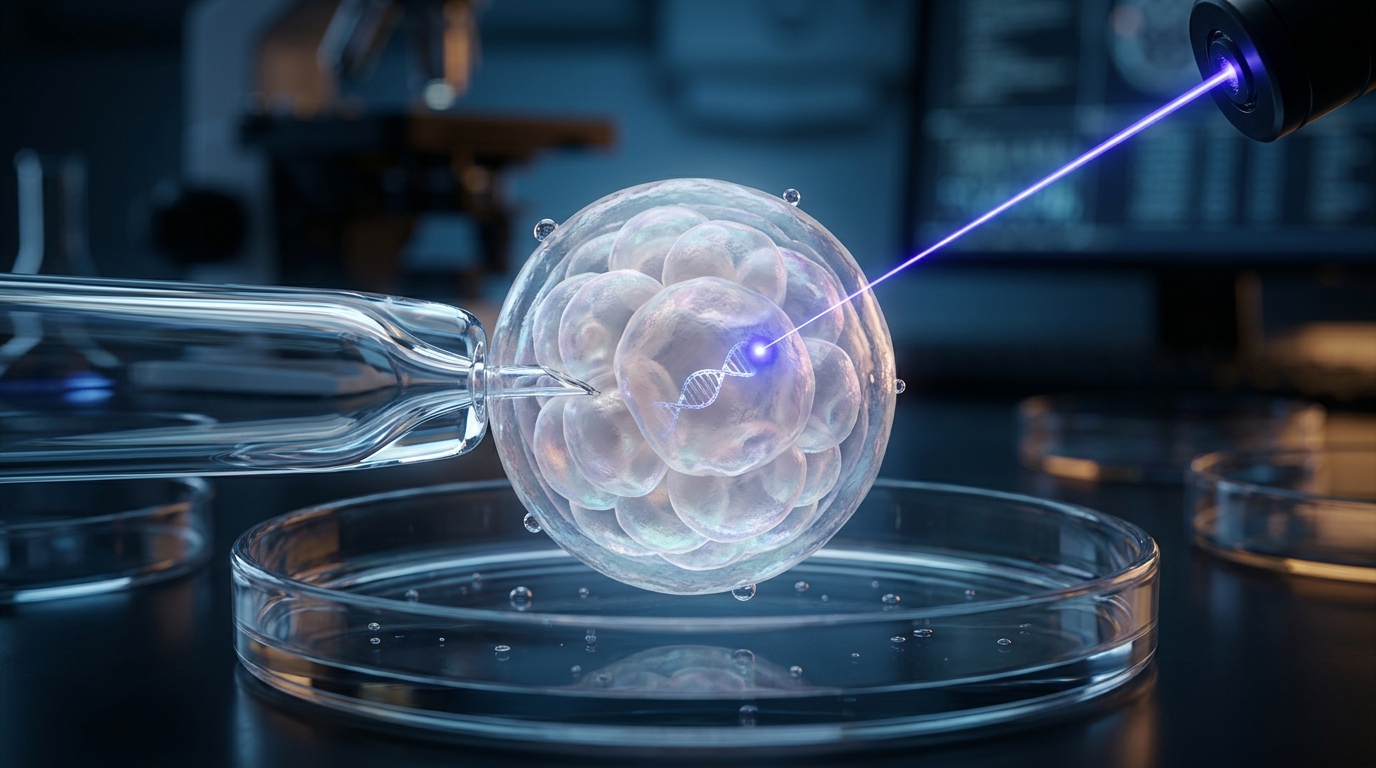
The transition from somatic cell nuclear transfer to advanced germline editing represents a pivotal shift in how you might perceive the boundaries of human identity. While traditional cloning focuses on creating a genetic replica of an existing organism, integrating CRISPR technology allows scientists to actually rewrite the underlying code before life begins. You are no longer just looking at a mirror image of the past, but rather a deliberate blueprint for the future. This technological intersection forces you to ask whether we are simply healing diseases or if we are stepping into the role of biological architects. As these tools become more precise, the line between therapeutic restoration and elective enhancement begins to blur in ways that challenge our fundamental understanding of nature.
You might find yourself wondering at what point a customized genetic profile stops being a human right and starts becoming a manufactured product. When we move beyond fixing specific genetic disorders to altering traits like cognitive potential or physical stamina, we risk treating future generations as projects to be perfected rather than individuals to be discovered. This slippery slope suggests that once we master the ability to clone and edit the human germline, those changes become a permanent part of the human legacy. You must consider the long term social implications of a world where genetic advantages could be purchased and inherited. The ethics of genetic editing rest on our ability to balance scientific ambition with a profound respect for the unpredictability of human life.
Evaluating this moral territory requires you to weigh the incredible promise of eliminating hereditary suffering against the danger of losing our shared biological vulnerability. If you support the use of CRISPR to prevent a child from inheriting a fatal condition, you must also grapple with where to draw the line for more subjective improvements. The professional consensus often warns that editing the germline could create a permanent genetic divide within society, leading to new forms of inequality that are literally written into our DNA. As you explore these dilemmas, it becomes clear that the conversation is about much more than just laboratory techniques. It is a deeply personal reflection on what values you believe should be hardwired into the future of humanity.
Balancing Scientific Progress With Moral Responsibility
As you look toward the future of biotechnology, it becomes clear that we are standing at a pivotal crossroads between scientific potential and moral responsibility. You have seen how the promise of regenerative medicine and genetic breakthroughs offers hope for curing once untreatable diseases. However, these advancements require you to weigh the benefits of progress against the essential preservation of human sanctity and individuality. Navigating the transhumanist frontier means recognizing that just because we possess the technical ability to replicate life, it does not mean we have the moral authority to do so without restraint. Establishing a global framework is no longer a luxury but a necessity to ensure that our tools serve humanity rather than diminish it.
You can advocate for a balanced approach that respects the dignity of the human person while still fostering an environment where ethical research can thrive. This involves applying traditional moral theories to modern dilemmas, ensuring that every technological leap is grounded in a deep respect for what makes us unique. By promoting transparency and international cooperation, you help create a world where genetic replication is governed by wisdom rather than mere commercial interest. It is your engagement with these complex questions that will ultimately define the boundaries of our shared future. We must remain vigilant and thoughtful, ensuring that the pursuit of discovery never outpaces our commitment to the values that define our common existence.
Frequently Asked Questions
1. What is the main difference between reproductive and therapeutic cloning?
Reproductive cloning is designed to create a fully formed living being, which raises significant concerns about identity and safety. Therapeutic cloning focuses on creating specific cells or tissues to treat diseases, making it a medical tool rather than a method for creating a person.
2. Why is there such a strong global ban on cloning human beings?
You will find that most experts oppose human cloning because of the high risk of genetic abnormalities and the psychological burden on the individual. There is also a deep moral concern that creating a person as a genetic replica treats human life as a tool rather than a unique individual.
3. Can my pet actually live forever through cloning?
While you can create a genetic twin of your pet, animal cloning does not transfer memories, personality, or soul to the new animal. You are essentially getting a biological blueprint that looks identical, but the new pet will develop its own unique experiences and behaviors. This intersection of technology and life often mirrors sentient ethics by forcing us to reconsider our relationship with the creatures we choose to replicate.
4. How does cloning impact our understanding of individual identity?
Cloning challenges your perception of uniqueness by proving that a genetic code can be duplicated. This forces you to consider whether who you are is defined by your DNA or by the life choices and experiences that make you a one of a kind person, a concept often explored through the Ship of Theseus paradox in philosophical circles.
5. Is therapeutic cloning considered more ethical than reproductive cloning?
Many people view therapeutic cloning more favorably because its goal is to heal existing patients and solve medical crises. You may find this easier to support since it focuses on life saving treatments without the complex social and personal issues tied to creating a human duplicate.
6. What role does gene editing play in the current cloning debate?
Gene editing adds a new layer of complexity because it allows you to move beyond simple replication into the realm of biological design. This shift makes it harder to distinguish between preserving a genetic legacy and actively engineering the traits of future generations.