
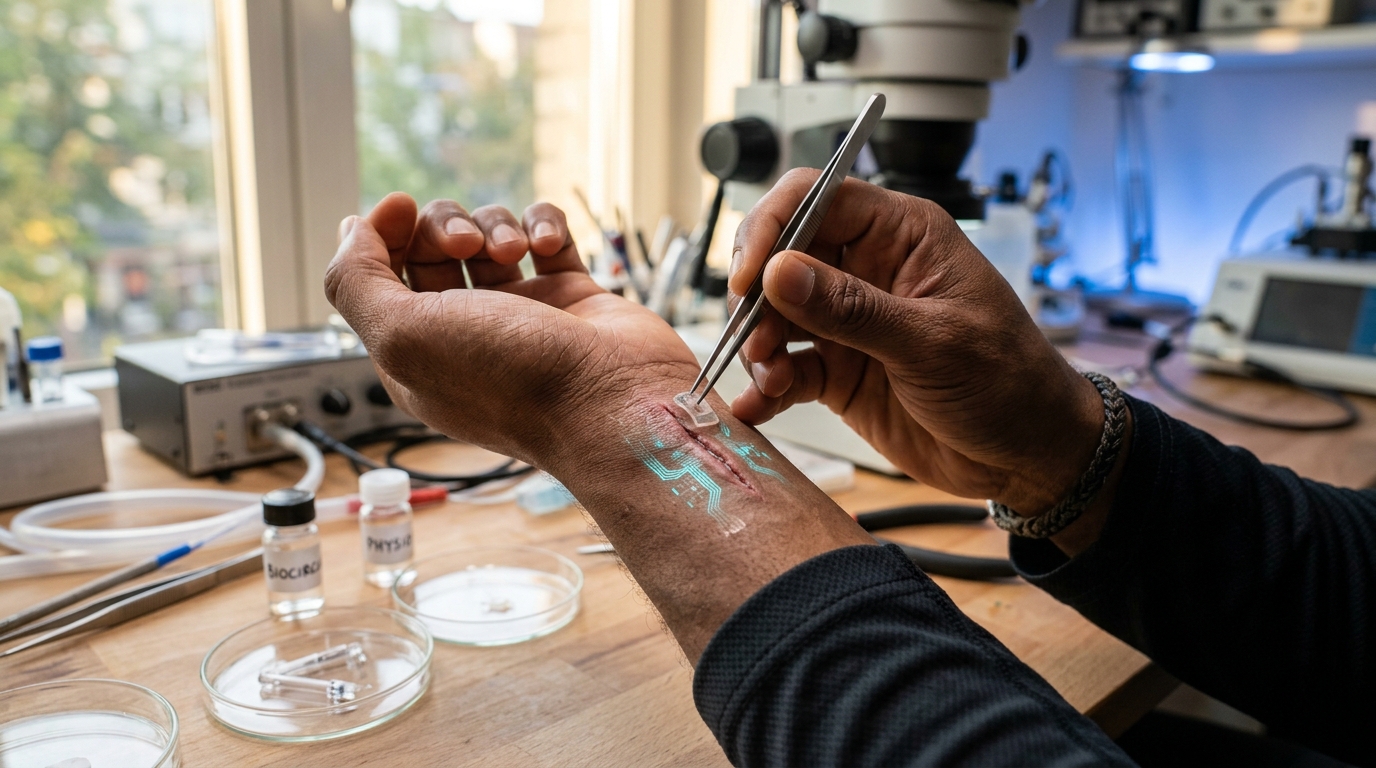
From tracking your biometrics to experimenting with DIY gene editing, taking control of your biological destiny has never been more accessible. However, as you push the boundaries of human potential outside traditional medical environments, navigating safety and responsibility becomes paramount. Establishing robust biohacking ethical guidelines ensures that your pursuit of personal optimization remains grounded in safety, respect, and scientific integrity. As technology continues to merge with human biology, having a thoughtful moral framework is your most essential tool.
Unlike institutional scientific research governed by strict oversight boards, community-led biohacking relies heavily on self-regulation and personal accountability. Balancing your desire for innovation with potential risks requires clear boundaries around consent, transparency, and harm reduction. By approaching self-experimentation with both curiosity and intellectual rigor, you can confidently explore new frontiers while protecting both yourself and the broader community.
Key Takeaways
- Because DIY biohacking operates outside traditional institutional review boards, practitioners must act as their own ethical oversight by establishing strict self-imposed safety protocols, baseline biometrics, and non-negotiable stop conditions.
- Advanced interventions like consumer CRISPR kits and neural implants introduce serious biological risks—including off-target genetic mutations and neural data privacy breaches—that require thorough risk evaluation before implementation.
- Maintaining community safety and public trust depends on open-source transparency, citizen science peer review, and strict biosecurity standards to prevent accidental containment issues or unintended exposure.
- Responsible biological optimization balances scientific curiosity with harm reduction, requiring detailed quantitative tracking, peer collaboration, and absolute informed consent whenever experiments involve others.
Moving Beyond Traditional Institutional Ethics Boards
When you experiment with cutting-edge tools like consumer-grade CRISPR kits or neural implants, you step entirely outside the traditional framework of institutional research. Conventional scientific studies rely heavily on Institutional Review Boards to evaluate safety protocols and protect research subjects long before any procedure takes place. Because self-directed biohacking happens in home spaces and independent labs, those formal academic safeguards are completely absent. Bypassing these institutional gates shifts the heavy responsibility of ethical oversight directly onto your shoulders. Without an external board to flag potential dangers, creating your own self-imposed ethical boundaries becomes an essential strategy for preserving your physical well-being.
Developing decentralized ethical standards does not mean stifling your scientific curiosity, but rather anchoring your enthusiasm in practical self-discipline. You need a reliable framework to evaluate personal biological risks before introducing genetic alterations or cybernetic hardware into your body. Practical steps like establishing clear baseline biometrics, studying open-source research, and defining non-negotiable stop conditions help mitigate unforeseen complications. True self-experimentation requires you to respect your body with the same methodical caution that professional clinical trials demand. By acting as your own rigorous ethical review board, you actively protect your health while advancing the spirit of open science.
As human enhancement technology becomes more accessible, the philosophy guiding your choices becomes just as critical as the biological protocols themselves. Navigating this rapid evolution requires you to constantly reflect on the long-term consequences of every modification you attempt. Embracing self-governance empowers you to maintain complete personal autonomy over your genetic and cybernetic future. You can confidently push the boundaries of human potential when your self-experimentation is grounded in strong personal integrity. Thoughtful ethical boundaries ensure that your pursuit of biological optimization remains both safe and sustainable over time.
Ethical Boundaries for Consumer CRISPR and Neural Implants
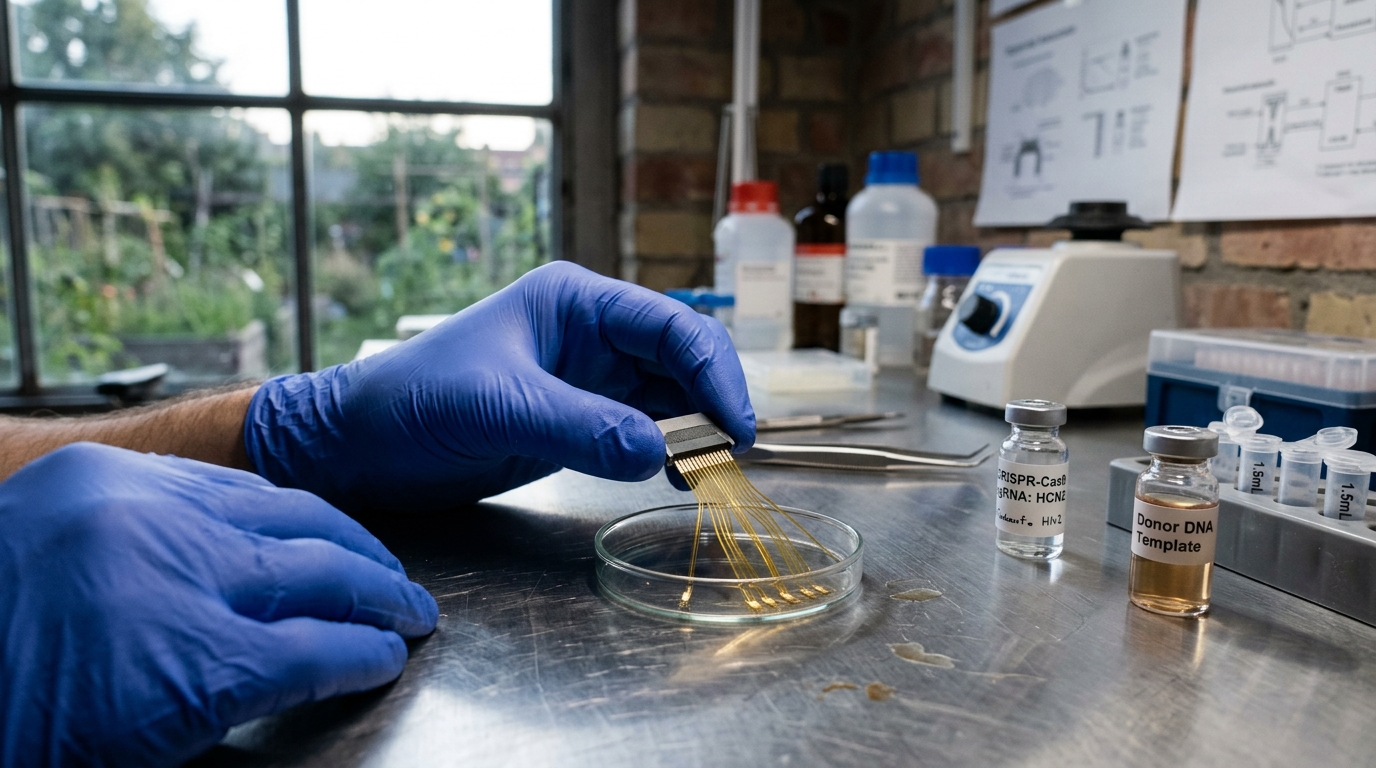
When you decide to experiment with consumer-grade CRISPR kits, you step into a realm where personal autonomy meets biological unpredictability. While the prospect of rewriting your own genetic code to boost physical performance or improve immunity is exhilarating, off-target edits present a serious ethical and physiological challenge. A single unintended genetic modification could remain silent for years or trigger cascading health issues that impact not just you, but future generations. Responsible biohacking requires you to move past the initial excitement and rigorously evaluate these long-term biological risks before altering your DNA. Establishing your own boundaries starts with demanding verifiable data, understanding off-target probabilities, and accepting full accountability for systemic consequences.
Integrating neural hardware into your nervous system introduces a completely new dimension of data privacy and cognitive modification. Unlike a smartphone that tracks your physical location, a brain-computer interface directly records your neural telemetry, emotional states, and raw mental processing. You must consider who ultimately owns that neural data and whether third parties could access your most intimate subconscious patterns. Furthermore, modifying your cognitive faculties creates subtle shifts in your personality and decision-making abilities, making true informed consent an evolving target over time. Before installing hardware beneath your skin or skull, you should establish strict protocols regarding offline storage, data encryption, and clear personal boundaries around what mental states you are willing to alter.
To navigate this rapidly advancing field safely, you need a personal ethical framework that balances curiosity with precaution. This means asking yourself hard questions about why you want to enhance a specific trait and whether the potential benefits outweigh irreversible hazards. True consent in self-directed science demands that you thoroughly comprehend the technical mechanics of an intervention rather than relying on promotional promises. You must also contemplate your broader social responsibility, acknowledging how personal enhancements might influence non-augmented individuals around you. By grounding your self-experiments in deep research and ethical awareness, you ensure that your pursuit of human enhancement expands your potential without compromising your health or core values.
Establishing Transparency and Community Safety Norms
As consumer-grade technology like CRISPR kits and neural implants becomes readily accessible, your home lab can quickly become a site of meaningful scientific discovery. However, with this expanded personal freedom comes a profound responsibility to safeguard both yourself and your local community. Practicing open-source science does not mean operating in a vacuum without accountability. By actively participating in citizen science peer review, you can share your experimental protocols, validate safety metrics, and receive constructive feedback before attempting physical modifications. Transparency serves as your strongest safety mechanism, helping you identify bio-containment risks or unintended mutations long before they pose a threat to those around you.
When you experiment with biological enhancements, your actions inevitably ripple beyond the walls of your personal workspace. Ensuring community safety requires you to consider how shedding modified organisms, airborne vectors, or unvetted bio-signals might impact vulnerable individuals nearby. You should establish strict biosecurity protocols, including proper waste disposal and controlled containment measures, to prevent accidental exposure. Adopting these voluntary standards transforms citizen science from an unpredictable subculture into a respected, ethical discipline. Ultimately, respecting the health and safety of your neighbors ensures that your personal pursuit of self-improvement strengthens broader public trust.
Navigating human enhancement also demands that you continuously reflect on the ethical implications of your self-directed modifications. As neural interfaces and genetic therapies blur the line between organic biology and synthetic augmentation, asking tough questions about consent and long-term consequences becomes essential. You can foster a safer community by documenting your experiments openly, highlighting both your successes and your mistakes for others to learn from. Engaging in transparent dialogue helps build an ethical framework that keeps pace with rapid technological shifts. By balancing your passion for innovation with a commitment to collective wellbeing, you help pave a responsible path forward for the future of citizen science.
Your Ethical Compass for Responsible Biohacking
As consumer-grade CRISPR kits and neural implants become part of daily life, navigating the frontier of human enhancement requires more than just technical curiosity. You are stepping into an era where personal autonomy and biological responsibility must go hand in hand. Core ethical principles, such as ensuring safety, respecting bodily integrity, and considering broader social impacts, provide the compass you need when modifying your own biology. By balancing your drive for self-optimization with a commitment to doing no harm, you protect both your personal well-being and the integrity of the wider community. Empowering yourself with robust moral frameworks ensures that every step you take toward enhancement is intentional, safe, and aligned with your core values.
Navigating this rapidly evolving field requires you to cultivate a thoughtful and proactive mindset. Rather than rushing to adopt every new cybernetic device or genetic tweak, taking the time to research peer-reviewed evidence and understand potential long-term risks will serve you well. You become your own best advocate when you critically evaluate open-source science and actively consult biomedical ethics standards. Embracing a culture of shared knowledge and transparency helps eliminate unnecessary risks while accelerating safe scientific progress for everyone involved. Ultimately, true biological optimization is not just about pushing physical boundaries, but about expanding your human potential with wisdom and foresight.
Frequently Asked Questions
1. Why do you need ethical guidelines if you are only experimenting on yourself?
Even when self-experimenting, your actions can carry unintended risks for your physical health and impact those around you. Creating personal ethical guidelines keeps your experiments grounded in safety and prevents irreversible harm. It also ensures you contribute positively to the broader biohacking community by setting a responsible example.
2. How do biohacking ethics differ from traditional medical research ethics?
Traditional medical research relies on strict Institutional Review Boards to approve protocols and protect participants long before a study begins. Biohacking takes place outside these institutional environments, placing the heavy burden of oversight directly on you. This self-regulated approach requires you to proactively establish your own standards for safety, consent, and scientific rigor.
3. What are the core principles of a personal biohacking ethical framework?
A strong ethical framework relies on four main pillars: harm reduction, transparency, informed consent, and personal accountability. You should prioritize safety through thorough research, keep clear records of your procedures, and consider how your work impacts others. Above all, you must remain honest about potential risks and stop an experiment immediately if safety is compromised.
4. How can you practice harm reduction in DIY biological experiments?
Start by keeping your initial experiments simple, using low-risk interventions before attempting advanced techniques like gene editing or neural hardware installation. You should always source equipment from reputable suppliers and maintain clean, sterile working conditions. Additionally, setting strict pre-determined stopping points helps you halt an experiment if unexpected adverse side effects occur.
5. What role does transparency play in community-led biohacking?
Transparency builds trust within the decentralized science movement and keeps fellow experimenters safe from repeating dangerous errors. By sharing both your successes and your failed attempts open-source, you help others avoid costly mistakes. Open communication also fosters collaborative problem-solving, elevating the overall scientific integrity of your projects.
6. How do you handle consent when biohacking involves friends or team members?
Whenever your experiments involve other people, achieving true informed consent is completely non-negotiable. You must fully disclose all potential hazards, scientific uncertainties, and expected outcomes without minimizing any risks. Everyone involved needs complete freedom to opt out at any stage of the process without feeling pressured.
7. Can self-directed biohacking still maintain scientific rigor without institutional oversight?
Absolute scientific rigor is entirely possible when you hold yourself to high analytical standards. You can achieve this by documenting detailed step-by-step protocols, tracking quantitative biometrics, and using proper baseline controls. Engaging in peer review within independent community labs also helps validate your methodology and reduce confirmation bias.