
Every time you check a weather forecast, use GPS navigation, or stream a live broadcast, you rely on an invisible network of satellites orbiting high above Earth. For decades, humanity treated near-Earth space as an infinite void, leaving behind thousands of decommissioned satellites and shattered rocket fragments. Today, this growing cloud of orbital junk has sparked a crucial conversation around space debris ethics, challenging you to view Earth’s orbit not as an empty abyss, but as a fragile and finite natural resource.
Much like our oceans and forests, popular orbital pathways now suffer from an environmental crisis where unchecked congestion threatens everyone’s shared access. A single high-speed collision in space can generate thousands of unpredictable fragments, placing the critical ground technologies you depend on daily at risk. Grasping the moral weight of how we manage our skies is not just an abstract philosophical exercise; it is essential to preserving your connected way of life and safeguarding space access for future generations.
Key Takeaways
- Near-Earth orbit is a finite natural resource facing a classic tragedy of the commons, where unchecked space debris directly threatens essential daily technologies like GPS, weather forecasting, and global communications.
- Unchecked orbital overcrowding risks triggering cascading collisions that could trap humanity beneath a blanket of debris, making orbital conservation a matter of intergenerational equity and heritage.
- Active debris removal requires applying the ‘polluter pays’ principle, but deployment demands strict international transparency to ensure cleanup technologies are not perceived as space weapons.
- Preserving the orbital commons requires expanding terrestrial environmental ethics into space through sustainable satellite design, proactive stewardship, and enforceable global standards.
Earth Orbit as a Finite Environmental Resource
When you look up at the night sky, it is easy to imagine outer space as an endless vacuum capable of absorbing infinite amounts of human activity. However, near-Earth space, particularly Low Earth Orbit, is actually a fragile ecological zone with limited physical capacity. Every satellite launch, rocket stage, and fragment of debris occupies a specific trajectory that cannot be shared simultaneously with another object. As thousands of active payloads and millions of uncontrolled junk pieces crowd these prime altitudes, the functional environment of our sky changes dramatically. Viewing this environment through an ecological lens allows you to see that orbital altitude is a precious natural resource demanding the same ethical stewardship as Earth’s oceans and atmosphere.
This shift in perspective brings you face-to-face with a classic philosophical dilemma known as the tragedy of the commons. Because no single nation or commercial enterprise owns near-Earth space, actors have a powerful short-term incentive to deploy as many satellites as possible before orbital slots fill up. While individual operators reap immediate economic benefits from expanded constellation networks, the collective risk of catastrophic collisions increases for everyone. Abandoned hardware and shattered satellite fragments accumulate silently, consuming usable space without contributing any ongoing value. Left unchecked, this self-interested behavior degrades the orbital environment, potentially triggering cascading debris events that could lock humanity out of space for generations.
Protecting this shared commons is ultimately a question of intergenerational justice and environmental ethics. You rely on orbital pathways daily for crucial services like climate monitoring, weather forecasting, global positioning, and worldwide communications. Allowing commercial and national interests to pollute Low Earth Orbit compromises these essential ground-based tools while depriving future generations of an open, accessible sky. Reclaiming orbit as a protected natural resource requires you and the broader global community to establish meaningful boundaries on how near-Earth space is utilized. By demanding ethical accountability above the atmosphere, humanity can ensure that our collective presence in the cosmos remains sustainable for centuries to come.
Intergenerational Equity and Preserving Orbital Access
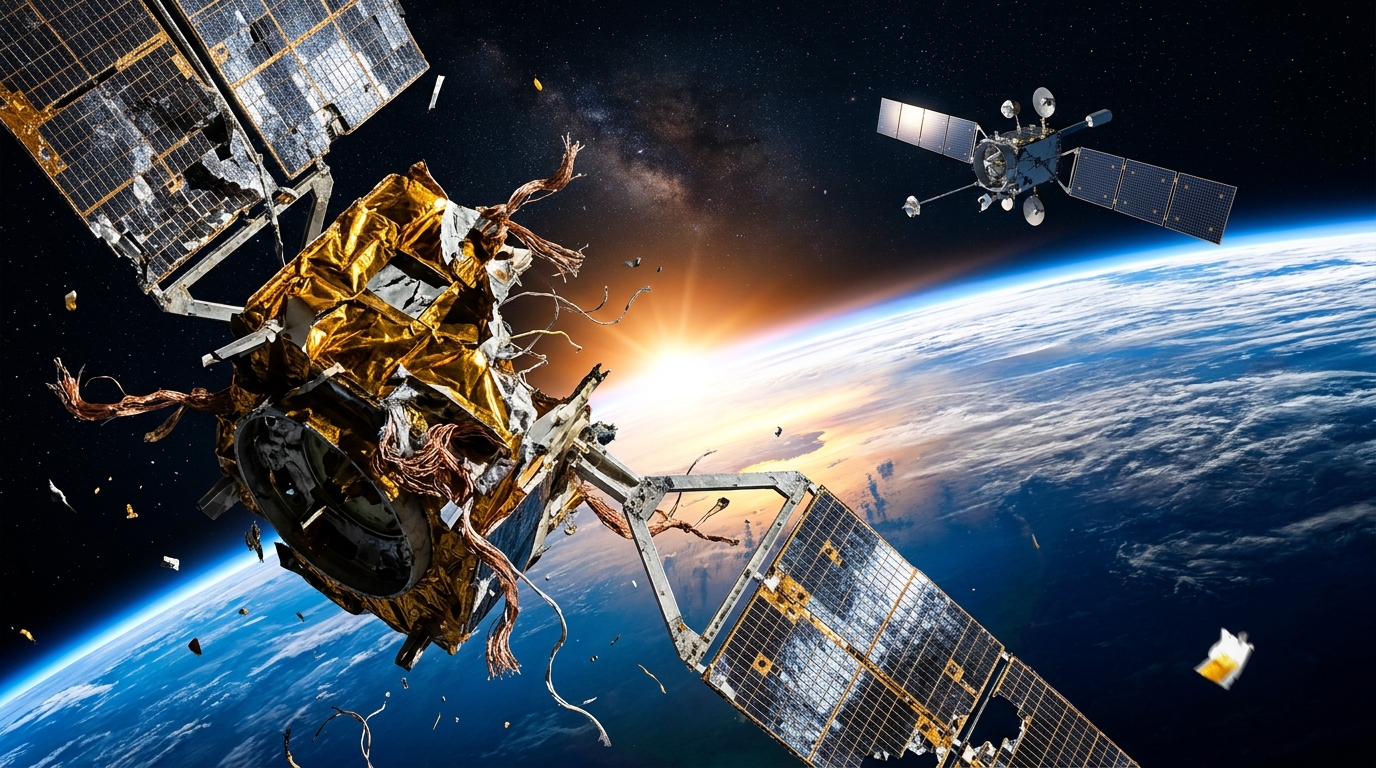
When you look up at the night sky, you are experiencing a finite natural resource that belongs just as much to future generations as it does to us today. If we allow Low Earth Orbit to become choked with high-speed metallic refuse, we risk locking humanity under a blanket of debris that could endure for centuries. This is where intergenerational equity becomes a pressing moral concern rather than a mere academic exercise. By prioritizing short-term commercial gains over long-term orbital sustainability, we compromise the ability of our descendants to launch scientific missions or explore deep space. Protecting near-Earth space is not just about safeguarding today’s operational satellites, but about ensuring that tomorrow’s explorers inherit a functional gateway to the cosmos.
Beyond the practical disruptions to global communication and climate monitoring, you must also consider the subtle erosion of our shared aesthetic connection to the universe. For thousands of years, the pristine night sky has inspired human culture, philosophy, and art across every continent. Today, the growing grid of satellite light pollution and reflective debris threatens to permanently alter that ancient view, replacing natural starlight with constant streaks of artificial clutter. Environmental philosophers increasingly view this shift as a tragedy of the commons, where individual actors extract short-term value while degrading a heritage shared by everyone. When you realize that future generations might never experience an unmarred night sky, orbital conservation transforms into a vital effort to preserve human heritage.
You hold a unique position in history as part of the generation currently deciding how near-Earth space will be managed for centuries to come. Recognizing Earth’s orbit as a fragile environment requires expanding your ethical framework beyond traditional terrestrial boundaries. If society fails to adopt proactive stewardship now, a self-sustaining cascade of orbital collisions could trap future generations beneath an impassable shield of hazardous junk. Taking responsibility for orbital pollution today ensures that scientific discovery, international communication, and cosmic wonder remain viable long into the future. Ultimately, preserving open access to space is a profound moral obligation that honors our duty to those who will inherit the world we leave behind.
Moral Responsibilities in Active Space Debris Removal
When you look up at the night sky, you are gazing through a graveyard of human technology that poses a classic tragedy of the commons. Decades of uncoordinated satellite launches have transformed near-Earth orbit into a crowded zone, raising urgent questions about who should pay to clean it up. Spacefaring pioneers reaped the early rewards of orbital access, yet the debris they left behind now threatens the shared infrastructure that your daily life depends on. Applying the “polluter pays” principle seems logically sound, but establishing financial liability for decades-old junk remains a philosophical and logistical challenge. Developing nations argue that forcing them to shoulder cleanup costs for a problem created by legacy space powers unfairly restricts their own future access to space.
Evaluating the ethics of active debris removal also requires you to consider the delicate balance of international trust and national security. The very technology needed to capture and deorbit a rogue rocket body, such as robotic arms or high-powered lasers, can easily double as an orbital weapon capable of disabling an opponent’s operational satellites. If one nation deploys a cleanup vehicle without absolute transparency, rival states inevitably view the maneuver with deep suspicion. You can see how this creates a paradox where the tools designed to protect Earth’s shared orbital commons could accidentally trigger an arms race in space. Building robust framework agreements based on mutual verification is therefore just as vital as solving the complex engineering challenges.
Beyond immediate political friction, your perspective on orbital cleanup must account for our moral obligation to future generations. Allowing Earth’s orbit to deteriorate until it triggers a cascade of catastrophic collisions effectively denies future populations the ability to explore space or utilize vital climate-monitoring networks. Treating near-Earth space as a finite, fragile ecosystem forces us to shift from a mindset of exploitation to one of active stewardship. As satellite collisions become more frequent, taking collective ethical responsibility is no longer just a high-minded philosophical debate. Ultimately, preserving the orbital commons requires you and global policymakers alike to view space not as a lawless frontier, but as a shared natural heritage worth protecting.
Why Your Environmental Ethics Belong in Space
When you look up at the night sky, it is easy to view space as an infinite, untouched void that can absorb endless human activity. However, confronting the reality of space debris requires you to apply the same environmental ethics to near-Earth orbit that we use to protect terrestrial ecosystems. Orbital space is a finite natural resource, and treating Low Earth Orbit as an endless dump creates a classic tragedy of the commons where short-term economic gains jeopardize long-term stability. Recognizing this shift pushes us to acknowledge our ethical responsibilities toward maintaining a safe, clean cosmic environment. Every satellite launched and piece of hardware left behind directly alters this shared environment, making responsible stewardship an urgent moral priority.
Reframing orbital overcrowding as an environmental crisis allows you to see how deeply connected our daily lives are to the health of our skies. The critical infrastructure you rely on every day, from climate monitoring and global communications to essential navigation systems, depends directly on maintaining clean pathways through the stars. By embracing sustainable design, active debris removal, and international cooperation, society can protect these vital services while keeping space accessible for generations to come. Ethical cosmic exploration is not merely about preventing dangerous collisions today, but about ensuring that future dreamers can still reach beyond our planet. Shifting your perspective toward orbital sustainability helps build a resilient foundation for humanity’s ongoing presence in the cosmos.
Frequently Asked Questions
1. What exactly is space debris ethics, and why should I care?
Space debris ethics is the moral framework guiding how humanity manages, shares, and preserves near-Earth space. You should care because your daily life relies on satellites for navigation, weather updates, and communications, all of which are threatened by unchecked orbital junk. Adopting an ethical perspective ensures we protect these critical technologies for yourself and future generations.
2. How does space debris directly affect my everyday life on Earth?
When orbital clutter causes high-speed collisions, it creates thousands of unpredictable fragments that endanger active satellites. These are the same satellites powering your daily GPS directions, streaming services, and weather forecasts. If key orbital paths become too dangerous to traverse, the essential ground services you rely on could face severe disruptions.
3. Why is Earth’s orbit considered a finite natural resource?
Just like oceans or forests, prime orbital pathways like Low Earth Orbit have a limited physical capacity. Every satellite, rocket body, and piece of debris occupies a specific trajectory that cannot safely overlap with another object. Treating space as an infinite void leads to severe congestion, making stewardship vital to keeping these pathways open.
4. Who is morally responsible for cleaning up orbital junk?
Responsibility lies collectively with spacefaring nations, private aerospace corporations, and satellite operators who launched these payloads. Applying environmental ethics to space means those who generate orbital pollution must help fund and implement active removal solutions. You can advocate for international policies that hold satellite operators accountable for their orbital footprint.
5. What happens if humanity continues to ignore the space debris problem?
Ignoring the issue risks triggering chain-reaction collisions that could render entire orbital altitudes completely unusable. This cascade effect would not only disrupt your modern conveniences, but it could also lock humanity on Earth by making future space missions too hazardous. Addressing the problem now prevents a catastrophic loss of access to near-Earth space.
6. What practical ethical solutions exist to solve space congestion?
Key solutions include designing satellites that deorbit automatically at the end of their mission, deploying active debris removal missions, and enforcing strict international launch rules. By treating space as a shared global commons, satellite operators can build sustainable practices that keep orbital highways safe for everyone.
7. Can I do anything as an individual to support space sustainability?
Yes, you can play a meaningful role by staying informed and advocating for sustainable space policies. Supporting commercial entities and government programs that prioritize orbital environmentalism helps drive market demand for responsible space operations. Your voice matters in shaping how society values and protects our celestial environment.