

Imagine walking through a forest and realizing that the trees, the rushing stream, and even the weathered stones beneath your feet are not just objects, but active participants in a living conversation. To understand what is animism, you must shift your perspective away from the idea of a silent, mechanical nature and toward a world teeming with distinct spiritual essence and personhood. This ancient yet sophisticated worldview suggests that the universe is full of “persons,” only some of whom happen to be human, each possessing their own agency and life-force.
By embracing this relational way of knowing, you move beyond the modern divide between spirit and matter to see the environment as a web of interconnected relationships. Animism invites you to consider your ethical responsibility to the world around you, treating weather systems and ecosystems with the same respect you would accord a neighbor. It is a profound philosophy of immanence that transforms your everyday surroundings into a vibrant community of spirits, demanding a more mindful and balanced way of living.
Key Takeaways
- Animism is a sophisticated relational epistemology that views the world as a community of ‘non-human persons’—including plants, stones, and weather systems—each possessing its own agency and spiritual essence.
- Transitioning from a human-centered hierarchy to a web of interconnectedness shifts the perception of nature from a collection of passive resources to a vibrant community of subjects.
- Recognizing the ‘anima’ or life-force in all things establishes a profound ethical responsibility to maintain balanced, reciprocal relationships with the environment through mindful action and respect.
- By rejecting the dualism between spirit and matter, animism finds the sacred within the immanent physical world, offering a vital bridge between ancient indigenous wisdom and modern ecological accountability.
From Breath To Being: The Core Principles Of Animistic Philosophy
The concept of animism begins with the Latin word anima, which translates to breath, spirit, or life. When you look at the world through this lens, you start to see that life is not a property exclusive to human beings. Instead, it is a vital essence that flows through everything from the smallest garden herb to the most expansive weather system. By recognizing this shared breath, you move away from seeing the world as a collection of objects and toward seeing it as a community of subjects. This shift allows you to perceive a distinct spirit and agency in the rustling leaves of a forest or the steady flow of a river.
In this sophisticated relational epistemology, you learn to treat the natural world as a collection of non-human persons. This means that a mountain or a thunderstorm is not just a physical phenomenon but a being with its own history and intent. When you acknowledge the personhood of plants and animals, your relationship with your surroundings changes from one of dominance to one of mutual respect. You begin to understand that you are part of a vast web of interconnectedness where every entity has a role to play. This perspective encourages you to live with a sense of ethical responsibility toward all your neighbors in the ecosystem.
Modern animism invites you to reject the old dualism that separates spirit from matter or nature from culture. Instead of looking for a distant deity in the sky, you are encouraged to find the divine within the immanent world right in front of you. Whether you are interacting with a family pet or observing the shifting patterns of the wind, you are engaging with a living presence. This philosophy provides a bridge to indigenous and Eastern traditions that have long understood the world to be vibrant and conscious. By embracing this worldview, you open yourself up to a deeper and more meaningful way of knowing the earth and your place within it.
Reclaiming The Narrative: Moving From Primitive Labels To Relational Epistemology
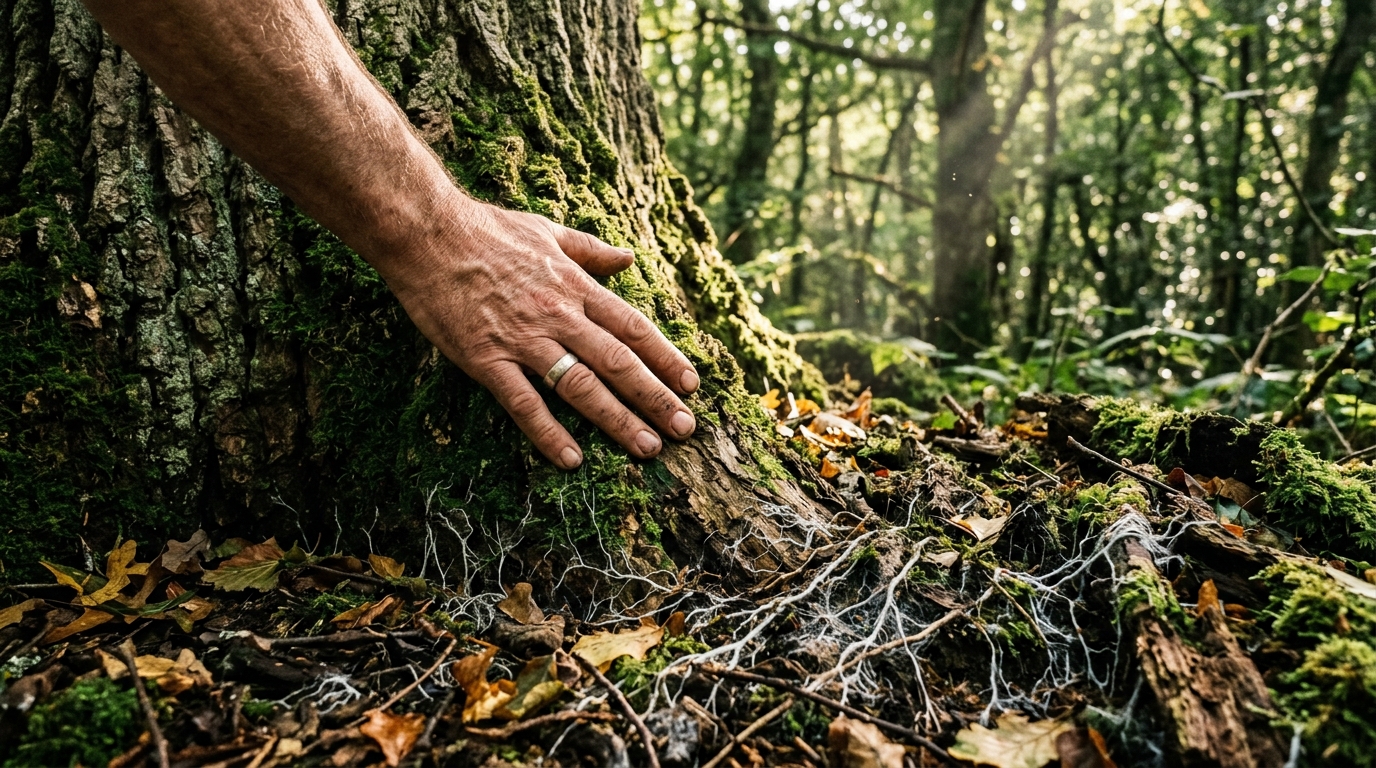
You may have once heard animism described as a simple or primitive belief system, but modern perspectives invite you to see it through a much more profound lens. Rather than viewing the natural world as a collection of objects for human use, animism recognizes that animals, plants, rivers, and even stones possess their own unique agency and spiritual essence. This worldview suggests that you are living in a world full of persons, only some of whom happen to be human. By acknowledging the life force or breath, known as anima, in all things, you begin to dismantle the rigid boundaries between nature and culture. This shift allows you to move away from a sense of isolation and toward a deeply rooted feeling of belonging within the living fabric of the earth.
When you embrace animism as a relational epistemology, you are adopting a sophisticated way of knowing that is built on mutual respect and ethical responsibility. It is not just a collection of myths, but a practical framework for interacting with the world as a community of equals. Instead of seeking a distant or transcendent deity, you find the sacred within the immanent spirits of the physical environment around you. This perspective encourages you to maintain balanced relationships through conscious communication and reciprocity with your surroundings. By valuing the consciousness of the non human world, you participate in a tradition that honors the interconnectedness of all life as a fundamental truth.
The Ethics Of Kinship: Cultivating Reciprocal Relationships With The Natural World
At its heart, animism is a sophisticated way of knowing that invites you to see the world as a vibrant community of persons rather than a collection of inanimate resources. By recognizing that animals, plants, and even the winding rivers possess their own breath and agency, you begin to dismantle the old boundaries between nature and culture. This perspective, often called a relational epistemology, suggests that your surroundings are filled with immanent spirits that are constantly communicating and interacting with you. When you acknowledge the distinct personhood of a mountain or a weather system, you shift from being a detached observer to an active participant in a living world.
Living with an awareness of these spirits transforms your daily routines into a series of ethical choices based on mutual respect. You start to understand that because you share a physical environment with other sentient beings, your actions carry a weight of ethical responsibility to maintain a healthy balance. This is not about worshipping nature from afar, but rather about cultivating a practical kinship where you listen as much as you speak. By treating the non-human world with the same dignity you afford your neighbors, you participate in a reciprocal relationship that honors the interconnectedness of all life.
This shift in consciousness allows you to move through the world with a renewed sense of wonder and accountability. When you realize that the objects and entities around you have their own stories and spiritual essences, the way you consume and interact with the earth changes fundamentally. You might find yourself pausing to offer gratitude to a tree or considering the impact of your footprint on a local waterway with more intentionality. Embracing this ancient yet modern wisdom helps you live with a deeper sense of belonging, proving that you are never truly alone in this world of spirits.
Global Syncretism And The Modern Resurgence Of Nature Based Wisdom

At its heart, animism is the profound recognition that you are living in a world pulsing with consciousness and agency. Rather than viewing the natural environment as a collection of passive resources, this ancient perspective invites you to see animals, plants, rivers, and even weather patterns as distinct persons with their own spiritual essence. This worldview rejects the modern dualism that separates spirit from matter, suggesting instead that the sacred is immanent within the physical world. By shifting your focus from a human-centered hierarchy to a web of interconnectedness, you begin to understand that life is an ongoing conversation between diverse forms of being.
Modern scholars now describe animism as a sophisticated relational epistemology, which is simply a way of knowing the world through deep, mutual respect. This approach emphasizes your ethical responsibility to maintain balanced relationships with the non human inhabitants of your ecosystem. In many Eastern and indigenous traditions, this wisdom has never truly disappeared, persisting as a quiet undercurrent within major world religions and local customs. As you explore these concepts, you will find that animism offers a vital bridge between ancient spiritual insights and the modern ecological need to revalue our relationship with the Earth.
This resurgence of nature based wisdom is gaining new relevance as we face global environmental challenges that require more than just technical solutions. By adopting an animistic lens, you can move beyond the idea of nature as an object to be controlled and toward a partnership rooted in shared life. This perspective encourages a sense of wonder and accountability, reminding you that every stone and stream carries a story worth honoring. As you integrate these ideas into your modern life, you contribute to a global syncretism that blends scientific understanding with a deeply felt reverence for the living world.
Stepping Into a World of Subjects
Adopting an animistic lens invites you to step out of a world of objects and into a world of subjects. By recognizing that the river, the wind, and the ancient stone beneath your feet possess their own agency and spirit, you begin to dismantle the cold wall of separation between humanity and nature. This shift in perspective transforms your daily environment from a collection of resources into a vibrant community of non-human persons. You are no longer a lonely observer in a silent universe, but a vital participant in a constant, living dialogue. This deep sense of belonging fosters a natural respect for all life forms, encouraging you to move through the world with newfound grace and intention.
Integrating this relational epistemology into your life offers a profound sense of purpose and connection that modern dualism often lacks. When you view the earth as a conscious partner rather than a passive backdrop, your environmental ethics become grounded in genuine friendship and mutual responsibility. This ancient yet sophisticated way of knowing allows you to find sacredness in the mundane and wisdom in the cycles of the natural world. As you deepen these relationships, you may find that the world begins to speak back in ways you never previously noticed. Ultimately, embracing the interconnectedness of all beings empowers you to live more harmoniously within the grand, breathing tapestry of existence.
Frequently Asked Questions
1. What is the core meaning of animism?
Animism is the understanding that the world is a vibrant community of persons where everything from trees to stones possesses a distinct spiritual essence. You move away from seeing nature as a collection of objects and instead recognize a shared life force or breath that flows through all beings.
2. Does animism mean that objects have human personalities?
Not exactly, but it does mean they possess their own agency and personhood. You learn to view a mountain or a thunderstorm as a non-human person with its own unique way of being and interacting with the world.
3. How does an animistic worldview change your daily life?
It transforms your surroundings into a web of interconnected relationships that require your active participation. You begin to treat ecosystems and weather systems with the same respect and mindfulness you would offer a human neighbor.
4. What is the significance of the word anima?
Derived from Latin, the word translates to breath or spirit and serves as the foundation for this philosophy. It suggests that life is not an exclusive human property but a vital essence shared by the smallest herb and the most expansive river.
5. Is animism a simple or primitive belief system?
Animism is actually a sophisticated relational epistemology that challenges the modern divide between spirit and matter. It offers a deep philosophy of immanence that requires intellectual rigor to see the environment as a community of subjects rather than resources.
6. What are your ethical responsibilities in an animistic world?
When you recognize the agency in the natural world, you take on a profound responsibility to live in a balanced and respectful way. Your actions become a dialogue with a living landscape, demanding that you honor the life force present in all your surroundings.