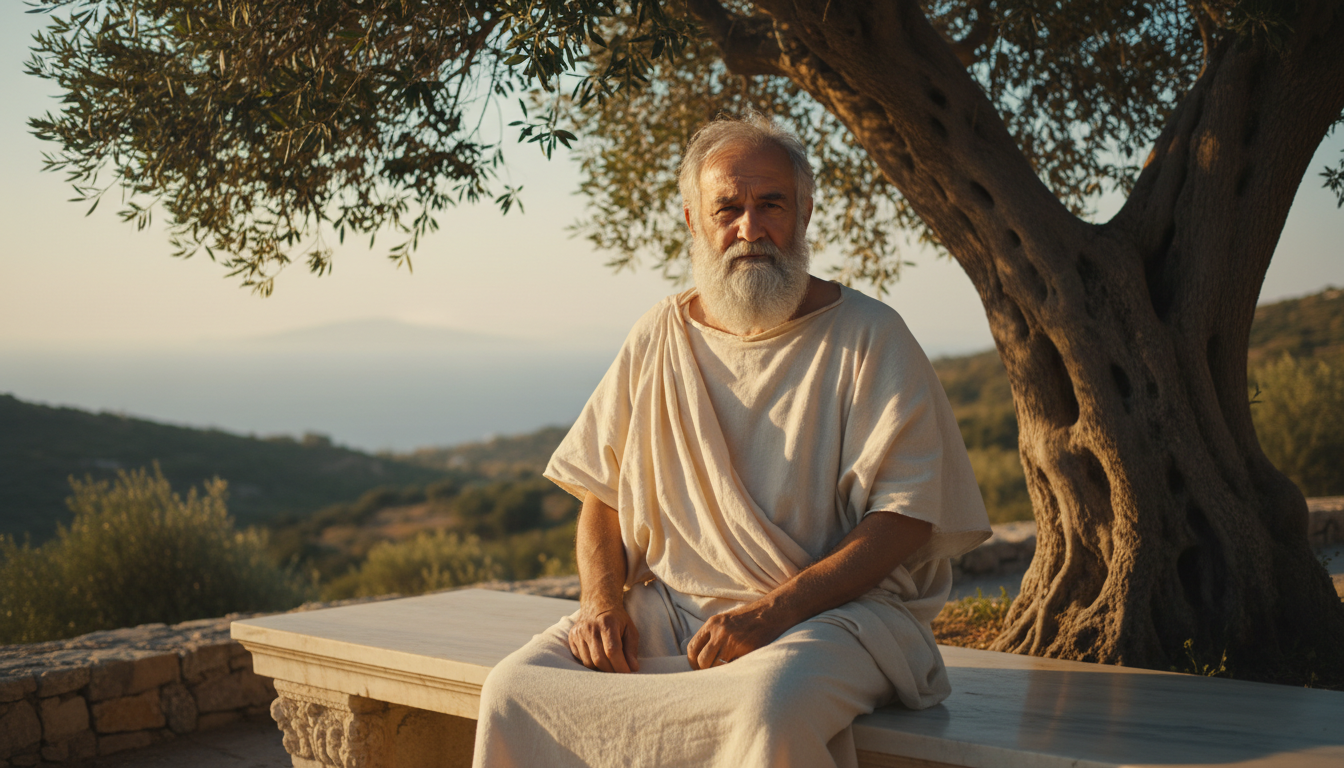
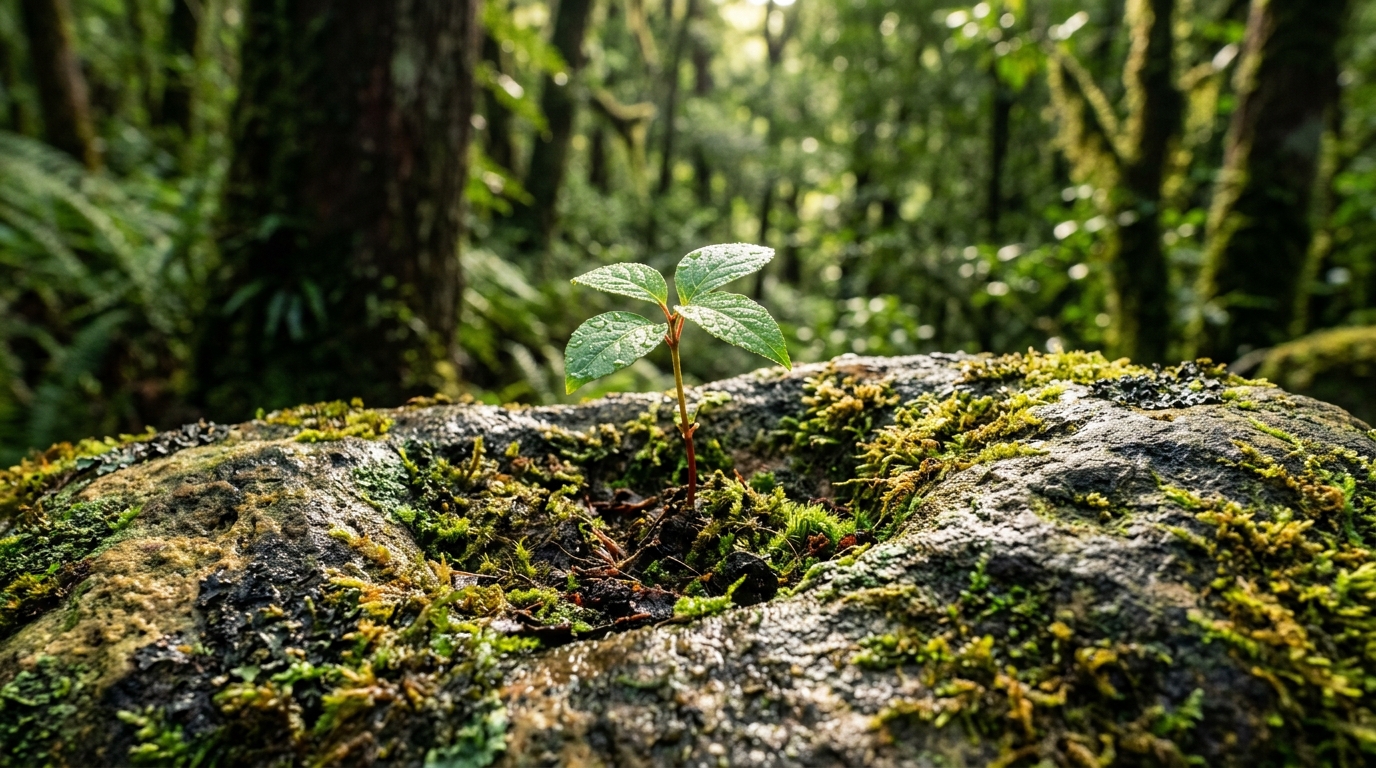
Imagine shifting your perspective from seeing the world as a collection of resources for your use to viewing yourself as a single, vital thread in a vast web of life. This profound transition is at the heart of the ethics of deep ecology, a philosophy that challenges the traditional human-centered approach to environmentalism. By recognizing that every living being possesses inherent worth regardless of its utility to us, you begin to see the natural world not as a backdrop to your life, but as an extension of your very being.
This journey into ecological consciousness invites you to move beyond simple conservation and toward a radical sense of biocentric equality. As you explore these foundational principles, you will discover how broadening your sense of identity to include the biosphere transforms environmental protection from a burdensome chore into a natural act of self-preservation. Understanding your place within this intricate system allows you to align your daily choices with the flourishing of all species, fostering a deeper harmony between your life and the planet.
Key Takeaways
- Adopt a biocentric worldview that recognizes every living being’s inherent right to exist and flourish, independent of its utility to human needs.
- Expand your sense of identity to include the entire biosphere, transforming environmental protection from a moral obligation into a natural act of self-preservation.
- Implement the eight platforms of deep ecology by prioritizing life quality over material consumption and reducing human interference with the natural world.
- Shift from a mindset of resource extraction to one of kinship, making daily choices that honor the intrinsic value of wilderness and the interconnectedness of all species.
Shifting From Anthropocentrism To Biocentric Equality
To understand the ethics of deep ecology, you must first recognize the profound shift from an anthropocentric, or human centered, worldview to one of biocentric equality. For centuries, most of us have been taught to view nature as a collection of resources meant to serve our needs and desires. This traditional perspective suggests that a forest only has value if it provides timber or a river only matters if it generates power. Deep ecology challenges you to move beyond human utility and acknowledge that every living being has an inherent worth and right to exist and blossom. By stripping away the idea that humans are the masters of the universe, you begin to see that your worth is not superior to that of the ecosystems that sustain you.
Biocentric equality invites you to view the world as a vast community of equals where no single species holds a monopoly on value. When you adopt this mindset, you realize that the richness and diversity of life forms are ends in themselves rather than mere tools for human progress. This ethical transition requires you to respect the internal logic and evolutionary journey of all creatures, from the smallest fungi to the largest mammals. It is a radical form of egalitarianism that asks you to consider the well being of the entire biosphere in every decision you make. By valuing life for its own sake, you transform your relationship with the planet from one of exploitation to one of mutual respect and kinship.
Embracing this perspective does not mean you must ignore human needs, but it does mean you should minimize your interference with the natural world. You are encouraged to live in a way that allows other species to fulfill their own unique purposes alongside your own. This shift in consciousness helps you understand that harming the environment is essentially a form of self harm because of our deep interconnectedness. As you integrate biocentrism ethics into your daily life, you start to see the beauty and rights of nature as non negotiable. This foundational ethical pillar serves as your guide for creating a more sustainable and compassionate future for all inhabitants of the Earth.
The Eight Platforms Of Deep Ecology Philosophy
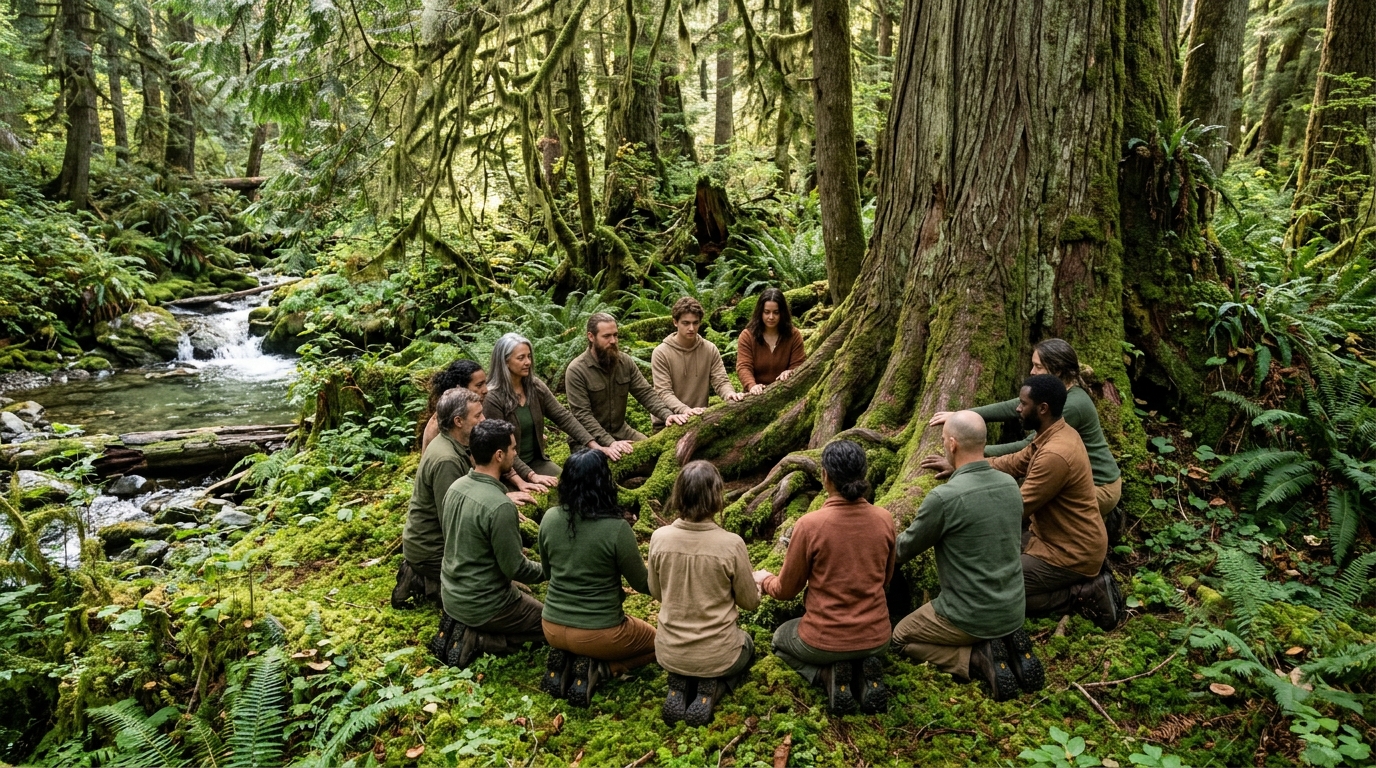
Arne Naess developed the eight platforms of deep ecology to provide you with a functional framework for moving beyond mere conservation toward a profound respect for the biosphere. These principles begin with the idea that the well-being and flourishing of all life on Earth have value in themselves, independent of their usefulness to human purposes. You are encouraged to see that the richness and diversity of life forms contribute to the realization of these values and are also goals in themselves. By internalizing this perspective, you shift your focus from managing resources to honoring the inherent dignity of every organism within our global ecosystem.
As you explore these platforms further, you will find that human interference with the non-human world is currently excessive, and the situation is rapidly worsening. The philosophy suggests that a substantial decrease in the human population would be compatible with the flourishing of both human life and other species. This is not a call for a lack of compassion, but rather a realization that a smaller footprint allows the rest of nature the space it needs to thrive. You are invited to consider how a commitment to these principles requires a significant change in current economic, technological, and ideological structures.
The final tenets of the platform remind you that the ideological change is mainly one of appreciating life quality rather than adhering to an increasingly higher standard of living. You are urged to recognize the difference between what is big in quantity and what is great in quality. Those who subscribe to these foregoing points have an obligation directly or indirectly to participate in the attempt to implement the necessary changes. By adopting these eight pillars, you move from being a passive observer of environmental decline to an active participant in a more ethical and sustainable way of existing on this planet.
Cultivating Your Ecological Self Through Interconnectedness
Deep ecology invites you to reconsider the boundaries of your own identity by moving beyond the narrow confines of the individual ego. When you begin to view yourself as an integral thread in the tapestry of life, your relationship with the environment undergoes a radical transformation. You start to realize that the health of the surrounding forests, rivers, and wildlife is inseparable from your own well-being. This shift in perspective allows you to recognize that protecting the earth is not a burden or an external duty. Instead, it becomes a natural extension of your own self-interest and a vital part of your personal growth.
Expanding your sense of self to include the natural world changes the way you approach ethical decision making in your daily life. Rather than viewing conservation as a series of restrictive chores or moral sacrifices, you begin to see these actions as essential acts of self-preservation. When a mountain or a species is threatened, you feel that threat personally because your ecological self encompasses those entities. This deep sense of interconnectedness replaces the cold logic of human utility with a warm, intuitive drive to protect the biosphere. You move from a mindset of managing resources to one of honoring the intrinsic value of the family of life.
This journey toward an ecological consciousness requires you to practice empathy and mindfulness toward the non-human world around you. By spending time in nature and acknowledging the complex lives of other creatures, you dissolve the artificial barrier between us and them. You will find that your moral obligations flow naturally from this state of being rather than from a list of rigid rules. This philosophical maturity allows you to live more harmoniously, as your actions become a reflection of your true, expanded nature. Ultimately, your commitment to the planet becomes a joyful expression of who you really are in the vast web of existence.
Practical Implications Of Placing Wilderness Above Utility
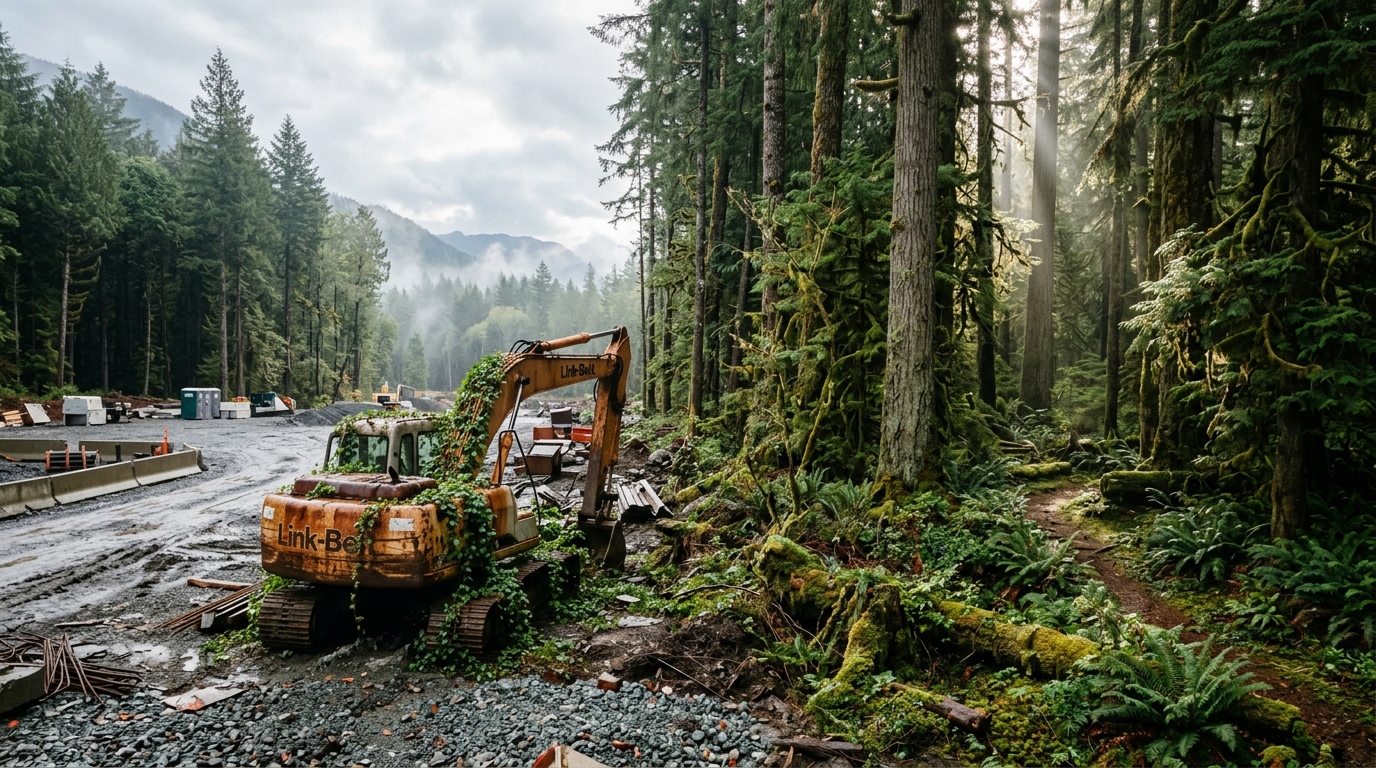
When you begin to prioritize the wilderness over human utility, your relationship with modern consumerism undergoes a radical transformation. This ethical shift forces you to look past the immediate convenience of a product and consider the long-term impact on the entire biosphere. Instead of asking how a resource can serve your personal needs, you start to question whether your individual self-interest depletes shared resources and fails to respect the intrinsic rights of other species to exist and flourish. This mindset naturally leads to a more minimalist lifestyle where you choose quality and longevity over the hollow satisfaction of disposable goods. By reducing your material footprint, you are actively participating in a form of resistance against the idea that nature is merely a warehouse for human industry.
Your daily choices regarding land preservation also take on a new level of moral significance when you adopt a deep ecology perspective. You might find yourself exploring environmental ethics principles to guide your advocacy for the protection of old-growth forests or wetlands not because they provide recreational space, but because those ecosystems have a right to remain undisturbed. This means supporting policies that prioritize biodiversity and habitat connectivity even when those decisions might limit human expansion or economic development. You begin to see the landscape as a community of equals rather than a collection of real estate opportunities or raw materials. Every decision to support local conservation efforts becomes an act of solidarity with the non-human world, reinforcing your commitment to a future where all life is valued for its own sake.
Shifting Your Perspective From Extraction to Kinship
Embracing the ethics of deep ecology allows you to move beyond the traditional view of nature as a mere toolbox for human progress. By recognizing the intrinsic value of every living being, you begin to see the world as a vibrant community where every species has an inherent right to flourish. This shift toward biocentrism transforms your relationship with the environment from one of management and extraction to one of mutual respect and kinship. You no longer protect a forest because of what it can provide for you, but because you understand its right to exist is as valid as your own. Integrating these concepts into your worldview fosters a profound sense of belonging within the grand tapestry of life.
As you cultivate your ecological self, you will find that acting in the interest of the planet becomes an act of self-preservation rather than a burdensome moral duty. This deeper connection simplifies complex ethical dilemmas by highlighting how your well-being is inextricably linked to the health of the entire biosphere. You begin to make daily choices that honor the delicate balance of our ecosystems, recognizing that every thread in the web of life supports your own existence. This journey into deep ecology does more than just change your habits, as it enriches your spirit by cultivating character in a natural world that is far larger than the human experience. By living through this lens, you contribute to a sustainable future built on the foundation of genuine compassion and ecological wisdom.
Frequently Asked Questions
1. What is the core difference between deep ecology and traditional environmentalism?
Traditional environmentalism often focuses on conserving resources for human use, whereas deep ecology recognizes that every living being has inherent value. You are encouraged to view nature not as a tool for your benefit, but as a community of equals where all species have a right to flourish.
2. How does biocentric equality change the way you view your place in the world?
Biocentric equality shifts your perspective from being a master of the universe to being a single thread in a vast web of life. It teaches you that your worth is not superior to the ecosystems around you, fostering a sense of humility and interconnectedness.
3. What does it mean to say that nature has inherent worth?
Inherent worth means that a forest, a river, or an animal has value simply because it exists, regardless of whether it provides timber, water, or food for humans. You begin to appreciate the natural world for its own sake rather than its utility to your daily life.
4. How can deep ecology transform environmental protection from a chore into a lifestyle?
When you expand your sense of identity to include the biosphere, protecting the planet becomes an act of self-preservation rather than a burdensome obligation. You naturally want to care for the environment because you see it as a vital extension of your own being.
5. How does shifting away from anthropocentrism affect your daily choices?
By moving away from a human-centered worldview, you start to align your everyday decisions with the well-being of all species. You become more mindful of how your consumption and habits impact the intricate systems that sustain life on Earth.
6. Can you still use natural resources while practicing deep ecology?
Deep ecology does not forbid the use of resources, but it asks you to use them with profound respect and only to satisfy vital needs. You learn to live in a way that minimizes your footprint and honors the rights of other living beings to coexist alongside you.