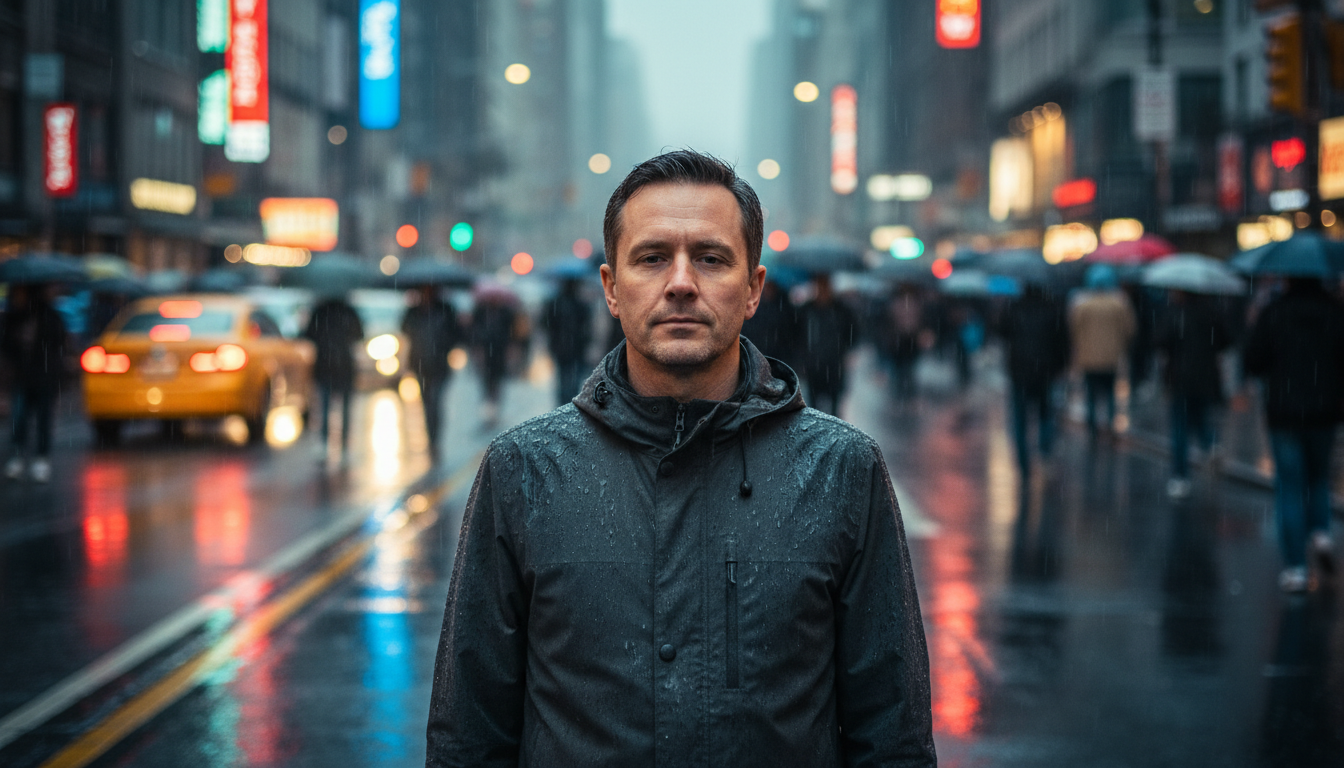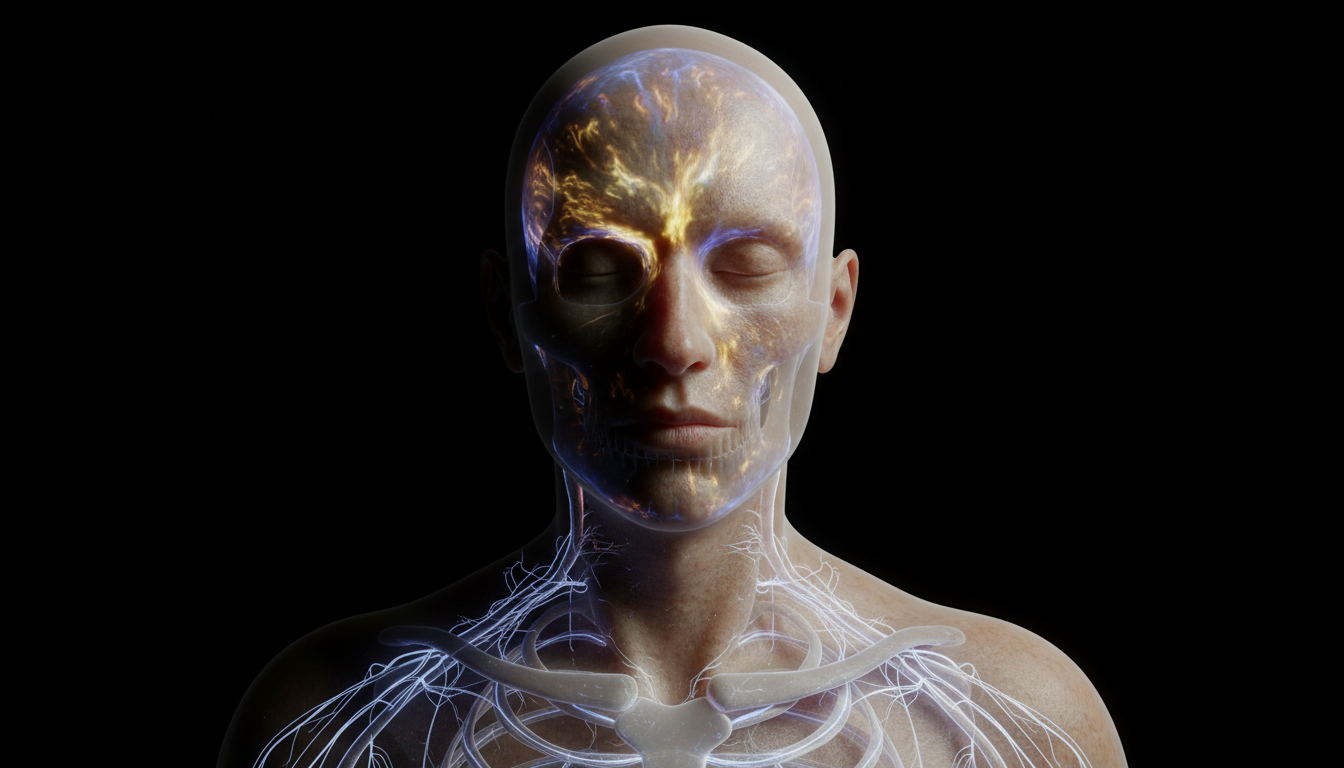

Your digital life does not simply disappear when you die. In 2026, you have more ways than ever to decide what happens to it. The digital afterlife industry includes practical tools for managing accounts and data, online memorials, scheduled messages, and AI recreations of a person’s voice or presence. These services share a broad purpose, but they raise different questions about privacy, grief, ownership, and consent.
You may also encounter large market forecasts, but they often group digital estate planning and storage with AI replicas, making the figures easy to misinterpret. Understanding what the industry includes, and where its promises meet ethical concerns, can help you make clearer choices about the digital legacy you leave behind.
Key Takeaways
- The digital afterlife industry includes practical legacy tools—such as account planning, data storage, memorials, and scheduled messages—as well as AI avatars. Market forecasts often combine these categories, so they should not be treated as estimates for AI replicas alone.
- A legacy avatar generates responses from a person’s recordings, photos, and other data; it is a simulation, not evidence that the person’s consciousness or identity has survived.
- Before creating or using an avatar, establish clear consent, data access and deletion rules, and limits on how it can speak or change. Consider how interactions may affect grieving loved ones and prevent simulated words from being mistaken for the person’s own wishes.
- You can plan a digital legacy without creating an avatar by documenting what should happen to your accounts and files, naming someone to carry out your instructions, and specifying what to preserve, share, or delete.
The 2026 Legacy Avatar Surge
In 2026, high-fidelity legacy avatars have brought a once-speculative idea into sharper public view: recreating someone who has died as an interactive digital presence. These systems can use a person’s voice recordings, photographs, stories, and past conversations to generate responses that resemble how they might speak. The result may feel more personal than a static memorial, especially when an avatar answers questions in a familiar voice. Yet a convincing likeness is still a constructed representation, not proof that the person’s consciousness or identity has survived. That distinction is central to the debate.
When you interact with a legacy avatar, you encounter a model shaped by selected traces of someone’s life and by the choices of the people who build and use it. This raises practical questions about consent and control, along with a deeper one: what makes you the same person over time, and can those qualities be recreated from data? For some, an avatar may offer a meaningful way to remember. For others, it may blur the line between preserving a memory and simulating a relationship. The technology cannot settle what happens to identity after death, but it can make the question feel immediate.
Digital Legacy Market Beyond Griefbots

The digital afterlife industry in 2026 extends well beyond griefbots. It includes tools for planning what happens to your accounts, storing important data, creating online memorials, and sending messages after your death. Market forecasts reflect this broad mix, with estimates for the wider digital legacy sector ranging from $17.2 billion to $24.74 billion in 2026. Those figures include services such as digital vaults and inheritance tools, so they should not be read as estimates for AI replicas of deceased people alone. This distinction matters as high-fidelity legacy avatars draw attention to a narrower, more ethically charged part of the industry.
When an avatar can reproduce someone’s voice, appearance, or conversational style, you are asking not only what technology can do, but also what makes a person who they are. A digital presence may preserve memories and offer comfort, yet it can blur the line between a representation of someone and the person themselves. Questions about consent, control, and how an avatar should change over time become especially pressing when the person it depicts can no longer answer. The wider market may be measured in dollars, but the debate around these replicas reaches into identity, memory, and what it means to remain present after death.
Identity After Death in Avatars
In 2026, high-fidelity legacy avatars have made an old question feel newly personal: if a digital version of someone looks and speaks like them, what exactly has returned? You may recognize a familiar voice, phrase, or sense of humor, but those signals are generated from recordings, messages, and other traces left behind. An avatar can preserve patterns of expression, but it does not prove that the person’s awareness or identity continues within it. That distinction can be easy to lose when a conversation feels natural.
Your memories also shape what you experience when you speak with an avatar. Its replies may bring comfort or recall details you had not thought about in years, while still reflecting a simulation shaped by its data and design. This makes the digital afterlife industry more than a technical story. It asks you to consider whether presence comes from the person, the memories you carry, or the interaction happening now. As these avatars become more convincing, recognizing that difference may matter as much as deciding whether to use one.
Consent, Grief, and Living Users

High-fidelity legacy avatars have made an old question feel immediate: if a digital likeness speaks in your loved one’s voice, is it a memory, a simulation, or something in between? The answer matters because an avatar can shape how you remember someone, even when its words are generated from recordings, messages, and personal data. Consent should clearly specify what may be used, how the likeness may be portrayed, and whether it can be changed or withdrawn. Without those boundaries, a convincing recreation may imply authority or authenticity it does not have.
For someone who is grieving, an avatar may offer comfort, but it may also make loss harder to process or create pressure to return to a simulated conversation. Families can disagree about whether a person would have wanted to be recreated, and the person may never have specified who should make that decision. Safeguards should include meaningful permission given during life, transparent limits on what the avatar can say, and control over access and deletion. As the industry develops, you will need to ask not only whether a digital presence feels real, but also whom it serves and whose choices it reflects.
When Digital Memories Become AI Avatars
The digital afterlife industry in 2026 spans practical legacy tools, such as account planning, online memorials, and scheduled messages, as well as AI avatars designed to recreate a person’s voice or personality. The arrival of high-fidelity legacy avatars has intensified a global debate about whether a convincing simulation preserves someone’s identity or only imitates it. You may find comfort in keeping memories accessible, yet a responsive avatar can blur the line between remembrance and the impression that the person is still present. That distinction matters because a digital likeness can shape how you grieve, remember, and understand what makes someone unique.
As these technologies develop, the central issue is not only what an avatar can do, but who gets to decide how it is made and used. Your choices, a person’s wishes expressed during life, and family members’ views may not always align. Clear consent and control can help protect a person’s dignity, but they cannot resolve every question about whether a recreated presence should speak, change, or eventually disappear. The industry invites you to consider who should have the power to shape a digital life after death and where you would draw the line between preserving a memory and creating a new identity.
Frequently Asked Questions
1. What does the digital afterlife industry include in 2026?
It covers tools for managing accounts and personal data after death, online memorials, scheduled messages, and AI systems that simulate a person’s voice or presence. These services share a focus on digital legacy, but they serve different purposes and raise distinct questions about privacy, consent, and control.
2. What is a legacy avatar?
A legacy avatar is an interactive digital representation built from materials such as voice recordings, photographs, stories, or past conversations. It may respond in a way that resembles the person, but it is a model created from selected data, not evidence that the person’s consciousness or identity has survived.
3. How is an AI legacy avatar different from an online memorial?
An online memorial typically preserves and shares memories, such as photos, stories, or messages. A legacy avatar can generate new responses and simulate conversation. This may feel more personal, but it can also blur the line between remembering someone and recreating a relationship.
4. Can a digital replica truly bring someone back?
No. An AI replica can imitate patterns in a person’s data, but it cannot establish that the person’s consciousness, identity, or point of view continues to exist. Treat it as a constructed representation, not as the person themselves.
5. What should you consider before creating a legacy avatar?
Consider whether the person gave clear permission to use their data, voice, or likeness, and who will decide how the avatar is built and accessed. Think about how interactions may affect grieving family members and friends, and whether anyone could mistake the avatar’s output for the person’s own words or wishes.
6. Who controls the data and output used by a digital afterlife service?
Control depends on the service’s terms, the permissions granted, and any instructions the person left behind. Before uploading personal material, check who can access it, how it may be used, whether it can be deleted, and what happens if the provider closes or changes ownership.
7. Are market forecasts for the digital afterlife industry easy to interpret?
Not always. Forecasts may combine practical services, such as digital estate planning and data storage, with newer products, such as AI replicas. The totals can therefore represent very different activities. Check which categories a forecast includes before using it to judge the size or maturity of any one part of the industry.
8. How can you plan your digital legacy without creating an AI replica?
You can document what should happen to your accounts and personal files, name someone you trust to carry out your instructions, and choose which memories or messages you want to preserve. Clear directions about access, deletion, and sharing can protect your wishes without simulating your voice or presence.