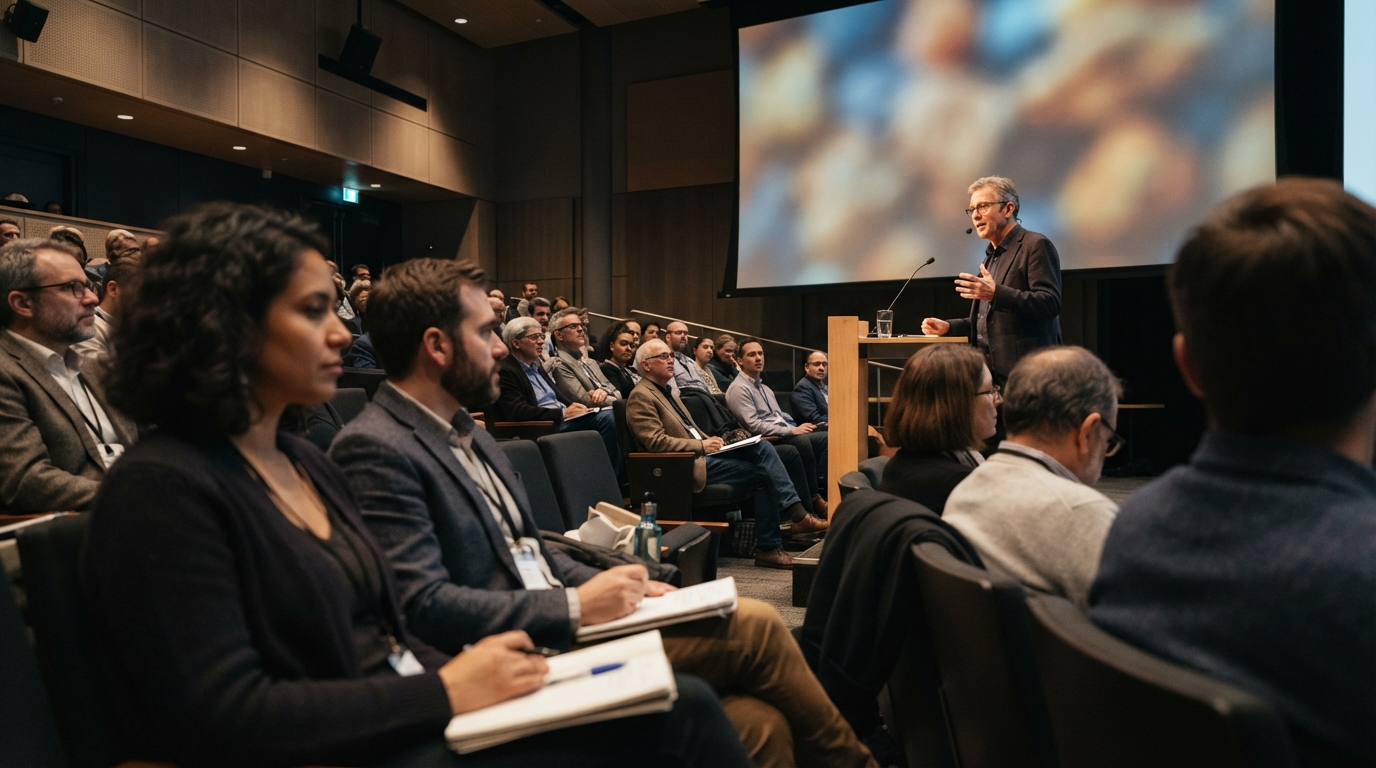
The HOPOS 2026 conference, the Sixteenth Biennial Congress of the International Society for the History of Philosophy of Science, was held at Ohio State University in Columbus from June 22 to 25, 2026. Ohio State reported that more than 100 scholars registered for talks across five parallel sessions over three and a half days, making it a substantial gathering for the field. Ohio State’s report gives details.
The congress featured keynote speakers Peter R. Anstey and Heather Douglas. Organizers encouraged work that connected philosophical themes across cultures and historical periods. This broad scope raises a timely question: how can the history of science clarify philosophical debates today? HOPOS 2026’s program and submission information set out the congress’s intellectual aims.
Key Takeaways
- HOPOS 2026 brought more than 100 scholars to Ohio State University in Columbus from June 22 to 25, 2026, for five parallel sessions over three and a half days. Ohio State’s report describes the event.
- Speakers and in-person attendees had to be HOPOS members before registering; 2026 fees ranged from $95 to $180 depending on attendee category and registration timing. HOPOS 2026’s registration information gives the details.
- Historical case studies can help you assess current philosophical debates: Dubian Cañas’s Spring 2026 article in HOPOS used the caloric theory of heat to examine selective realism and argued that historical evidence can help resolve disagreements about which parts of scientific theories merit realist commitment.
- HOPOS is scheduled to move to Cambridge University Press in 2027, and articles accepted from Volume 17 onward are planned to be open access under a Creative Commons license, so check an article’s volume and license rather than relying on its publication year alone. The society’s announcement describes the plan.
What HOPOS 2026 Brought Together
HOPOS 2026 was the Sixteenth Biennial Congress of the International Society for the History of Philosophy of Science. It was held at Ohio State University in Columbus from June 22 through June 25, 2026. In a September 2026 report, the Ohio State University Department of Philosophy said more than 100 scholars registered for talks. Ohio State’s report gives you a sense of the event’s scale: this was a substantial congress, not simply a short list of specialist presentations.
The talks were scheduled across five parallel sessions over three and a half days. This format brought a broad range of scholarly work into one meeting and gave the congress a program spanning several days. The figures offer a useful sense of the event’s scale: HOPOS brought together a sizable scholarly audience for a multi-session program. Ohio State’s report gives these figures.
The congress’s biennial schedule also provides an ongoing forum for research into how philosophical ideas about science have developed over time. HOPOS defines the field broadly, including the history of related disciplines, different historical periods, and diverse methodologies. The meeting’s scale and structure reflect a varied area of scholarship, rather than a focus on one narrow historical question. The International Society for the History of Philosophy of Science describes this breadth.
Keynotes And The Congress’s Historical Scope
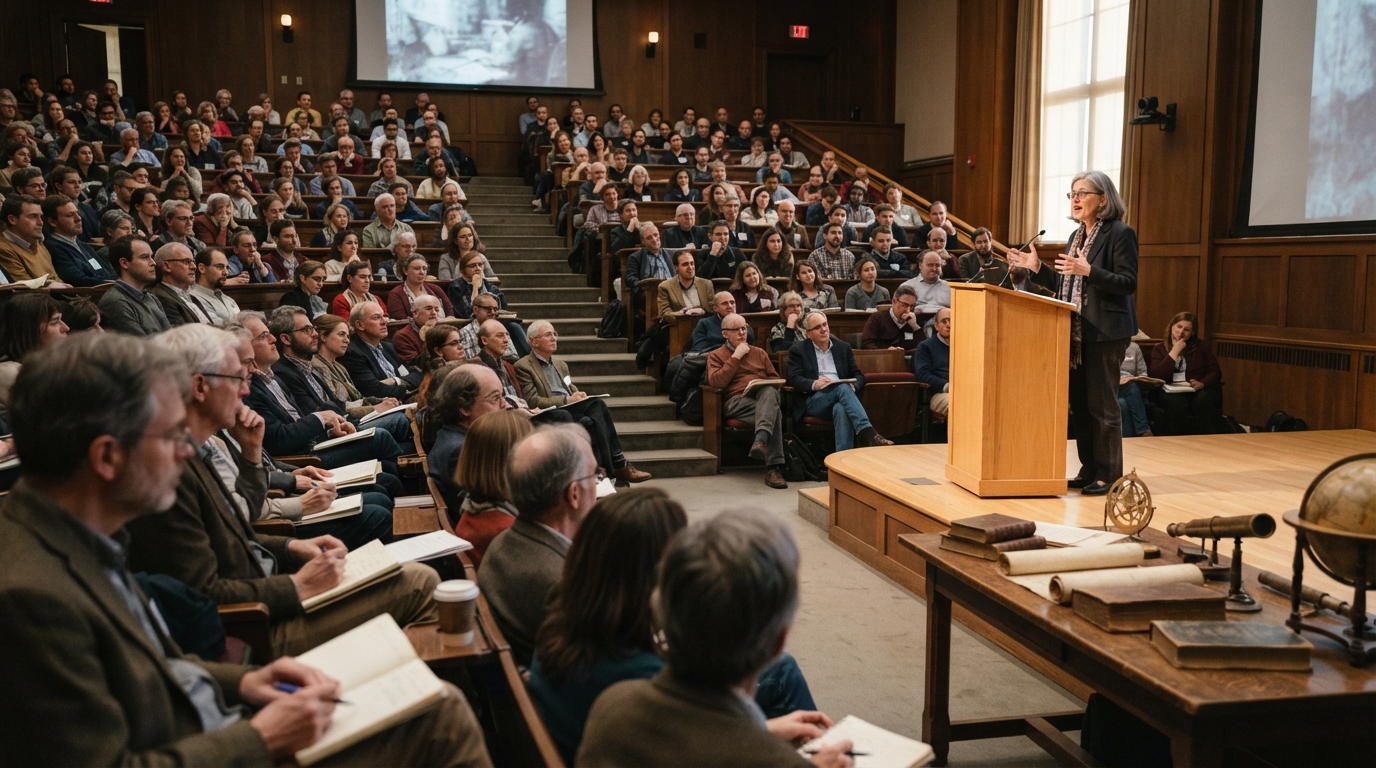
The keynote program featured Peter R. Anstey of Australian Catholic University and Heather Douglas of Michigan State University. Their participation highlighted work in the history and philosophy of science. The program’s broader scope also invited you to look beyond any one philosophical tradition or period. The HOPOS 2026 site identifies both speakers and describes the congress’s intellectual aims.
Organizers especially encouraged submissions connecting philosophical themes across cultures and historical periods. The submission groupings “Kant and Before” and “After Kant” offered historical reference points, while the call’s cross-period emphasis left room for questions that do not fit neatly within one era. You could, for example, trace how a philosophical problem changes across intellectual settings instead of treating its history as a series of isolated stages. The congress’s information described these groupings and encouraged cross-cultural, cross-period work.
This invitation reflects HOPOS’s broad definition of its field. The International Society for the History of Philosophy of Science includes the histories of related disciplines, all historical periods, and diverse methodologies in its scope. This means the history of philosophy of science can connect with neighboring fields and varied approaches to historical evidence, rather than being limited to a narrow chronology of canonical texts. The society’s website describes this inclusive scope.
How The HOPOS Program Was Organized
HOPOS 2026 accepted contributed papers and symposia, giving participants two ways to shape the program: an individual presentation or a coordinated group of papers. Each symposium consisted of three to four papers presented in one session, rather than a series spread across the congress. A shared session allowed symposium contributors to examine a common question while keeping this format distinct from individual paper presentations. The HOPOS 2026 submission guidelines specified both contribution formats and the symposium structure.
The 2026 registration schedule varied by attendee category and timing. Regular faculty paid $155 at the early rate or $180 after May 1, 2026. Other scholars paid $95 early or $125 after May 1. Each category had a higher fee after the early registration period. These prices applied to the 2026 event and are not current registration options. HOPOS 2026’s registration information lists the rates.
Speakers and in-person attendees had to be HOPOS members to register. Anyone presenting a paper or attending the congress in person had to join before registering, in addition to paying the fee for their category and registration period. The HOPOS registration information stated the membership requirement and historical fees.
Why Historical Cases Matter Now
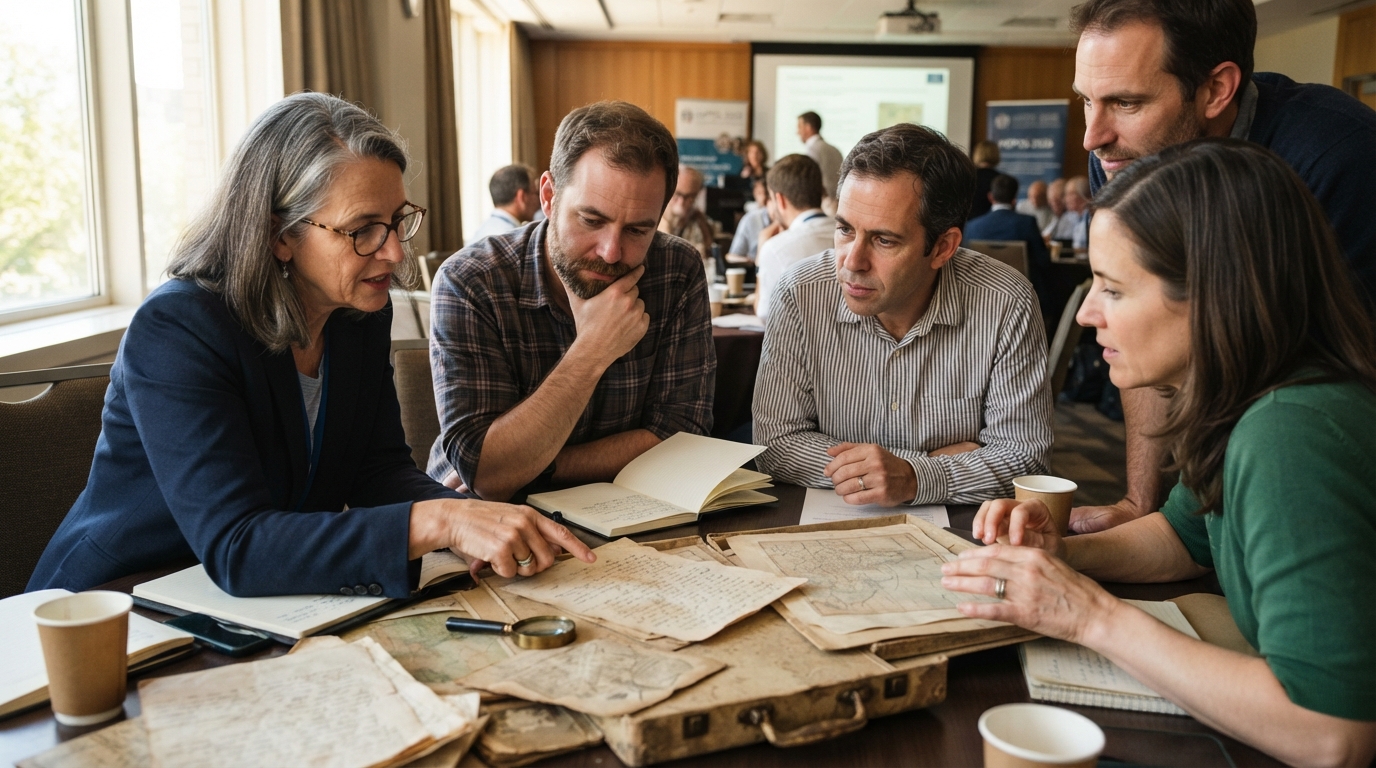
Historical cases can sharpen present-day debates by showing how scientific ideas worked in their original settings. This context helps you assess them on their own terms, rather than only through today’s concepts. It matters when philosophers disagree about what the success or failure of a scientific theory tells us about knowledge of the world.
A Spring 2026 article in HOPOS: The Journal of the International Society for the History of Philosophy of Science offers a concrete example. Dubian Cañas examined selective realism through the historical case of the caloric theory of heat. Cañas argued that historical case studies can help resolve philosophical disagreements, making historical evidence part of the reasoning rather than mere background.
Selective realism is a debate about which parts of scientific theories deserve realist commitment. In accessible terms, it asks which claims or components should be treated as capturing something real, even if other parts of a theory are not. The caloric case gives this debate a specific historical test. Instead of deciding in the abstract which parts of theories merit belief, philosophers can examine how a particular theory developed and what its history can show.
Cañas’s article shows the continuing relevance of historical research to current questions in the philosophy of science. It is an example of HOPOS scholarship, not a report of what Peter R. Anstey or Heather Douglas argued in their keynotes.
HOPOS Journal’s Publishing Shift
HOPOS: The Journal of the International Society for the History of Philosophy of Science currently publishes with University of Chicago Press. The journal reports two issues per year and a 2024 Journal Citation Reports impact factor of 0.4. These figures give you a snapshot of the journal’s publishing schedule and citation measure as it approaches a change in publisher. HOPOS’s journal information lists its publication frequency and impact factor.
Cambridge University Press is scheduled to begin publishing HOPOS in 2027. Under the announced plan, articles accepted from Volume 17 onward are scheduled to be open access under a Creative Commons license. The International Society for the History of Philosophy of Science has outlined the publisher transition and the eligibility point for open-access articles. The society’s announcement describes these plans.
If you’re tracking future scholarship, note that the move to Cambridge is scheduled for 2027, while open-access eligibility is tied to acceptance from Volume 17 onward. The calendar year alone does not determine which articles qualify. The planned license also sets the terms for accessing and using qualifying work. Together, these changes establish a new publishing arrangement for future HOPOS research and a stated route to open access. The transition date and article eligibility are separate details. The society’s announcement describes the plan.
What To Follow After The Congress
If you’re following the research rather than planning a trip, start with the HOPOS journal’s issue listings and choose an article related to a question you care about. As you read, distinguish what the historical evidence establishes from the philosophical conclusion the author draws. This helps you compare arguments across papers without treating a historical case as a simple illustration.
If you want to take part in a future congress, use the International Society for the History of Philosophy of Science website to check for announcements, calls for papers, and membership guidance. Check the terms for the specific event before making plans. HOPOS 2026’s registration details applied to that congress and may not apply to a later one.
If access to future scholarship is your priority, save the society’s publishing-transition announcement. When you find a HOPOS paper published under the Cambridge arrangement, check its volume and license information to confirm whether it is open access. This gives you a practical way to track the change as new journal issues appear.