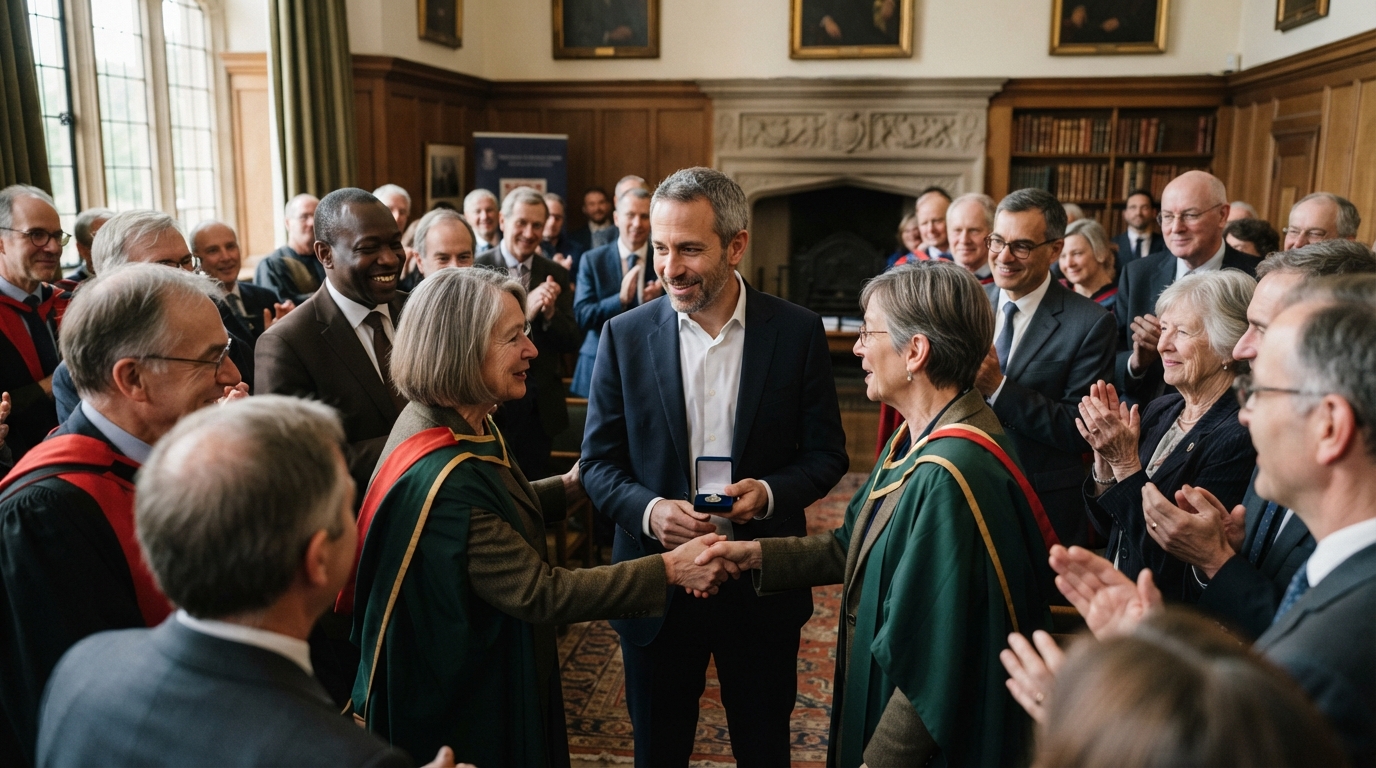
Michel Foucault’s centenary in 2026 marks 100 years since he was born in Poitiers, France, on October 15, 1926. It has brought a wave of exhibitions, lectures and books.
The Collège de France’s free exhibition, organized with the Bibliothèque nationale de France, presents around 100 items from September 30, 2026, to January 15, 2027, including unpublished manuscripts and audio and video archives. Le Monde reports that at least 15 books on Foucault were being published in France for the centenary.
Key Takeaways
- You can test Didier Fassin’s charge that Foucault neglected Palestinian struggles and the subversive force of gender studies by checking whether those topics appear in the Collège de France courses, whose publication was completed in 2015.
- You can visit the free Collège de France centenary exhibition, organized with the Bibliothèque nationale de France, from September 30, 2026, to January 15, 2027, with general hours of Monday through Friday, 9 a.m. to 6 p.m., and book free 45-minute guided tours for accompanied school and university groups.
- You can compare a printed Foucault lecture with its audio or video recording, since the exhibition and archives show how his ideas were delivered, paced and tested in front of an audience.
- You should start with a published Foucault lecture rather than a commentary on it, because the Penn Libraries count of 13 Collège de France courses gives you a concrete body of primary sources to judge for yourself.
- You can follow Foucault’s political journalism on the Iranian Revolution from September 1978 to February 1979 in a 2026 book that gathers his articles alongside related documents, responses, letters and interview notebooks.
Why a Century-Old Philosopher Is in the Spotlight
On September 24 and 25, 2026, the University of Pennsylvania hosted “The Foucault Century,” a two-day public symposium marking both his centenary and the 50th anniversary of the first volume of The History of Sexuality. That pairing gives the anniversary a sharper focus than a birthday alone could provide, since the book reshaped debates about power, sexuality and the body.
The most striking new tone comes from critics. In a centenary study built around a dozen thematic lectures, Collège de France professor Didier Fassin argues that Foucault’s work has significant absences, including insufficient attention to Palestinian struggles and to the subversive force of gender studies. You may read that as a challenge rather than a tribute, and that is precisely why the moment invites reassessment.
Other books take a gentler approach. A collective volume on Foucault’s “aesthetics of existence” brings together 13 writers on self-government and the idea of making one’s life a work of art. Two further books return to his youth in the Poitou region and to Le Piroir, his family property in Vendeuvre-du-Poitou, adding biographical depth to ideas often read as purely theoretical.
Foucault held the chair in the History of Systems of Thought at the Collège de France from 1970 until his death in 1984, and the institution’s centenary program is where many of these questions converge.
The Collège de France Revisits Fourteen Years of Teaching
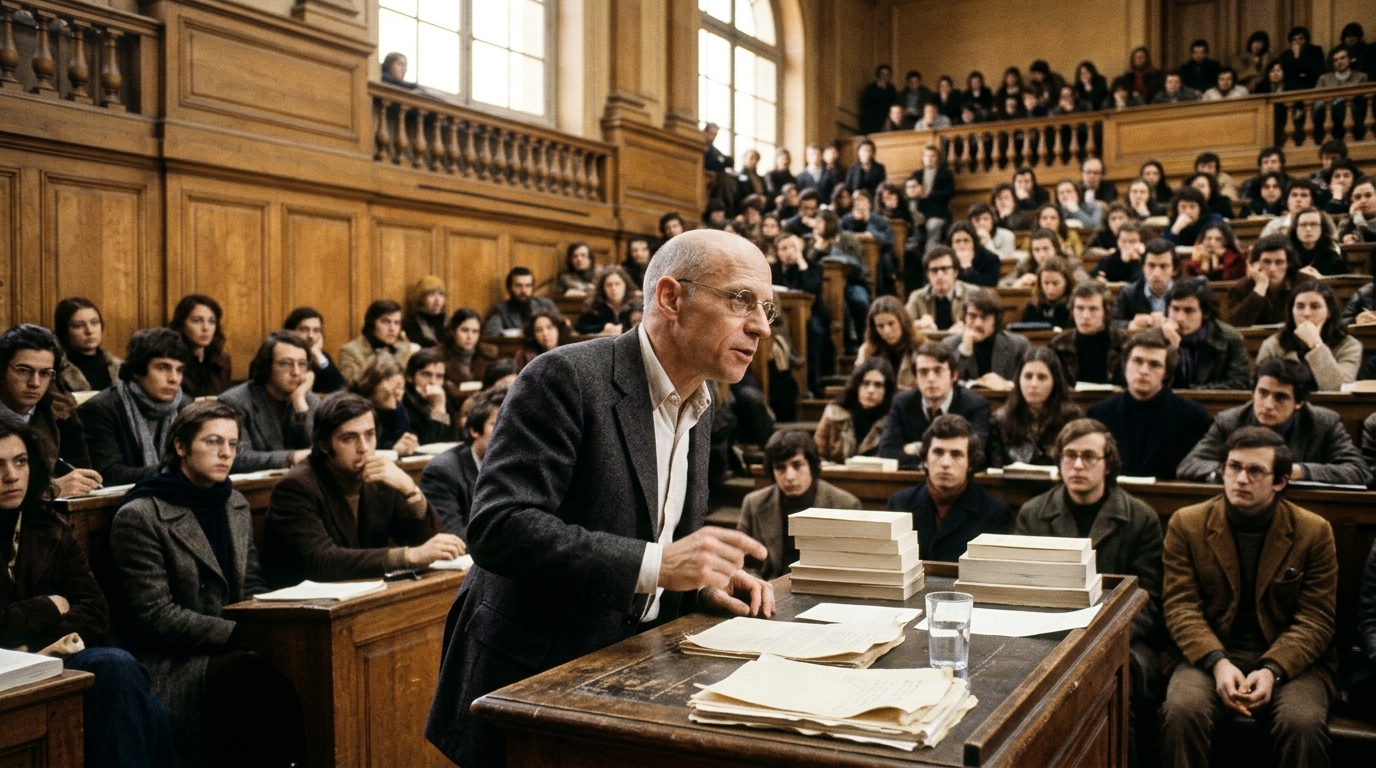
The Collège de France’s centenary program returns to the chair in the History of Systems of Thought, which Foucault held from 1970 until his death in 1984. Publication of his lectures from those fourteen years was completed in 2015, so the institution’s current work builds on a course record that is now complete in print.
The program’s events included “Présences de Foucault” lectures and seminars in May 2026, followed by the international “Foucault Without Borders” conference in June. Both draw on archival material, including previously unpublished manuscripts and recordings.
That mix matters for readers. A printed lecture shows the argument, but a recording shows the delivery, including the pace, the pauses and the way ideas were tested in front of an audience. Comparing the two lets you see how a course was built in real time.
Critics Ask Where Foucault’s Work Falls Short
Critics’ questions depend partly on which texts a reader checks. Foucault’s posthumous corpus includes 13 Collège de France courses, and his 1966 to 1967 public lectures at the University of Tunis were in press at the time of the Penn symposium. Those lectures and courses give you a way to test a claim of omission against the record. If a topic never appears in the courses, that absence is easier to judge than one based on memory.
Fassin’s critique is an argument about what Foucault did not address, so the first step is to separate silence from the limits of the moment in which he worked. You can ask whether a gap reflects a choice, an inherited framework or a blind spot.
The aesthetics-of-existence volume asks a different question of the same work. If self-government and self-fashioning are the central ethical theme, then critics want to know whether that theme can speak to collective struggle or whether it stays focused on the individual.
The youth books take a more personal route. Accounts of Foucault’s years in Poitou and his family’s property at Le Piroir can show where his interests began, but they do not by themselves decide whether his later silences were principled or accidental.
Foucault’s Writing on Iran Returns to Print

According to a Le Monde review, a 2026 book gathers his writings on the Iranian Revolution from September 1978 to February 1979.
The volume does not stop at those articles. It also includes related documents, responses, fragments, letters and interview notebooks, so you can follow the material around the reporting as well as the published pieces themselves.
That layering matters. Foucault’s writing on Iran was political journalism, produced in real time about an event outside France. The surrounding material offers a more direct view of his engagement than his theoretical books usually provide, and it lets you see the pieces alongside the exchanges they produced.
The book’s title frames the episode as an archaeology of an illusion. That phrase asks you to look beneath the enthusiasm and examine the assumptions that shaped it. It also reopens questions about his political journalism: was his reading of a distant upheaval sound, and how did his distance from the ground affect what he could see?
Symposium Papers and Posthumous Lectures Reach Readers
Penn Libraries reported in September 2026 that Foucault’s posthumous corpus includes 13 Collège de France courses, giving readers a concrete body of lectures to consult beyond his published books. The count was part of the programming around “The Foucault Century,” a two-day public symposium held at the University of Pennsylvania on September 24 and 25, 2026.
The symposium marked two anniversaries at once: Foucault’s centenary and the 50th anniversary of the first volume of The History of Sexuality. That pairing gave the event a focus that a birthday alone could not provide, since the book shaped debates about power, sexuality and the body.
Some material is still on its way to print. Foucault’s 1966 to 1967 public lectures at the University of Tunis were in press at the time of the symposium. Those lectures show him speaking to a different audience at a different stage of his career, before the courses that the Collège de France later published.
For a reader, the practical lesson is to start with the sources themselves. A lecture transcript shows how an argument was built, and the Tunis material, once it appears, will add another layer to that record.
Visiting the Collège de France Exhibition Before Winter
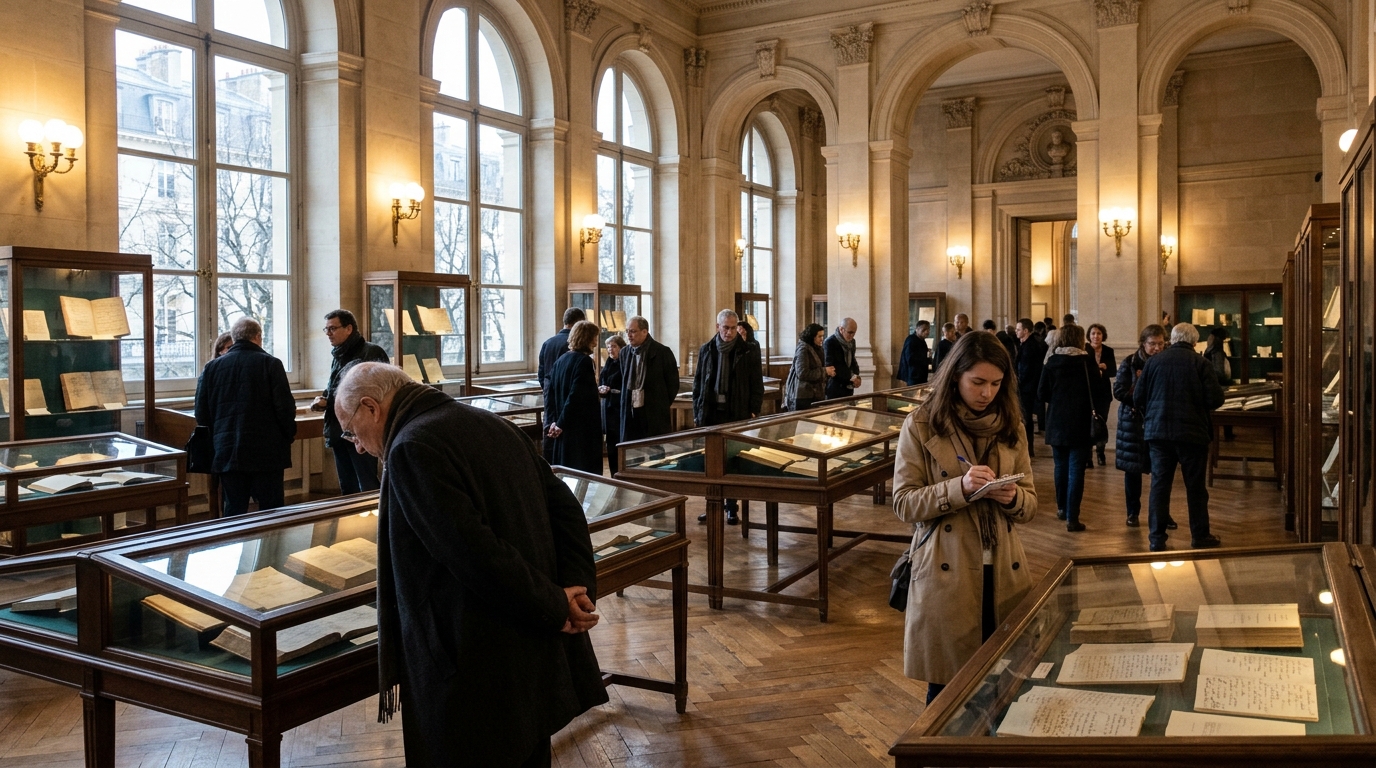
If you want to see the exhibition before winter, the Collège de France’s centenary show is free and open from September 30, 2026, through January 15, 2027. Its exhibition page lists general opening hours of Monday through Friday, 9 a.m. to 6 p.m., so weekday mornings or late afternoons are the most practical times to plan around.
Accompanied secondary-school and university groups can book free 45-minute guided tours, which suit a class or seminar that wants to work through the material together. Individual visitors who want a guide should confirm availability before they travel.
The lecture series gives you a second route into the same material. Five free public lectures run from September 22 to December 15, 2026, so you can hear an argument in a talk and then look at the manuscripts or recordings behind it. The exhibition’s closing date leaves room for a second visit once the lecture series has ended.
What the Centenary Leaves Open for Readers
If you are deciding where to begin, pick one question and follow it through the material. Choose a single theme, such as Didier Fassin’s charge of omissions or the idea of an aesthetics of existence, and note every passage in the Collège de France courses that touches it. A simple two-column page works well: on the left, what Foucault wrote; on the right, where critics say he fell short.
If you are in Paris, plan your visit with that question in hand. Bring your list of passages to the exhibition so that the manuscripts and recordings test your reading rather than your memory. If you are reading from home, start with one published lecture rather than a commentary on it. A commentary tells you what to conclude, while a lecture lets you judge the argument as it was delivered, step by step.