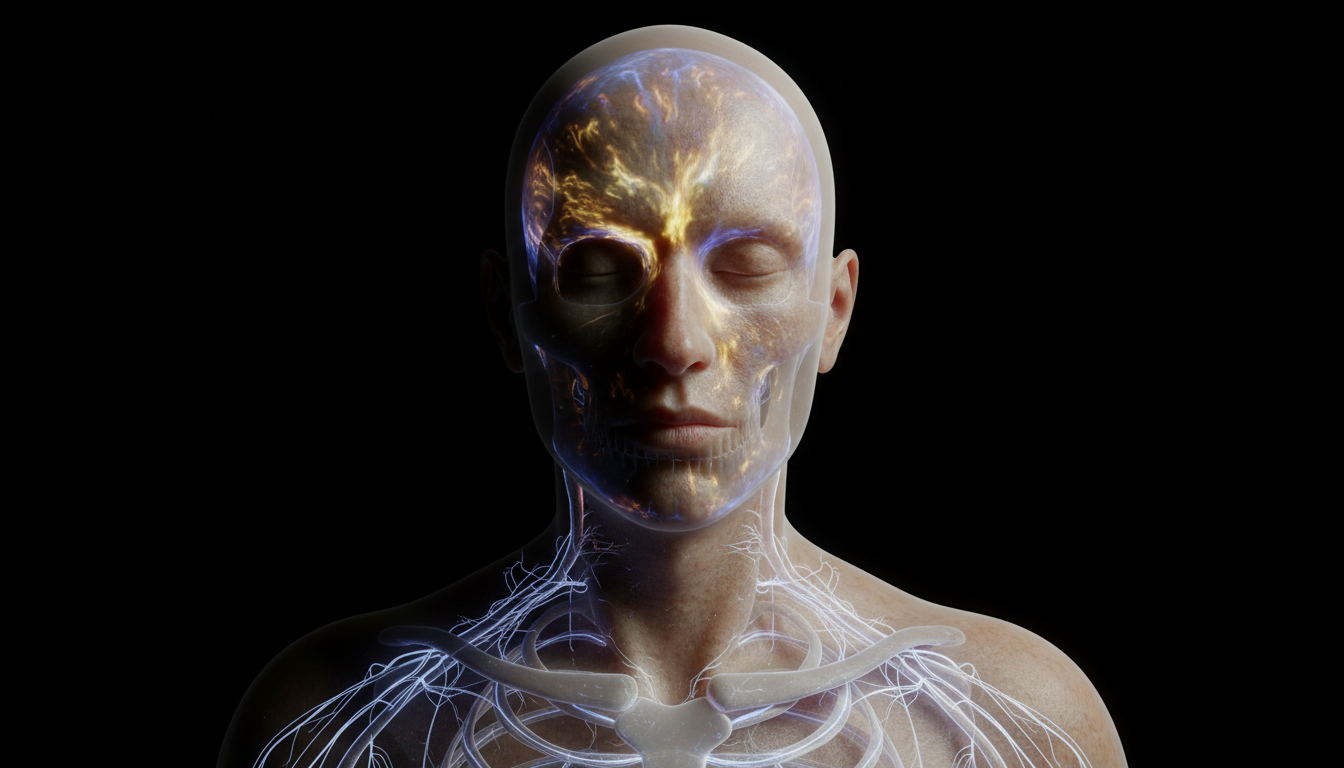
Have you ever wondered if your deepest beliefs, memories, and sense of self are simply the result of neurons firing in your skull? To understand what is neurophilosophy, you have to look at the intersection where the hard data of brain science meets the ancient questions of the human soul. Coined by Patricia Churchland, this field operates on the bold premise that the mind is quite literally what the brain does. It challenges you to rethink everything you know about consciousness by replacing abstract speculation with biological evidence.
By bridging the gap between the intangible mind and the physical brain, neurophilosophy offers you a more rigorous way to explore human nature. You might find yourself questioning folk psychology, those everyday concepts like desires or intentions, and considering whether they will eventually be replaced by a more precise chemical language. Whether you are examining how brain mapping defines your identity or critiquing the logic of modern laboratory methods, this discipline positions you at the cutting edge of how we define the self.
Key Takeaways
- The mind is not a separate, ethereal entity but is literally what the brain does, meaning all thoughts and emotions are the direct result of biological processes like neural firing.
- Folk psychology—the everyday language of beliefs and desires—is an outdated framework that will eventually be replaced by a more precise vocabulary of neurochemistry and synaptic plasticity.
- Neurophilosophy bridges the gap between abstract inquiry and empirical data by using neuroscientific findings to solve ancient philosophical puzzles regarding consciousness and identity.
- A critical distinction exists between neurophilosophy, which uses brain data to answer philosophical questions, and the philosophy of neuroscience, which critiques the methods and logic used in scientific research.
Patricia Churchland And The Birth Of Neurophilosophy
When you think about your thoughts, do you imagine them as ethereal whispers or as the physical firing of neurons? In 1986, Patricia Churchland revolutionized this inquiry by coining the term neurophilosophy and bridging the gap between the intangible mind and the biological brain. Her work challenged centuries of traditional dualism, which suggested that the mind and body were separate entities. By introducing the hypothesis that the mind is simply what the brain does, she moved the conversation from the armchair of the philosopher to the laboratory of the scientist. You can now see this shift as the moment philosophy gained the power of empirical evidence.
This interdisciplinary approach invites you to look at ancient questions through the lens of modern brain scans and neurobiology. Instead of relying solely on folk psychology, which uses everyday terms like beliefs or desires, neurophilosophy encourages you to explore how physical structures create your sense of self. You might find it fascinating that concepts like eliminative materialism suggest our common language for mental states may eventually be replaced by more accurate neuroscientific descriptions. This does not diminish the human experience, but rather provides you with a more precise map of how your consciousness actually functions.
As you explore this field, you will discover that it functions as a two way street between logic and biology. While neurophilosophy proper uses data to solve philosophical puzzles, the philosophy of neuroscience critiques the methods and theories used by scientists today. This rigorous framework ensures that as we map the brain, we are also asking the right questions about what that data means for human nature. By positioning yourself at this intersection, you are engaging in one of the most sophisticated intellectual discourses of our time. You are no longer just wondering about the soul, but are actively uncovering the biological architecture of your own existence.
Eliminative Materialism And The Death Of Folk Psychology
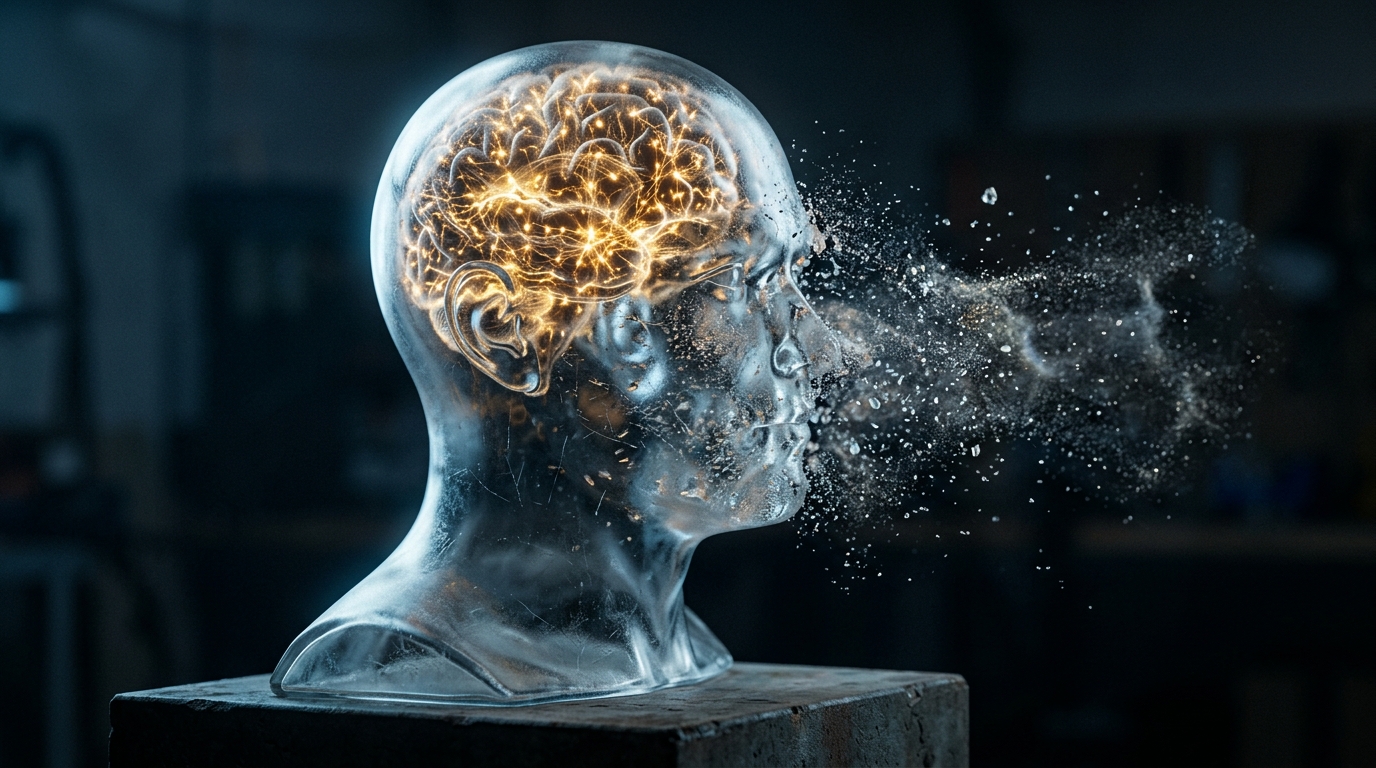
Eliminative materialism proposes a radical shift in how you understand your internal world by suggesting that your common sense concepts of the mind are fundamentally flawed. You likely use terms like beliefs, desires, and fears to explain your behavior every day, a framework philosophers call folk psychology. This theory argues that these mental states do not actually exist as distinct physical entities within the structures of your brain. Instead, as neuroscience advances, these traditional labels may be revealed as outdated myths similar to how ancient cultures used spirits to explain the weather. You are invited to imagine a future where the language of the soul is entirely replaced by the precise data of cellular biology.
When you look at a brain scan, you see neural firing patterns and chemical gradients rather than literal hopes or intentions. This perspective suggests that your current psychological vocabulary is a simplified tool that will eventually be discarded in favor of a more accurate neurobiological map. Rather than saying you feel a sense of longing, you might one day describe a specific state of synaptic plasticity or a localized hormonal surge in your hypothalamus. This transition represents the death of folk psychology, moving your self-conception from a mysterious collection of thoughts to a sophisticated biological machine. It challenges you to consider if you are comfortable defining your identity through neurochemistry rather than subjective experience.
Bridging the gap between the intangible mind and the physical brain requires you to embrace a more rigorous scientific standard for human nature. By moving away from subjective descriptions and toward objective measurements, you gain a clearer understanding of how consciousness actually functions. This shift does not diminish your humanity, but rather provides you with a more authentic account of the mechanisms that drive your every action. You are standing at the threshold of a new intellectual era where the mysteries of the mind are solved through the lens of the microscope. Embracing this change allows you to participate in a sophisticated discourse that aligns traditional philosophy with the cutting edge of modern science.
Intertheoretic Reduction From Synapses To Self
Neurophilosophy invites you to reconsider the traditional boundaries between your subjective experiences and the physical architecture of your brain. By applying the rigorous data of modern neuroscience to ancient philosophical questions, this field suggests that your thoughts, emotions, and sense of agency are not mystical phenomena but biological functions. You can think of it as a bridge connecting the abstract world of the mind with the tangible mechanics of neurons and synapses. This approach moves beyond mere speculation, using brain scans and biochemical research to ground our understanding of human nature in empirical reality.
When you look at how high-level psychological states are mapped onto physical processes, you are witnessing the power of intertheoretic reduction. This concept suggests that complex concepts like your personal identity or the way you store memories can eventually be explained through the language of synaptic plasticity and neural firing patterns. Instead of relying on folk psychology to describe your inner life, you can begin to see how specific cellular changes actually constitute the essence of your experiences. This transition does not diminish the beauty of your consciousness, but rather provides a more precise and scientifically grounded map of who you are.
As you explore this discipline, you will find that it challenges the long-held intuition that the mind-body problem is a separate entity from the body. By adopting the foundational hypothesis that the mind is simply what the brain does, you gain a more integrated perspective on human existence. This perspective allows you to engage with contemporary intellectual discourse by viewing your daily life through the lens of both philosophical inquiry and biological discovery. Embracing this shift helps you understand the complex relationship between your physical brain and the profound sense of self that defines your journey through the world.
Neurophilosophy Versus The Philosophy Of Neuroscience
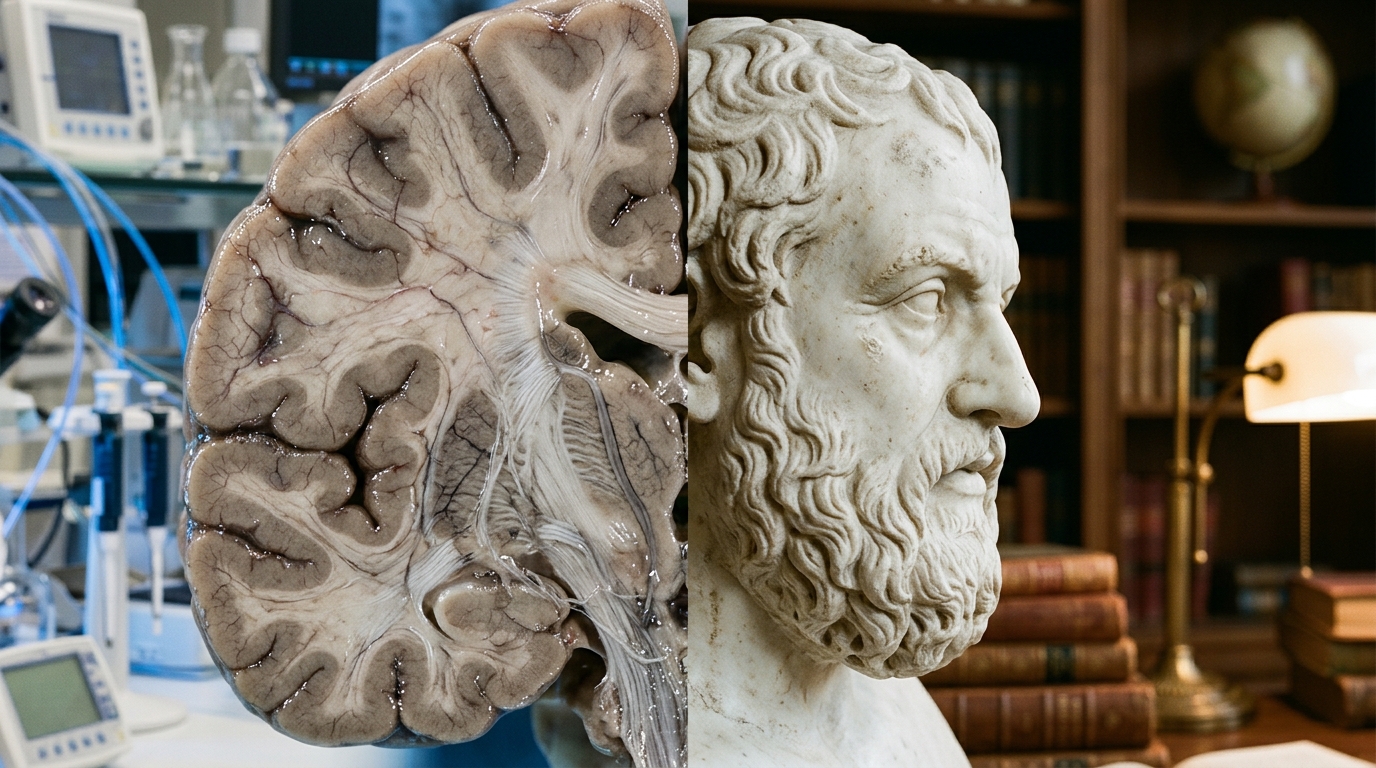
When you explore the intersection of the mind and the brain, you will find that neurophilosophy acts as a bridge between abstract thought and physical data. This approach focuses on using actual neuroscientific findings to solve or reframe age-old philosophical puzzles about consciousness and the self. If you have ever wondered how a cluster of neurons can produce a sense of identity, you are engaging in neurophilosophy. It treats the brain as the primary source of evidence for understanding human nature. By applying brain mapping and imaging to classical debates, this field aims to modernize our understanding of the intangible mind.
In contrast, the philosophy of neuroscience takes a step back to examine the scientific process itself with a critical eye. Rather than just using data, you are now evaluating the logic and methods that researchers use in the lab. This discipline asks whether the theories proposed by neuroscientists are logically sound or if their experimental designs truly measure what they claim to measure. You might find yourself questioning the validity of modular brain theories or the interpretation of complex imaging results. This critical layer ensures that the science remains rigorous and that its conclusions are not overextended.
Understanding this distinction allows you to participate in contemporary intellectual discourse with much greater clarity. You can appreciate how one side uses the brain to answer questions about the soul while the other side keeps the scientists honest about their findings. Both perspectives are essential for a sophisticated view of how biology influences our internal lives. As you learn more about these topics, you will see how these two approaches complement each other to create a fuller picture of the human experience. This duality helps you move beyond simple curiosity into a structured, expert level of thinking.
Mapping Your Mind Through Neurophilosophy
Embracing a neurophilosophical perspective allows you to view your own consciousness not as a mysterious, ethereal vapor, but as a brilliant symphony of physical processes. By grounding your self-understanding in the tangible reality of neural pathways and synaptic firing, you gain a more reliable map of your inner life. This physicalist view does not strip away the wonder of being alive, but rather adds a layer of intellectual sophistication to every thought and feeling you experience. You begin to see your beliefs and emotions as complex biological events that can be studied, understood, and appreciated through the lens of modern science.
This exploration into the mechanics of the mind empowers you to engage with contemporary intellectual discourse at a much deeper level. Instead of relying on outdated metaphors for the soul, you can now interpret your personal identity through the fascinating data provided by brain scans and cognitive research. Understanding that the mind is what the brain does provides you with a sense of agency and clarity in an increasingly complex world. As you continue to explore how your biology shapes your reality, you will find that the bridge between philosophy and neuroscience offers an endless frontier for personal growth and discovery.
Frequently Asked Questions
1. What exactly is neurophilosophy?
Neurophilosophy is a field that sits at the intersection of neuroscience and philosophy, exploring how the physical brain creates your sense of self. It operates on the premise that your thoughts and memories are the direct results of biological processes like neurons firing in your skull. By replacing abstract speculation with empirical evidence, this discipline offers you a more rigorous way to understand human nature.
2. Who started the field of neurophilosophy?
Patricia Churchland coined the term in 1986 and revolutionized how we think about the mind. She challenged the traditional idea of dualism, which suggested that the mind and body are separate entities. Her work effectively moved philosophical inquiry from the armchair to the laboratory by using neurobiology to answer ancient questions.
3. What does it mean to say the mind is what the brain does?
This statement reflects the core hypothesis that your mental life is entirely a product of your physical brain activity. It suggests that there is no intangible soul or separate consciousness existing apart from your biological hardware. When you experience a thought or an emotion, you are actually witnessing the chemical and electrical functions of your nervous system.
4. How does neurophilosophy change how you view your identity?
It encourages you to see your identity not as an ethereal concept, but as something defined by brain mapping and biological data. This perspective helps you ground your sense of self in the physical world, using modern brain scans to explore how your personality and memories are formed. You may find that this scientific approach provides a more stable and verifiable foundation for understanding who you are.
5. What is folk psychology and why does it matter?
Folk psychology refers to the everyday language you use to describe your mind, such as desires, beliefs, or intentions. Neurophilosophy questions whether these common terms will eventually be replaced by a more precise chemical and biological vocabulary. As our understanding of the brain grows, these traditional concepts may prove to be simplified placeholders for complex neural processes.
6. Is neurophilosophy an alternative to traditional philosophy?
It is not an alternative but rather an evolution that provides philosophy with the power of empirical evidence. While traditional philosophy relies on logic and introspection, neurophilosophy adds the lens of neurobiology to test those ideas in the real world. This interdisciplinary approach allows you to explore the philosophical zombie concept to uncover the mystery of consciousness and the cutting edge of how we define the human experience.