
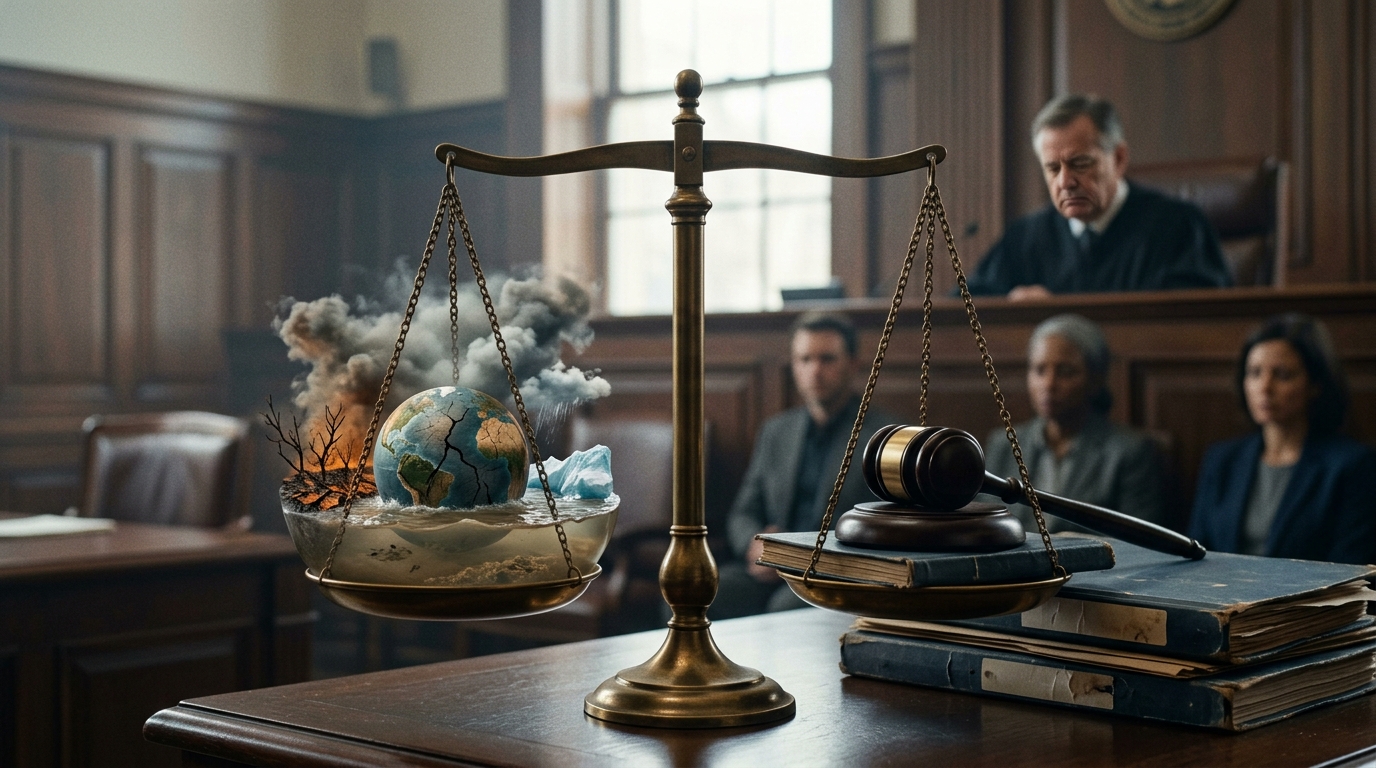
Climate reparation lawsuits in 2026 are bringing a difficult question into courtrooms: who should pay for climate harms that communities can no longer prevent? These cases may seek compensation for flooding, wildfires, storms, and rising seas, or require governments and corporations to fund adaptation and recovery. The legal field is broad, covering damages claims, human-rights actions, climate-superfund laws, and allegations that climate risks were concealed.
For you, the stakes extend beyond headline-making verdicts. The outcomes could shape who bears the cost of loss and damage, what evidence courts accept, and whether legal remedies reach the communities most affected. Understanding the claims, obstacles, and emerging approaches is essential to making sense of climate accountability in 2026.
Key Takeaways
- Climate reparation lawsuits seek more than damages: they may demand compensation, restoration, adaptation funding, emissions reductions, or stronger government protections through damages claims, human-rights actions, climate-superfund laws, and corporate-deception cases.
- Causation is the central legal challenge. Plaintiffs must connect specific emissions or conduct to measurable increases in climate-related harms using attribution science, emissions data, corporate records, and evidence of concealed risks.
- Corrective justice is reshaping climate accountability by asking whether major emitters and governments with greater historical responsibility, knowledge, and resources should help repair harms suffered disproportionately by vulnerable communities.
- The outcomes could determine who pays for loss and damage, what scientific evidence courts accept, and whether public funds, legal remedies, and adaptation support reach communities least responsible for climate change.
Introduction To Climate Reparation Lawsuits 2026
Climate reparation lawsuits have become a major legal and moral issue in 2026 because climate harm is no longer viewed solely as a future policy challenge. When floods destroy homes, wildfires damage infrastructure, or rising seas threaten communities, the question of responsibility becomes immediate and concrete. These cases ask whether those who substantially contributed to climate change should help repair the losses suffered by others, particularly people and regions with fewer resources to adapt. Recent landmark rulings have also shifted the debate toward corrective justice, the principle that those who cause or materially worsen harm may owe a remedy to those who suffer it.
The phrase “climate reparation lawsuits” covers several legal approaches rather than one category of claim. A case may seek compensation for past damage, restoration of affected land and communities, funding for adaptation, or an order requiring stronger emissions reductions and public protection. Other claims focus on alleged corporate deception, government duties under human-rights or constitutional law, or laws requiring major emitters to contribute to climate-related funds. As you examine these cases, the central issue is not simply how much money is at stake, but whether existing legal systems can turn responsibility into meaningful repair.
This makes climate litigation a test of both law and political philosophy. Courts must consider difficult questions about causation, shared responsibility, scientific evidence, fairness across generations, and the difference between legal liability and moral blame. You may also encounter international loss-and-damage claims, in which vulnerable countries seek recognition and support for harms they argue were driven largely by emissions produced elsewhere. In 2026, these lawsuits represent more than demands for payment. They ask what a fair response looks like when climate consequences are global, unequal, and already unfolding.
2026 Climate Liability And Remedies

Climate reparation lawsuits in 2026 reflect a broader shift from viewing climate change solely as a policy problem to asking who should correct the harm already suffered. In damages cases, you may see cities, states, property owners, or other claimants seek compensation from fossil-fuel companies for flooding, wildfire response, storm damage, sea-level rise, or infrastructure losses. These cases generally depend on proving causation, responsibility, and the scale of legally recognizable harm. That can be difficult when emissions come from many sources over long periods. Their underlying theory is corrective justice: parties alleged to have substantially contributed to a wrong should help restore those harmed. The remedy is usually financial, but the legal question is not simply who can pay. It is who bears responsibility for repair.
Government-focused constitutional and human-rights cases pursue a different path. They often ask courts to require stronger emissions reductions or protection for vulnerable communities rather than award damages for every past loss. You can also distinguish these claims from climate-superfund laws, which may require fossil-fuel companies to contribute to public funds supporting adaptation, disaster recovery, or climate-related infrastructure. Such laws are typically designed as funding mechanisms, so they may operate without requiring each claimant to prove the full chain of causation demanded in a traditional lawsuit. Human-rights cases frame climate harm through duties to protect life, health, property, equality, or future generations. Together, these strategies show why “reparation” can mean compensation, restoration, prevention, or collective funding.
Corporate-deception claims add another layer by alleging that companies concealed climate risks, misled consumers or investors, or promoted doubt about the consequences of fossil-fuel use. Here, the central issue may be the truthfulness of public communications and whether misleading conduct caused particular financial or physical losses, rather than emissions alone. International loss-and-damage claims raise related moral questions for countries and communities facing severe climate impacts despite contributing relatively little to historical emissions, although available forums and remedies remain contested. As you compare these cases, corrective justice offers a useful ethical lens, but it does not erase differences in evidence, defendants, legal duties, or remedies. Climate reparation lawsuits therefore describe a family of legal strategies, not one unified cause of action.
Corrective Justice In Climate Courts
Climate reparation lawsuits in 2026 reflect a shift from asking only what governments should do next to asking who should repair harm that has already occurred. Corrective justice provides the philosophical foundation for that question: when wrongful conduct contributes to injury, the responsible party may owe more than a promise to behave better. For you, this reframes climate litigation as a dispute about responsibility, loss, and fairness, not simply emissions targets or regulatory policy. Claims may seek compensation for flooding, wildfire damage, rising seas, adaptation costs, or other climate-related losses.
The difficult issue is whether present-day defendants can be held accountable for conduct that began decades ago. Plaintiffs may argue that major emitters understood the risks, continued producing or promoting fossil fuels, and contributed to foreseeable damage through cumulative emissions. Defendants, however, commonly challenge the causal chain by pointing to numerous emitters, intervening government actions, natural variability, and the long delay between emissions and injury. Courts must therefore consider not only whether the harm is real, but also whether a defendant’s contribution is legally and morally significant enough to justify repair.
These cases also test the boundaries of fairness across generations and borders. A court may find corrective justice persuasive while still limiting remedies because historical actors, current corporate entities, and present-day decision-makers are not identical. Government human-rights claims, climate-superfund laws, and international loss-and-damage demands use different legal mechanisms, yet each raises the same underlying question: who should bear the costs of a crisis that was collectively produced but unequally caused? As you follow climate courts in 2026, the central debate is whether legal responsibility can turn shared climate harm into a fair obligation to compensate, restore, or protect affected communities.
Causation And Fossil Fuel Accountability
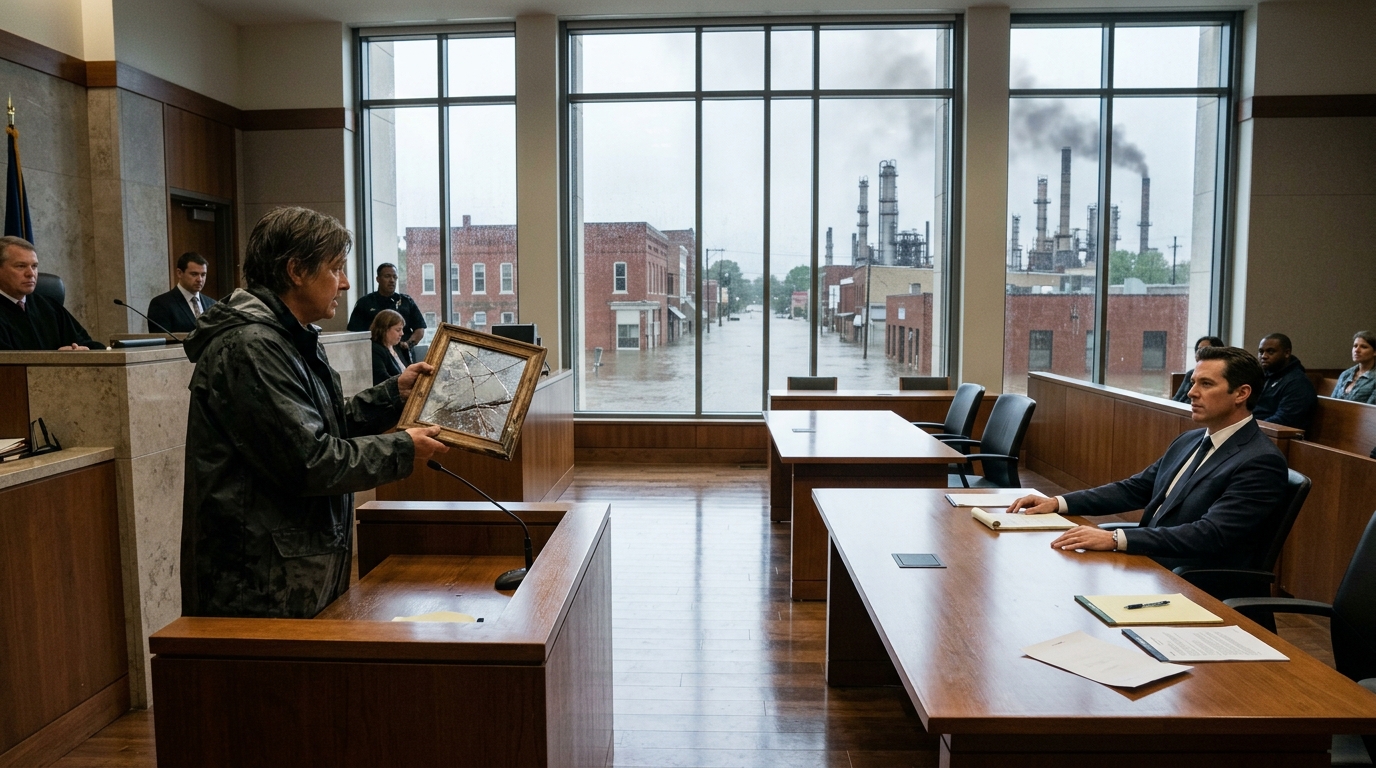
In climate reparation lawsuits in 2026, causation is the bridge between a global crisis and a defendant’s specific legal responsibility. You may see plaintiffs rely on attribution science to show how particular fossil-fuel emissions increased the probability or severity of a flood, wildfire, storm, sea-level rise, or infrastructure loss. They must still prove proximate cause, meaning that the alleged conduct was sufficiently connected to the injury for awarding a remedy to be legally fair and foreseeable. Evidence that companies understood climate risks, funded research, or allegedly helped obscure those risks can strengthen claims based on negligence, deception, or failure to warn. The deeper question concerns corrective justice: who should repair harm when private decisions produced benefits while shifting costs onto communities and future generations?
Courts also face the difficult task of dividing responsibility among governments, producers, consumers, and many historical emitters. Plaintiffs may combine physical climate models, corporate records, internal communications, public statements, emissions data, insurance losses, and engineering assessments to connect a defendant’s contribution with measurable local damage. A company may argue that its share of global emissions is too small, or that the immediate cause was a natural event. Plaintiffs may respond that a modest increase in risk can still be legally significant when it turns an extreme event into a catastrophe. This makes disclosure especially important because alleged public deception may have delayed adaptation, weakened political action, or encouraged continued reliance on high-emission products. As these cases develop, you are seeing courts test whether traditional ideas of fault and causation can deliver meaningful accountability for harms created collectively.
Global Loss And Damage Claims
Climate reparation lawsuits in 2026 increasingly ask more than who must pay. They ask whether those who contributed most to climate change owe corrective duties to people who contributed least but suffer the greatest losses. In domestic courts, affected communities may seek compensation for floods, wildfires, storms, rising seas, or adaptation costs, while constitutional and human-rights claims may demand stronger government protection. As you assess these cases, the key philosophical shift is from treating climate harm as an unavoidable policy problem to examining whether justice requires wrongdoers to repair, restore, or meaningfully acknowledge the damage.
Cross-border claims face formidable legal barriers even when the moral case appears compelling. Courts may question whether plaintiffs have standing, whether a particular emitter caused a specific loss, and whether domestic law can govern conduct and injuries spanning several countries. Sovereign immunity can shield governments from damages claims, while jurisdictional rules may prevent vulnerable communities from bringing cases where major emissions or corporate decisions occurred. These obstacles expose a difficult equity question: should strict legal boundaries determine responsibility when climate harms and historical emissions have never respected national borders?
International forums and climate-superfund models offer another route by seeking adaptation support, compensation, or contributions to public funds rather than requiring one victim to prove every causal link. Such approaches can recognize losses that money cannot fully restore, including displacement, cultural destruction, lost livelihoods, and deaths, while distributing responsibility according to emissions, capacity, or benefits from fossil-fuel development. Yet you should also consider who controls these funds, which communities qualify, and whether payments create genuine repair or merely substitute for deeper changes in energy and governance. The emerging debate therefore combines legal strategy with corrective justice, asking not only what remedy is available, but what fairness requires in a crisis created unequally and experienced collectively.
Conclusion On Climate Reparation Lawsuits 2026
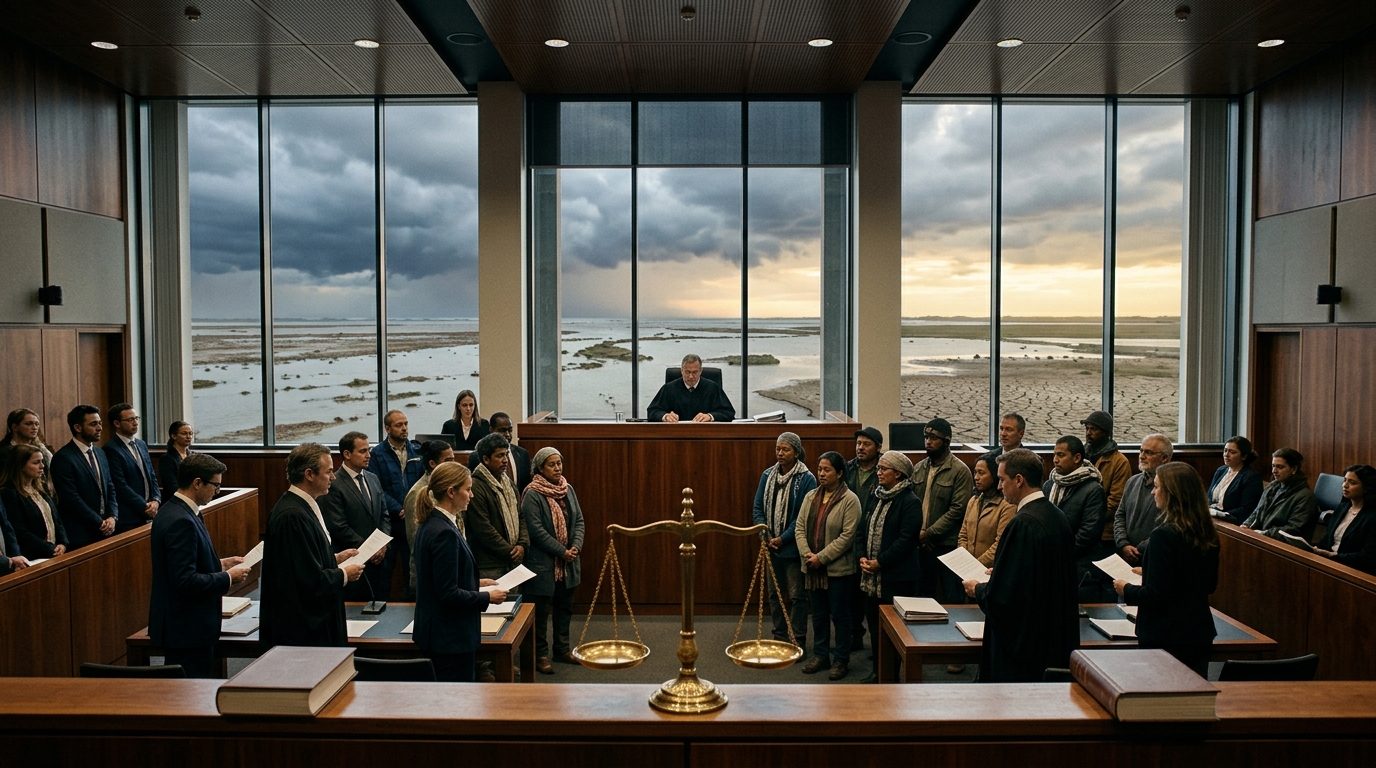
Climate reparation lawsuits in 2026 show how climate litigation is expanding beyond questions of emissions policy and into corrective justice. You can see this shift in claims seeking compensation for flooding, wildfires, sea-level rise, infrastructure damage, and other losses linked to fossil-fuel production or government decisions. Court-ordered reparations remain rare because plaintiffs must connect particular conduct to specific harms across a global and constantly changing climate system. Courts must also decide whether existing legal rules can address injuries that are widespread, cumulative, and shared across generations.
Human-rights and constitutional cases may establish stronger duties to reduce emissions or protect vulnerable communities than direct damages awards. Climate-superfund measures and public loss-and-damage programs can spread costs more broadly, but they still raise difficult questions about who should pay and how funds should be distributed. For you, the key tension is that scientific evidence may establish substantial contribution without identifying one defendant as the sole cause of a particular disaster. Legal systems built around individual responsibility therefore struggle when responsibility is real but divided among governments, corporations, consumers, and historical patterns of development.
The deeper issue is not simply whether courts can calculate climate losses, but whether they should transform moral responsibility into enforceable legal liability. A wealthy country or company may have contributed disproportionately to historical emissions, while the people seeking relief may live far away and have contributed very little to the problem. That overlap between legal liability, historical injustice, and global inequality makes climate reparation lawsuits in 2026 a test of corrective justice as much as a test of procedural law. As litigation continues, courts and societies must decide how responsibility should be assigned when no single actor caused the harm, but some actors clearly had greater power, knowledge, and capacity to prevent it.
Climate Lawsuits Turn Accountability Into Repair
Climate reparation lawsuits in 2026 show how climate accountability is moving beyond environmental policy and into corrective justice. As you assess these cases, you will see several legal pathways, including compensation claims for flood, wildfire, and infrastructure losses, constitutional or human-rights actions, climate-superfund laws, and cases alleging corporate deception. Their common question is whether those who contributed substantially to climate harm should help repair the losses suffered by communities with far fewer resources. Courts must still resolve difficult issues involving causation, responsibility, jurisdiction, and the scale of appropriate remedies.
The deeper significance is philosophical as well as legal. Corrective justice asks you to consider whether fairness requires restoring people, communities, or states after wrongful or disproportionate harm, rather than treating climate damage as an unavoidable cost of development. Recent landmark rulings have strengthened that conversation, even when they do not award direct compensation, by clarifying governments’ duties to protect vulnerable people and address foreseeable risks. Climate reparation lawsuits in 2026 may not produce one universal remedy, but they are reshaping how responsibility, equity, and repair are understood in the climate crisis.
Frequently Asked Questions
1. What are climate reparation lawsuits in 2026?
Climate reparation lawsuits in 2026 seek legal remedies for harm linked to climate change, including flooding, wildfires, extreme storms, rising seas, and related losses. Depending on the case, you may see claims for financial compensation, restoration of damaged communities, adaptation funding, or stronger measures to prevent further harm.
2. Who can bring a climate reparation lawsuit?
Potential claimants include individuals, families, Indigenous communities, local governments, businesses, and environmental organizations, depending on the law and court involved. To proceed, you generally must show a legally recognized injury, a connection to the defendant’s conduct, and a remedy that the court has authority to grant.
3. Who can be sued for climate-related harm?
Defendants may include governments, fossil-fuel companies, energy producers, manufacturers, insurers, or other organizations accused of causing, worsening, or concealing climate risks. Responsibility is not automatic because courts examine each defendant’s contribution, conduct, legal duties, and connection to the specific harm.
4. What remedies can you seek in a climate reparation lawsuit?
A lawsuit may seek compensation for property damage, health effects, lost income, relocation, cultural losses, or recovery costs. You may also see requests for land restoration, adaptation funding, public safety measures, emissions reductions, or disclosure of climate-related information.
5. How do you prove that a defendant caused climate damage?
You generally need scientific evidence linking emissions or other conduct to a measurable increase in the risk or severity of the harm you experienced. Courts may consider attribution studies, historical emissions data, climate modeling, company records, government reports, and evidence showing that the defendant knew or should have known about the risk.
6. What are the main legal obstacles in climate reparation cases?
The biggest obstacles often include proving causation, establishing standing, meeting time limits, overcoming jurisdictional barriers, and showing that the requested remedy is legally available. Defendants may also argue that climate change has many contributors, that lawmakers should resolve the issue, or that the alleged harm is too broad or indirect for a court to address.
7. How do human-rights claims, climate-superfund laws, and deception cases differ?
Human-rights claims focus on duties to protect life, health, home, culture, and other fundamental rights, especially for vulnerable communities. Climate-superfund laws may require major emitters to contribute to public recovery or adaptation costs, while deception cases allege that companies misled the public, investors, or consumers about climate risks.
8. Why could climate reparation lawsuits matter beyond individual verdicts?
These cases could influence who pays for loss and damage, what scientific evidence courts accept, and whether communities can obtain meaningful recovery. They may also encourage governments and corporations to disclose risks, strengthen adaptation planning, reduce emissions, and address the unequal burden carried by people with the fewest resources.