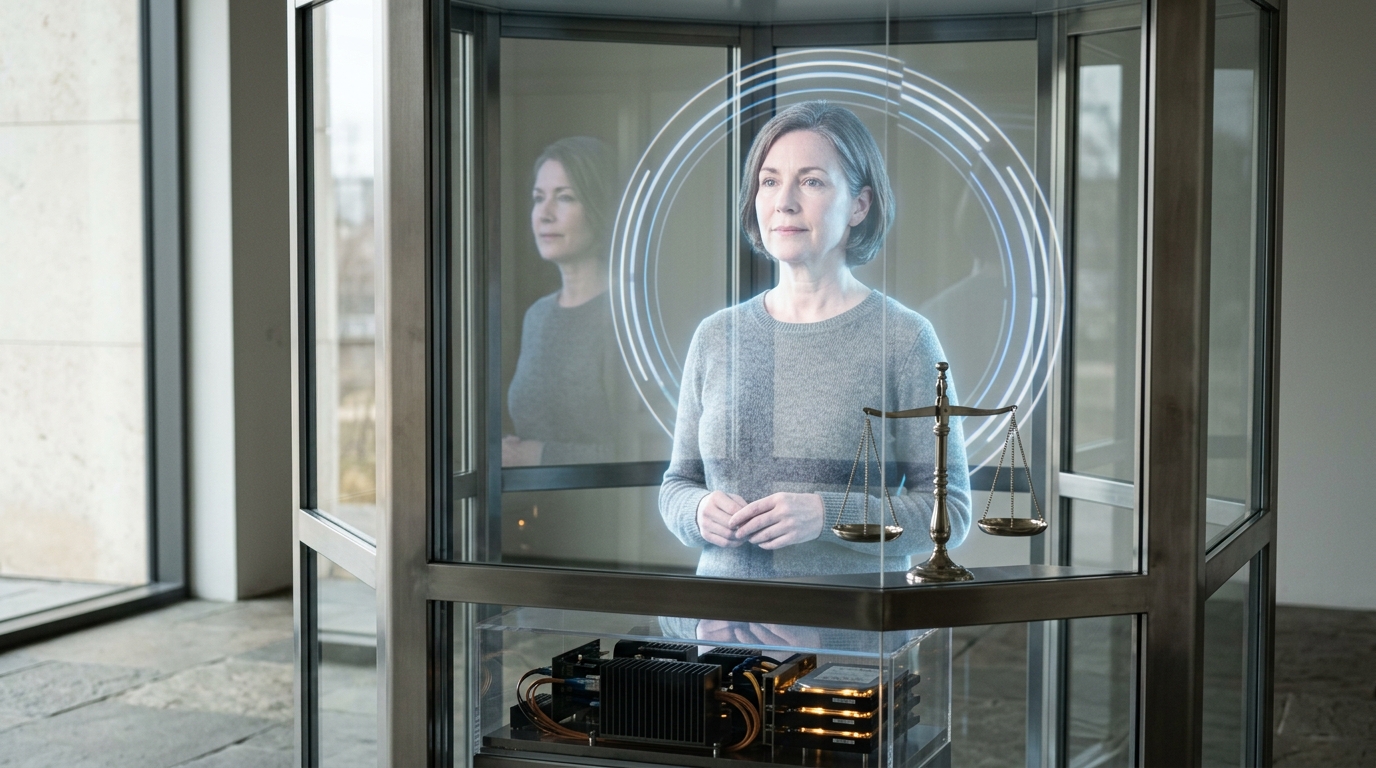
Your online presence does not simply disappear when you die. It can remain in accounts, cloud files, cryptocurrency, social profiles, and AI-generated memories. Digital afterlife service regulations determine who may access, preserve, delete, or recreate these digital traces, yet no single global framework governs them. Instead, you must navigate a complex patchwork of estate law, privacy rules, platform policies, intellectual property rights, and emerging AI requirements.
That uncertainty matters whether you are planning your own digital legacy, managing a loved one’s accounts, or evaluating a memorial service or digital avatar. The legal questions extend beyond ownership to include consent, identity, emotional harm, commercial use, and the right to control a person’s likeness after death. Understanding the rules can help you protect your wishes, reduce family disputes, and make more responsible decisions about what should, and should not, live on.
Key Takeaways
- Digital afterlife rights are governed by a patchwork of estate law, privacy rules, platform policies, intellectual property, publicity rights, and emerging AI regulations—not one global framework.
- RUFADAA and similar laws can help fiduciaries manage digital assets, but access is not automatic; clear estate instructions, platform procedures, passwords, recovery keys, and cryptocurrency information are essential.
- Deadbots and digital clones require specific, informed, documented consent, clear disclosure that they are artificial, limits on commercial use, secure data handling, and accessible deletion or shutdown options.
- A convincing replica is not necessarily a continuation of a person’s consciousness or identity, so digital-legacy planning should distinguish between preserving memories, creating private memorials, and authorizing synthetic voices, likenesses, or public statements.
Introduction To Digital Afterlife Regulations
Digital afterlife services help you manage what remains of your online life after death. They may administer accounts, preserve or delete cloud files and cryptocurrency, maintain memorial platforms, or create digital archives for family and friends. More advanced systems, often called deadbots or griefbots, can imitate your voice, writing style, memories, or conversational patterns. Digital clones and commercial posthumous replicas go further by presenting an artificial version of your appearance or identity in entertainment, advertising, or other paid settings.
Early 2026 consumer-protection laws addressing deadbots and digital clones make this an especially important time to reconsider what permission should mean after death. These rules are developing within a broader patchwork of estate law, privacy protections, publicity rights, copyright, platform policies, and AI transparency requirements, rather than within a single global framework. As you plan ahead, you may need to decide who can access your accounts, who owns your digital creations, and whether anyone may reproduce your likeness or voice. You also need to consider whether consent given during your lifetime should cover uses you could not have anticipated.
At the heart of these questions is a familiar philosophical problem: what makes you the same person over time? A memorial page may preserve information about you, while a digital clone may appear to speak as you, but neither necessarily possesses your consciousness, intentions, or inner experience. That distinction matters when families, platforms, and businesses decide whether a digital representation honors your identity or merely imitates it. Understanding digital afterlife regulations can help you set clearer boundaries around privacy, ownership, consent, and the identity you leave behind.
RUFADAA And Digital Estate Access

RUFADAA, the Revised Uniform Fiduciary Access to Digital Assets Act, gives you a framework for planning what happens to your digital property after death, but it does not create automatic or unlimited access. Adopted in many U.S. states, the law can allow an executor or other fiduciary to manage assets such as cloud files, websites, subscriptions, cryptocurrency, and some account records. Its rules often distinguish between the contents of a digital asset, such as email messages or private photographs, and basic account information. That distinction matters because privacy laws, encryption, and platform terms of service may still limit what a fiduciary can see or transfer. In practice, access usually depends on a combination of state law, your estate documents, platform procedures, and the technical ability to reach the account.
Your instructions generally carry significant weight under RUFADAA, particularly when you have used a platform’s legacy tool, named a digital representative, or addressed digital assets in a will or trust. An executor’s authority therefore does not always override a service agreement that restricts password sharing, prohibits account transfers, or requires a court order. Cryptocurrency provides a clear example: an executor may have legal authority over the asset, but without a private key, recovery phrase, or access to a properly documented wallet, that authority may be impossible to exercise. You should also remember that giving someone access to an account does not necessarily authorize them to copy, publish, or keep every message and file connected to it. Careful instructions can reduce uncertainty while preserving the privacy choices you made during your lifetime.
These limits become even more important when a service claims to recreate your voice, appearance, memories, or conversational style. RUFADAA primarily addresses fiduciary access to digital assets, not whether a deadbot or digital clone captures your identity. Newer consumer-protection rules adopted in early 2026 are pushing services toward clearer consent and disclosure practices. The legal question is therefore also philosophical: is a posthumous replica your continuing identity, or a new system built from the traces you left behind? Your consent, publicity rights, copyright interests, family claims, and the service’s promises may all shape the answer. By stating whether an AI likeness may be created, who may authorize it, and when it must be deleted, you can help ensure that your digital afterlife reflects your values rather than a platform’s assumptions.
Early 2026 Deadbot Consumer Protections
Early 2026 consumer-protection rules are beginning to address deadbots, griefbots, synthetic voices, and other digital clones, even though no single global framework governs them all. Instead, you may encounter a patchwork of AI transparency requirements, estate law, privacy rules, publicity rights, and bans on deceptive commercial practices. For a service offering a posthumous simulation, clear disclosure is becoming essential. You should be told when you are interacting with an AI reconstruction rather than the deceased person, and whether the system generates new statements, memories, or opinions. These rules reflect a basic philosophical problem: if a system sounds like someone you lost, does resemblance create identity, or only the impression of it?
Authorization standards also place greater weight on who gave permission and when. You may authorize a synthetic voice or avatar during your lifetime, while an estate representative or family member may control certain data after your death, but those permissions are not necessarily interchangeable. Providers may need specific, documented consent for training data, voice replication, likeness, ongoing conversations, and commercial uses instead of relying on broad terms buried in a contract. Presenting a simulation as an authentic continuation of the deceased person, concealing its artificial nature, or using grief to pressure a customer into recurring payments could trigger restrictions on deceptive practices.
You can also expect stronger controls over the information that makes a digital clone convincing, including deletion rights, limits on secondary uses, security obligations, and procedures for withdrawing authorization where the law permits. Services may have to explain how they store messages, recordings, photographs, and inferred personal traits, particularly when those materials include living relatives. Remedies could include refunds, contract cancellation, correction notices, damages, regulatory penalties, or orders to stop a misleading service. In practical terms, these protections encourage providers to treat a digital afterlife not as ownership of a person, but as a carefully bounded representation whose identity claims, emotional impact, and continuing data use require ongoing accountability.
Consent For Digital Clones
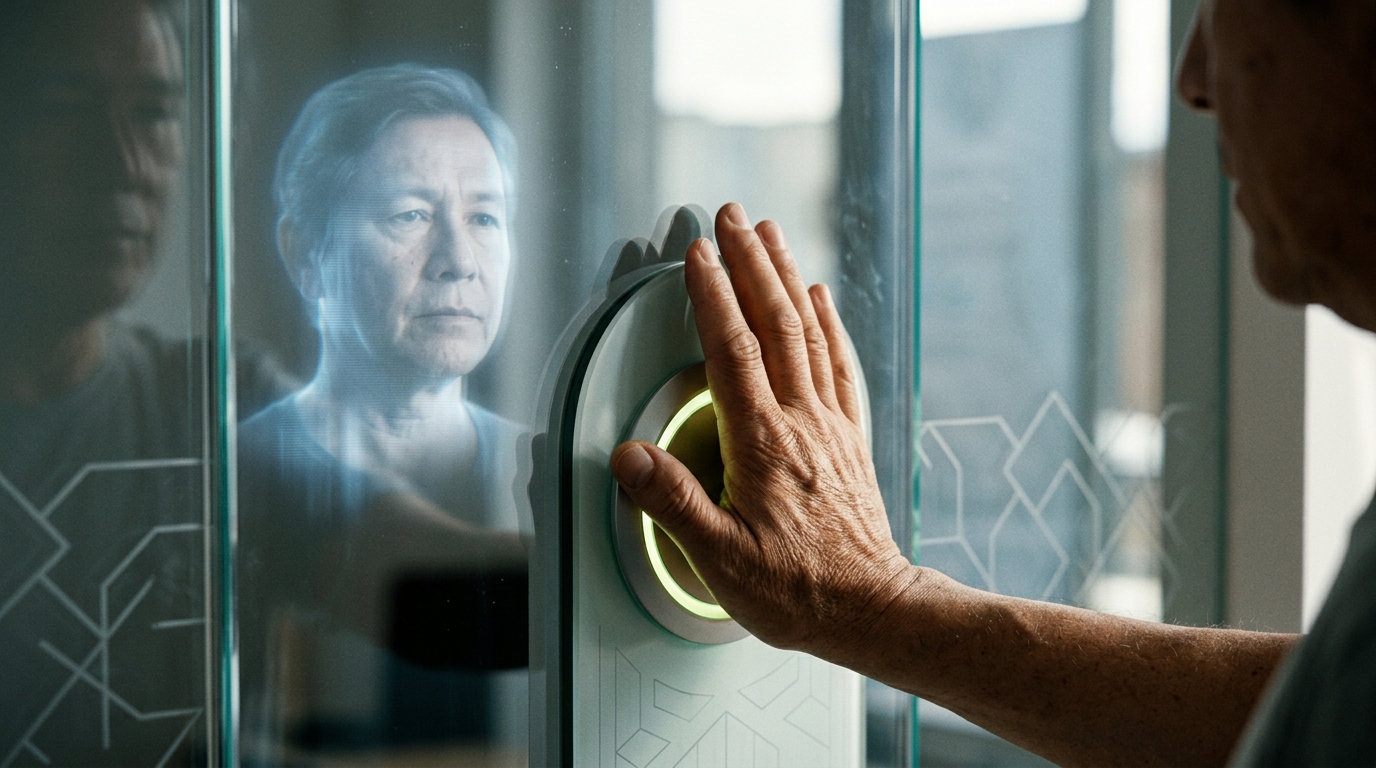
Consent for a digital clone is not a simple yes-or-no question because a replica may combine your memories, personality, voice, likeness, and legally owned digital files. Recent consumer-protection laws enacted in early 2026 increasingly require clearer disclosure when a service creates or operates a deadbot, but disclosure does not always answer who had the right to authorize it. You might agree during your lifetime to preserve family stories, yet that permission may not clearly cover an avatar that speaks in your voice, makes new statements, or appears in advertising after your death. The deeper philosophical issue is whether identity resides in remembered experiences, recognizable personality traits, bodily likeness, or the continuing legal interests attached to your estate.
Family members may feel entitled to approve a replica because they supplied memories, paid for the service, or bear the emotional consequences of its use. An executor or other estate representative, however, may control property rights, contracts, and certain digital assets without having unlimited authority over intimate personal traits. A platform may also claim ownership of the software, stored conversations, or uploaded training materials, while you or your estate retain separate rights in your name, image, voice, or creative work. These overlapping claims can produce a troubling result: someone may have technical access to a model without having meaningful moral or legal permission to make it speak for the deceased.
The safest consent rules therefore treat permission as specific, informed, and revocable where possible, rather than assuming that one broad agreement governs every future use. You should be able to distinguish between preserving memories for private remembrance, generating a conversational memorial, and creating a commercial performance or public statement. Estate documents can identify who may make decisions, but they should also state whether that authority ends at preservation or extends to new synthetic content. As digital afterlife regulations develop, the central question will remain whether a clone is merely property, a portrait of a person, or a continuing social presence that deserves safeguards beyond ordinary ownership.
Personhood After Posthumous Simulation
A deadbot forces you to ask what, exactly, survives when a person’s data is used to recreate their voice, memories, or conversational style. It may feel like the person has returned, yet a convincing performance is not necessarily a continuation of the original mind, especially if consciousness, memory, and subjective experience are essential to personal identity. You might instead understand the system as a new entity, built from someone’s digital traces but shaped by software, training data, and the choices of its operators. That distinction matters because calling a simulation “the person” can blur the boundary between remembrance and replacement. It can also affect how you think about consent, dignity, and whether the deceased should be represented in ways they never approved.
New consumer-protection laws enacted in early 2026 have made these questions more urgent, even though no single global regime governs digital afterlife services. In practice, deadbots and digital clones may be subject to a patchwork of privacy rules, estate law, publicity rights, copyright, platform policies, and AI transparency requirements. Regulations that require clear disclosure can help ensure that you know when you are interacting with a simulation rather than a continuing consciousness. Rules about authorization, data use, and misleading claims may also protect families from unwanted manipulation during grief. Still, legal recognition of a replica does not settle the philosophical question of whether the system has any claim to the deceased person’s identity.
Your answer becomes especially important when a deadbot gives advice, makes statements, or appears in commercial content. If it is treated as the person, questions of posthumous dignity, liability, and family authority become central when the system causes harm or communicates something objectionable. If it is treated as a representation, responsibility may rest with the people who created, trained, or operated it. If it is treated as a new system built from personal data, you may need safeguards for its design and use without confusing it with the individual who died. Digital afterlife regulations therefore do more than govern technology. They define how society balances mourning, autonomy, accountability, and the commercial value of a person’s likeness.
Conclusion On Digital Afterlife Regulations
Digital afterlife regulations still form a patchwork rather than a single global system. Estate law may determine who can manage your accounts and digital assets, while privacy rules can limit access to personal data even after death. Consumer protections adopted in early 2026 for deadbots and digital clones add important safeguards against misleading, unauthorized, or exploitative imitations, but their reach may vary by jurisdiction and service. Intellectual property law can govern recordings, writings, images, and training materials, while publicity rights may protect your name, likeness, voice, or persona after death.
These rules overlap most clearly when an AI system recreates someone’s identity. A service might have permission to use archived messages but still face questions about copyright, family consent, platform terms, or whether its disclosures adequately explain that the interaction is synthetic. New AI transparency requirements can help you recognize when you are speaking with an imitation, yet transparency alone does not resolve the deeper philosophical question of personal identity: is a digital clone a continuation of a person, a useful memorial, or simply a convincing performance built from their traces? Your answer may depend on whether the system preserves the person’s values and stated wishes, rather than merely reproducing a familiar voice or conversational style.
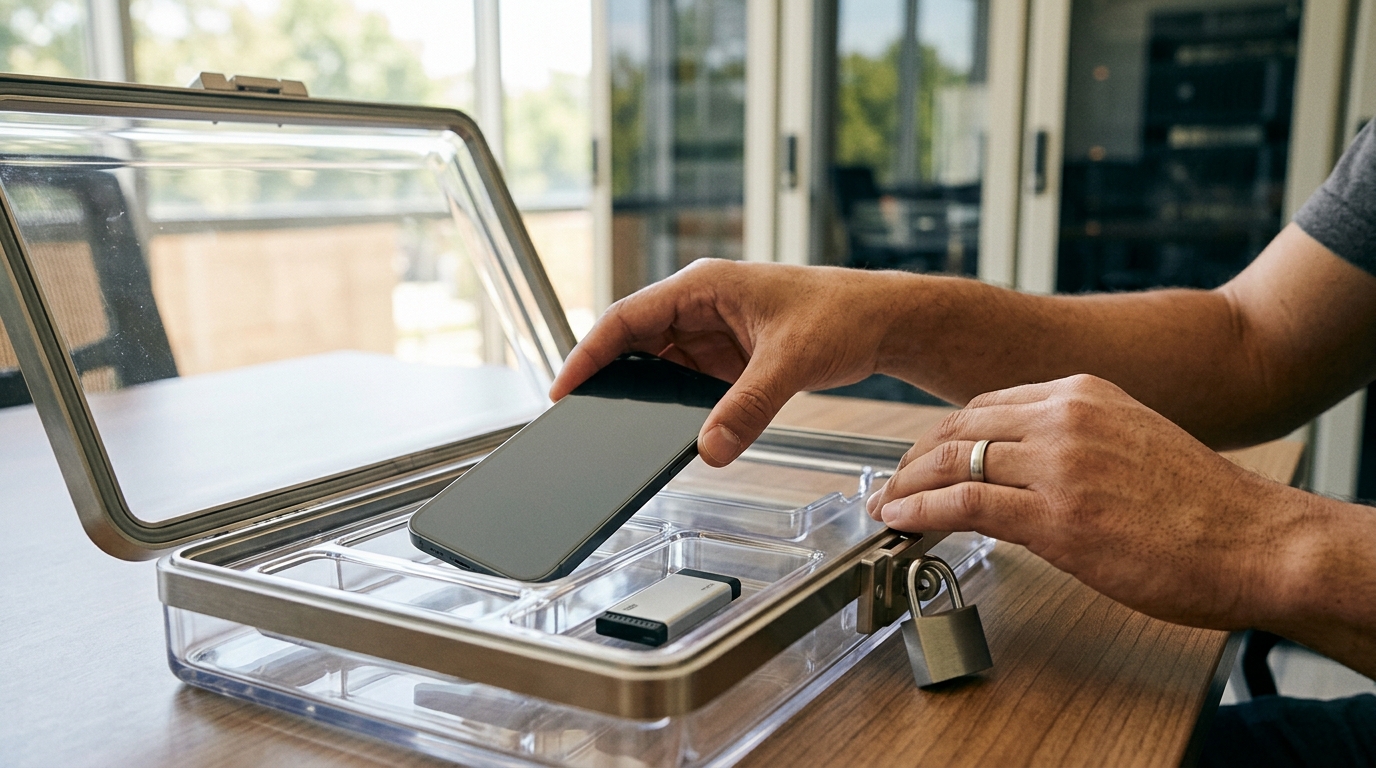
You can reduce uncertainty by creating clear digital-legacy instructions that identify who may access, preserve, delete, or transform your accounts and creative work. Explain whether you want posthumous messages, memorial archives, or AI-generated replicas allowed, and specify limits on your voice, likeness, memories, and private communications. When evaluating a digital afterlife service, look beyond promises of realism and ask whether it documents consent, protects personal data, honors revocation requests, and clearly labels synthetic content. The most responsible service should help carry out your wishes, not quietly turn your identity into a product that only appears to be you.
How New Rules Shape Your Digital Afterlife
Digital afterlife service regulations remain a patchwork rather than a single global framework. As of August 30, 2026, your digital legacy may be shaped by estate law, privacy rules, publicity rights, copyright, platform terms, and AI transparency requirements. New consumer-protection laws enacted in early 2026 regarding deadbots and digital clones reflect growing concern about consent, disclosure, impersonation, and emotionally manipulative design. Together, these rules are beginning to treat a digital replica not simply as stored data, but as a service that can affect your identity, dignity, and relationships after death.
The deeper question is whether a convincing digital clone represents you or merely imitates you. A system may reproduce your voice, memories, or conversational habits without possessing your consciousness, intentions, or subjective experience. That distinction matters because your instructions during life may not fully answer how an avatar should speak, change, or interact with grieving family members. Effective regulation therefore needs to protect both the deceased person’s identity and the living people who may rely on, communicate with, or be influenced by the replica.
You can respond to this uncertain legal environment by treating digital-afterlife planning as both an estate decision and a personal-identity decision. Clear consent, limits on commercial use, disclosure that an interaction is synthetic, secure handling of personal data, and accessible deletion or review processes can help preserve human control. Regulators will likely continue refining these safeguards as technology makes imitation more persuasive, but the guiding principle is already clear: preserving someone’s digital presence should not automatically authorize recreating their personhood. Your digital legacy should reflect your documented wishes while leaving room for the ethical limits that no technology can erase.
Frequently Asked Questions
1. What are digital afterlife service regulations?
Digital afterlife service regulations are the laws and policies governing what happens to your online accounts, files, cryptocurrency, social profiles, likeness, and AI-generated representations after your death. They combine estate law, privacy rules, intellectual property rights, publicity protections, platform terms, and emerging AI requirements. Because no single global framework exists, the rules can vary significantly by location and service provider.
2. Who can access my digital accounts after I die?
Access usually depends on your estate documents, local law, and the terms set by each platform. An executor or other authorized representative may be able to manage certain accounts, but access is not automatic, and privacy laws or contractual restrictions may limit what can be viewed or transferred. You should name a digital representative and leave clear instructions for each important account.
3. Can my family inherit cryptocurrency, cloud files, or other digital assets?
Digital assets can often be included in your estate, but transfer may require passwords, recovery keys, account-specific procedures, or legal authorization. Cryptocurrency is especially difficult to recover if private keys or seed phrases are unavailable. Keep an updated inventory and store access instructions securely, without placing sensitive credentials directly in an easily accessible will.
4. Can a company create a digital replica or chatbot of me after my death?
A company may face restrictions if it uses your name, image, voice, writing, or identity without appropriate permission. Rights of publicity, privacy laws, intellectual property rules, contracts, and newer consumer-protection laws may all apply, but protection differs by jurisdiction. To reduce uncertainty, specify whether your likeness and personal data may be recreated, by whom, for what purposes, and for how long.
5. What consent is needed to create a deadbot or digital clone?
Strong consent should be specific, informed, and documented before death, rather than inferred from general permission to use an account or service. It should identify the data used, the people or service authorized to operate the system, permitted purposes, safeguards, compensation, and deletion or shutdown rights. Emerging AI rules increasingly emphasize transparency, disclosure that an interaction is artificial, and protection against misleading or harmful use.
6. Can I require platforms to delete my online accounts after I die?
You can often request deletion through platform legacy settings, account tools, or estate procedures, but the provider’s policy and applicable law control the process. Some services offer memorialization instead of deletion, while others may retain limited data for legal, security, or operational reasons. Record your preference clearly and appoint someone who can submit requests and follow up with each provider.
7. What legal risks should digital afterlife and memorial services consider?
These services must address authorization, privacy, data security, intellectual property, publicity rights, emotional harm, and the possibility of misleading users about a deceased person’s identity or wishes. They should obtain documented consent, explain how data and likenesses will be used, provide human oversight, and offer clear correction and removal procedures. Commercial use can create additional licensing, compensation, advertising, and consumer-protection obligations.
8. How can I plan my own digital legacy responsibly?
Create a digital asset inventory, review each platform’s legacy options, and include digital instructions in your estate plan. Identify the person authorized to act for you, explain what should be preserved, deleted, memorialized, or never recreated, and address cryptocurrency recovery separately. Revisit these instructions regularly because your accounts, technology, relationships, and applicable laws can change.