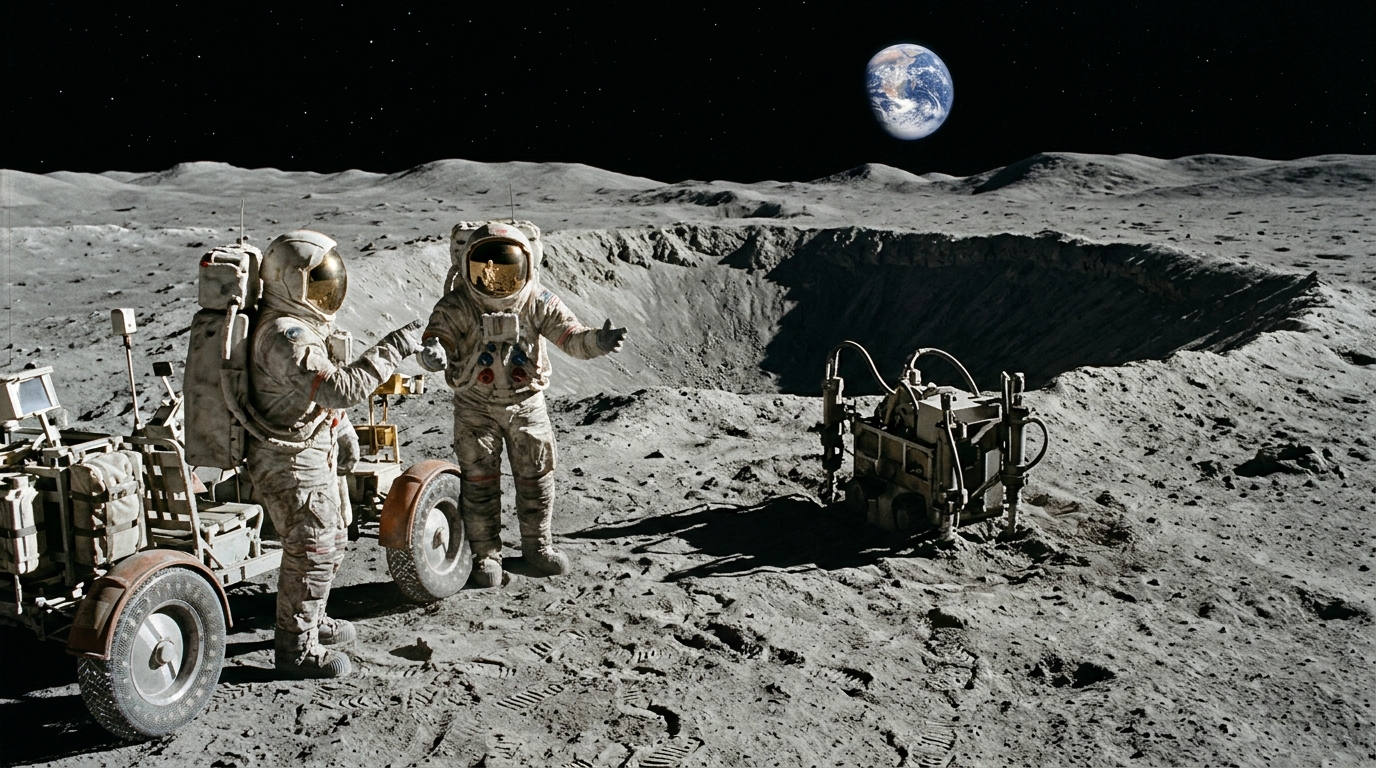
The ethics of space exploration has no simple yes-or-no answer. Exploration can be ethically justified, but the Outer Space Treaty bars national appropriation of the Moon and other celestial bodies. That tension matters to investors and operators because a promising resource project must be assessed not only for its commercial prospects, but also for its public benefits, environmental risks, fairness, and responsibilities to other missions. The Outer Space Treaty frames these questions as matters of international responsibility, not just business opportunity.
The debate is especially timely as lunar activity advances. NASA’s 2026 Artemis update set Artemis III as an Earth-orbit test in 2027 and Artemis IV as a planned lunar landing in 2028. As you assess a project, consider how it handles resource access, contamination, and coordination, and who shares in the benefits.
Key Takeaways
- Under 51 U.S.C. § 51303, a U.S. citizen may own commercially recovered space resources, subject to applicable law and U.S. international obligations.
- Planetary protection means limiting contamination of other worlds and protecting Earth from potentially harmful returned material, so you should identify the standards and oversight that apply to a commercial mission rather than assume NASA’s procedures are a universal licensing code. NASA’s planetary-protection requirements explain the agency’s approach.
- When weighing public investment, compare each project’s public and scientific value and who can share its benefits: NASA’s CLPS contracts had a combined maximum value of $2.6 billion through November 2028, according to NASA’s CLPS program information.
- Before approving a lunar operation, ask for a site-and-operations map, contamination controls, and a plan to resolve conflicts with other missions, especially as NASA’s Artemis update sets Artemis III’s Earth-orbit test for 2027 and Artemis IV’s lunar landing for 2028.
Is Space Exploration Ethically Justified?
Space exploration can be ethically justified, but its benefits and risks depend on who gains, who bears the costs, and how missions affect Earth and other worlds. The debate is not simply whether public money should go to space instead of urgent needs on Earth. Missions can create knowledge and opportunities that benefit people beyond their investors, but substantial public spending still calls for a clear account of who benefits and why those commitments are justified. The Outer Space Treaty offers a standard for that account: exploration and use should serve the benefit and interests of all countries. If you are an investor or operator, ask whether a mission’s benefits extend beyond the company and the countries with the resources to participate. The treaty does not promise identical returns to everyone, but it makes broad benefit a meaningful test of legitimacy. Environmental stewardship is both an ethical and an operational concern. Weigh public benefit, environmental responsibility, fair access, and operator obligations together. A commercially promising mission is not ethically sound simply because it is lawful or technically feasible. Its plans must also account for effects on scientific work and the interests of others.
Who Owns Resources Extracted in Space?

The Outer Space Treaty bars national appropriation of the Moon and other celestial bodies through sovereignty claims, use, occupation, or any other means. The treaty text draws a crucial distinction: owning material you have extracted is not the same as claiming the territory where you found it.
Under 51 U.S.C. § 51303, a U.S. citizen who commercially recovers a space resource may possess, own, transport, use, and sell the resource obtained, subject to applicable law and U.S. international obligations. The provision concerns recovered resources; it does not itself establish authority to conduct the recovery. In a commercial plan, rights to material already recovered and authority to conduct the recovery are separate questions.
The Artemis Accords address commercial resource use and ways to coordinate space activities. They do not replace the Outer Space Treaty’s prohibition on national appropriation, nor do they settle the resource-rights debate for every country or operator.
For due diligence, assess resource rights separately from operational conduct. Ask whether the project’s claims concern recovered material or imply control over territory, then examine whether its activities can proceed safely and with due regard for other missions. The treaty requires states to ensure that exploration avoids harmful contamination and shows due regard for other states’ activities. Article IX of the Outer Space Treaty makes coordination a distinct responsibility, not one automatically resolved by ownership of extracted material.
What Does Planetary Protection Require?
Planetary protection requires you to limit contamination in both directions: protect solar-system bodies from harmful contamination carried from Earth, and protect Earth from possible harmful extraterrestrial contamination returned by spacecraft. Contamination could compromise scientific investigations, while returned material could create risks for Earth. NASA categorizes its missions using guidance from the Committee on Space Research (COSPAR) Planetary Protection Policy and Guidelines. This is NASA’s approach to its missions, not a universal commercial licensing code that automatically applies to every private activity. As a commercial operator, do not assume that following NASA procedures alone settles your authorization requirements. NASA’s procedural requirements explain how the agency uses COSPAR guidance. Identify which planetary-protection requirements apply to your company’s mission and which state authority is responsible for oversight. Do not treat a single international process as covering every commercial mission.
Who Pays and Benefits From Lunar Exploration?
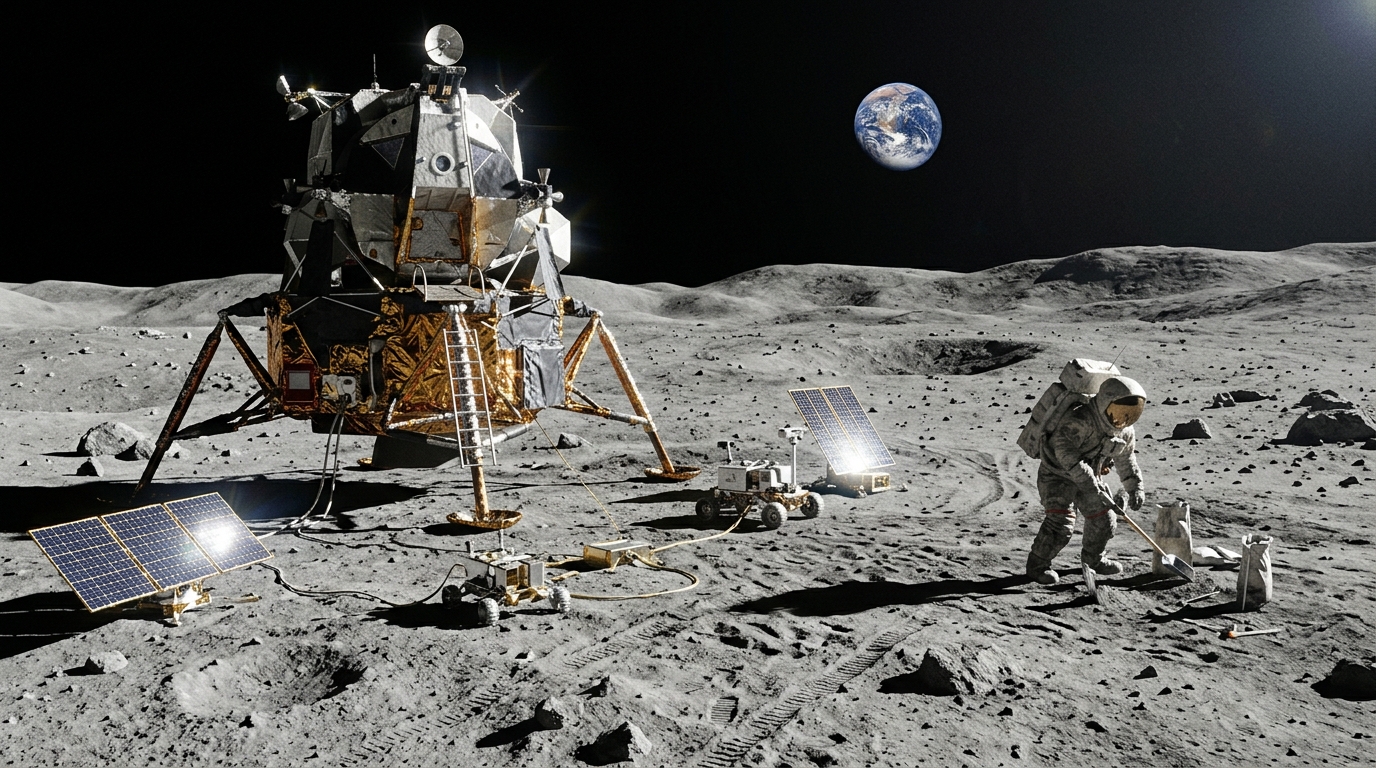
Public agencies and taxpayers fund a substantial share of lunar exploration, while companies, researchers, participating countries, and the wider public may receive different benefits. NASA’s human-spaceflight program involves a different scale of public spending. The NASA Office of Inspector General estimated SLS/Orion production and operating costs at $4.1 billion per launch through at least Artemis IV, excluding prior development costs. The NASA OIG report sets out the estimate. If you are an investor or operator, the ethical question is not simply whether public money supports private firms. Ask what public and scientific value each project creates, who can access its findings and capabilities, and how benefits are shared. A project’s commercial success does not by itself show that its gains extend beyond the companies directly involved.
Coordinate Around a Crowded Moon
Limited lunar terrain can make an otherwise lawful mission ethically difficult if its operations interfere with another mission or compromise valuable research. Article IX of the Outer Space Treaty calls for due regard for other states’ activities and avoidance of harmful contamination, but it does not establish a specific international protection system for scientific or historic sites. Under Article VI, states remain internationally responsible for national space activities, including nongovernmental activities, and must authorize and continuously supervise them, as set out in the Outer Space Treaty.
In the United States, the FAA oversees, authorizes, and regulates covered commercial launches, reentries, and launch or reentry sites under the Commercial Space Launch Act. That licensing role is important, but it should not be mistaken for a complete process that settles every question about sharing a scientifically valuable area. When assessing an operation, you can review the scope of the FAA’s commercial space oversight to understand which parts fall within its remit.
NASA’s February 2026 update set Artemis III as a low-Earth-orbit systems test in 2027 and Artemis IV as a lunar landing planned for 2028. These milestones make coordination plans a present concern for operators and investors, not a problem to defer until lunar activity becomes routine. NASA’s Artemis update provides the mission schedule.
For a proposed landing or resource operation, ask whether its location and timing are compatible with other planned activities, and how the operator will identify those activities before work begins. Ask what scientific value could be lost through disturbance or contamination, what controls will limit contamination, and how the operator will protect areas of scientific or historic importance without treating them as privately owned. You should also examine how the plan would change if another mission’s research or safe operation could be affected.
Build Ethics Into Investment Decisions

Before judging a space-resource project’s prospects, assess it as both a commercial opportunity and a governed activity. U.S. law recognizes rights in resources already recovered by U.S. citizens, subject to applicable law and international obligations. Assess those rights separately from any claim to celestial territory. 51 U.S.C. § 51303 addresses recovered resources, not territorial ownership.
Ask which state authorizes and continuously supervises the activity, and how the project’s claims fit the Outer Space Treaty’s bar on national appropriation. The treaty assigns states responsibility for national space activities, including those of private operators. Article VI of the Outer Space Treaty sets out that responsibility.
Examine the mission’s planetary-protection expectations. NASA’s NPR 8715.24 uses COSPAR guidance for NASA missions, but that agency framework is not a universal commercial licensing code.
At a proposed site, consider shared scientific interests and how the operator will coordinate with other missions, including if research or safe operations could be affected. Ethical preparation can inform durable investment and operational decisions without resolving every legal or philosophical dispute.
Build Ethics Into Investment Decisions
Before your next investment committee vote, request a mission-specific diligence sheet naming the recovering entity, the state responsible for authorizing and supervising the activity, the material the company expects to recover, and the legal basis for its claim. Ask counsel to test whether the claim is limited to recovered material under U.S. resource law, rather than implying control of a lunar site. Record unresolved legal questions as funding conditions, not assumed rights.
Ask the operator for its contamination plan and a clear explanation of the planetary-protection standards it will follow, why they apply, and how the mission will protect scientific work and manage risks from returned material. NASA’s NPR 8715.24 can help you understand NASA’s use of COSPAR guidance, but it is not a universal commercial licensing code.
For launch, reentry, and site activity, check whether the relevant FAA authorization is in place. The agency reports that major operators transitioned legacy licenses to 14 CFR Part 450 by the March 2026 deadline. Separately, request a site-and-operations map showing nearby missions, scientific or historic sensitivities, and who can pause or revise work if a conflict emerges. Put each open issue, its responsible owner, and the committee’s decision point in the investment memo.
Frequently Asked Questions
1. How should companies account for cultural perspectives on lunar exploration?
Companies should consider how a mission may affect people’s cultural, historical, or spiritual connections to the Moon and seek relevant perspectives before making site and operations decisions. The Outer Space Treaty’s principle that exploration should benefit and serve the interests of all countries offers a broad reason to consider whose interests are represented: the Outer Space Treaty.
2. What information about a mission should operators share with other lunar teams?
Operators should share the planned location and timing, the nature and footprint of the work, and relevant safety and contamination controls. They should also explain how they will respond if operations could affect another mission or its research. The Outer Space Treaty calls for due regard for other states’ activities: Article IX.