
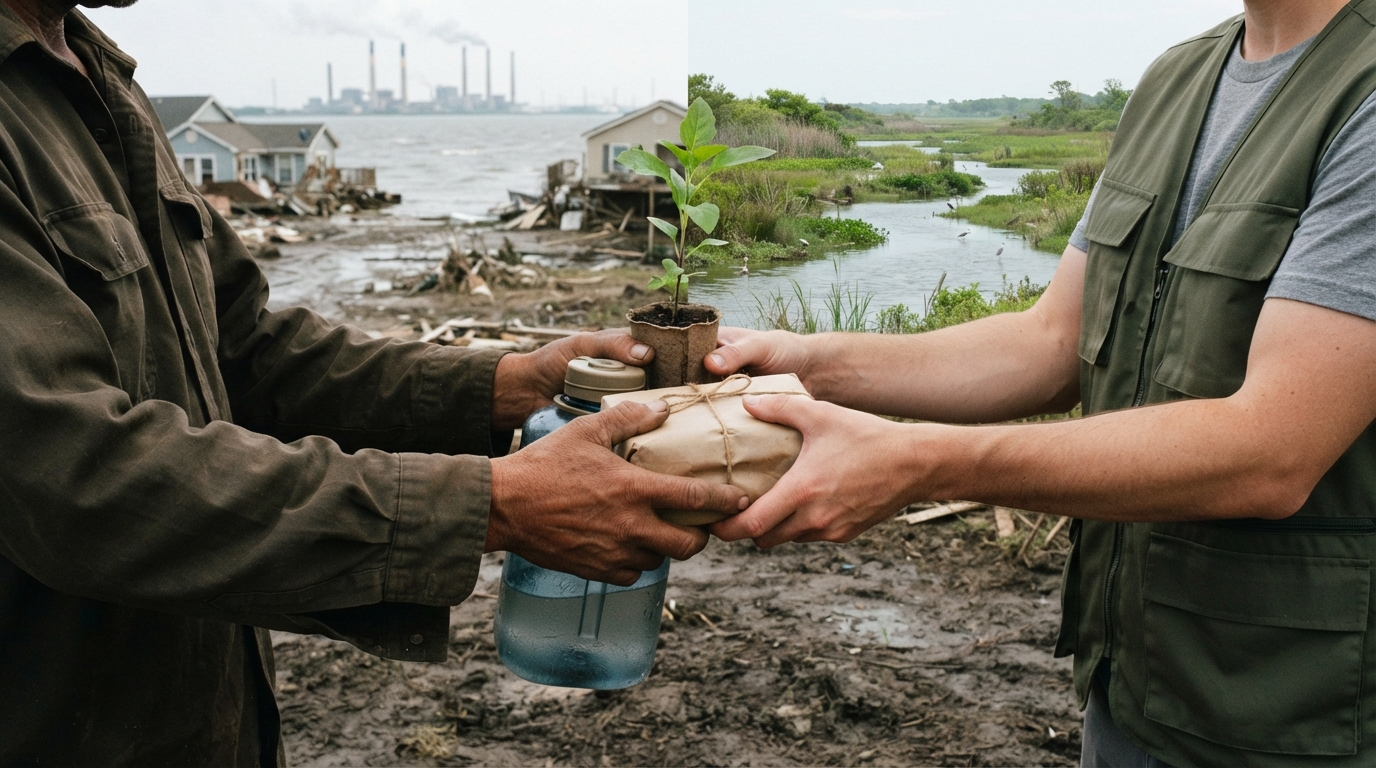
Climate reparations ethics in 2026 is no longer only a question of moral responsibility. It tests how the world defines harm, justice, and accountability. If you live in a country or community facing rising seas, extreme heat, displacement, or lost livelihoods, the debate is deeply practical: who should pay, who should receive support, and what should repair look like? Historical emissions matter, but so do present-day capacity, unequal vulnerability, and the voices of people most affected.
You may be asking whether reparations should mean direct payments, grants, debt relief, relocation support, technology sharing, or something broader than money alone. Each option raises difficult ethical concerns, including consent, power, transparency, and the risk of repeating colonial patterns through donor-controlled systems. With no agreed global definition or binding funding formula, understanding these questions is essential to judging which proposals offer genuine repair and which merely repackage aid as justice.
Key Takeaways
- Climate reparations are grounded in responsibility for historical emissions, unequal benefits from carbon-intensive development, present capacity to pay, and the severe harms faced by vulnerable communities—not in charity alone.
- Repair must extend beyond cash payments to include grants, debt relief, adaptation support, planned relocation, technology sharing, ecosystem restoration, acknowledgment, and institutional reform.
- Affected communities—including Indigenous peoples, frontline groups, and displaced populations—must have real authority over eligibility, priorities, funding, and oversight to prevent donor-controlled systems from reproducing colonial power.
- A fair global framework still requires transparent responsibility standards, predictable grant-based funding, corporate accountability, independent oversight, and direct access for communities because no binding definition or payment formula exists in 2026.
Introduction To Climate Reparations Ethics
Climate reparations have become a central question in political philosophy and applied ethics because climate harm is no longer viewed only as a problem of future risk. In 2026, global negotiations increasingly ask whether countries that gained wealth through historically high emissions owe compensation to communities facing loss, displacement, and environmental destruction. As you examine this debate, it helps to distinguish reparations from broader climate finance, which can include adaptation grants, clean-energy investment, and development assistance without necessarily recognizing a duty to repair past harm. Reparations, by contrast, focus on responsibility, accountability, and the rights of those who have been harmed.
The ethical challenge is that responsibility cannot be reduced to a simple list of national emissions. You must also consider historical knowledge, unequal benefits from fossil-fuel development, present-day capacity to pay, and the ways colonial systems shaped vulnerability. Questions of entitlement are equally important, since affected states, Indigenous peoples, local communities, and future generations may experience different forms of harm and need different remedies. Cash compensation is only one possibility, alongside debt relief, relocation support, technology sharing, institutional reform, and meaningful acknowledgment.
Although climate reparations now occupy a more prominent place in legal and institutional discussions, no universally accepted definition or binding global payment formula exists in 2026. That uncertainty makes moral reasoning more than an academic exercise because it influences who negotiators recognize as responsible, whose losses they count, and how funding reaches people most at risk. You can therefore understand reparations ethics as a debate about fairness in both outcome and process, including whether affected communities have genuine power over decisions. The central question is not simply how much money should be transferred, but what justice requires when environmental damage, historical inequality, and present political responsibility intersect.
Historical Emissions And Climate Responsibility
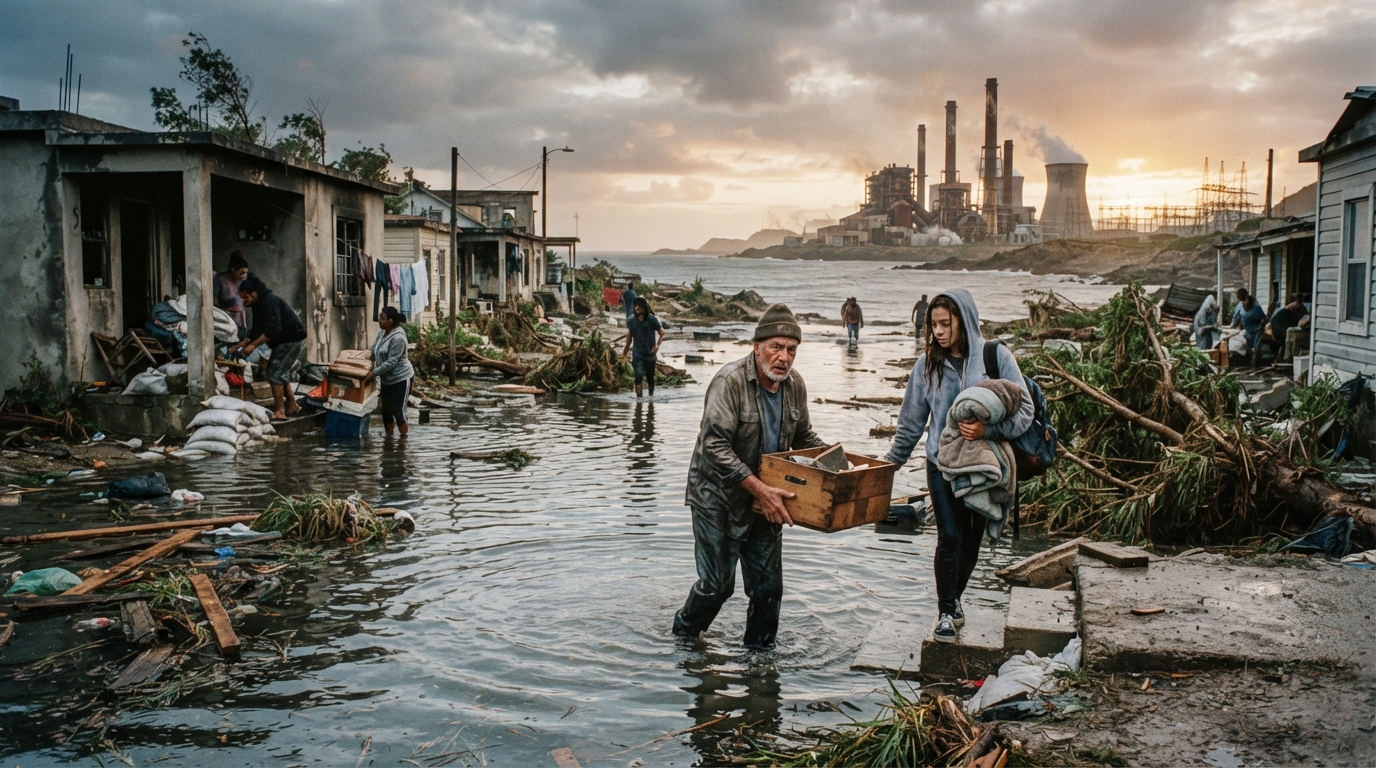
You can begin by measuring cumulative emissions because climate responsibility is tied to the carbon released over time rather than only to what a country emits today. This approach highlights the outsized contribution of industrialized states while also raising difficult questions about population size, per-person emissions, and the benefits created by earlier emissions. Colonial extraction adds another layer because wealth accumulated through the removal of resources and labor often helped finance fossil-fuel development while limiting other societies’ ability to grow safely. Responsibility, therefore, cannot be reduced to a single national total or a simple ranking of current emitters.
The debate also asks whether the greatest obligation belongs to states, fossil-fuel corporations, wealthy individuals, or ordinary consumers. States may bear duties because they shaped energy systems, approved extraction, and possess the authority to raise and distribute public funds. Corporations can be held responsible for profits earned from high-carbon activities, especially where they understood the risks and influenced public policy. Wealthy households and investors may have stronger duties than low-income consumers because their consumption and financial choices produce more emissions and because they have greater capacity to pay.
A fair climate reparations framework must connect responsibility with present-day capacity to pay without treating the ability to pay as a substitute for accountability. In 2026, there is still no universally accepted formula for deciding who owes compensation, which harms qualify, or whether support should take the form of grants, debt relief, relocation assistance, technology sharing, or institutional reform. You should also ask who controls the funds and whether affected communities can define their own priorities, since donor-led programs can reproduce the unequal relationships reparations are meant to address. The ethical challenge is to recognize wrongdoing while directing resources toward people facing climate harm now, through transparent institutions and meaningful participation.
Rights To Compensation And Climate Justice
In 2026, climate reparations ethics asks you to look beyond current borders and budgets to the people who contributed least to global warming yet face its greatest harms. Vulnerable countries can claim compensation when rising seas, extreme storms, drought, and heat damage homes, infrastructure, public health, and national economies. Indigenous peoples and frontline communities may have additional claims because climate disruption compounds land dispossession, pollution, and the loss of cultural practices tied to specific ecosystems. Displaced populations also deserve consideration, particularly when relocation becomes necessary and returning home is no longer safe. These claims are strongest when responsibility is assessed alongside capacity to pay, historical emissions, and the unequal benefits gained from carbon-intensive development.
The harder ethical question is what compensation should cover. Deaths and medical costs are important, but a just framework must also address destroyed livelihoods, lost education, damaged homes, and the erosion of language, spiritual traditions, and community identity. Ecosystem damage creates another challenge because wetlands, forests, reefs, and species cannot always be restored or assigned a reliable monetary value. You should therefore view reparations as more than cash transfers. They can include grants, debt relief, relocation assistance, technology sharing, adaptation funding, and meaningful participation in decision-making. Any system must also prevent funds from being controlled solely by distant governments or institutions, ensuring that affected people help define harm and choose appropriate remedies.
Future generations complicate the debate because they cannot sign agreements or present legal claims today, yet they will inherit risks created by earlier emissions. Ethical responsibility may therefore require present decision-makers to preserve options, protect essential ecosystems, and fund measures that reduce unavoidable loss over time. No payment can make every harm whole, especially when lives, ancestral lands, or irreplaceable species are lost. A credible approach combines financial compensation with acknowledgment, apology, institutional reform, and guarantees against repeating the damage. In this sense, climate justice is not only about determining who pays, but also about restoring dignity, agency, and a fairer distribution of safety.
Cash Grants Debt Relief And Repair
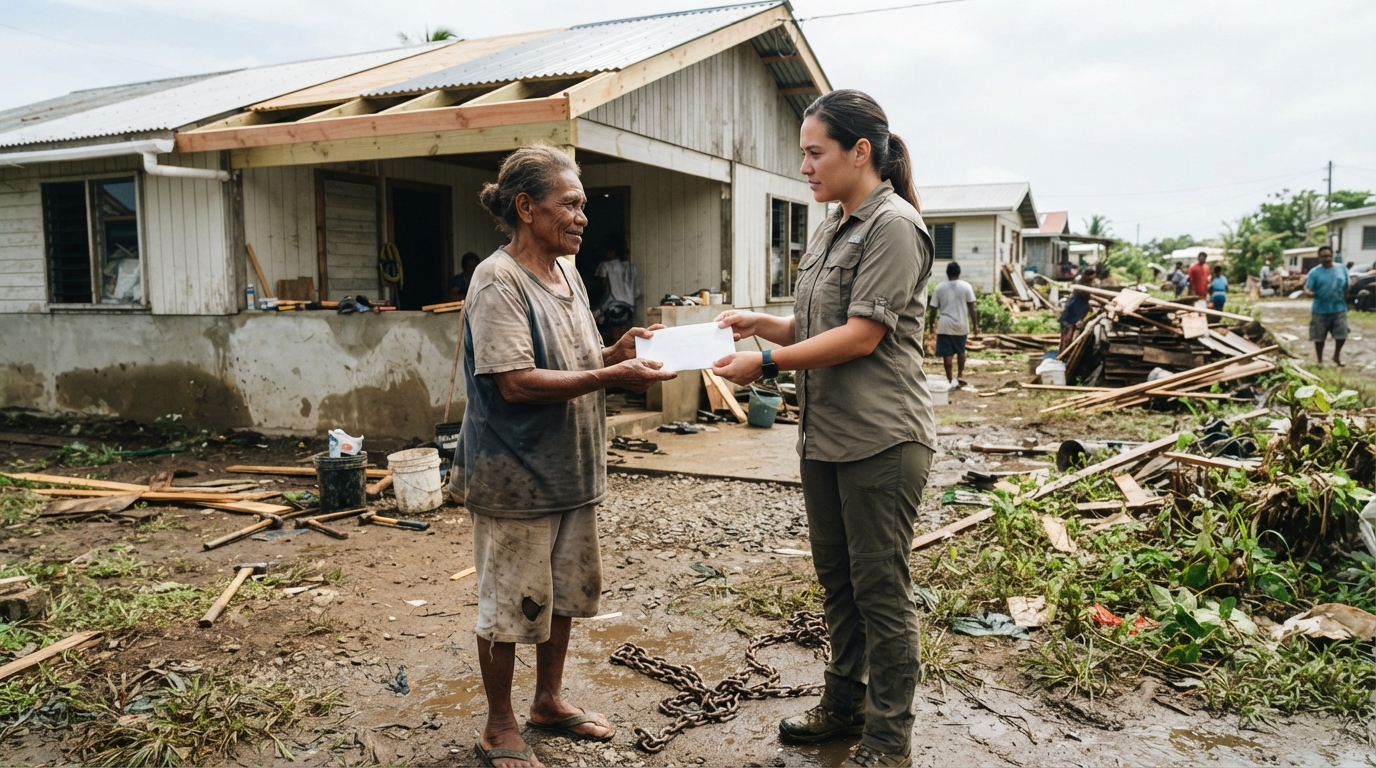
As you consider climate reparations ethics in 2026, direct compensation can seem like the clearest response to measurable loss, from destroyed homes to lost livelihoods. Yet cash alone may not reach affected communities, especially when funds pass through complex institutions or donor-controlled programs. Grants are generally more just than loans because they do not make vulnerable countries repay the cost of harms they did not primarily cause. Debt cancellation can also free public money for health, housing, and resilience while recognizing that existing debt burdens often reflect unequal global economic structures.
Repair, however, must address more than financial balance sheets. Adaptation support can protect communities from floods, heat, and crop failure, while relocation assistance can help people move with safety, dignity, and cultural continuity when territories become uninhabitable. Technology transfer may expand access to clean energy and resilient infrastructure, but it should not create new dependency through restrictive patents or unequal contracts. You should also ask who controls these resources because meaningful repair requires local decision-making, institutional reform, acknowledgment of responsibility, and safeguards against repeating colonial patterns.
The central ethical test is whether a proposed remedy reduces injustice or simply shifts its costs into the future. Debt-based climate finance can deepen inequality when countries must borrow to respond to damage caused largely by others, particularly if repayment diverts funds from essential services. A credible reparations framework therefore needs transparent responsibility rules, predictable funding, and channels that let affected people define what repair means for them. Compensation matters, but justice may depend just as much on power, accountability, and the right to shape a safer future.
Accountability And Fair Implementation
Accountability begins when you treat climate reparations as a right owed to affected communities, not as optional aid controlled by donors. To avoid reproducing colonial power, you should look for governance structures in which Indigenous peoples, local organizations, women, and frontline communities help define harms, set priorities, and oversee spending. Transparent public records, independent audits, accessible complaints processes, and locally understandable reporting can make it harder for corruption or elite capture to divert resources. Funding should arrive as grants where possible rather than loans that deepen dependency, and communities should have meaningful control over how money is used. In this model, participation is not a consultation after decisions are made, but a form of shared authority.
Corporate accountability also matters because responsibility cannot rest solely on national governments or taxpayers in countries that have contributed least to climate change. You can evaluate a fair system by asking whether major historical and current emitters contribute according to their role in creating harm, their ability to pay, and their capacity to prevent further damage. Reparations may include direct finance, debt relief, technology sharing, support for relocation, ecosystem restoration, and public acknowledgment, depending on what affected people identify as necessary. A narrow focus on cash payments could overlook cultural loss, health impacts, and the rights of communities facing displacement. Ethical implementation therefore requires both material compensation and reforms that reduce the power imbalances producing vulnerability.
The central challenge in 2026 is that climate reparations still lack an internationally agreed definition, binding payment formula, and adequately funded global mechanism. You may see new funds or pledges as progress, but voluntary contributions remain vulnerable to political change, delayed disbursement, and conditions that allow wealthier states to retain control. A binding system would need clear standards for responsibility, independent oversight, enforceable corporate duties, and direct access for communities rather than relying exclusively on national intermediaries. It would also need to resolve difficult questions about historical emissions, cross-border harms, and who can claim compensation for losses that cannot be restored. Until those questions are addressed democratically, climate reparations ethics will remain a debate not only about how much is owed, but also about who gets to decide.
Climate Reparations Ethics Conclusion

Climate reparations ethics in 2026 begins with a clear but difficult insight: responsibility cannot be separated from history, capacity, and continuing emissions. You must ask not only which countries contributed most to climate change, but also who benefited from carbon-intensive development and who now faces the greatest losses. Entitlement follows from that record, giving affected countries and communities a moral claim to support for harms such as destroyed livelihoods, displacement, health impacts, and cultural loss. Because no single formula can capture every form of responsibility or harm, fairness requires transparent standards alongside meaningful participation by those most affected.
The form of reparations matters as much as the amount of money provided. Grants, debt relief, technology sharing, support for planned relocation, and investment in locally governed adaptation may be more just than loans or narrowly controlled projects that deepen dependence. Recognition also has ethical value because acknowledgment, apology, and historical truth can affirm that affected people are not merely recipients of charity. When you evaluate a reparations program, you should therefore ask whether it restores agency and addresses structural injustice rather than measuring success only by funds disbursed.
Effective implementation ultimately depends on institutions built around dignity, accountability, and shared power. Communities facing climate harm should help define eligibility, set priorities, monitor spending, and seek remedies when commitments fail, with safeguards against corruption and donor control. Adequate funding remains essential, but money alone cannot repair losses if decisions are imposed from outside or if vulnerable people are excluded from governance. The strongest ethical approach connects responsibility, entitlement, form, and implementation, turning climate reparations from a promise of compensation into a durable practice of recognition and justice.
Rethink Responsibility for Climate Reparations
Climate reparations ethics in 2026 asks you to look beyond who can afford to pay and toward who bears responsibility for climate harm. Developed nations have contributed a disproportionate share of historical emissions, while many vulnerable countries and communities face the most severe losses from rising seas, extreme heat, displacement, and damaged livelihoods. Yet there is still no universally accepted definition of climate reparations, no binding formula for assigning financial responsibility, and no system capable of covering every form of harm. Ethical analysis therefore requires attention to both historical emissions and present capacity while recognizing that responsibility cannot be reduced to a single calculation.
You should also consider what meaningful repair looks like in practice. Grants, debt relief, funding for adaptation and recovery, technology sharing, planned relocation, institutional reform, and formal acknowledgment may all play a role, depending on what affected communities identify as their priorities. Justice requires more than transferring money through donor-controlled institutions because reparations can reproduce colonial power when recipients lack genuine authority over decisions. The central ethical challenge for 2026 is to create accountable systems that reach people directly, respect sovereignty, and treat climate reparations not as charity, but as a response to preventable and unequal harm.
Frequently Asked Questions
1. What are climate reparations ethics in 2026?
Climate reparations ethics in 2026 examines who owes repair for climate-related harm, who should receive it, and what meaningful repair requires. It considers historical emissions, current responsibility, unequal vulnerability, capacity to pay, and the rights of affected communities. The focus is not only on funding, but also on accountability, consent, dignity, and fair decision-making.
2. How are climate reparations different from climate finance or foreign aid?
Climate finance can support adaptation, clean energy, or development without formally recognizing responsibility for past harm. Reparations are based on a duty to repair damage linked to actions that caused or worsened climate risks. This distinction matters because describing reparations as ordinary aid may weaken accountability and allow wealthier countries to avoid acknowledging how emissions contributed to present losses.
3. Who should pay for climate reparations?
Those with the greatest historical responsibility and financial capacity have the strongest ethical obligation to contribute. This generally includes high-emitting countries, major fossil-fuel producers, and corporations that profited from carbon-intensive activities, although the exact responsibilities remain contested. A fair system should consider cumulative emissions, knowledge of climate risks, present wealth, and the ability to contribute without harming vulnerable populations.
4. Who should receive climate reparations?
Priority should go to communities and countries experiencing serious climate-related loss, displacement, livelihood damage, and cultural or environmental destruction. Distribution should account for vulnerability and unmet needs, not simply population size or current income. Indigenous peoples, small island communities, low-income households, and frontline workers should have meaningful authority in deciding how support is delivered.
5. What forms can climate reparations take besides direct payments?
Reparations can include grants, debt cancellation, relocation assistance, technology sharing, health services, infrastructure protection, and support for restoring ecosystems and cultural heritage. Direct payments may be appropriate in some cases, but money alone cannot replace lost lives, territory, traditions, or political autonomy. The strongest programs combine financial resources with long-term recovery and community-led decision-making.
6. What ethical risks can climate reparations programs create?
Poorly designed programs can reproduce colonial power structures by allowing donors to control priorities, attach harmful conditions, or impose projects without free and informed consent. They can also create corruption risks, exclude marginalized groups, or treat relocation as a technical transaction rather than a deeply personal and cultural loss. Transparency, independent oversight, accessible complaint systems, and community authority are essential safeguards.
7. How should fairness be measured in climate reparations?
Fairness should be assessed through several standards, including responsibility for emissions, ability to pay, severity of harm, vulnerability, and the effectiveness of proposed support. You should also ask whether affected people participated in setting priorities and whether funds reached them without unreasonable delays or conditions. A credible system must publish clear funding formulas, track outcomes, and revise them when communities show that needs have changed.
8. Is there a globally agreed definition or funding formula for climate reparations in 2026?
No single globally binding definition or funding formula governs climate reparations in 2026. Governments and institutions continue to disagree about legal responsibility, historical accounting, eligible recipients, and whether payments should be called reparations or climate finance. Until stronger agreements emerge, you should evaluate proposals by examining their transparency, additionality, community consent, and recognition of responsibility for harm.